Ask most Oregon archery elk hunters to name their top public land units and you'll hear Chesnimnus, Silvies, Starkey, or Heppner. Fewer mention the Wenaha. That's not because it lacks elk — it's because the country demands a level of commitment that filters out casual hunters. If you're willing to earn your access through canyon miles and steep grade, the Wenaha Unit rewards that effort with bull encounters that don't happen in more pressured places.
Unit Overview
The Wenaha Unit sits in the northeast corner of Oregon in Wallowa and Umatilla counties, abutting Washington state along the ridge system that separates the two states. The Wenaha-Tucannon Wilderness straddles this border, and a significant portion of the unit's best elk habitat falls within or adjacent to that designated wilderness. The Umatilla National Forest covers most of the unit's public land base, with some private ag ground in the river bottoms of the Walla Walla and Grande Ronde drainages.
Elevation ranges from around 1,500 feet in the canyon bottoms to 5,700 feet on the rim country. That topographic range means the elk don't have to go far to find thermal relief in late August and September — they simply drop into north-facing canyon drainages where cool air pools and water persists through the dry season.
Why It's Underrated
The Wenaha Unit's reputation problem is actually its strongest attribute: the access points are limited, the terrain is demanding, and the canyon walls are unforgiving. Most hunters stick to road-accessible ridges, which means anything a mile or more off the main USFS roads sees only light pressure through archery season. Add wilderness-adjacent country that's genuinely roadless and you have a setup where bulls get to mature in relative peace.
The canyon country here — deep coulees cut by the Wenaha River and its forks — holds water year-round in most years. Seeps and small tributaries persist into September even during drought years, and wherever water persists, so do elk. Early-season archery hunters who locate active wallows in these drainage bottoms can set up highly effective ambushes before the bugle season even kicks in.
Access and Logistics
Primary road access comes from Highway 204 west of Elgin, which crosses the Blue Mountains and provides the main spine into the unit. Forest roads branch off the highway toward the canyon rims, with the most productive hunting country sitting to the north toward the Washington line. Troy, Oregon — a tiny community on the Grande Ronde River — provides lower canyon access via the Wenaha River Road, but plan on 2WD-passable roads becoming rough fast once you leave the main route.
Key access options:
- Jubilee Lake area (northwest unit): Campground and multiple trailheads give access to upper canyon drainages. Day-hike range from camp covers several miles of productive elk country.
- Oregon Butte trail network: The highest point in the Wenaha-Tucannon Wilderness at 6,401 feet. Trail access into the wilderness interior from the Oregon side, with elk using the park-like ponderosa benches below the summit.
- Troy, Oregon (lower canyon): Long-way-around access that puts you into the wilderness from below. Suitable for fit hunters willing to climb canyon walls on foot — you will see almost nobody in here during archery season.
Early Season Strategy (Late August)
Oregon's archery elk season typically opens the last Saturday of August. In the Wenaha Unit, that date falls in the driest part of the season. Bulls are still in bachelor groups or transitioning out of them, not yet bugling consistently, and the heat pushes elk to north-facing timber and water sources by mid-morning.
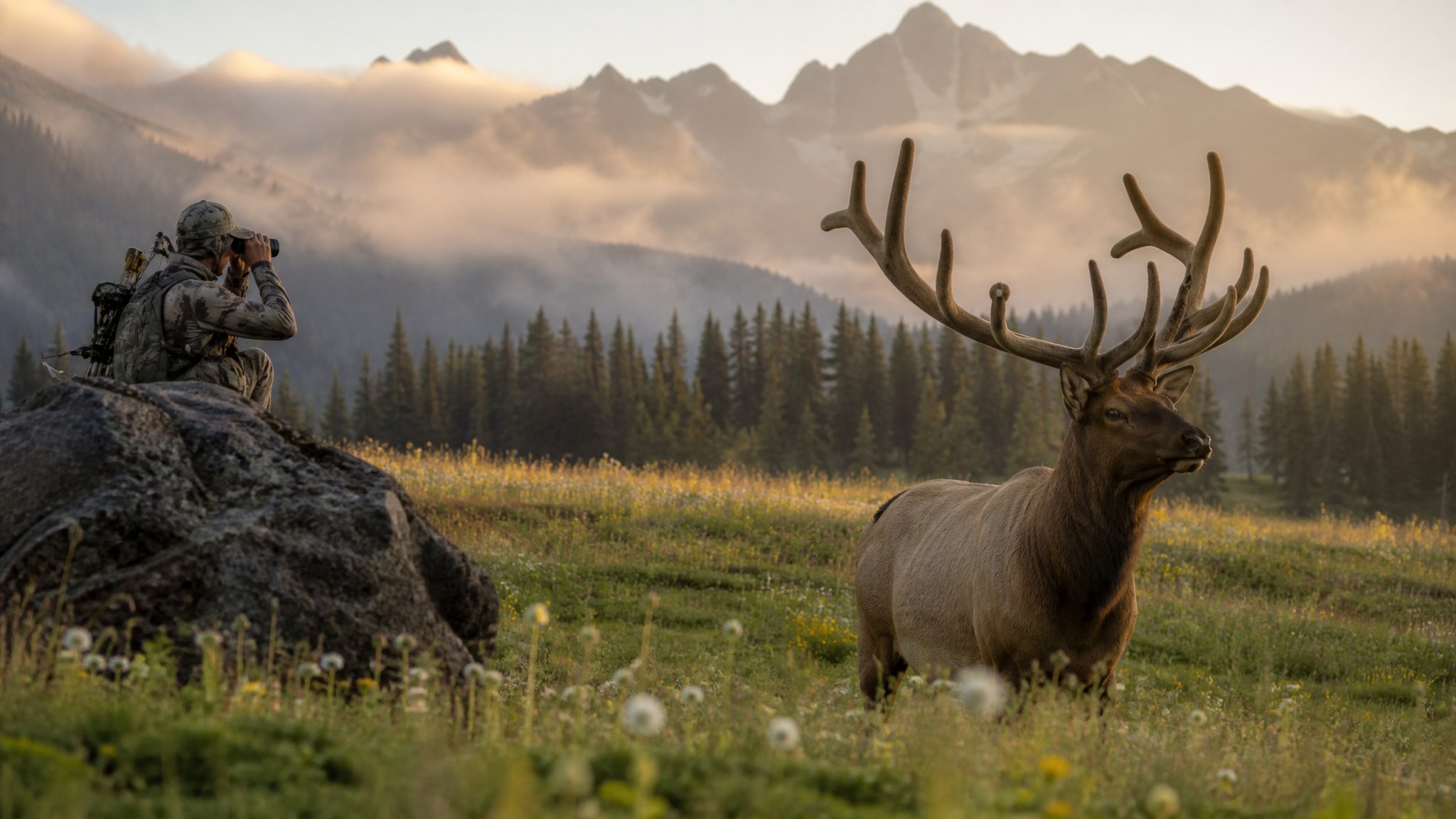
Set your alarm for 4:30 AM. Be on the canyon rim or ridge with optics before first light and start glassing the open parks and benches as shooting light arrives. Early velvet bulls are visible from distance through late August — once stripped, they become harder to spot in heavy timber. Mark every bull you see, note their bedding direction, and cut an approach for the following morning.
Water sources are everything in this period. Hike in a day early and locate active wallows — look for mud churned to the consistency of chocolate pudding with fresh hoof tracks pressed into the wet edges. A bull using a wallow once will typically return every 1-3 days through early September. Set up 25-35 yards downwind, wait out the morning thermals, and let him come to you.
Rut Strategy (Early-to-Mid September)
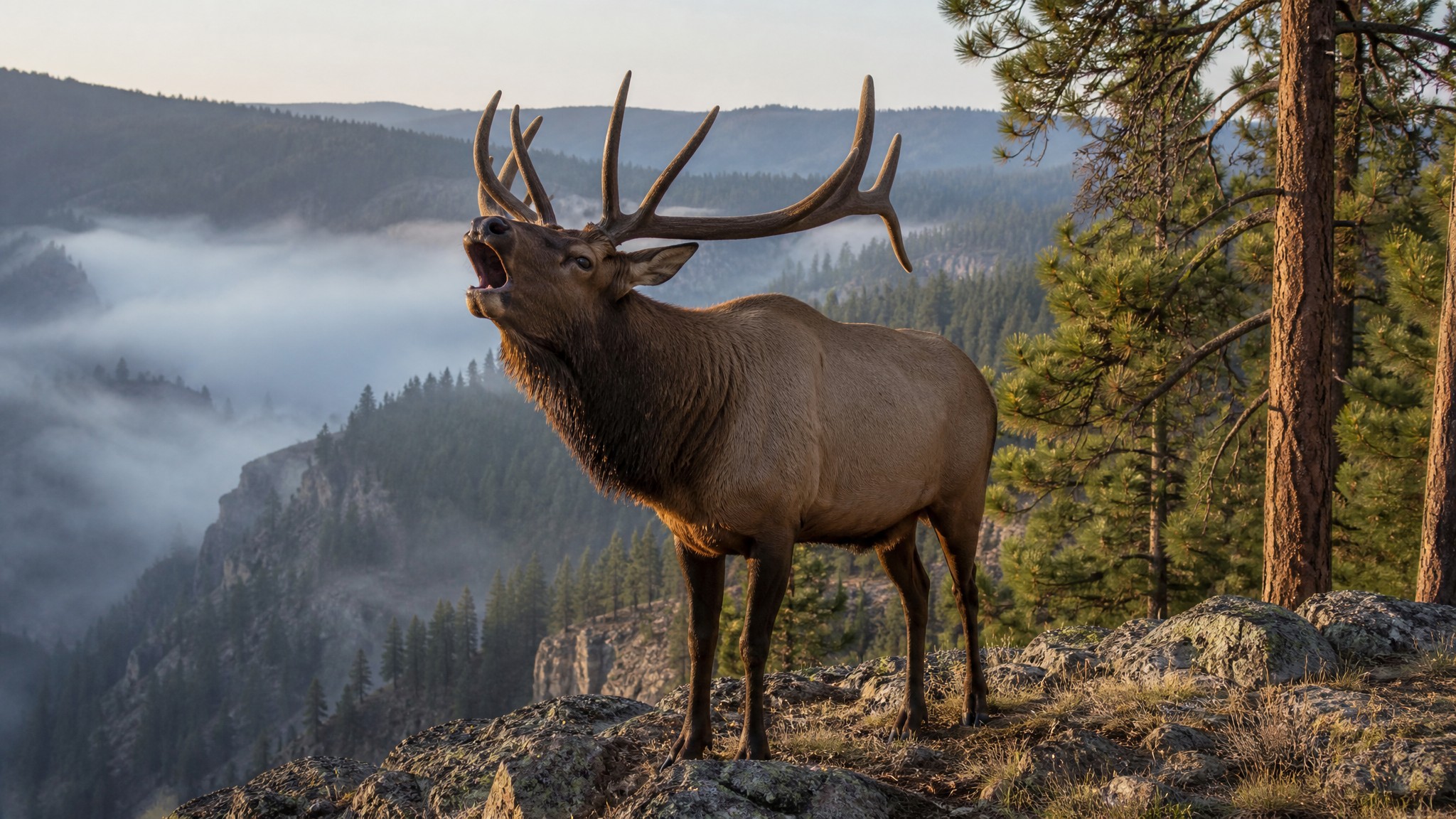
By the first week of September, bulls in the Wenaha Unit begin scraping velvet and establishing dominance. By September 10-15 in a typical year, you'll hear the first tentative bugles echoing off canyon walls — a sound that carries remarkable distances in this terrain and can pinpoint bulls across drainages at first light.
Canyon elk can be vocally responsive but difficult to close. The topography works against you — a bull on a bench across a side canyon may sound 200 yards away but require a mile-and-a-half detour to actually reach. Use a locator call (cow mew or simple chirp) at first light to get responses, then commit to an aggressive approach before the bull beds. Half-measures lose elk in canyon country.
A basic calling setup that works in the Wenaha: cow mews as contact calls, a moderate-volume bugle to locate and challenge, and cow calls on the close approach once you're within 100 yards. Bring a full-sized decoy if you can carry the weight — canyon bulls that hang up on terrain breaks often commit hard to a visual when they hear cows but cannot see them.
Pack-In Camp Considerations
The wilderness interior requires overnight commitment to hunt effectively. A two-or-three day fly camp set up near confirmed water and elk sign is the most productive approach. Keep camp downwind of your primary hunting area — in canyon terrain this means camping on the canyon rim and hunting down into drainages rather than camping at the bottom where thermals swirl unpredictably.
Water is generally available in the main canyon drainages but treat everything with a filter. Cell service is unreliable throughout most of the unit — download offline topo maps and file a detailed trip plan with someone reliable before heading in. A SPOT or inReach is not optional in this country.
The Wenaha Unit is not going to show up on a top-10 list anytime soon. That's exactly why it belongs on yours.