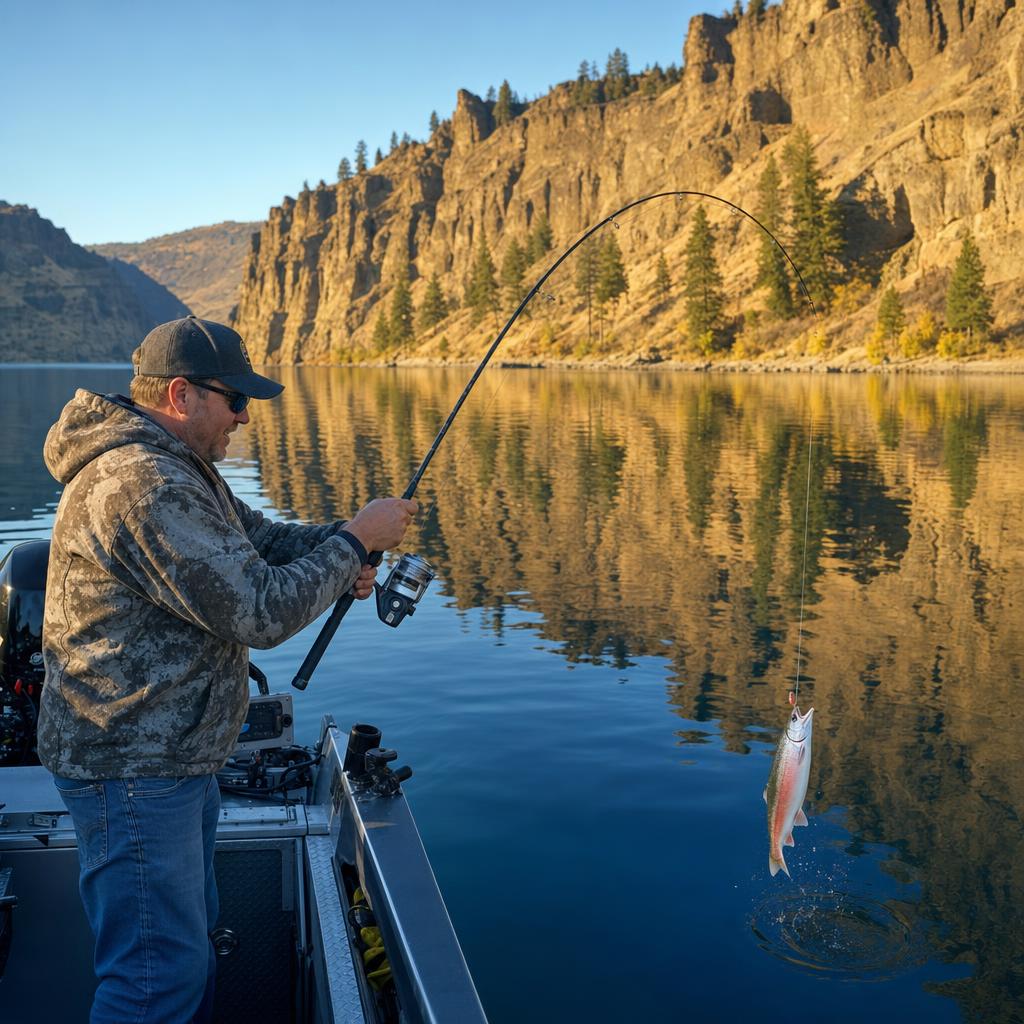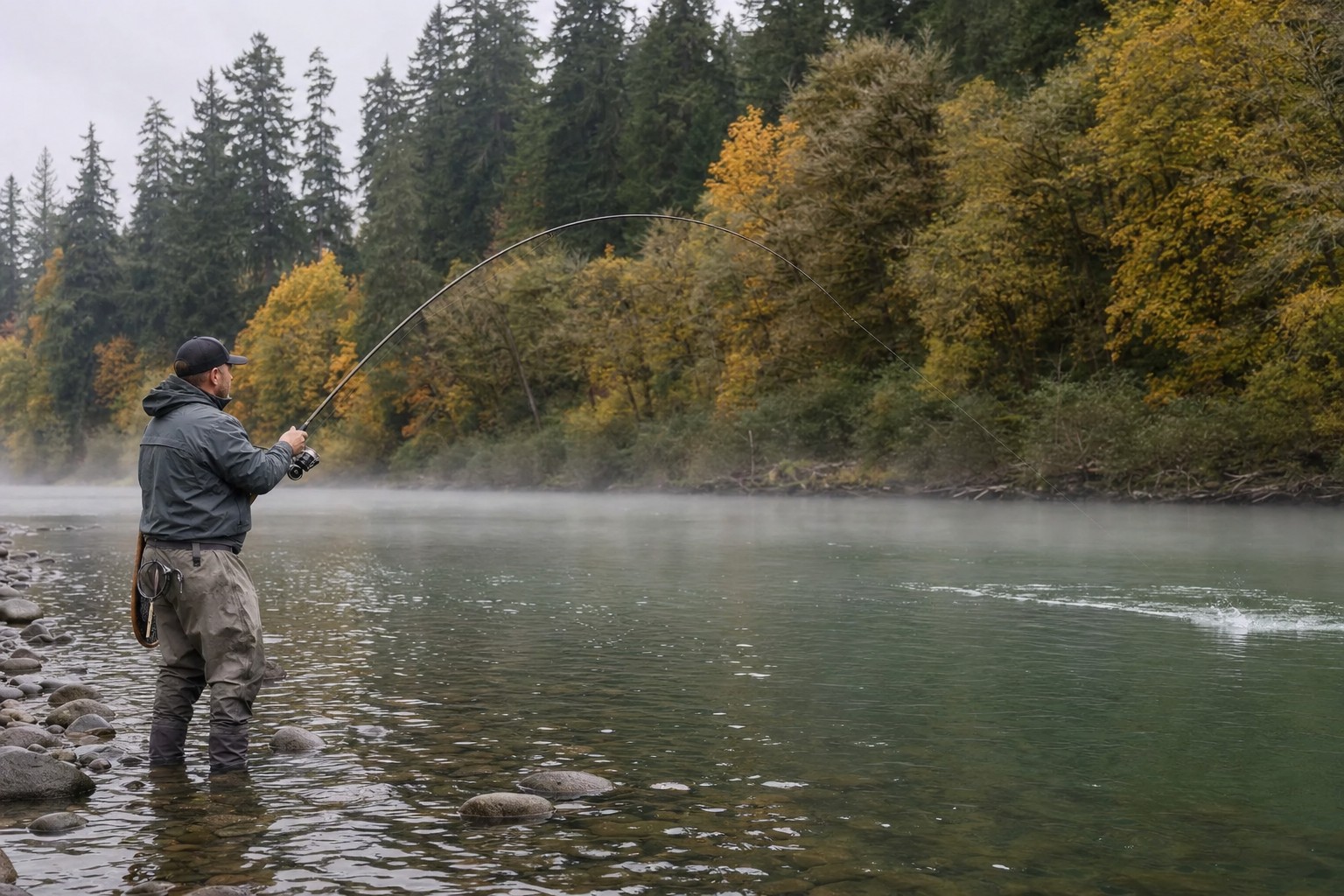
Most Oregon coastal anglers spend November chasing chinook or dreaming about December steelhead. That leaves the chum salmon run—arguably the coast's most overlooked fishery—wide open for anyone willing to do a little homework. The Kilchis and Miami rivers, tucked into the Tillamook Basin just south of Tillamook Bay, receive consistent chum returns from late October through early December. You'll almost never see another angler on these fish.
Understanding Oregon Chum Salmon
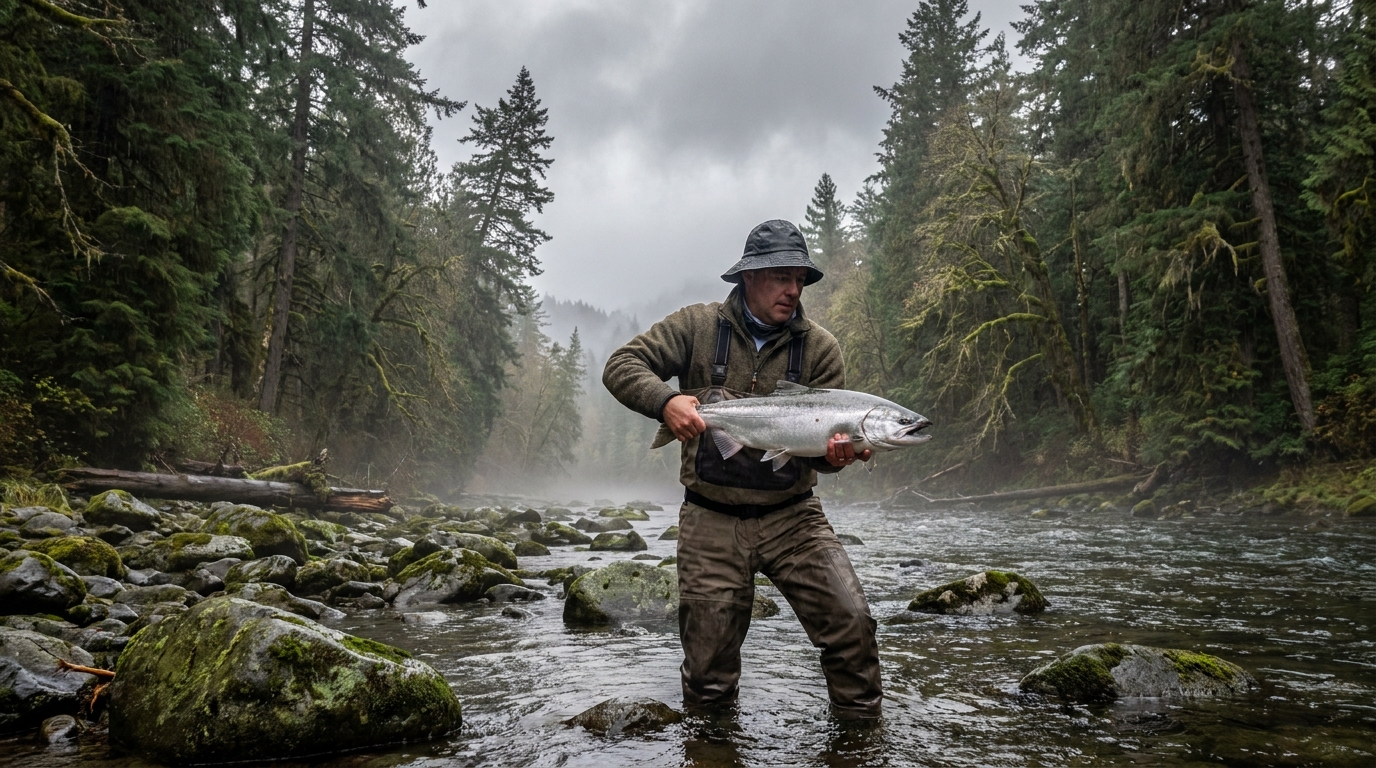
Chum salmon (Oncorhynchus keta) are the second-largest Pacific salmon species and among the most powerful pound-for-pound fighters in freshwater. Oregon’s coastal returns have improved significantly since hatchery supplementation efforts began in the late 1990s. The Kilchis River Hatchery, operated by the Oregon Department of Fish and Wildlife, releases chum smolts each spring and sees returns in the 2,000–6,000 fish range on good years. Fresh-run fish in November average 8–12 pounds, with occasional fish pushing 15 or better.
Unlike chinook, which stack in deep pools, chum move quickly through shallower gravel runs and tend to hold in water 2–5 feet deep. They’re visible—you can often watch them work upstream—and that visibility makes them approachable with a variety of presentations.
When to Go: Timing the Kilchis and Miami
The Kilchis peaks between November 1st and November 20th most years. The Miami, a smaller drainage just to the north, tends to run 7–10 days later. Watch the rain. Chum move on fresh water, and a half-inch or more of rain over 48 hours will push fish from the estuary into the lower river. ODFW’s weekly fish counts at Kilchis Hatchery are posted online and give you a solid real-time picture of run strength. When counts jump by several hundred fish in a week, it’s time to go.
Water temperature matters too. Chum are most active at 45–52°F. If the river climbs above 55°F after a warm October, fish will hold in the estuary until temperatures drop. A simple stream thermometer is worth carrying.
Access Points
The Kilchis River Road parallels much of the lower river and offers multiple pull-offs with easy bank access. The most productive stretch runs from the Tillamook Bay estuary mouth upstream to the Kilchis Hatchery—roughly six miles of fishable water. The hatchery itself has a public fishing platform and a parking area. Anglers are prohibited from fishing within 200 feet of the hatchery weir, so stay aware of boundary markers.
The Miami River is accessed from Miami River Road off US-101 north of Tillamook. The lower two miles offer the best chum water. Parking is limited; be respectful of private property markers and don’t block farm gates.
Gear and Presentations
Float Fishing
A 10–11-foot float rod rated for 15–20 lb mainline is ideal. Oregon regulations require use of a single barbless hook when targeting salmon in coastal rivers—check current ODFW regulations before you go, as rules can change. Set your float depth so your offering drifts 6–12 inches off the bottom. Chum are notoriously aggressive when fresh and will often hit on the swing at the end of a drift.
- Best colors: Chartreuse, hot pink, and purple are top producers. Chum have a well-documented preference for bright colors that stand out in turbid November water.
- Best offerings: Sand shrimp under a float, cured salmon roe, or a combination of the two—shrimp on the hook, roe cluster behind it on a loop of line.
- Corky and yarn: A small chartreuse or pink corky above a #2 single hook tipped with a piece of orange yarn works excellently and stays legal under bait restrictions.
Fly Fishing for Chum
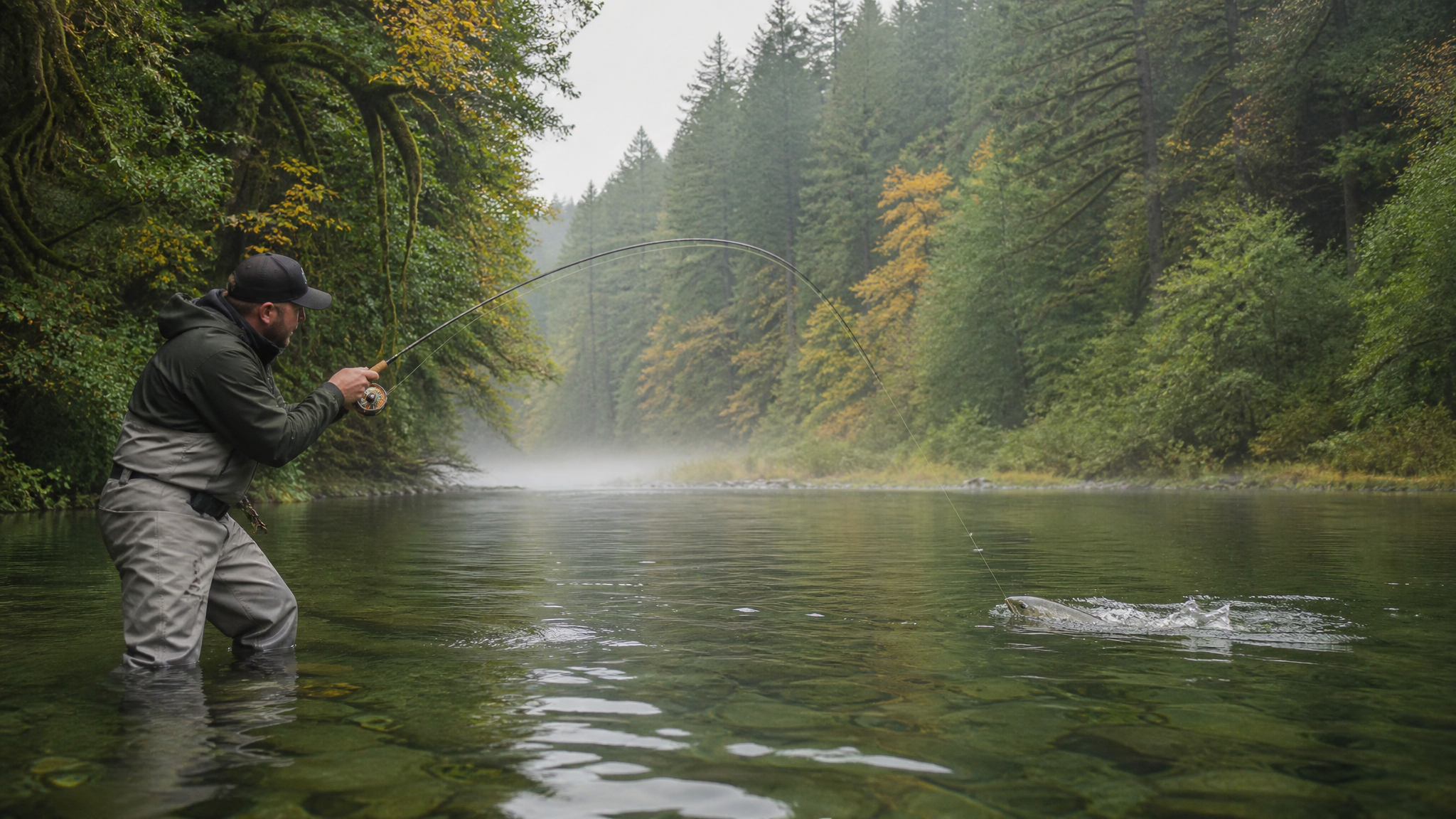
Chum are exceptional fly rod targets. A 7- or 8-weight with a sink-tip or full-sinking line gets flies into the zone on the Kilchis’ shallow runs. Marabou intruder-style patterns in purple, pink, and chartreuse are the go-to, as are simple egg-sucking leech patterns in black and chartreuse. Cast across and downstream, mend once, and let the fly swing through the hold. Chum hit with authority—hold on tight.
Jig Fishing
A 3/8- to 1/2-oz marabou jig in chartreuse or hot pink under a float is an often-overlooked presentation that absolutely destroys chum. Bounce it along the bottom through gravel runs and holding water. It’s especially effective on fish that have seen a lot of drift presentations.
Landing and Handling
Fresh chum are explosive fighters that make strong runs and bulldogging head-shakes unlike any other salmon species. Use a rubber-mesh net to reduce scale and slime loss on fish you’re releasing. ODFW retention regulations on coastal chum vary by river—some waters are catch-and-release only for wild fish, while hatchery chum marked with a clipped adipose fin may be retained. Confirm current regulations at myodfw.com before your trip.
Chum make excellent table fare when bled immediately and kept cold. The meat is lighter in color than chinook or coho but has a mild, firm texture that holds up well to smoking. Most hatchery chum returned this time of year are still bright chrome with excellent eating quality.
A November Day on the Kilchis
The beauty of the chum run isn’t just the fishing—it’s the experience. The Kilchis corridor in November is mist, wet alders, and the smell of rain. Bald eagles work the river for spawned-out carcasses. Mergansers rocket upstream on the morning flights. And somewhere in that olive-green current, a chrome fish the size of your forearm is finning in the shallows waiting for your offering to drift past.
If you’ve never targeted chum on the Oregon coast, this is the year. The crowds aren’t there, the fish are real, and the November experience is as Pacific Northwest as it gets.