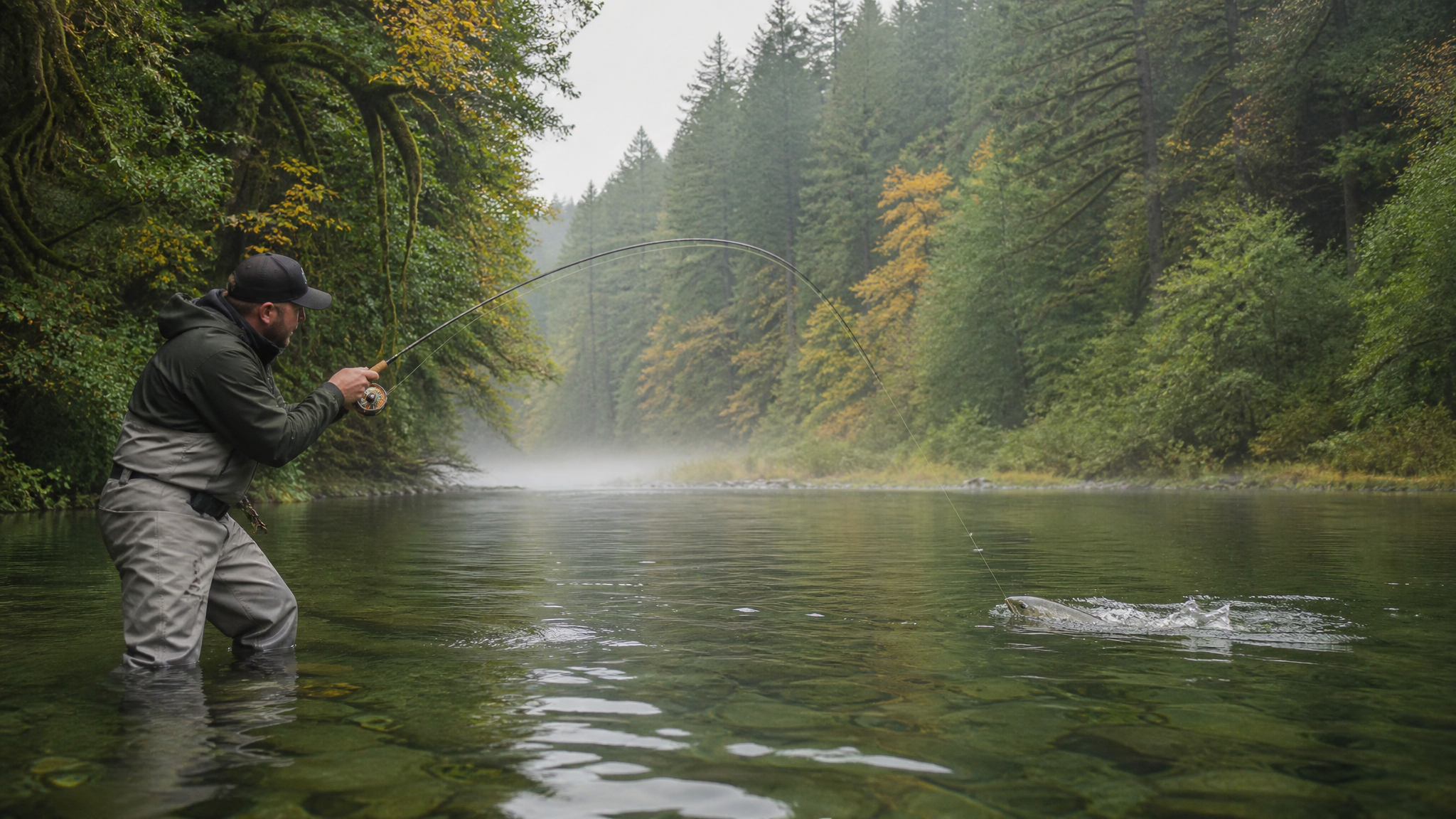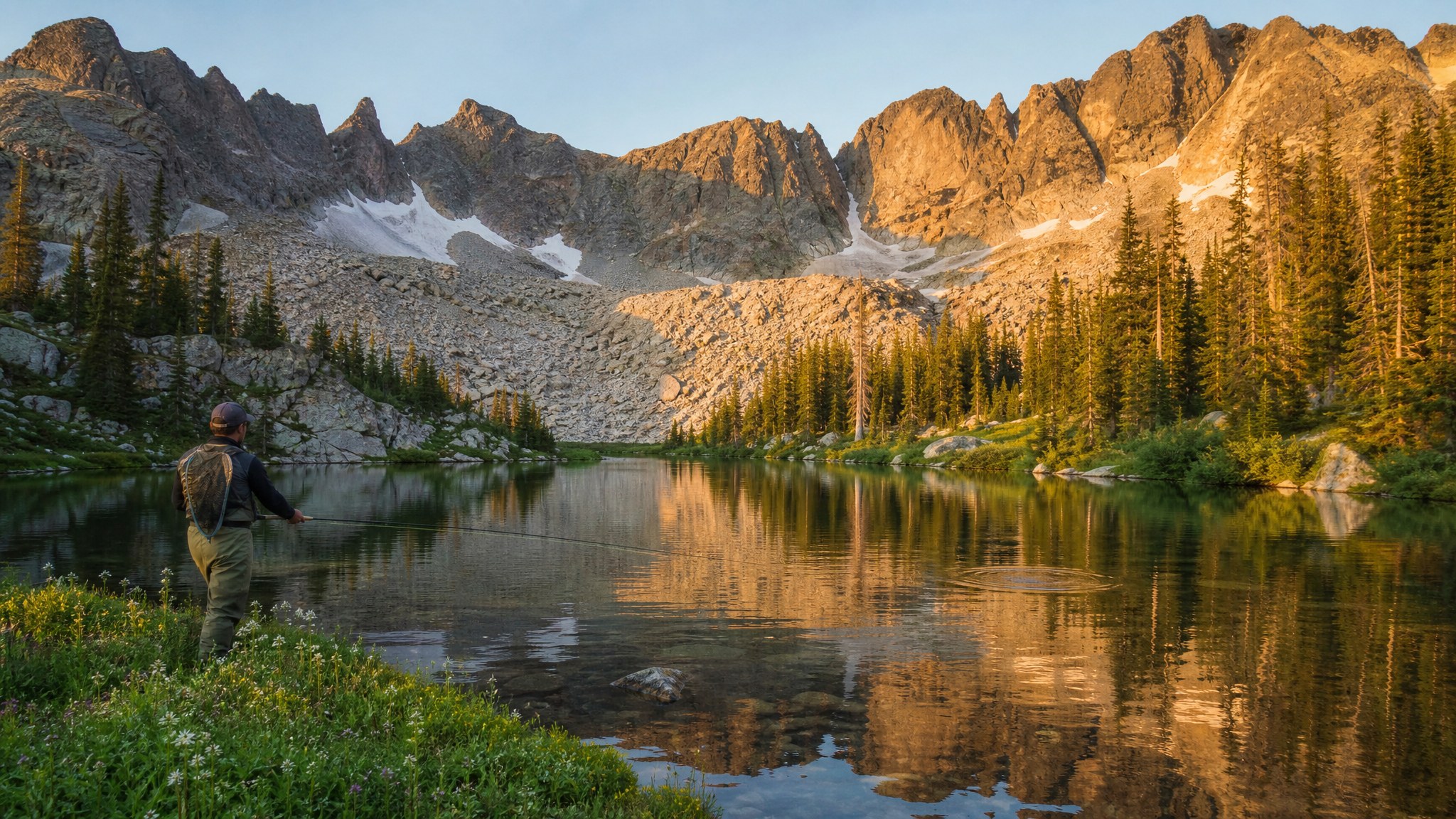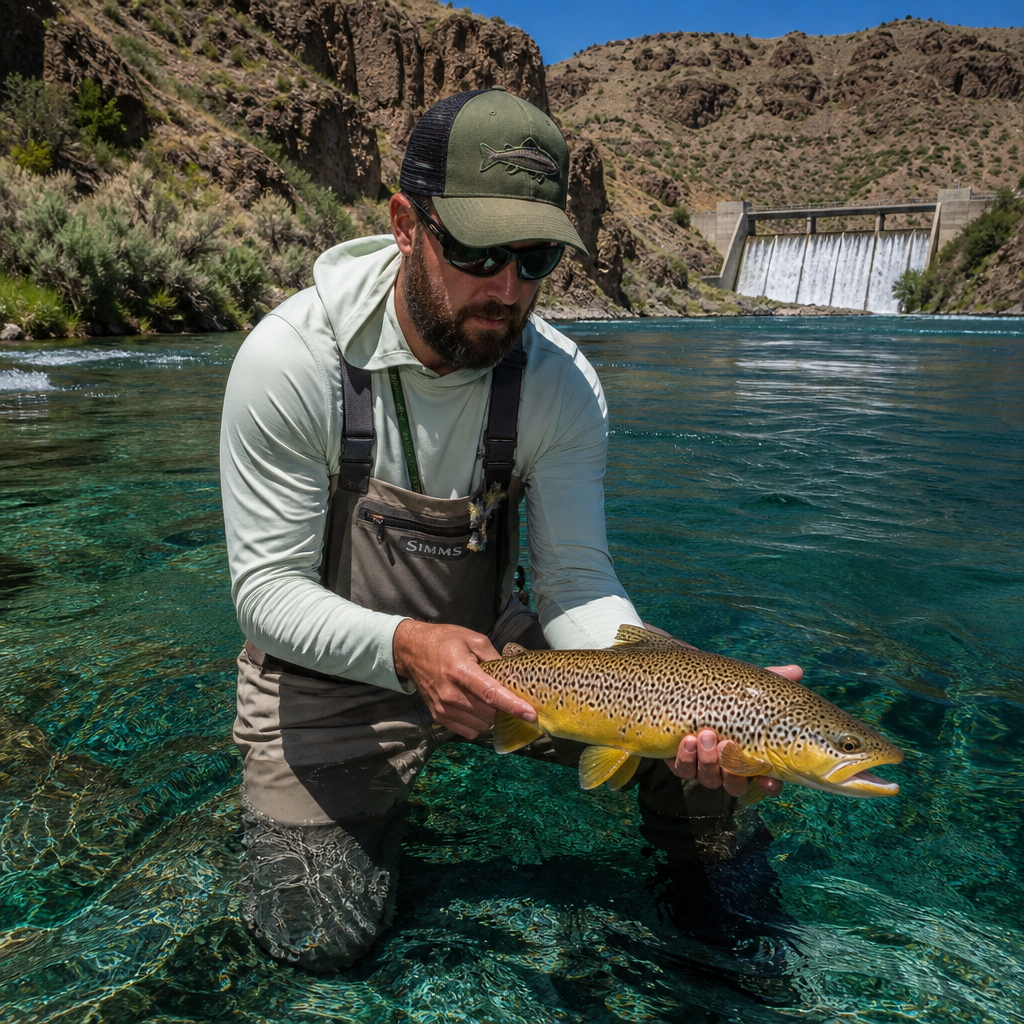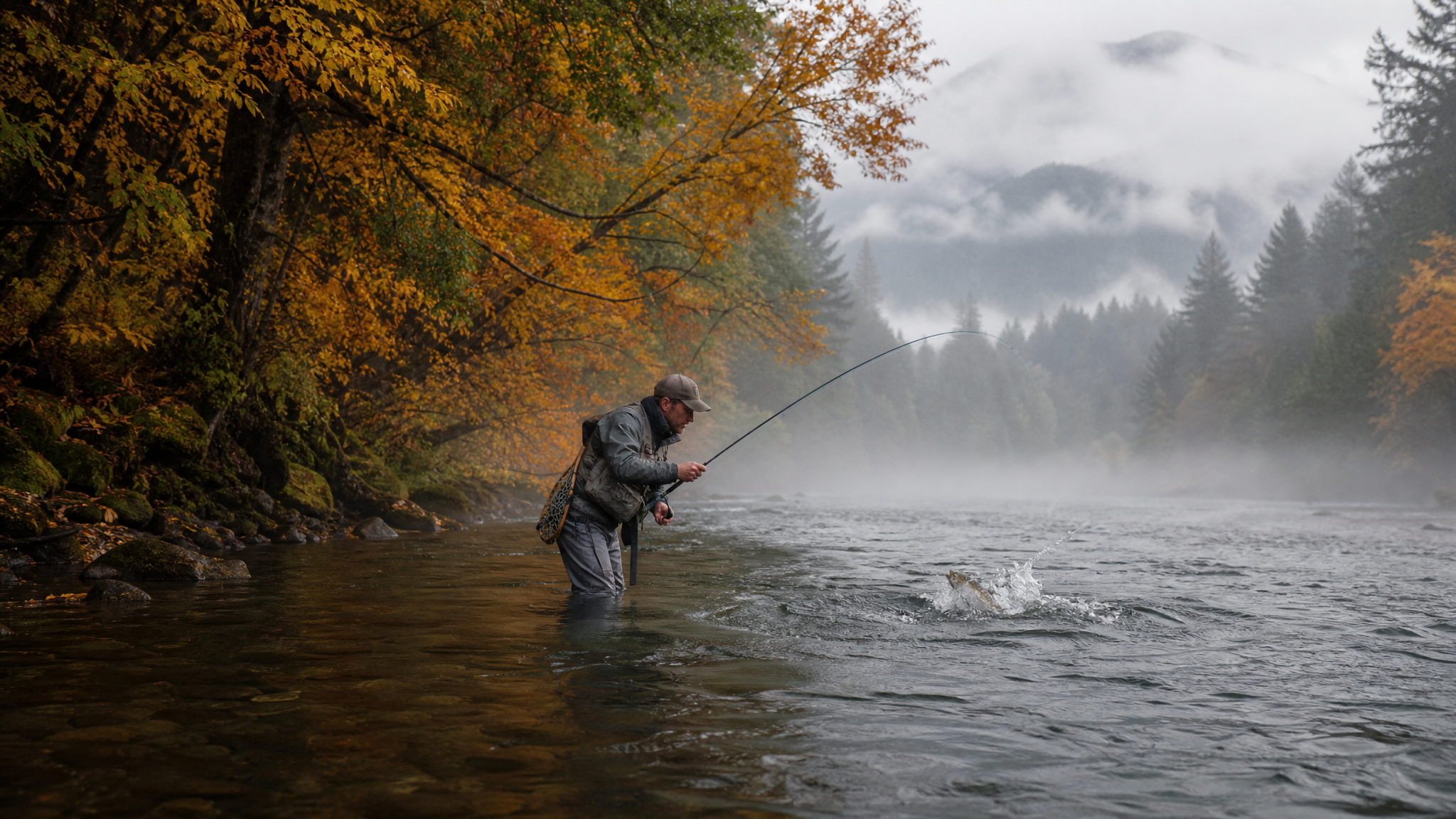
Most Portland-area anglers think you have to drive to the coast or up to the Sandy to find serious fall steelhead. They're leaving fish on the table. The Clackamas River, running north out of the Mount Hood National Forest and joining the Willamette just south of Portland, carries a legitimate run of both hatchery and wild winter steelhead that begins staging in late September and peaks through October and November. If you're willing to walk and read water, you don't need a drift boat.
Understanding the Clackamas Fall Run
The Clackamas system sees returns of hatchery winter steelhead from the North Fork Clackamas Hatchery, with wild fish supplementing the run throughout the system. While the North Fork above Big Creek holds the biggest numbers during peak season, the lower and middle river — from Barton to Carver — offers excellent bank access and wading opportunities that get overlooked by drift boat anglers focused on the Sandy or Wilson.
Fish start moving into the lower river after the first significant rain events of fall, typically in late September. By mid-October, you'll find steelhead stacked in holding water throughout the river. Water clarity is everything — after a big flush, give the river two to three days before committing to a wade trip.
Key Access Points
- Barton Park (RM 14): The best all-around access point on the lower river. A large gravel bar downstream of the boat ramp gives bank anglers room to work a long run. The tail-out above the park produces fish on low, clear flows.
- McIver State Park (RM 17): Multiple access points and a long gravel bar on the south bank. The slot below the island here holds fish from October through December. Expect company on weekends.
- Milo McIver to Carver (RM 17–22): The most productive wade stretch for experienced anglers. Access via the Clackamas River Trail or informal pullouts on SE Metzler Park Road. The canyon section runs deep, so wait for lower flows — aim for under 1,500 CFS at the Estacada gauge.
- Bob's Hole, North Fork (RM 34+): After turning up the North Fork above Estacada, serious hatchery fish stack in the deep slots above Timothy Lake. This is fall steelheading at its most consistent — expect crowds but expect fish.
Techniques That Produce
Float and Jig
This is the most versatile approach for the Clackamas' varied water types. Rig a 5/8 to 3/4 oz float under a 3/0 or 4/0 Owner Mosquito hook tipped with a 1/4 oz marabou jig in cerise, pink, or white. Adjust float depth so your jig ticks bottom through the slot. Work upstream and across, mending to keep a natural drift through the bucket. The Clackamas' steelhead are not particularly leader-shy — 12 lb fluorocarbon is standard.
Side-Drifting from the Bank
When you can't get angle on a run, a tight-line drift with a chunk of cured eggs or a sand shrimp wrapped in spawn netting will get the job done. Use 3/4 to 1 oz of lead, 20-lb main line, and 10-12 lb fluorocarbon leader. This approach shines in the deeper tailouts at McIver when the water is pushing hard after rain.
Swinging Flies
The Clackamas doesn't get the fly fishing attention of the Deschutes or North Umpqua, which means you'll often have prime swing water to yourself. A type 3 or type 6 sink tip with a 3–4 foot fluorocarbon leader and an intruder-style pattern in chartreuse or purple will move fish on the right days. The long flat above Bob's Hole on the North Fork is a textbook swing run.
Gear and License Requirements
Oregon requires a valid fishing license plus a Combined Angling Tag (CAT) to keep hatchery steelhead on the Clackamas. Wild steelhead must be released. Check ODFW's weekly fishing reports and the Clackamas River flow gauge (USGS gauge #14211010 at Estacada) before every trip. The river can blow out fast after coastal storms — 2,500 CFS is about the upper limit for wade fishing; above that, hit a different drainage.
A 9-foot 8-weight fly rod or a 10-foot 6 to 8 lb spinning setup will handle the full range of Clackamas conditions. Studded boots are worth the investment on the slippery algae-covered boulders through the canyon section.
What to Expect This Fall
ODFW hatchery returns have been strong on the Clackamas in recent years. With a solid snowpack feeding the river through summer, early fall water temperatures should be ideal for fish moving upriver aggressively. If the first rains hit in late September as predicted, expect fishing to turn on fast through October. Mark your calendar and beat the crowds by getting on the water mid-week.