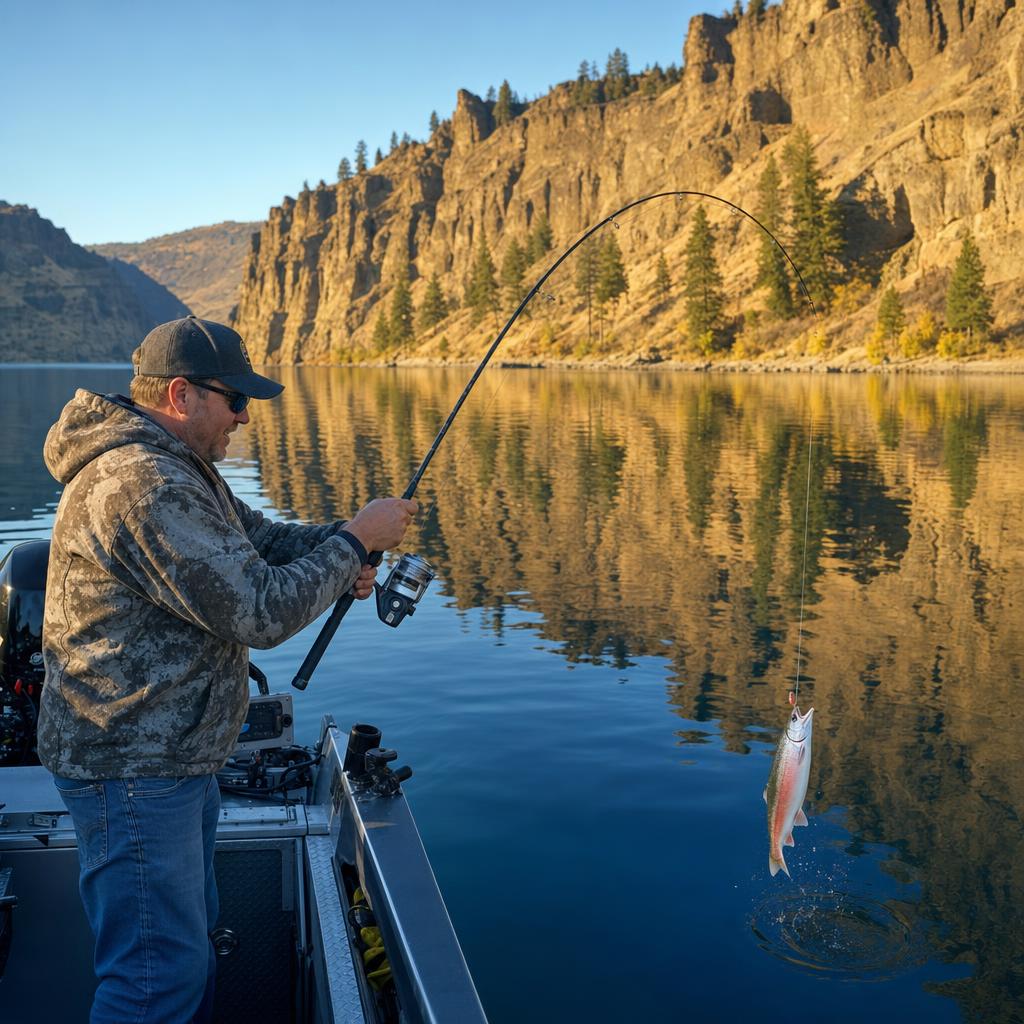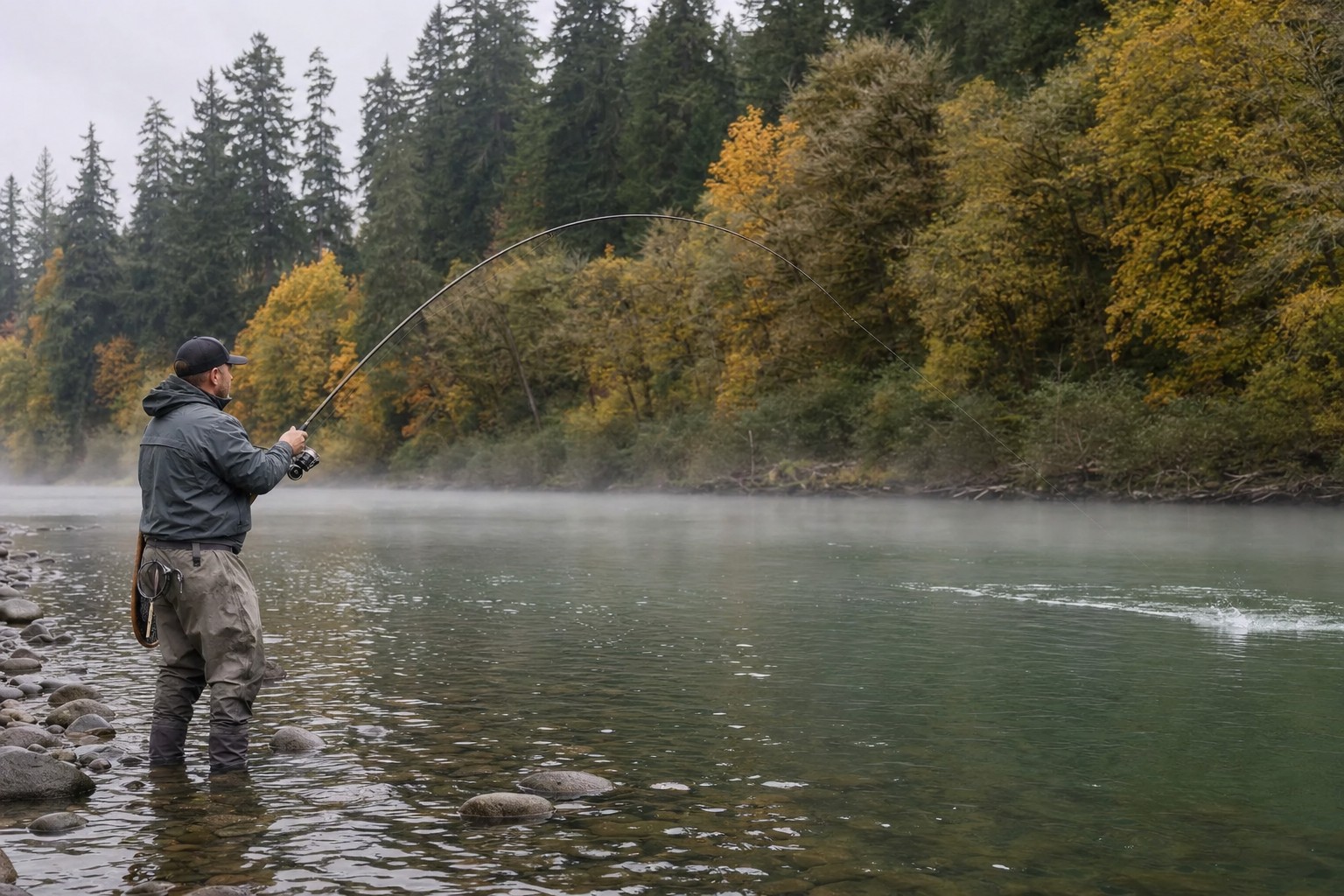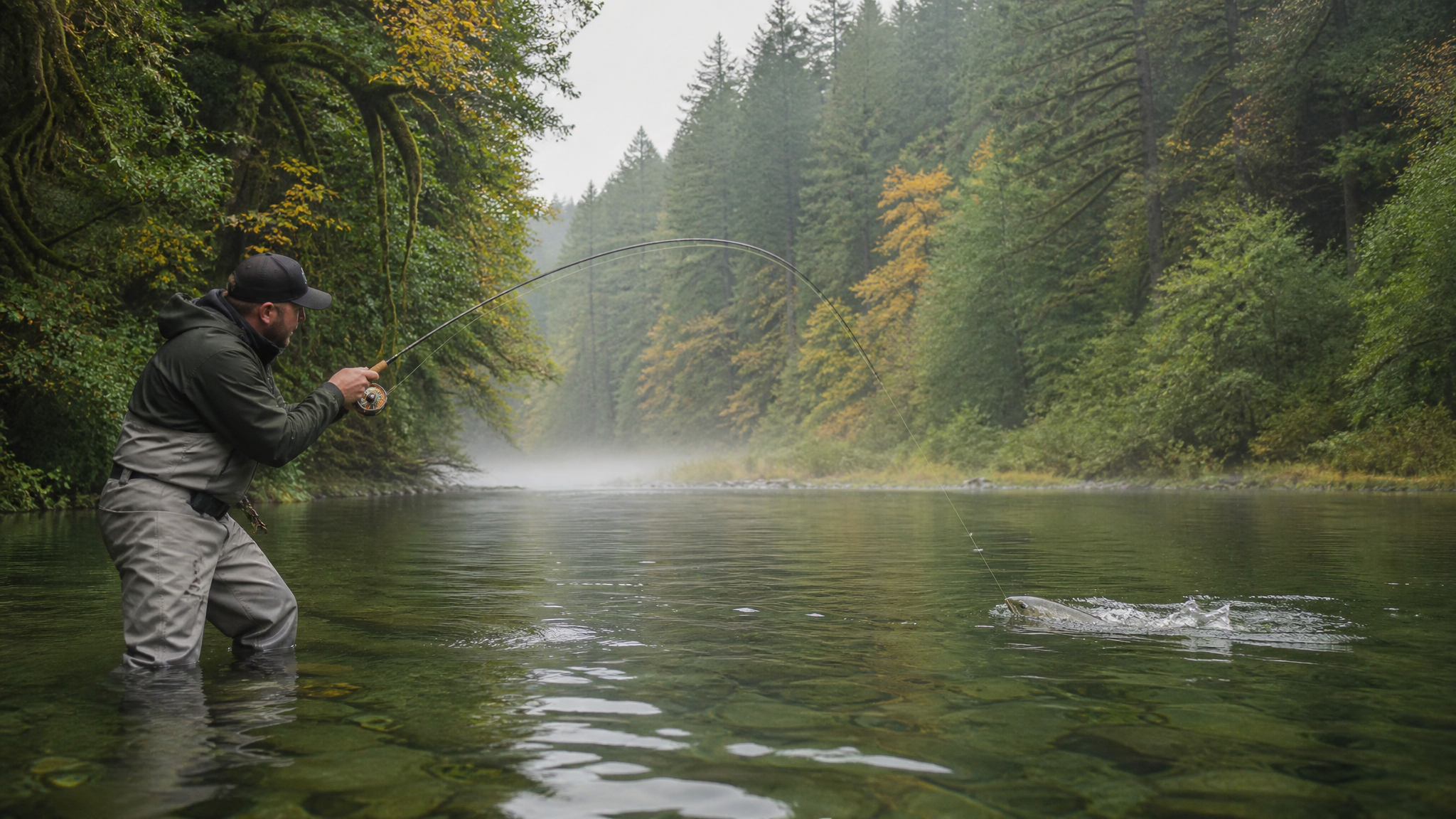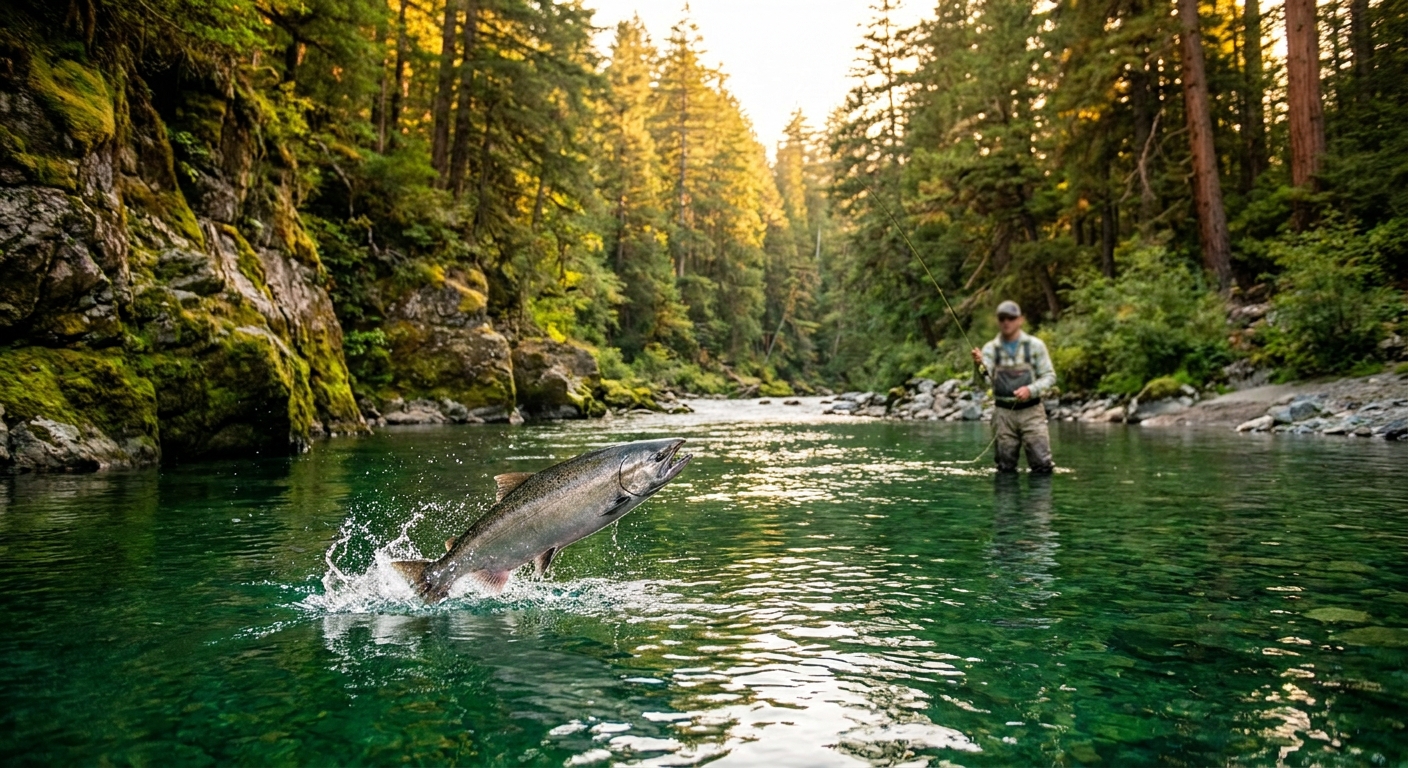
For Oregon anglers, 2024 marked a watershed moment — literally. The removal of four dams on the Klamath River, including Iron Gate and Copco 1 and 2, opened up approximately 400 miles of river to migrating salmon and steelhead for the first time in over a century. Two years later, the river is recovering faster than many biologists predicted, and fall 2026 looks to be a genuine opportunity for anglers willing to explore new water.
The History and What Changed
The Klamath River originates in southern Oregon's Klamath Basin and flows southwest into Northern California before emptying into the Pacific near Klamath, CA. For generations, the river's lower reaches were legendary steelhead and salmon waters — but dam construction beginning in the 1910s severed access to the upper watershed. Iron Gate Dam, the lowermost of the four removed structures, had blocked fish passage at river mile 190 since 1964.
Dam removal was completed in 2024 after decades of advocacy from the Karuk, Yurok, and Klamath Tribes, along with fishing groups and conservation organizations. What followed was one of the most closely watched ecological recoveries in Pacific Northwest history.
What Oregon Anglers Are Seeing in 2026
The fish are returning. Coho salmon, Chinook salmon, and steelhead have been documented moving into portions of the upper river that haven't seen a salmon in living memory. The Oregon Department of Fish and Wildlife (ODFW) and the California Department of Fish and Wildlife (CDFW) are monitoring returns closely, and early 2026 data shows expanding run distribution.
- Fall Chinook: The workhorse of the Klamath run. Fall kings begin entering the river from August through October. Lower river access from the Klamath estuary near Klamath, CA, and through the middle river corridor remains the primary fishery.
- Coho Salmon: Coho returns to the Klamath have been improving steadily. Oregon's portion of the system — particularly the upper Klamath and Sprague River — is beginning to see exploratory coho movement.
- Winter Steelhead: Winter-run steelhead have historically been the crown jewel of the lower Klamath. Expect expanding winter runs as habitat upstream of the former dam sites continues to restore.
Where to Fish on the Oregon Side
Oregon's legal and accessible Klamath River fishery is concentrated in the upper basin — the main stem Klamath above Keno, along with major tributaries including the Sprague River, Williamson River, Wood River, and Lost River system. These waters hold resident redband trout and increasingly, migratory fish as the drainage heals.
Upper Klamath Lake and Tributaries
The Williamson and Sprague Rivers, which flow into Upper Klamath Lake, are traditional strongholds for trophy redband trout. As migratory salmon begin recolonizing the upper basin, these rivers could see supplemental returns in coming seasons. Check ODFW regulations carefully — much of the Williamson near Chiloquin is fly-fishing-only with special restrictions.
Klamath River Below Keno Dam
The stretch from Keno downstream into California is Oregon's most direct connection to the recovering lower river. Fishing pressure here is lower than equivalent California access points. Bait regulations and seasonal closures vary — always verify current ODFW regs before making the drive.
Gear and Tactics for Klamath River Salmon
The Klamath fishes similarly to other Southwest Oregon coastal systems — a medium-heavy 8.5 to 9.5-foot rod rated for 15–25 lb test, paired with level-wind or spinning gear, handles most situations. For bank fishing, back-bouncing roe or sand shrimp through deeper runs is a proven producer. Drift fishermen working the middle river have found consistent success with spinners and plugs.
- Roe: Cured salmon or steelhead eggs in red or orange mesh bags remain the top Klamath bait. Cure with BorX O Fire or Pro-Cure for firmer eggs with more scent.
- Spinners: Blue Fox Vibrax #4–#5 in chrome/orange or gold/red. Work them on a slow swing through the tailout of pools.
- Plugs: Mag Lip 4.5 and Kwikfish K14-K16 in metallic finishes when water clarity is good. Darker finishes in off-color water.
- Fly: Swung Intruder-style patterns or large Woolly Buggers for steelhead. The Klamath isn't a classic dry-fly river — get the fly down to fish level.
Oregon Regulations and Licensing
If you're fishing the Oregon portion of the upper Klamath system, you need a valid Oregon fishing license and Combined Angling Tag (for salmon and steelhead). The California portion of the river requires a California license — if you plan to fish the lower river near the estuary, purchase a California non-resident license in advance. ODFW and CDFW coordinate on Klamath regulations, but rules differ by section and can change mid-season based on run returns. Always check myodfw.com before you go.
The Road Ahead
Ecological recovery takes time. Habitat in the former reservoir beds is revegetating, gravel beds are being flushed clean by natural flows, and salmon are doing what they have always done — finding their way home. Oregon's contribution to this recovery is partly regulatory stewardship, partly watershed restoration, and partly just staying out of the way while one of the West's great rivers heals itself.
For the Oregon angler, the Klamath represents an emerging opportunity — not a fully developed trophy fishery yet, but a front-row seat to one of the most remarkable conservation stories in American outdoor history. Get in early. The fish are coming.