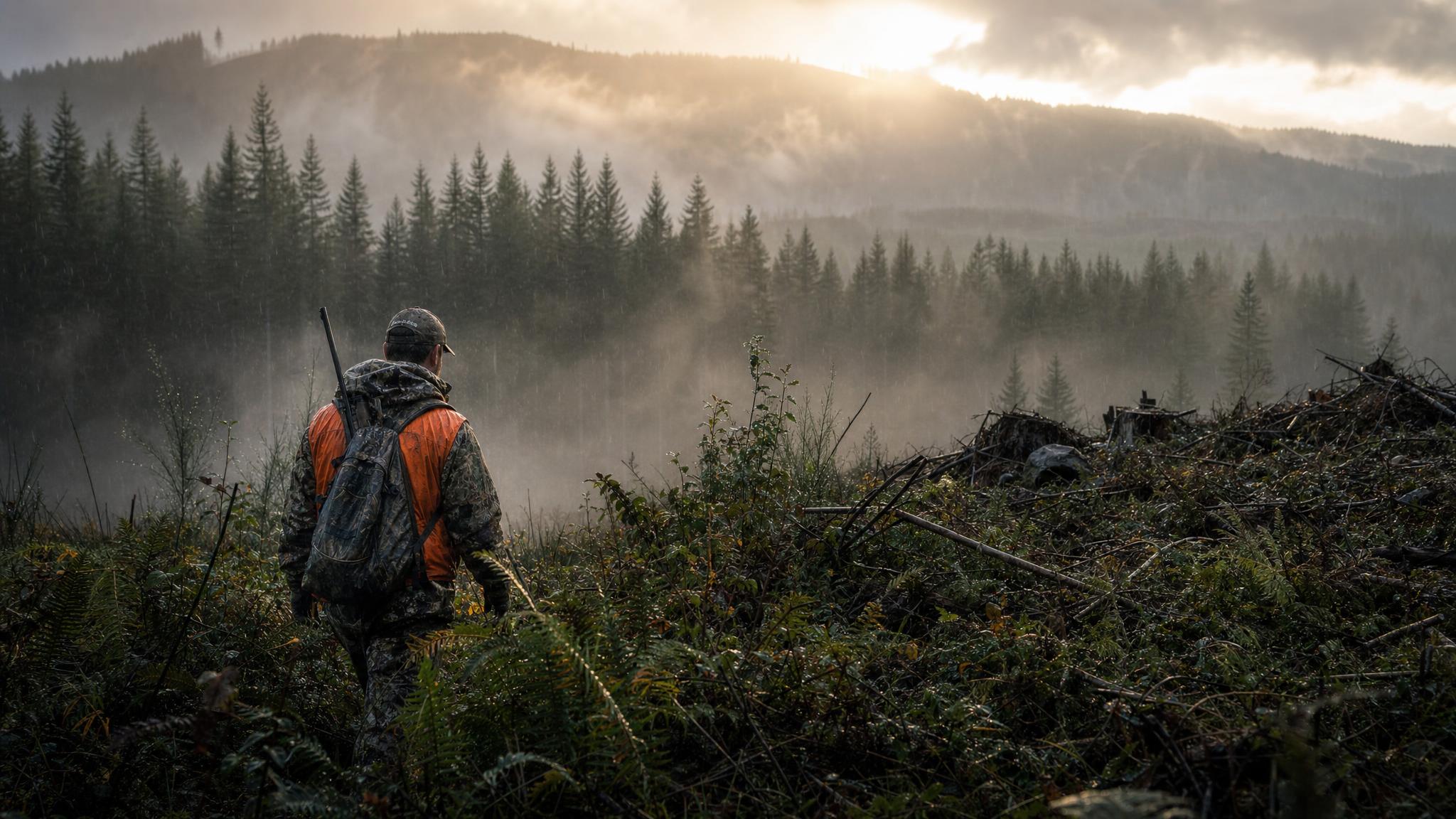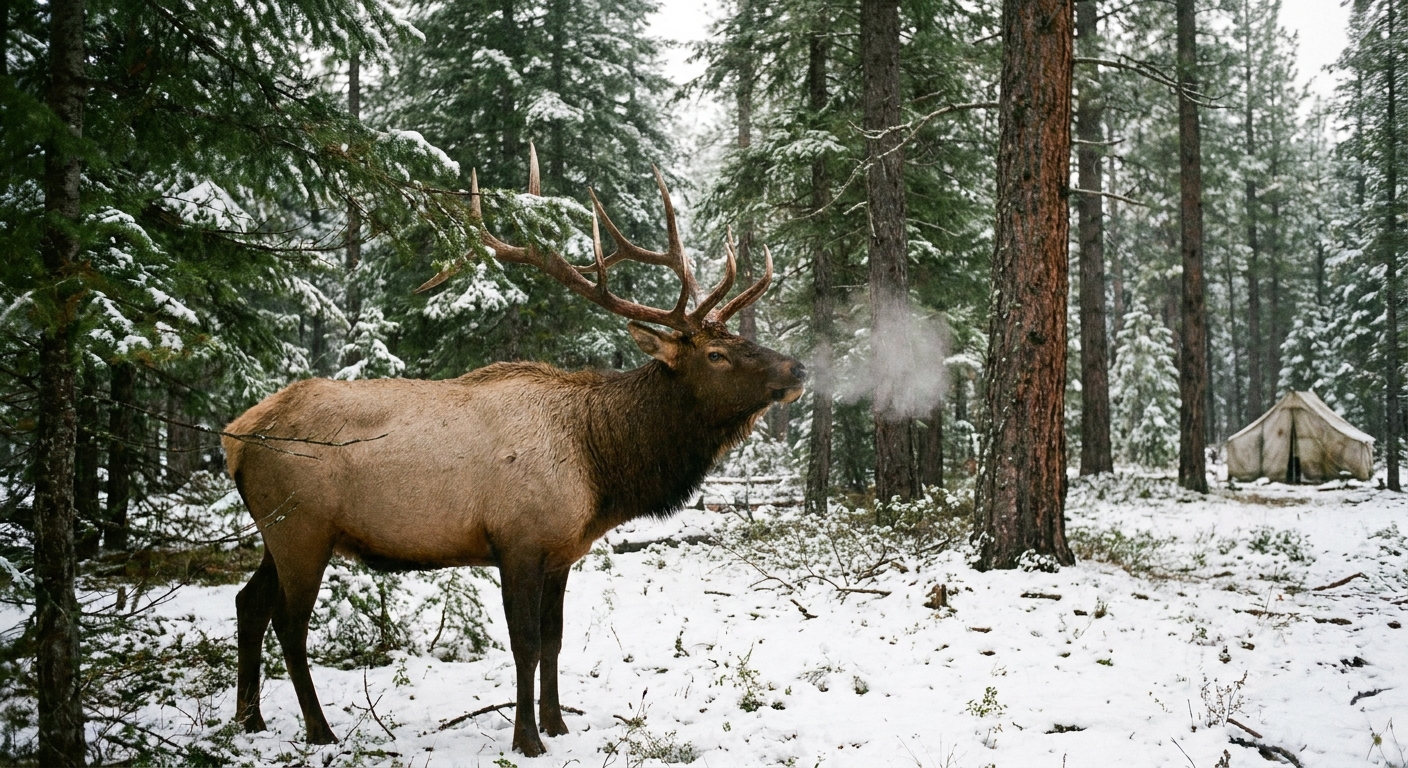
The bugling is long over. The crowds that packed into Unit 74 during the archery opener have gone home. The muzzleloader hunters have tagged out or packed up. Now it's November, the snow is moving in, and Oregon's rifle elk seasons are either underway or just closing — and the elk are entering one of the most behaviorally predictable phases of their year. For the hunter willing to put in hard miles in cold conditions, late-season elk hunting on Oregon public land can be some of the most effective hunting of the year.
Understanding Post-Rut Bull Behavior
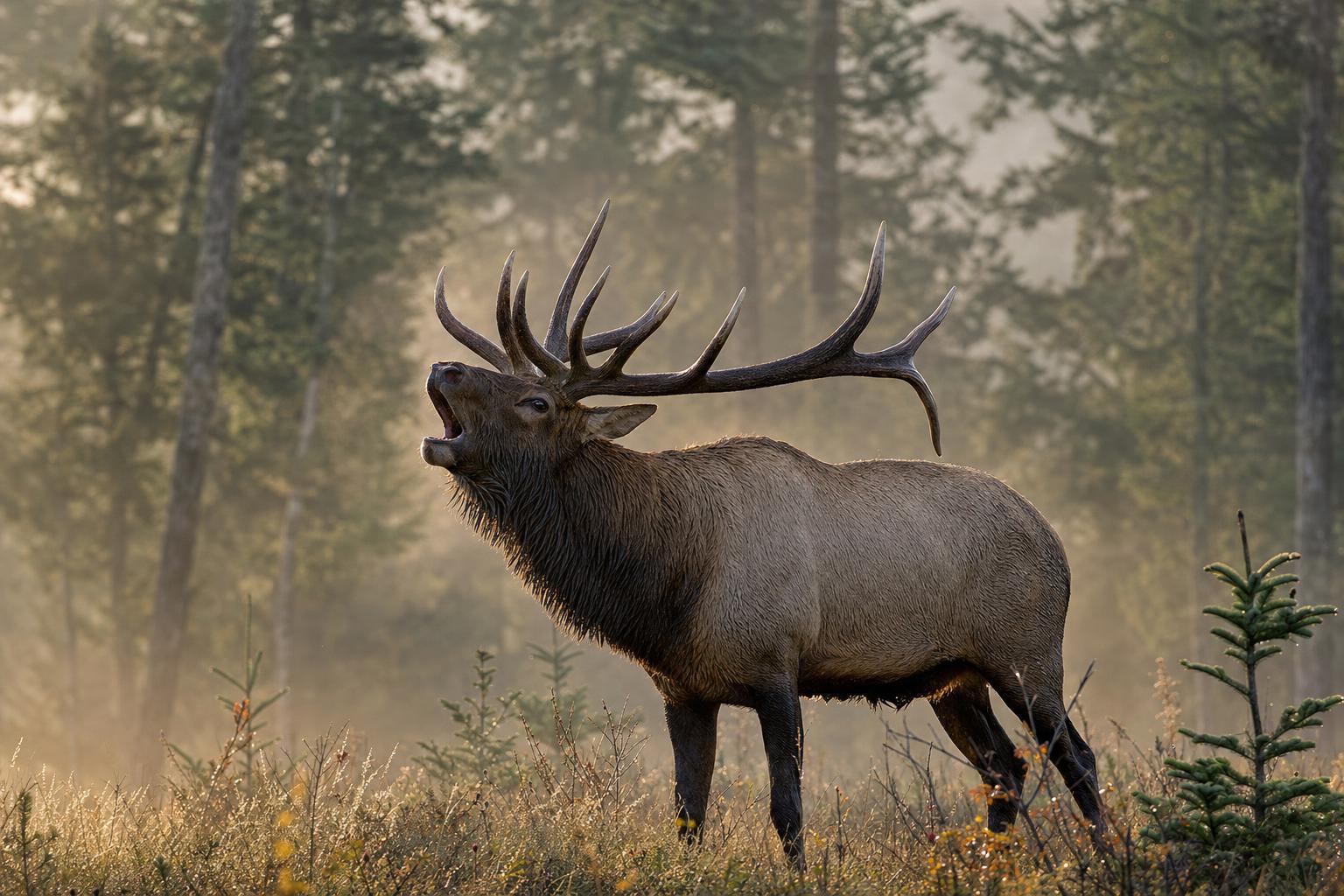
After the rut winds down in late September and early October, bulls enter a recovery phase. They've burned significant fat reserves breeding cows and fighting rivals, and their singular focus shifts to feeding. A mature bull in early November is a different animal than the territorial bugler you hunted in September — he's quieter, more deliberate, and increasingly focused on high-calorie forage as winter approaches.
The good news: predictable feeding behavior is huntable behavior. Late-season bulls aren't covering miles of country chasing cows. They're working between bedding areas and food sources in patterns you can figure out with a few days of glassing.
Where Bulls Go After the Rut in Oregon
Elevation Drops and South-Facing Slopes
As the first major weather systems arrive in October and November, elk begin their annual downslope migration. In the Blue Mountains — Units like Starkey, Ukiah, and Heppner — this means bulls that spent September above 5,000 feet start working into the 3,500–4,500 foot elevation band where forage remains accessible and thermal cover is dense. In the Cascades, a similar pattern holds on the east slope.
South-facing slopes warm faster and shed snow first, making them preferred feeding areas on cold mornings. Glass these slopes hard at first light — feeding bulls are visible at range, often lingering well past sunrise during cold, clear November days.
Agricultural Edges and Private-Public Boundaries
Late-season elk have a gravitational pull toward any remaining green feed. In northeastern Oregon, this means winter wheat fields and hay meadows adjacent to public land become elk magnets. You can't hunt private land without permission, but you can legally take an elk on the public side of the line if it steps across. Trespass for any reason is never acceptable — scout the boundary carefully on onX and know exactly where you can and cannot go.
Dense Thermal Cover
Once pressured by November rifle seasons, bulls retreat into the nastiest, thickest lodgepole and spruce pockets they can find. In the Wallowas and Blues, this often means drainages that require a 3-4 mile hike just to reach. The hunters who go there — and go quietly — find undisturbed elk. The hunters who drive roads looking for easy opportunities don't.
Late-Season Tactics That Work
Spot and Stalk from High Glass
This is the most effective late-season method in open country. Gain elevation early, glass feeding areas until you find a bull, then execute a careful stalk using terrain to stay out of sight. Cold November air is dense and carries scent aggressively — always approach from downwind, even if it adds significant time to your stalk.
Still Hunting Timber Pockets
In the heavy timber of the Coast Range and western Cascades, where Roosevelt elk dominate, still hunting and drive tactics are more practical than glassing. Move slowly — one careful step at a time — into the wind, stopping frequently to listen and look. Midday, when elk are bedded, is often better than dawn for timber still hunting.
Calling in November
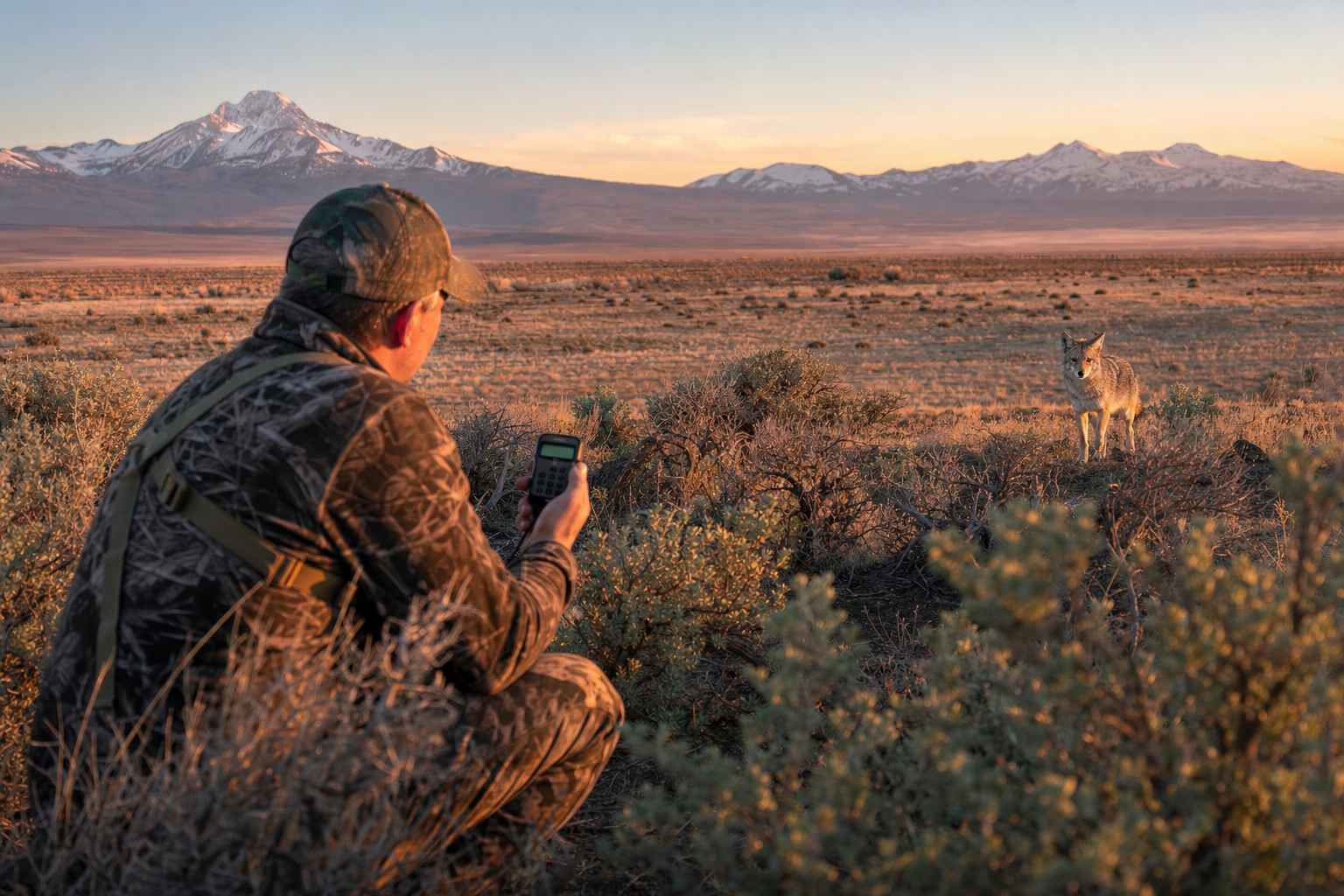
Don't completely abandon the call. While aggressive bugling is counterproductive post-rut, cow calls still work. A soft mew or cow chirp can pull a curious bull out of cover when nothing else will. Keep it subtle — late-season elk have been called to and shot at. Soft, infrequent calling sounds natural. A frantic sequence sounds like trouble.
Key Oregon Late-Season Units
- Starkey (Unit 52): Northeast Oregon's powerhouse unit. Late rifle season runs into November with significant bull populations. Access via Forest Road 21 off Hwy 244.
- Mt. Emily (Unit 55): Adjacent to the Grande Ronde drainage. Bulls drop into the canyon edges post-rut. Less pressure than Starkey.
- Alsea (Unit 10): West of Corvallis in the Coast Range. Roosevelt elk. Dense timber hunting — a brush gun and patience required.
- Dixon (Unit 64): Southern Blue Mountains, Malheur National Forest. Late seasons can see major elk concentration as snow pushes animals down.
Gear for November Oregon Elk
Temperature management is critical. Late-season Oregon elk hunting means swinging between 15°F predawn conditions and 40°F midday temps. Layer aggressively — merino wool base, insulated mid-layer, and a waterproof-breathable outer shell that packs small. Your boots need to be insulated and fully waterproof. Cold, wet feet end hunts early.
- Rifle: A flat-shooting cartridge capable of 300+ yard shots is ideal for open country — .30-06, .300 Win Mag, 7mm Rem Mag, or 6.5 Creedmoor will all handle elk cleanly with quality controlled-expansion bullets.
- Optics: 10x42 binoculars minimum, preferably 10x50 or 15x56 for extended glassing in flat November light. A quality spotting scope (65-85mm) matters when you're trying to judge a 400-yard bull across a basin.
- Pack: Bring enough pack to carry meat. If you kill a bull solo five miles from the trailhead in November, you'll need a meat-capable pack frame and multiple trips. Cold temperatures are your friend for meat care — use them.
Meat Care in Cold Weather
One of late season's biggest advantages is natural refrigeration. With overnight temps in the 20s and 30s, a properly field-dressed elk will keep well — but don't get complacent. Quarter the animal and get meat hanging in the shade as quickly as possible. Warm afternoons can still spoil exposed meat on a sun-exposed slope. Game bags are non-negotiable.
Late-season hunting in Oregon is a test of physical fitness, patience, and persistence. The bulls are there. The hunters willing to push through cold mornings and difficult terrain when everyone else has gone home are the ones who fill their tags. Put in the work — the freezer at the end justifies every hard mile.