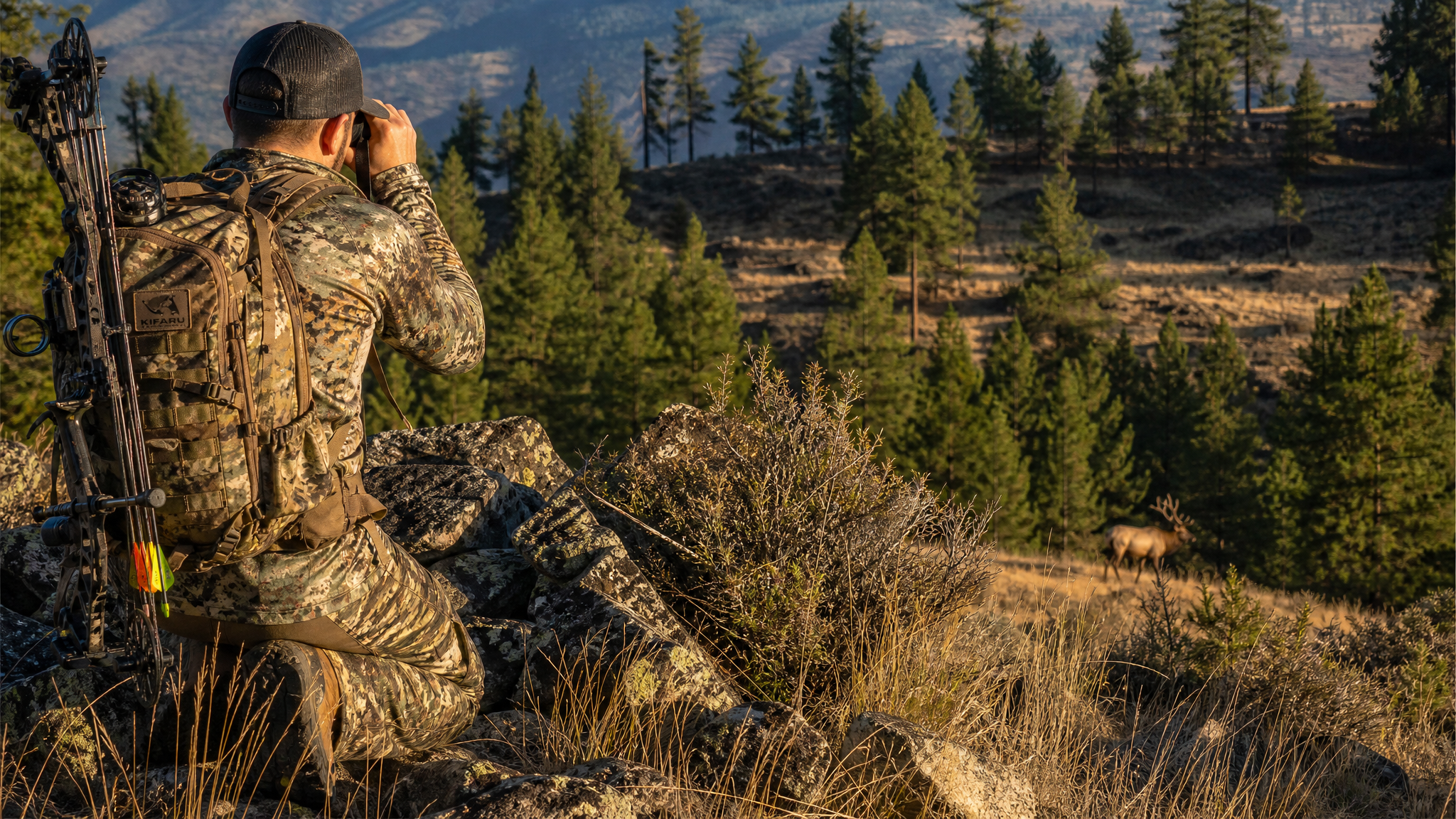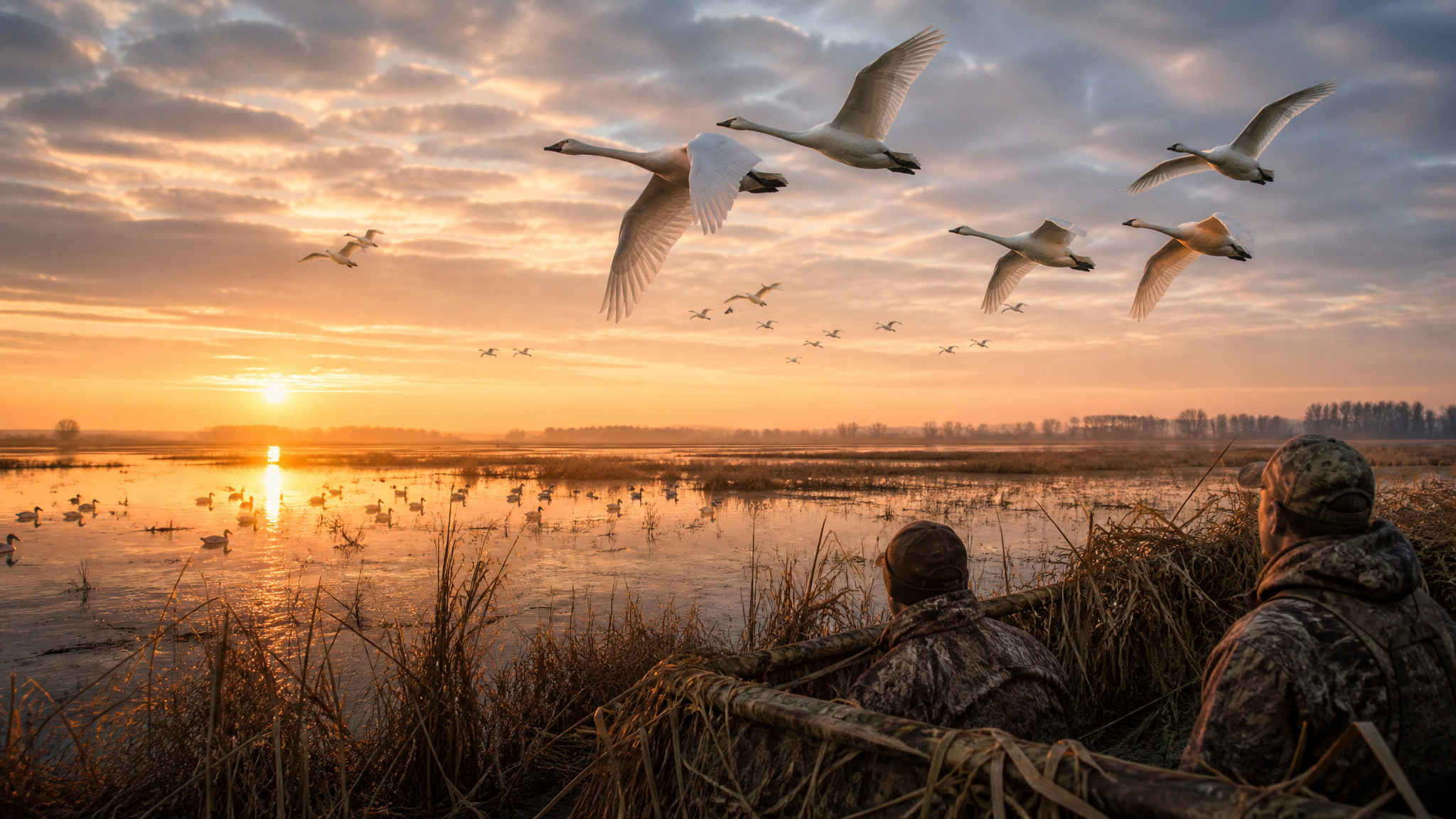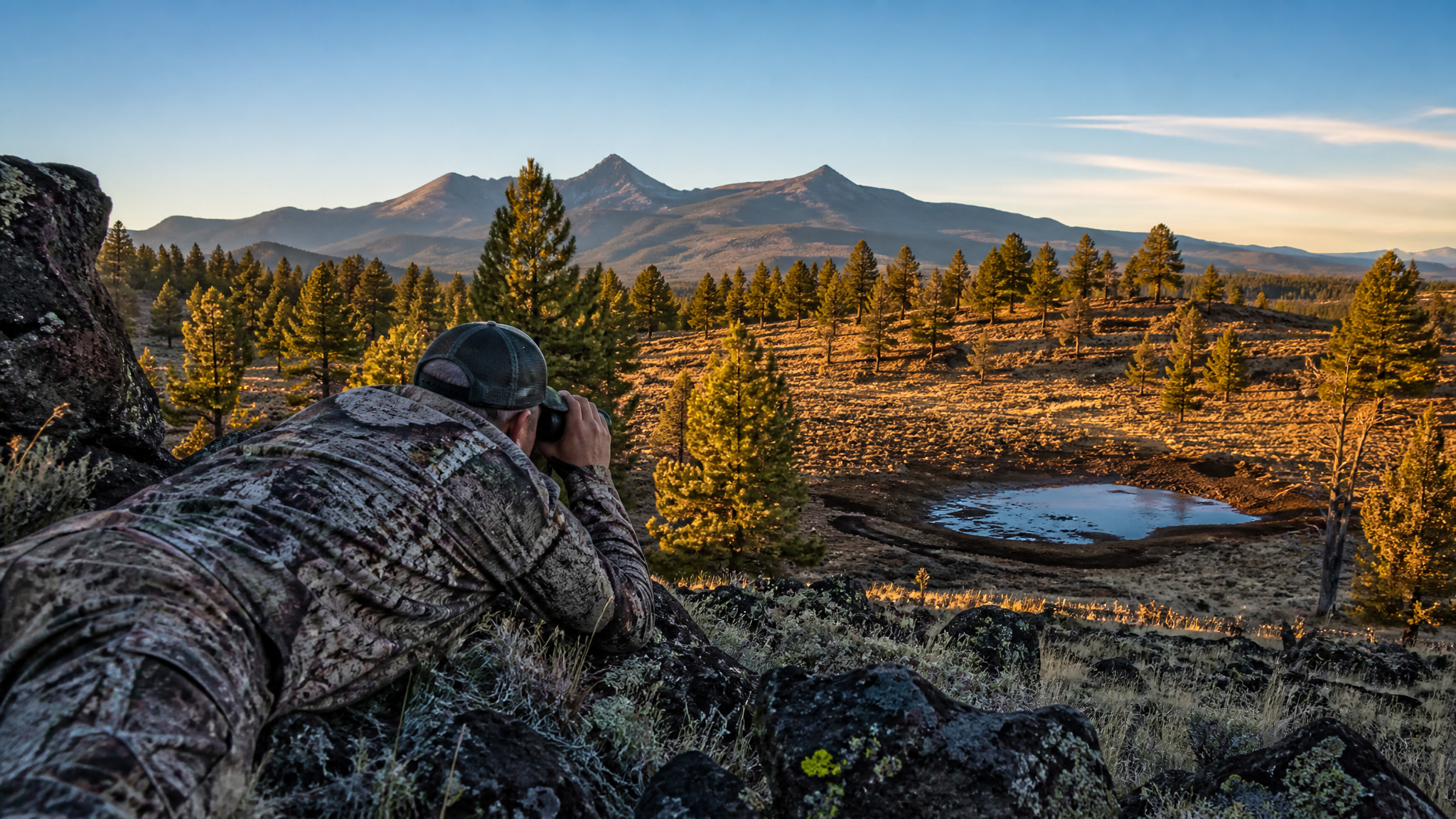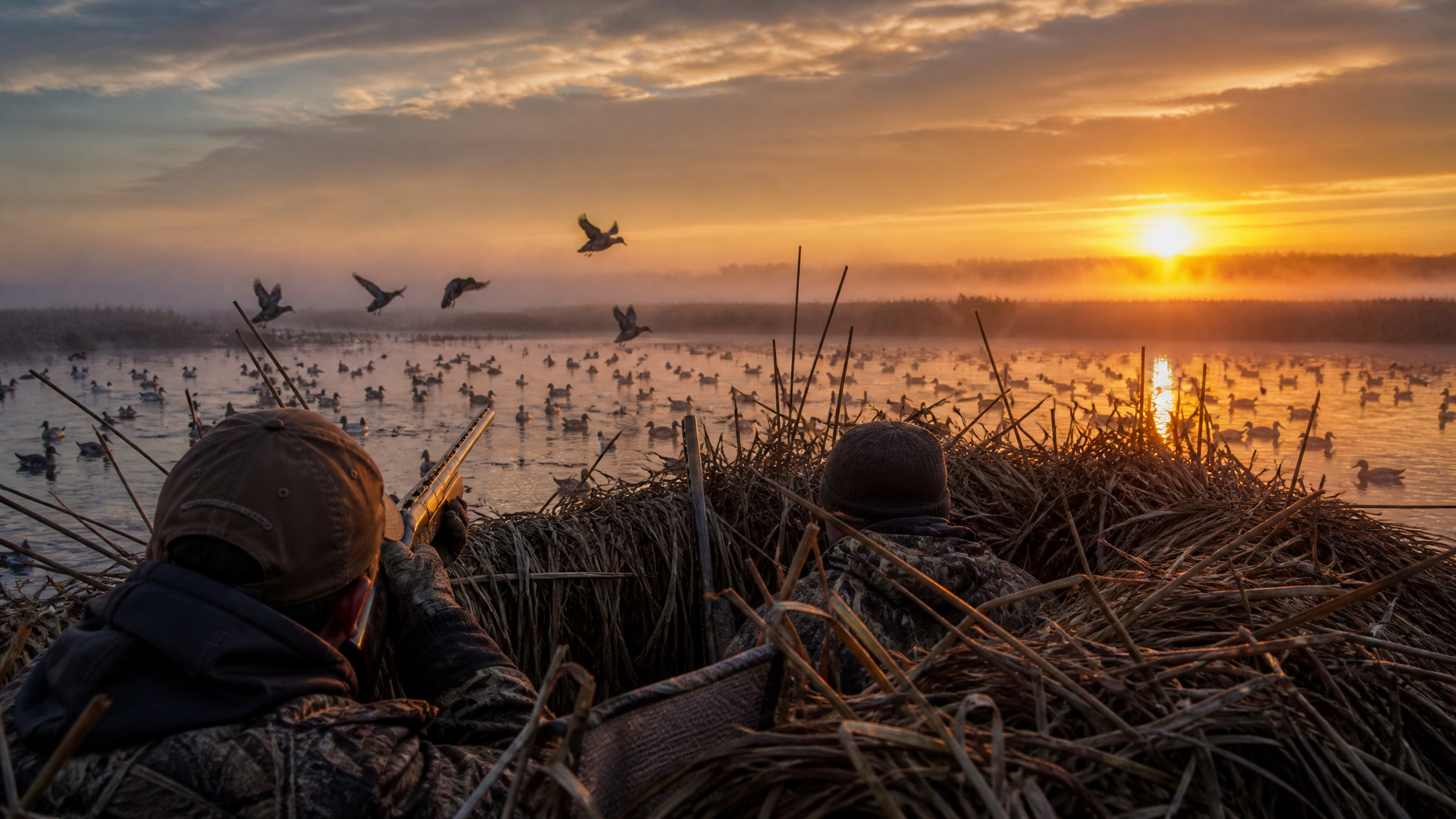
The general Oregon duck season opener typically falls in late October, and August is when serious waterfowlers get their work done. The hunters who kill birds consistently on opening day are not the ones who show up the night before and hope for the best — they are the ones who scouted in August, hung their blind in September, and had their decoys washed and rigged before the first real cold front pushed birds out of Canada. This is the time to get ahead of it.
Know Where You are Hunting Before October
Oregon's best duck hunting is on the Pacific Flyway — a migration corridor that funnels birds from Alaska and Canada down through the Willamette Valley, the Klamath Basin, and the Columbia River system. The specific spots that produce consistently year over year are not secret — they are just worked hard by hunters who put in the scouting time.
Top Public Land Opportunities
- Sauvie Island Wildlife Area: Oregon's crown jewel for accessible public waterfowl hunting. The seasonal ponds and Columbia River sloughs hold mallards, wigeon, and teal. Blind sites are assigned by lottery — enter by early October or you will be walk-in hunting.
- Fern Ridge Wildlife Area (Eugene): Excellent mallard hunting once the season progresses and birds start concentrating on standing water. The West Lake unit produces well.
- Klamath Basin WMAs: Tule Lake, Lower Klamath, and Klamath Marsh are among the most productive waterfowl marshes in the entire Pacific Flyway. The sheer volume of birds that stage here in October-November is staggering. Learn the walk-in zones early — the best spots go first.
- Columbia River sloughs (Portland metro area): Numerous public access points along the Columbia hold resident mallards and early migrant birds. Scout from a kayak in September to identify feeding flats and loafing areas.
- Malheur National Wildlife Refuge: High desert duck hunting at its finest. Canada geese, mallards, and diving ducks concentrate here when other areas freeze.
Building a Decoy Spread That Works
Too many hunters overthink their decoy spreads and end up with a massive, static blob that does not move, does not look right, and flares birds at 200 yards. Oregon duck hunting — especially early season — rewards hunters who use motion and realistic spreads over sheer decoy volume.
Early Season (October Opener)
Start small and mobile. 18-24 decoys is plenty for most Oregon marshes and flooded fields in October. Birds have not been pressured yet and they will commit readily to a tight, realistic spread. Focus on:
- 6-8 mallard drakes and hens in a feeding/loafing configuration
- 4-6 wigeon or pintail to add species diversity — early migrants mix heavily
- 2 spinning wing decoys (Mojo or Flapper style) positioned on the downwind edge of the spread
- 2-3 confidence decoys (Canada geese, if legal on your unit) give birds a reason to commit
Leave a landing hole — a clear 15-20 foot gap in front of your blind where birds can cup and drop. Most hunters crowd their spread too tight. Give birds room to work in, and they will.
Late Season (November-January)
Pressured birds need bigger spreads and more realism. Scale up to 48-60 decoys, add jerk rigs or surface agitators for ripple motion, and cut back on spinners — late-season mallards will flare from spinning wings they have seen all season. Use high-quality shell decoys in realistic paint schemes rather than cheap foam floaters.
Blind Setup Fundamentals
Your blind should disappear into the landscape by September — not October 15th. Birds that stage through your area before the season opens will pattern your blind as a structure and avoid it if it looks wrong. Here is how to do it right:
- Face it right: Blind always faces into the prevailing wind. Ducks land into the wind, which means they will be working toward you when they are in range.
- Break the outline: Use locally-sourced vegetation — the same cattails, phragmites, or tules growing around your site. Synthetic brushing materials look different and birds notice.
- Get low: Profile blinds that sit at or below water level are far more effective than tall walls. If you are visible from 300 yards at eye level, you are too tall.
- Brush it in stages: Add vegetation in August, then re-brush in October before it browns out and looks different from the surroundings.
Calling for Oregon Ducks
Oregon mallards hear calling pressure all season. Over-calling is a bigger problem than under-calling for most hunters. Learn to read bird body language:
- Birds circling high and looking: Hit them with a loud, greeting hail call — 5 to 7 notes, descending. Get their attention and make them commit to checking out the spread.
- Birds swinging wide: Stop calling. Let them see the decoys. Resume with soft quacks and feeding chuckles when they start turning toward you.
- Birds locked up and dropping: Shut up. A few soft feeding chuckles at most. Do not talk them out of committing.
Steel Shot Patterns — Know Your Gun
Oregon requires non-toxic shot for all waterfowl — no exceptions. If you have been shooting lead at the range all summer, steel patterns differently and you need to know how your gun performs before opening day. Pattern your gun at 30 and 40 yards with the loads you plan to hunt. Steel shot requires a more open choke than lead — typically improved cylinder or modified, not full. Check your choke markings; older fixed-choke guns may not be rated for steel and can be damaged.
For most Oregon duck hunting situations, 3-inch shells loaded with #2 or #3 steel in 1.25 to 1.5 oz payloads handle everything from teal to mallards effectively. Step up to BBB or T shot for geese.
Getting Ready Now
The checklist for a well-prepared Oregon waterfowler in August:
- Scout your primary spots — kayak, walk, glass from the road
- Enter any blind lotteries (Sauvie Island, Fern Ridge, Klamath WMAs)
- Pull decoys out of storage, wash them, check keel weights and lines
- Pattern your shotgun with the steel loads you will hunt
- Service your dog — vet check, retrieve training, conditioning
- Renew Oregon hunting license and purchase HIP certification and federal duck stamp
- Brush your blind in early September
The hunters who kill limits on opening day did their work in August. There is still six weeks. Get after it.