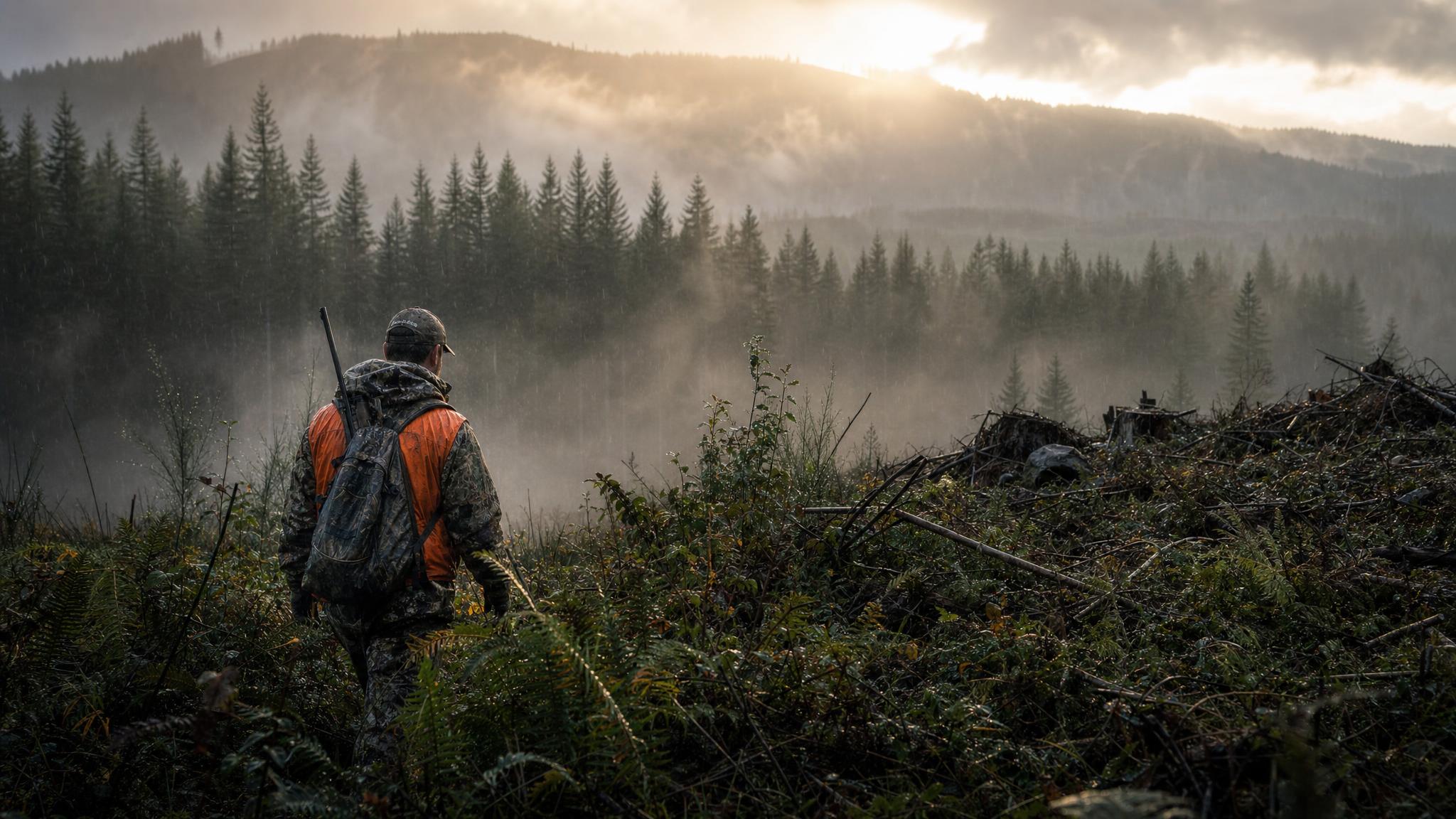
Say 'Murderers Creek' to an Oregon elk hunter and you'll get one of two reactions: either their eyes light up, or they go quiet and start talking about how hard it is. Both responses are correct. The Murderers Creek Wildlife Management Area and surrounding Malheur National Forest in Grant County represent some of Oregon's finest archery elk habitat — and some of its most demanding hunting. Bulls here get big, get pressured, and don't make many mistakes. If you put in the work, it's one of the most rewarding public land elk hunts in the state.
Understanding the Unit
The Murderers Creek Unit covers roughly 870,000 acres in the John Day country of south-central Oregon, centered around the Murderers Creek drainage and the broader upper John Day River watershed. Elevations range from around 3,500 feet in the canyon bottoms to over 7,500 feet on the rimrock and timbered ridges of the Malheur National Forest. That elevation diversity is key — it means elk use different terrain at different phases of the season, and smart hunters move with the animals rather than camping in one spot and hoping.
The Murderers Creek WMA itself covers about 130,000 acres managed specifically for elk and mule deer. The ODFW maintains water developments, manages grazing, and conducts prescribed burns to improve forage — all of which concentrates elk in predictable areas if you know the WMA's layout. Access is primarily via Grant County Road 47 and a network of Forest Service and BLM roads running south and east from Dayville and Monument.
Season Timing and Elk Behavior
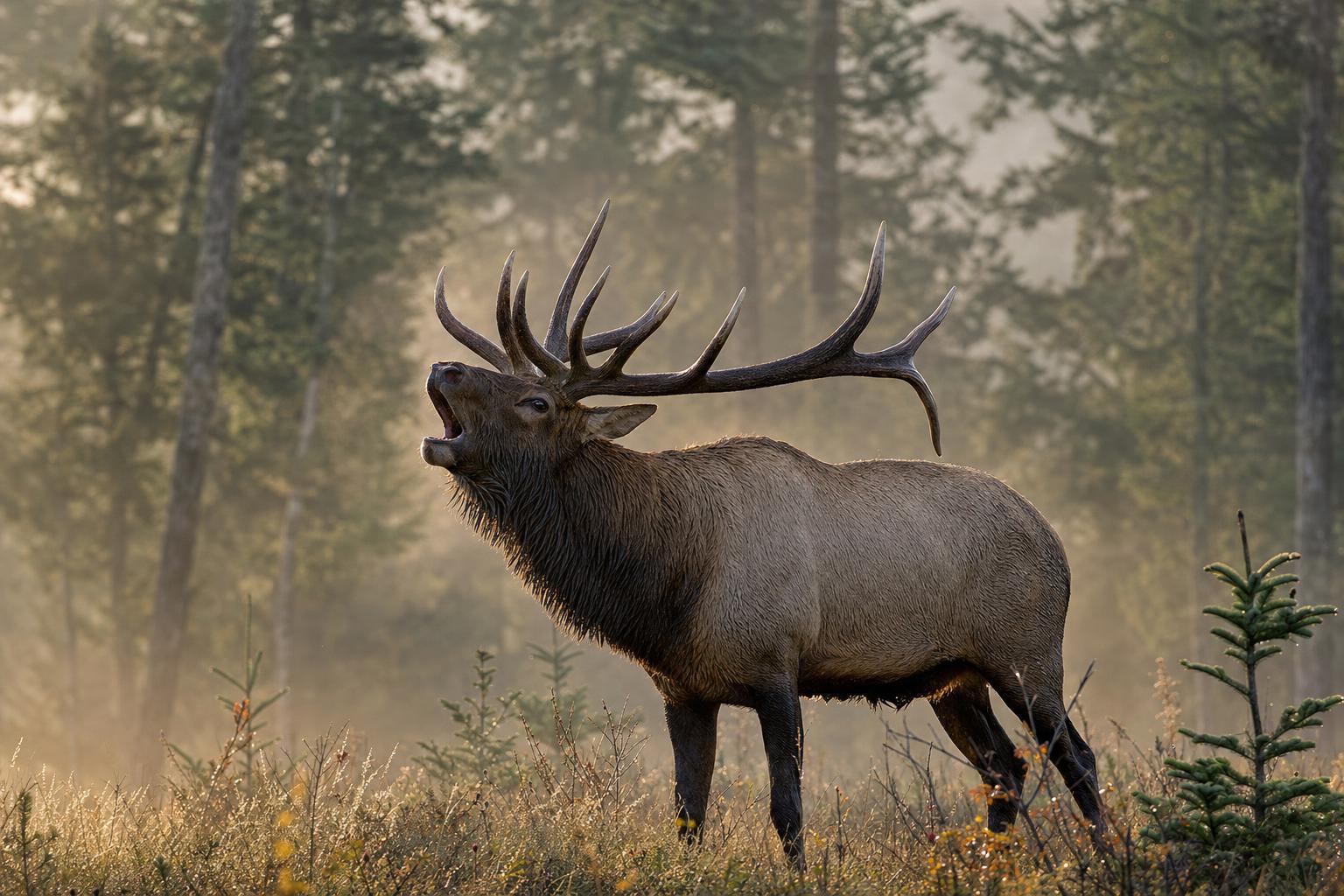
Oregon's general archery elk season typically opens in late August and runs through the end of September. In the Murderers Creek Unit, early-season bulls in late August are still in bachelor groups at higher elevations, focused on feeding and putting on pre-rut weight. They're vocal but often only in the coolest hours of morning. By the second week of September, bulls are beginning to break apart and spar. By mid-to-late September, the rut is on in earnest — cows are cycling, bulls are bugling hard, and all-day activity becomes possible.
The mid-September rut window is when most punched tags come out of this unit. Bulls that have been nearly impossible to approach during the early season suddenly become careless and callable. If you can only hunt one week, target September 15–25.
Scouting Strategy
Pre-season digital scouting on OnX or FarOut using public land layers is essential. Look for the intersection of three things: water (springs, seeps, stock tanks — the WMA map shows many of these), old clearcuts or burns with new aspen or browse regrowth, and transition zones between open parkland and timber. Elk in this country feed in open parks and meadows during low-light hours and push into the timber during the day.
If you can get boots on the ground in July or early August, look for fresh wallows — they'll be sloppy and pungent — and high-traffic trails in saddles between drainages. Cellular trail cameras deployed in August on water sources or active wallows will tell you more in two weeks than a week of hiking.
Access and Camping
Highway 26 runs through the northern edge of the unit through John Day and Mt. Vernon; Highway 395 cuts down the western edge. Most hunting access is via Forest Road 21 (the Silvies-Seneca corridor) or Grant County Road 47 south of Dayville toward the Murderers Creek WMA headquarters. Cell service is minimal to nonexistent in most of the unit — download your maps offline and plan accordingly.
Dispersed camping is allowed throughout the Malheur National Forest portions of the unit on a 14-day limit. The WMA has specific rules — check the ODFW Murderers Creek WMA regulations page before setting up camp inside WMA boundaries. Temperatures in mid-September can swing 50°F from afternoon highs to pre-dawn lows, so bring layers regardless of how warm your drive in was.
Calling and Setup
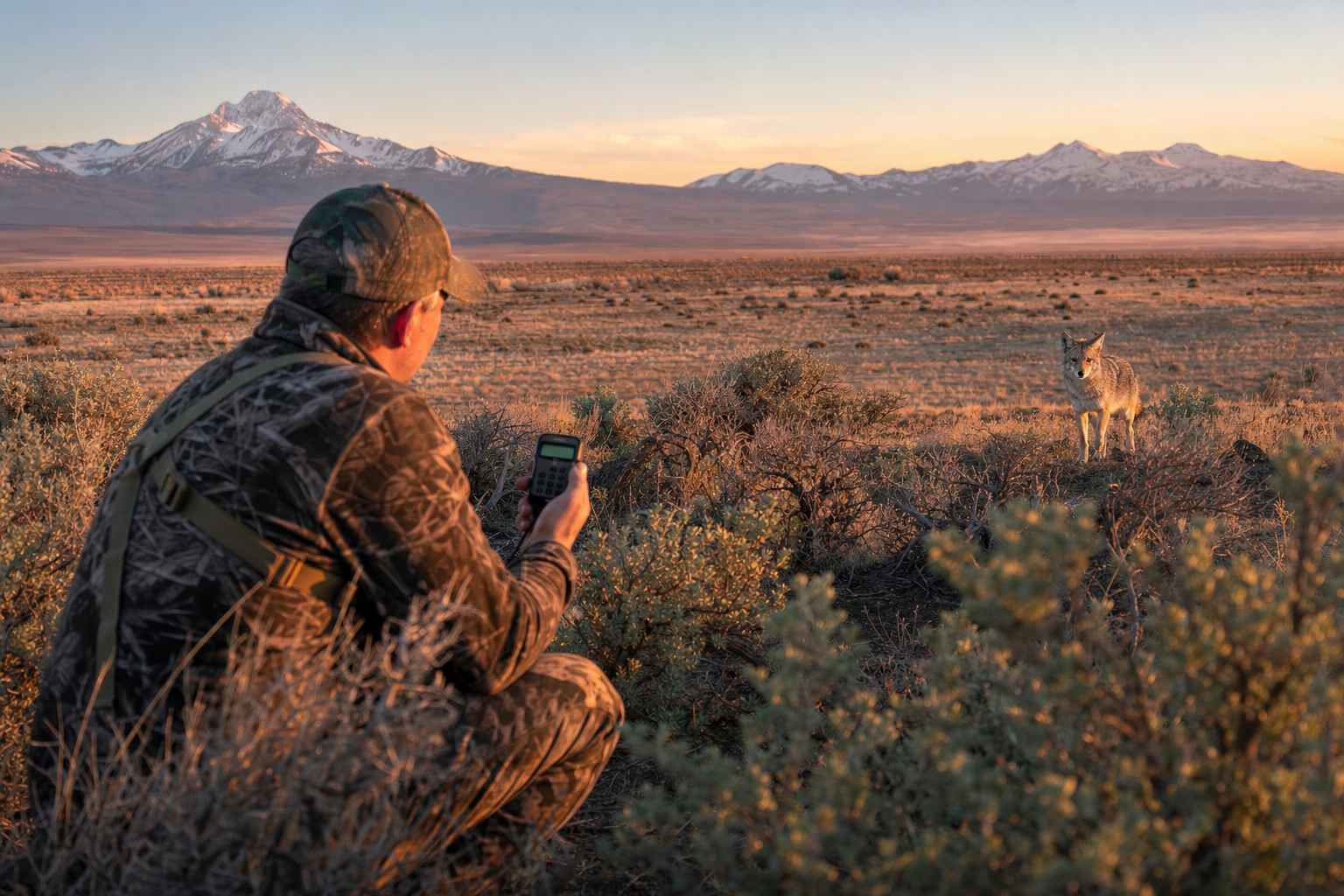
The Murderers Creek Unit gets meaningful pressure during archery season, and the bulls here have heard plenty of calling. That doesn't mean calling doesn't work — it absolutely does — but aggressive, loud bugling from a single setup often educates the big ones. A more effective approach, especially mid-season:
- Start with soft cow calls and chuckles when you locate a bull. Let him tell you how interested he is before committing to a setup.
- Use terrain to your advantage. Get above the bull when possible — elk expect dominant bulls to come from uphill.
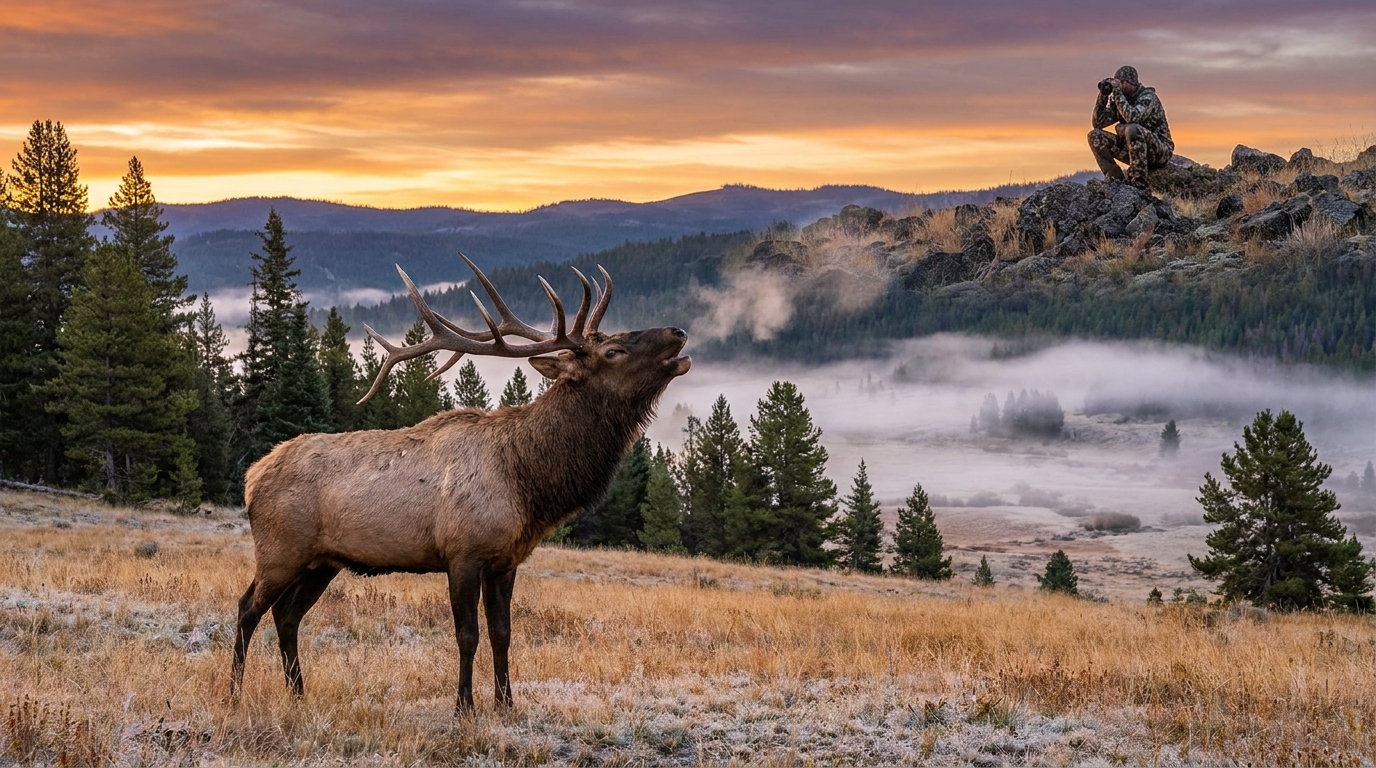
- Run a shooter-and-caller team whenever possible, with the caller 40–60 yards behind the shooter. The bull will usually commit to the caller's location, giving the shooter a clean shot.
- If a bull hangs up, shut up. Many hunters ruin hung-up bulls by over-calling. Stop, wait five minutes, then hit one aggressive bugle sequence. Often that's enough to break a stalemate.
Shot Opportunities and Terrain
Much of the Murderers Creek country is steep, brushy, and unforgiving. Shot distances can run short in the timber — sometimes very short — or surprisingly long in the open parkland areas on the higher ridges. Know your comfortable max distance and stick to it. A 300-yard chip shot in a flat prairie becomes a completely different animal on a 30-degree sideslope. Practice shooting from sitting, kneeling, and standing with a tight lane well before season. The bull of a lifetime won't stand still in the open and wait for a perfect shot.
If you tag out, plan your pack-out before you shoot. A big bull five miles from the trailhead across broken canyon country is a serious undertaking solo. Tell someone your plan, bring a quality pack frame capable of hauling 100+ pounds, and consider a meat hauling partner or drop camp with stock if you're going deep.
The Payoff
The Murderers Creek Unit produces quality bulls because the country is hard to hunt and the elk are pressured enough to be genuinely wary. When you earn a bull here on public land with a recurve or compound, it means something. There are no easy days in this country — just long miles, cold mornings, and the kind of hunting that builds the stories you tell for the rest of your life.