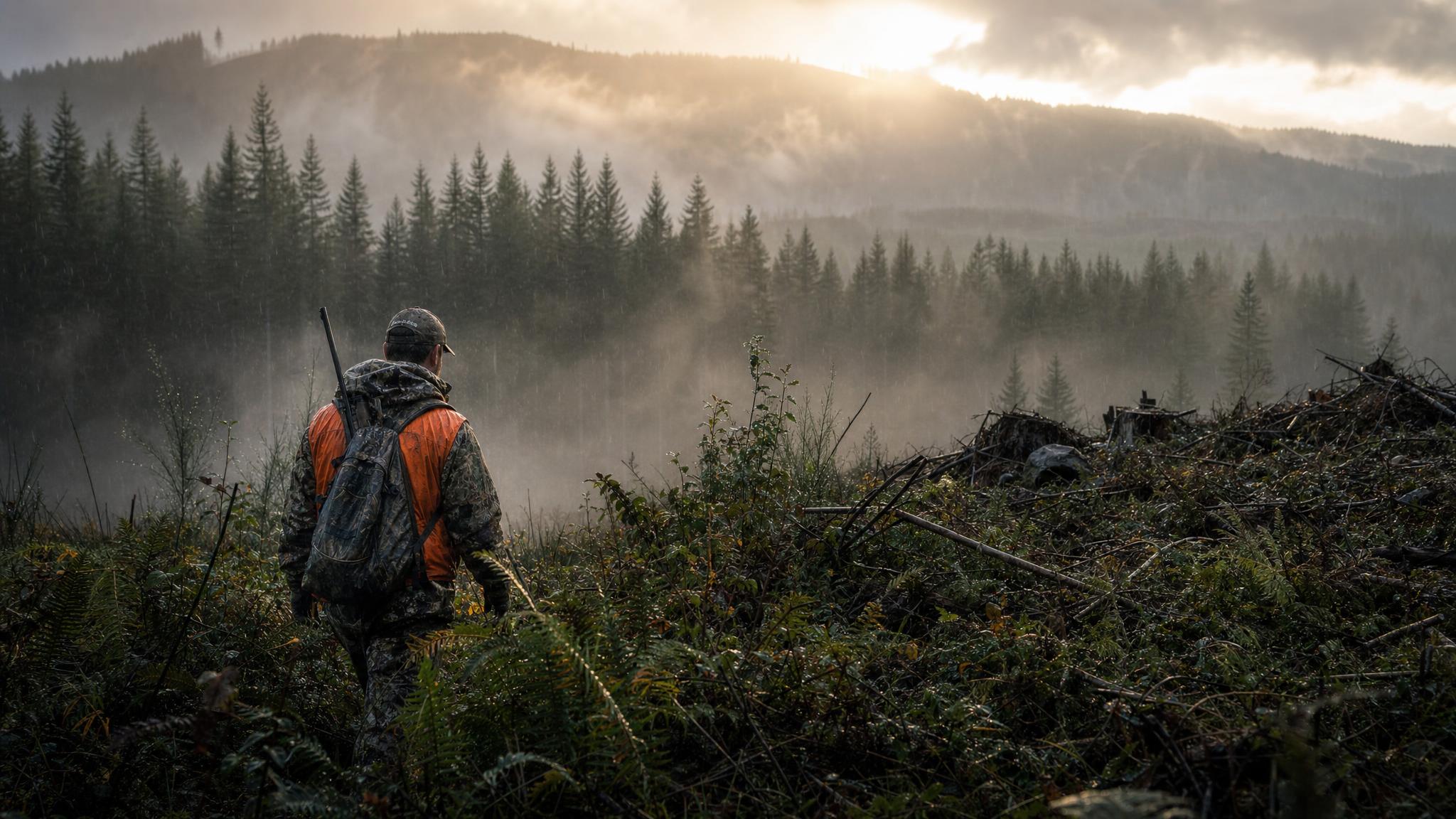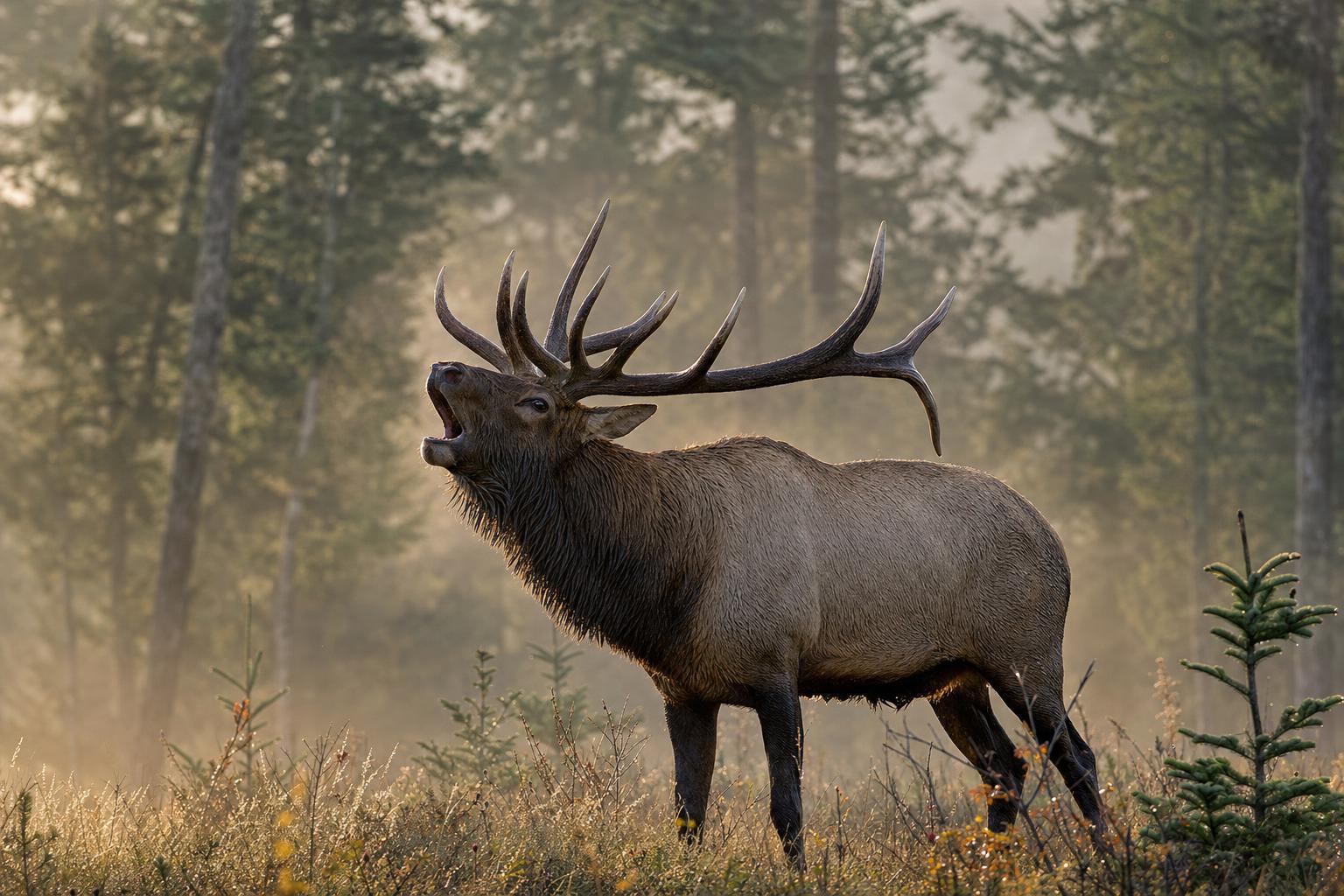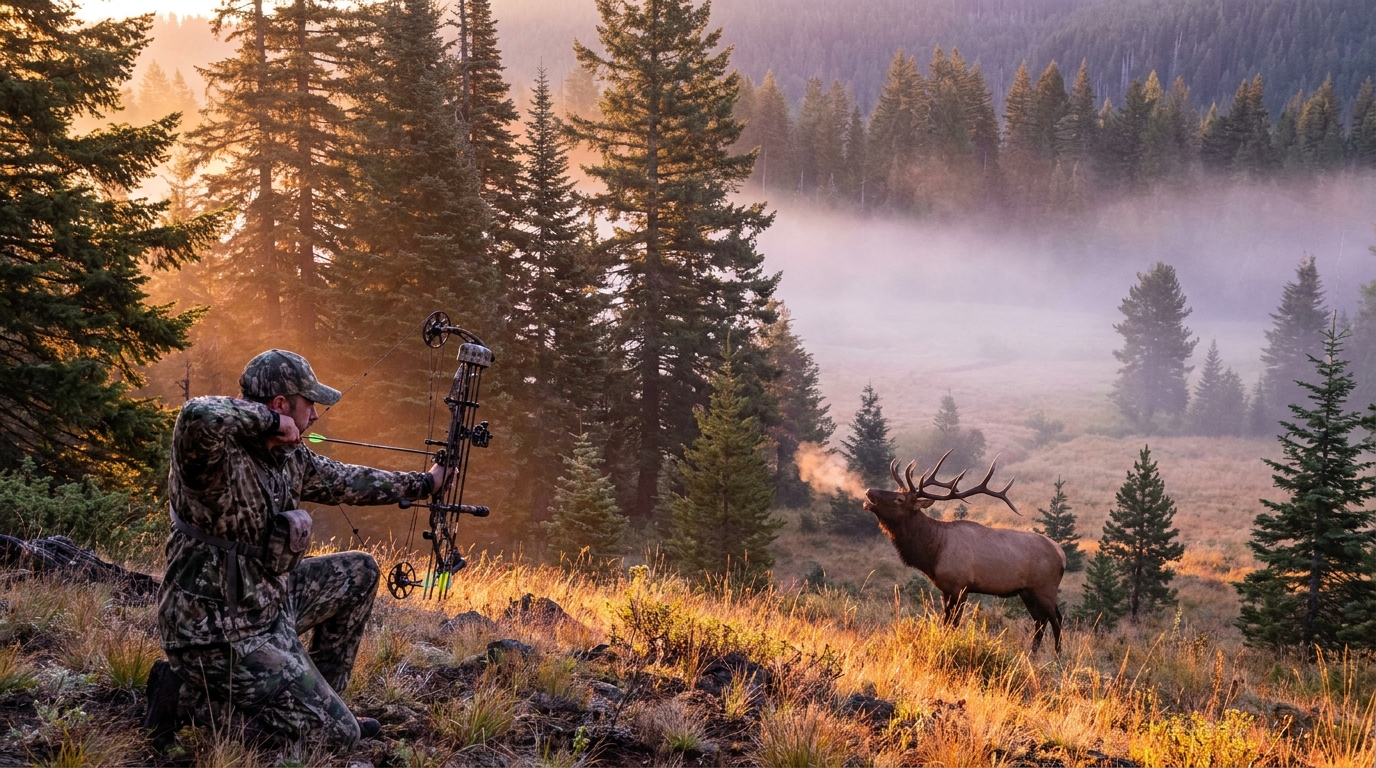
Oregon's Santiam Unit doesn't always make the top-ten lists that circulate on elk hunting forums, and the regulars who hunt it would prefer it stayed that way. Straddling the western Cascades from the Willamette Valley foothills to the high country east of the crest, the Santiam offers a mix of dense timber, high clearcuts, and roadless wilderness that holds both Roosevelt and Rocky Mountain elk — sometimes in the same drainage.
Unit Overview
The Santiam Unit encompasses portions of Linn, Marion, and Jefferson counties. It runs from low-elevation timber ground near Sweet Home and Detroit in the west, up through the Detroit Lake area, and into the high country near the Mount Jefferson Wilderness boundary. Public land access is excellent — a mix of Willamette National Forest, BLM ground, and state forest parcels gives hunters plenty of options without knocking on private doors.
Bull elk densities in the Santiam aren't as advertised as the Chesnimnus or Ukiah, but the unit consistently produces quality Roosevelt bulls in the western timber reaches, and the eastern high-country holds respectable Rocky Mountain elk. The main advantage here: proximity. For metro Portland and Salem hunters, the Santiam is often a 90-minute drive from the truck stop to elk country. That matters when you're hunting archery in August heat.
Locating Summer Bulls
By mid-August — right when the Oregon archery season opens — Santiam bulls are still in velvet and patterned on summer feeding areas. The key is finding the intersection of water, shade, and protein-rich vegetation. In the Santiam, that typically means:
- High clearcut edges: Old cuts (5–15 years post-harvest) produce browse that elk hammer all summer. Look for cuts above 3,500 feet on north-facing aspects — they hold moisture longer and grow the lush feed that elk prefer.
- Riparian corridors: The North Santiam and its forks hold elk throughout summer. Bulls use creek drainages for cover midday and move into adjacent openings to feed in low light.
- Wallows: In late July and August, start hunting wallows. Bulls beat the heat by soaking, and a fresh wallow with muddy tracks is a reliable camera and stand setup. Look in drainages at 3,000–4,500 feet.
Digital Scouting the Santiam
Before you set boot to dirt, put time in on OnX or Gaia GPS. The Santiam's mixed land status means that understanding private inholdings matters — there are private timber company parcels woven into the national forest mosaic. Load OnX layers to confirm public ground, then start identifying south-facing clearcuts above major drainages and north-facing benches below the ridge.
Google Earth's historical imagery is a useful companion. Pull up August images from prior years — 2022 and 2023 had good Landsat dates — to spot green drainages holding late-season moisture. Those areas will produce grass and forbs that elk are on right now.
Boot Scouting Strategy
Get in during the week before the opener. The Santiam sees moderate pressure on opening weekend, and bulls that were comfortable in a clearcut can disappear into the timber fast once hunters arrive. Your goal in pre-season scouting is simple: locate a bull or two, identify his travel corridors, and set your stand sites before human pressure pushes patterns.
Glass clearcut edges from roads in the evening. Hit the high points on the main Forest Service spurs above Detroit — you can cover a lot of country from a truck window with good glass. Once you locate bulls on camera or by spotting, go in light and quiet to hang cameras over wallows and trails. Don't over-penetrate — just get enough intel to know where to be on opener.
Opening Day Setup
The first two weeks of Oregon's archery elk season are often the hardest. Bulls aren't yet in rut, they're not responsive to calling, and they use the same quiet summer patterns they've been on for months. This is a spot-and-stalk and ambush game.
Ambush Setups
Treestands and saddles over active wallows and well-used trails through timber fingers between clearcuts are your best bet. Position downwind of the most likely approach and be in your stand well before first light. Roosevelt elk can be on the feed at first gray light — being late is not an option.
Spot and Stalk in Clearcuts
If you're aggressive and mobile, spotting bulls in clearcuts at last light and planning a pre-dawn stalk is viable in the Santiam. The cuts above the North Santiam drainage are particularly suited to this — you can glass from ridgeline spurs, confirm bedding locations, and slip in before first light the next morning. Keep the wind in your face, move slowly in the pre-dawn dark, and have your shooting lanes pre-identified from your glassing session.
Gear Notes for Santiam Conditions
- Boots: August in the Santiam is warm, but the timber is often damp by morning from ground fog. A light waterproof boot is worth it over trail runners if you're ambush hunting.
- Scent control: Roosevelt elk use their nose aggressively in tight timber. Hunt the wind religiously. Carbon-lined base layers and Scent Killer sprays are worth the hassle.
- Pack: If you kill a bull in western Santiam timber, you're probably packing out in pieces through thick brush. A quality meat hauler — Stone Glacier, Kifaru, Mystery Ranch — is not optional for solo hunters.
- Arrow weight: For Roosevelt elk, go heavy. 450–500 grain minimum with a proven fixed-blade broadhead. Penetration through a big bull's shoulder matters more than any other specification.
When the Rut Turns On
By late August into early September, bulls in the Santiam start transitioning. You'll hear the first tentative bugles around the last week of August, and by September 5–12 the rut is typically firing in the upper elevations. This is when the game changes completely — an aggressive setup with cow calls, location bugles, and estrus scents can bring bulls at a dead run. The elk calling game in Oregon's Cascades is one of the most exciting experiences in hunting; if you haven't experienced a fired-up Roosevelt bull charging through old-growth timber, put the Santiam on your list.
The Bottom Line
The Santiam Unit won't get you a 400-inch bull, but it will give you a fair shot at an honest Roosevelt or Rocky Mountain elk on accessible public ground within easy driving range of most western Oregon cities. Do your digital homework, get boots in the dirt before the opener, and be willing to work the timber. The elk are there.