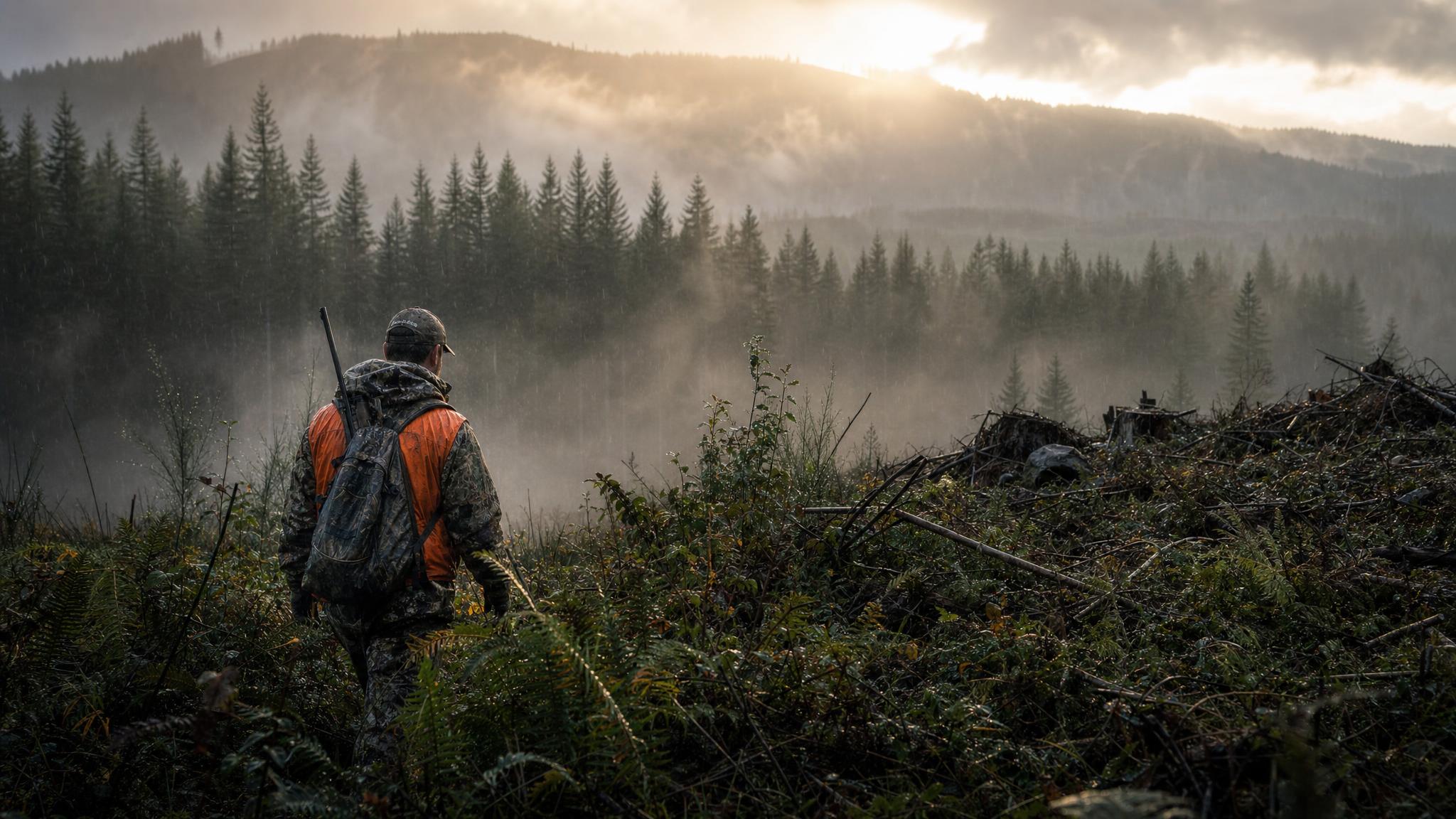
Mention elk hunting in northeast Oregon and most hunters immediately think of Eagle Cap, Starkey, or the Chesnimnus Unit. The Wapiti Unit, sitting between the Umatilla National Forest and the Washington border in Umatilla and Union counties, rarely makes those conversations. That’s a mistake—and it’s one you can exploit while other hunters crowd more famous ground to the south and east.
Know the Unit
The Wapiti Unit covers a significant swath of the Umatilla National Forest north of La Grande, bounded roughly by the Grande Ronde River drainage to the west and the Washington state line to the north. Elevation ranges from around 2,500 feet in the canyon bottoms to 6,000 feet on the timbered ridgelines. The unit holds a mix of ponderosa pine, mixed conifer, and open grassy parks—classic northeast Oregon elk country.
ODFW’s population data for the Wapiti Unit consistently shows bull-to-cow ratios in the 18–25 bulls per 100 cows range—respectable for a unit that receives moderate hunting pressure. The archery season opens in late August and runs through late September, giving hunters the full rut window including the pre-rut bugling phase that most bowhunters live for.
Draw or Over-the-Counter?
The Wapiti Unit is available as an over-the-counter archery elk tag for Oregon residents, which means you can hunt it without burning preference points. For hunters still building points toward premium units like Chesnimnus or Silvies, the Wapiti offers a legitimate opportunity to hunt during the rut every single year. Non-residents also have OTC access, making this a viable destination for serious bowhunters from neighboring states.
Pre-Season Scouting Strategy
Digital Scouting
Start with OnX Hunt and USFS motor vehicle use maps (MVUM). The Umatilla NF has an extensive road network, but also large blocks of roadless country that see almost no hunting pressure after the first week of season. Look for drainages with multiple water sources—seeps, springs, seasonal creeks—surrounded by north-facing timber and adjacent to open parks or clear-cuts. Bulls spend August in these areas recovering from winter and building mass.
Cross-reference elk locations with past burn areas. The 2020 and 2021 fire seasons left significant patches of standing dead timber and brushy regrowth throughout the unit—this edge habitat holds elk consistently in late summer as the new vegetation provides both browse and thermal cover.
Boot Scouting in July and August
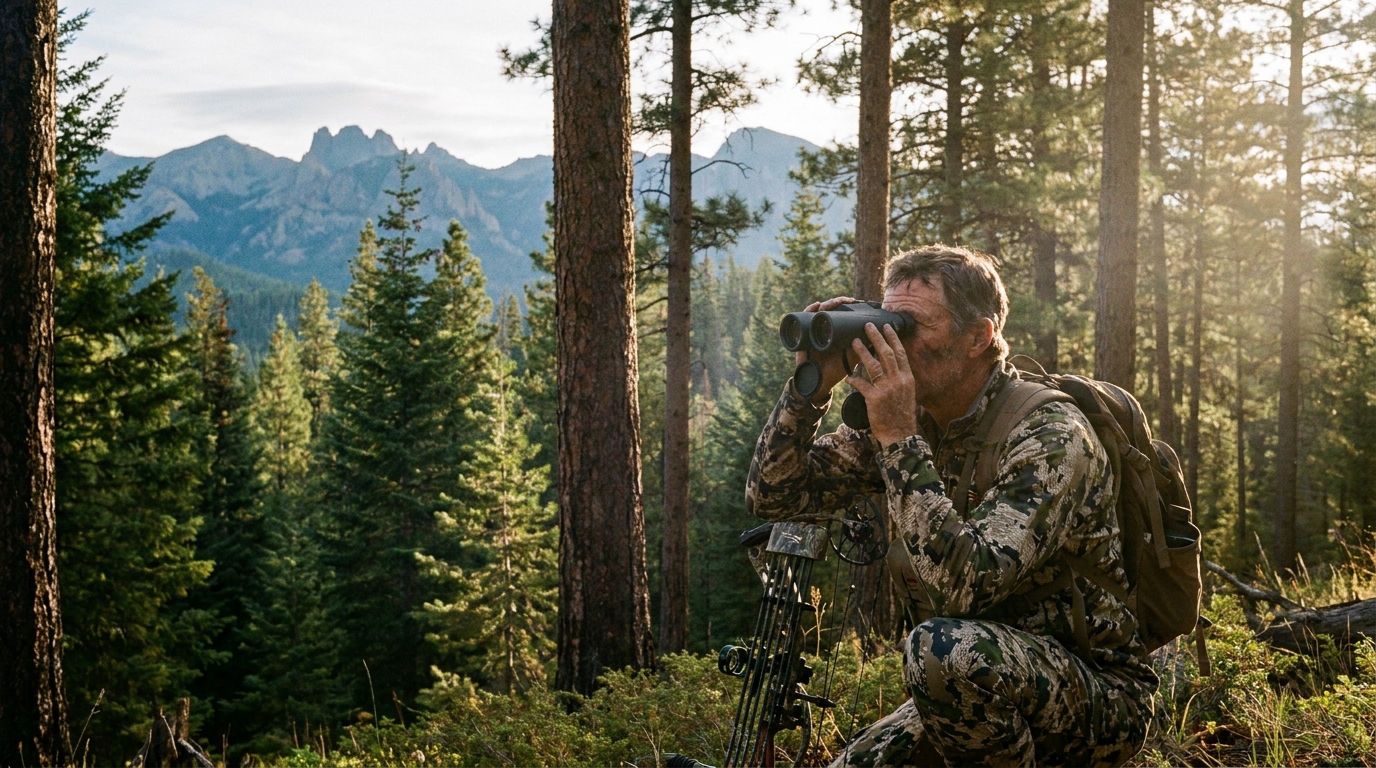
The unit’s most productive elk drainages require a 2–4 mile pack in from the nearest road. If you’re not willing to walk past the easy country, you’ll compete with every other hunter who isn’t. Look for fresh tracks in muddy creek crossings, fresh wallows (bulls wallow heavily as velvet drops), and concentrated feeding sign in grassy parks on north-facing slopes. Identify saddles and benches where elk naturally travel between feeding and bedding areas—these become ambush points during the season.
Cellular trail cameras are legal in Oregon for pre-season scouting and can save significant hiking miles. Place them at wallows and water sources in late July; by mid-August you should have a clear picture of which bulls are using which drainages.
Rut Timing and Calling in the Wapiti Unit
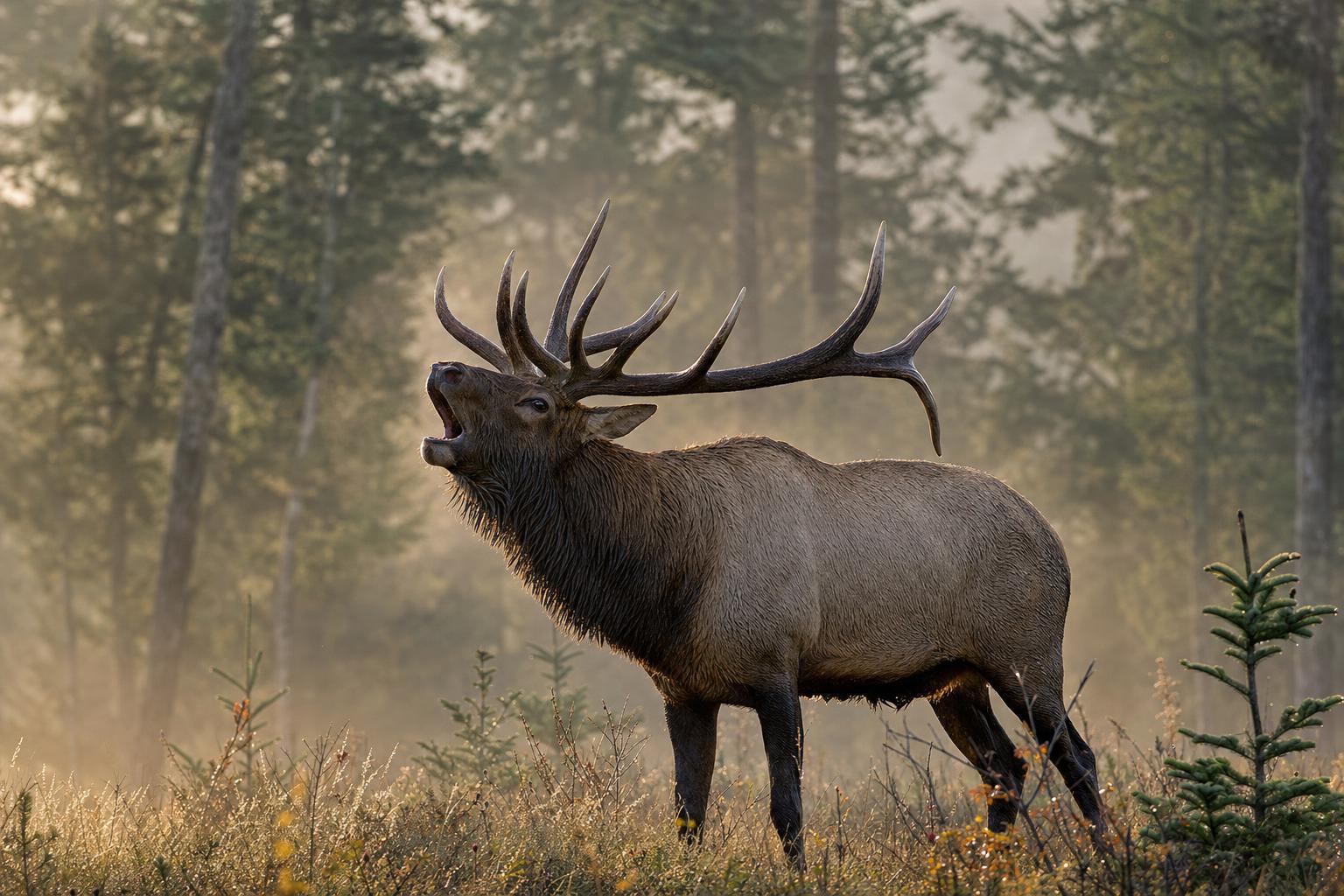
The archery rut in northeast Oregon typically peaks between September 10th and September 20th, with bugling activity beginning as early as September 1st in some years. Bull behavior in the Wapiti Unit mirrors other Umatilla Forest units: bulls move early and late, with midday bedding in north-facing timber. Opening week of archery season (late August) finds elk still in semi-predictable summer patterns with water as the key variable. By the second week of September, the rut takes over and calling becomes the primary tactic.
Calling Setups
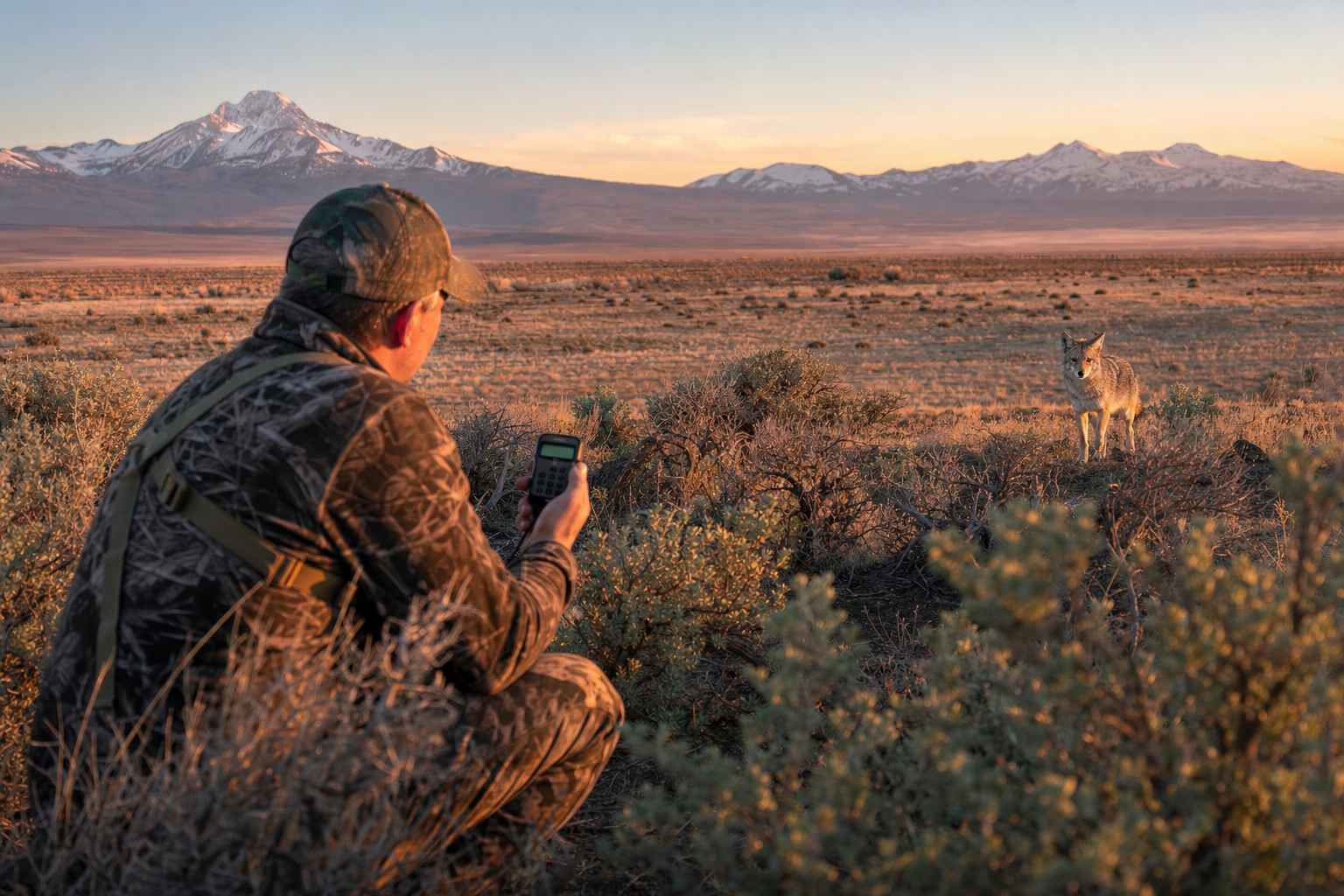
The Wapiti Unit’s timbered terrain is ideal for aggressive calling sequences. Bulls in relatively unhunted areas respond well to direct challenge bugles followed by cow calls. The standard playbook—locate a bull with a locator bugle at first light, cut the distance to 200–300 yards, then set up with your caller 30–40 yards behind the shooter and work a combination of cow mews, estrus calls, and bull bugles—works consistently here.
- Key calls to carry: Diaphragm elk call, external cow call (for volume when wind is working against you), and a bugle tube. Randy Newberg’s “run and gun” style aggressive approach translates well to the Wapiti Unit’s open drainage structure.
- Wind management: Northeast Oregon mountain thermals rise in late morning and fall at evening—time your approaches accordingly. Cool drainage air flows downhill until mid-morning; plan setups with the thermal in your face.
- Decoys: A lightweight foam cow decoy can be the difference-maker when bulls hang up at 60–80 yards. Combine it with soft cow calls and have it visible from the direction the bull is likely to approach.
Camp, Access, and Logistics
The Umatilla NF allows dispersed camping on most forest land, making multi-day spike camps feasible and effective. The North Fork Umatilla Wilderness (adjacent to the unit) is worth noting for boundary awareness—mechanized equipment, including e-bikes, is prohibited in designated wilderness areas. Pack in on foot if you’re hunting wilderness-adjacent drainages.
La Grande is the closest full-service city and a solid base camp option if you prefer a motel between hunts. The drive from La Grande to productive unit access points ranges from 30 to 75 minutes depending on your target drainage. Cell service is nonexistent in most of the unit—download offline maps before you leave pavement.
Meat Care in Warm Weather
August and early September in northeast Oregon means warm days—often 75–85°F. If you connect on a bull early in the season, meat care becomes critical. Quarter and bag the animal immediately, hang quarters in shade with good air circulation, and get a freeze pack or dry ice in the bag within two hours if possible. For backcountry hunters, a lightweight pack-out cooler system like the Meat Handler or an ALPS OutdoorZ meat hauler panel makes the difference between perfect table fare and spoilage.
The Wapiti Unit won’t show up on most hunters’ radar this season. That’s your advantage. Do the digital work, put in the boot miles in August, and be in the timber when the September bugles start echoing off those timbered ridges.