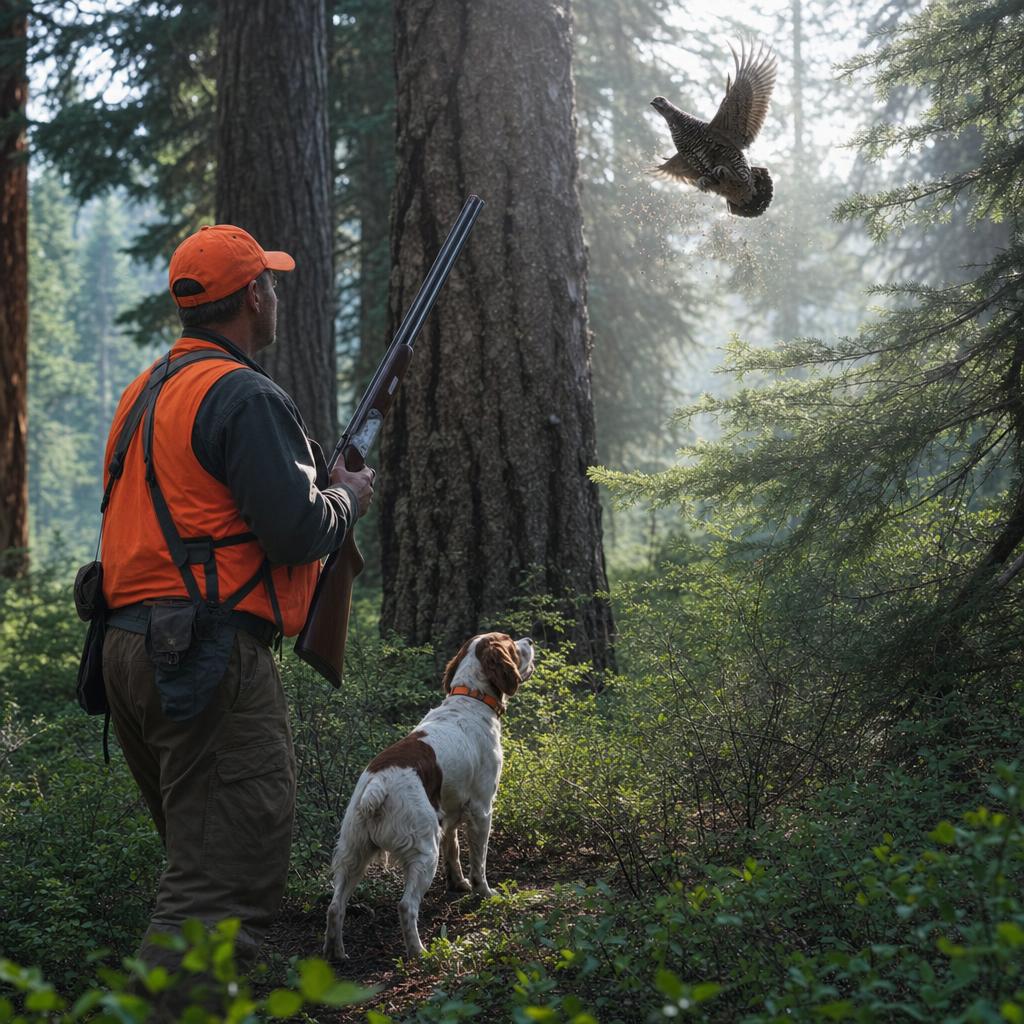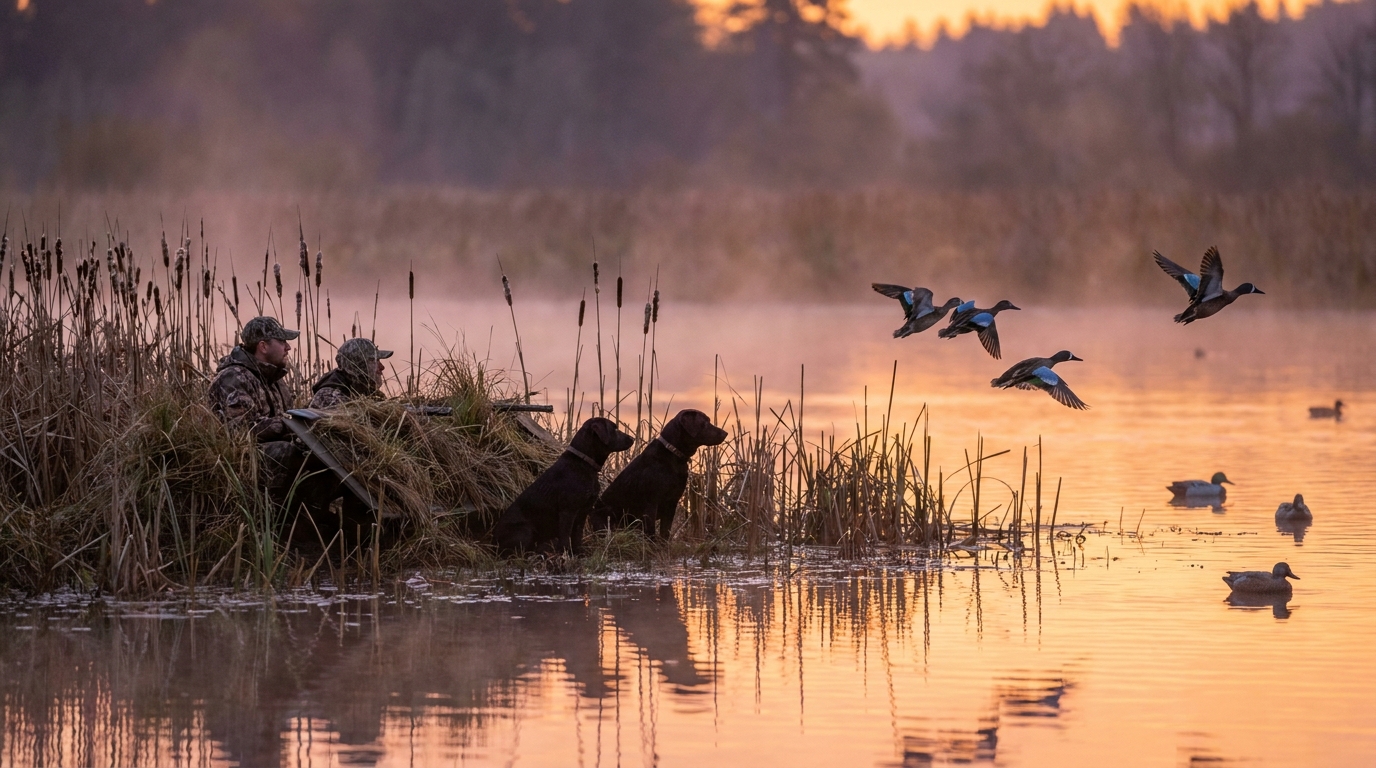
Oregon's September teal season is one of the most underrated hunting opportunities in the Pacific Northwest. Running just 16 days in early September — well before the general duck season opener — it gives waterfowlers a chance to dust off their waders and work over fast-flying blue-winged and green-winged teal before the crowds arrive. If you've never dedicated a morning to teal specifically, this season is worth circling on your calendar.
Why Teal Season Is Different
The early teal season exists because blue-winged teal are early migrants. By mid-September, most of them are already pushing south toward Mexico and Central America. Oregon's season — typically running the first two weeks of September — is designed to intercept this migration before it's over. The bag limit is generous (typically six teal per day), and the action can be fast and furious in the right conditions.
Green-winged teal are also fair game. Oregon holds a resident population of greenies that don't migrate as early, so you'll often mix both species in your bag. The occasional cinnamon teal may also show up — a beautiful bird and a true Pacific Flyway specialty.
Best Eastern Oregon Locations
Eastern Oregon is teal country. The high desert marshes, alkali lakes, and agricultural wetlands between Burns and Ontario concentrate migrating birds in September in ways that western Oregon simply can't match.
Malheur National Wildlife Refuge
The crown jewel. Malheur NWR near Burns is one of the most productive waterfowl areas in the West, and the public hunting units open during teal season can be exceptional. The Blitzen Valley and surrounding marshes hold large numbers of blue-wings in early September. Check ODFW regulations for open hunting zones — portions of the refuge are closed to hunting, so know your boundaries before you launch a boat.
Lake Abert and Alkali Flats
The shallow margins of Lake Abert and the wetland complexes around Summer Lake provide good teal habitat when water levels are right. Scouting is essential here — the birds move with the water. A year with good spring precipitation means better fall habitat; a dry year may concentrate birds in fewer spots.
Owyhee Country
The agricultural drains and irrigation canals of Malheur County draw teal consistently. Farm ponds, shallow reservoirs, and small marshes scattered through this country aren't marked on any hunting guide — they're found by driving roads, glassing, and knocking on doors. Permission-land teal hunting in Malheur County can be exceptional for hunters willing to put in the legwork.
Umatilla County Ponds
The wheat and corn country of Umatilla County has numerous stock ponds and small marshes that hold early teal. Public land options are limited here, but private land access — especially for out-of-state birds stopping on migration — can produce memorable shoots.
Decoy Setup for Teal
Teal respond well to decoys, but they don't need a massive spread. Eight to twelve teal-sized decoys in natural clumps is plenty. Use motion — teal are suckers for spinning-wing decoys and surface agitators. A single Mojo Teal or similar spinning-wing decoy will often pull birds in from hundreds of yards away.
- Spread tight: Real teal bunch up. Don't spread decoys wide like you would for mallards.
- Motion matters most: Still water with still decoys doesn't cut it. Add movement.
- Keep it small: Massive spreads aren't necessary and add pack weight on walk-in hunts.
- Landing zone: Leave open water directly in front of your blind — that's where they'll cup and drop.
Calling Teal
Teal aren't call-dependent the way mallards are, but a few peeps on a small teal call can help turn birds that are drifting off course. The key sounds are a high, rapid series of peeps — faster and higher-pitched than mallard calls. Don't overdo it. Teal that commit will commit fast; they don't circle and work like pintails or mallards. When they're coming in, stop calling and get ready to shoot.
Shooting Fast Birds
Teal are the ducks that humble shotgunners. They're small, fast, and erratic. A bird that looks manageable at 40 yards will be past you before you finish your swing if you're not aggressive. Here's what works:
- Lead more than you think: Teal are typically doing 40–50 mph. At 30 yards, you need 4–5 feet of lead on a crossing bird.
- Swing through: Don't stop your gun. Commit to the bird and keep swinging through the shot.
- Pick one bird: Flock shooting is the enemy. When teal come in bunches, pick one bird and kill it before thinking about a second.
- Improved cylinder or modified: Tight chokes and teal don't mix well. Open up and use #4 or #6 steel at 1,400+ fps.
Gear and Legal Requirements
Oregon teal season follows federal migratory bird regulations. You'll need:
- Oregon hunting license
- Federal Duck Stamp (required for hunters 16 and older)
- HIP registration (Harvest Information Program)
- Non-toxic shot — steel or bismuth; no lead in any migratory bird hunting
Waders are almost always required for marsh hunting. Neoprene 3.5mm waders in September still make sense in eastern Oregon — morning temps can be cold even when afternoons hit 80°F. A good blind bag, plenty of water, and a dog will round out your kit. Teal hunting in thick marsh cover without a retriever means lost birds.
Scouting: The Real Work
Teal success is almost entirely determined by pre-season scouting. Visit your spots in late August — the week before the season opens. Look for birds on water, note what time they move, and identify landing zones. Teal are mobile; the spot that held 200 birds one morning may be empty the next if food or water conditions change. Have a backup plan and be willing to move.
Oregon's September teal season is short, fast, and often overlooked. But for the hunter who puts in the scouting time and shows up with the right gear, it's one of the finest early-season waterfowl opportunities in the Pacific Northwest. Get out there before the birds are gone.