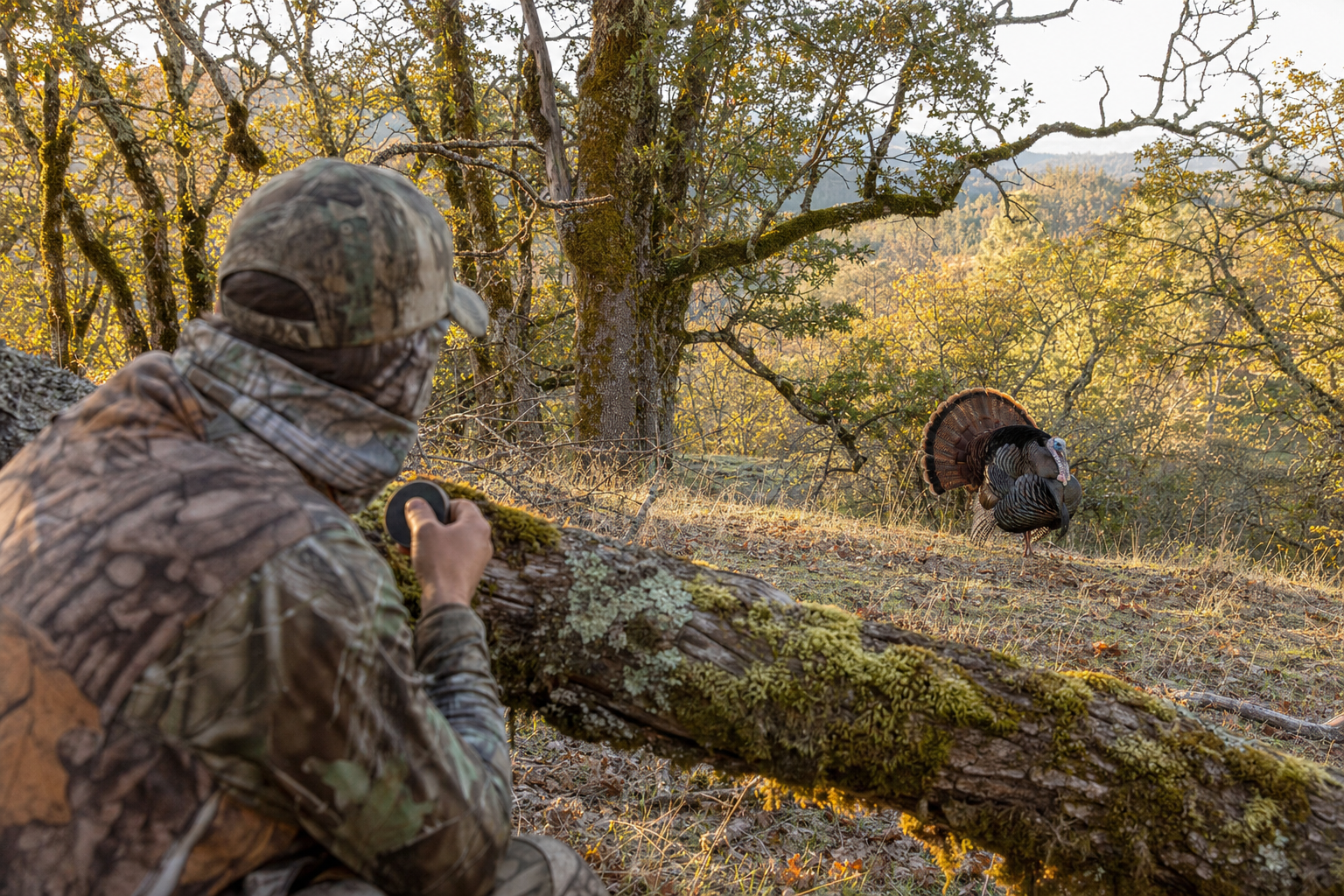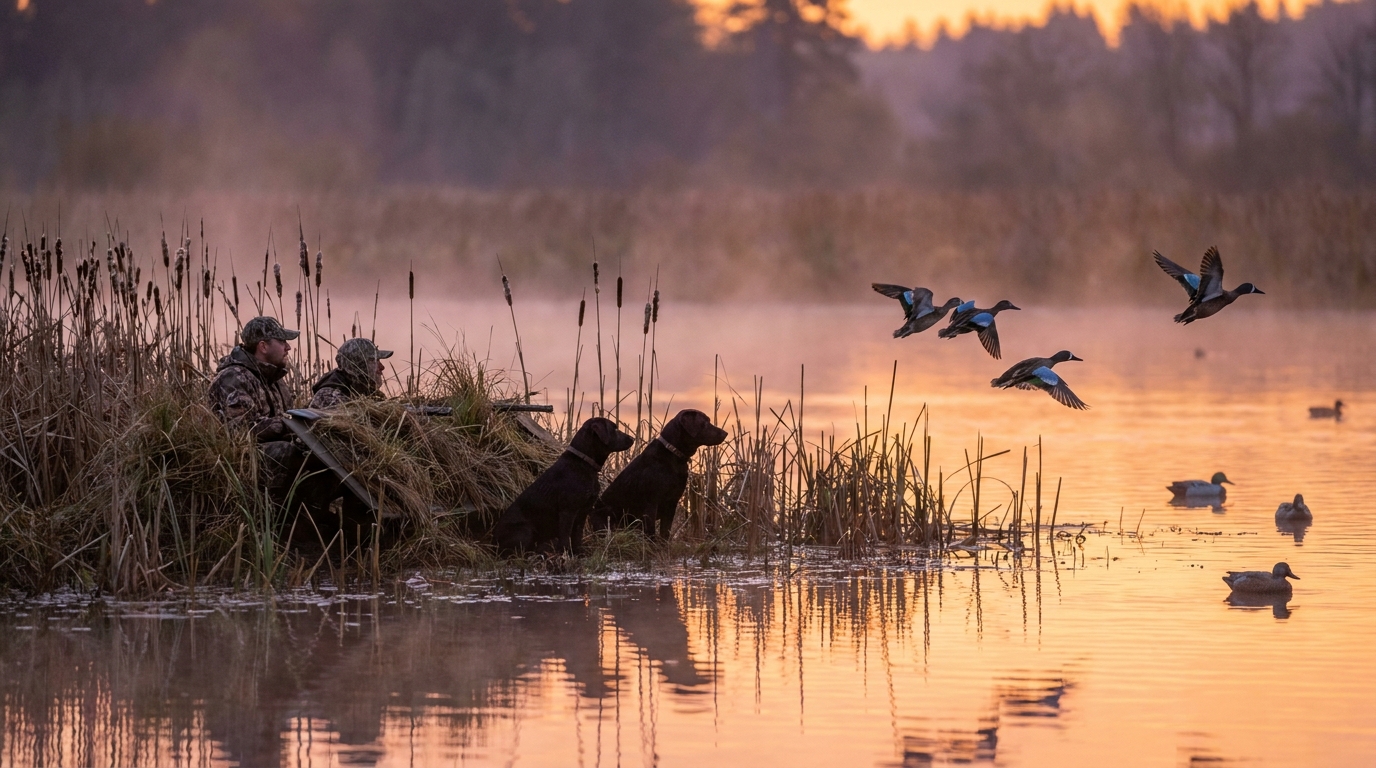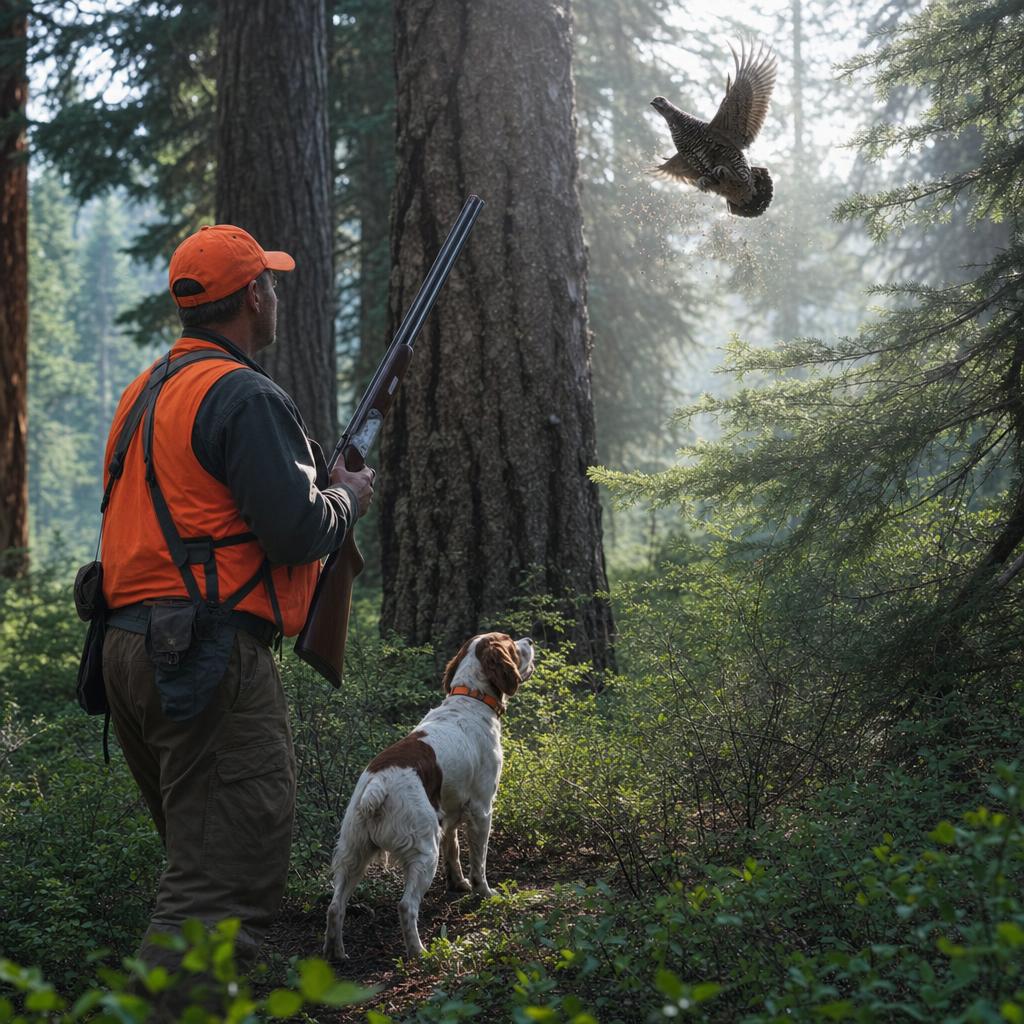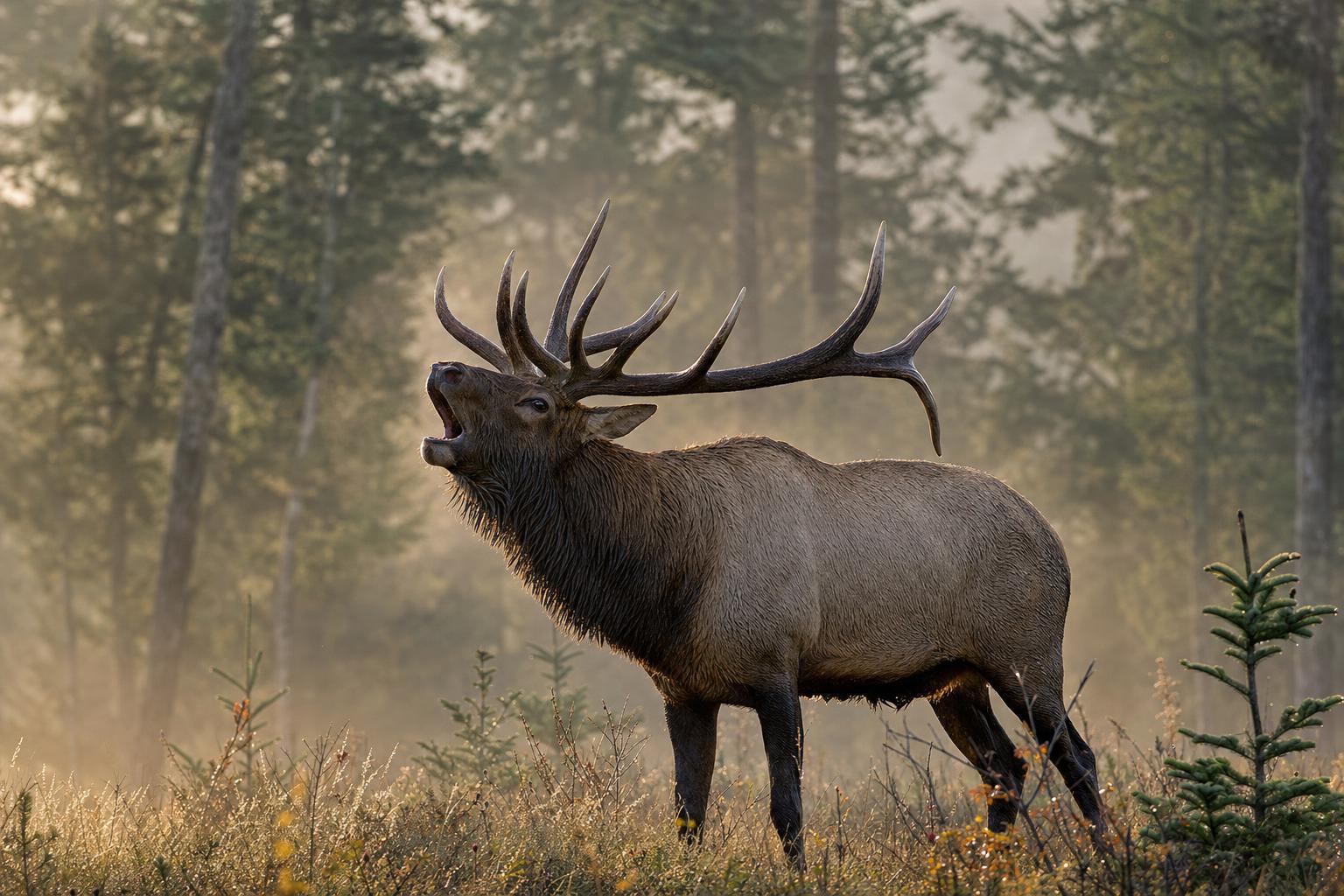
There is no sound in the Pacific Northwest woods quite like a Roosevelt elk bull in full rut. The bugle starts low — almost a bark — then rises into a haunting, whistling scream that carries half a mile through old-growth Doug fir and rolls down fog-draped creek drainages. If you've heard it once, hunting elk without it feels incomplete. September and early October in Oregon's Northern Coast Range is when that sound fills the timber, and for hunters who know where to go, it's the best big game hunting in the state.
This guide covers the Roosevelt elk rut in Oregon's Coast Range — the timing, the behavior, the terrain, and the tactics that put tags on these massive coastal bulls.
Understanding the Roosevelt Elk
Roosevelt elk (Cervus canadensis roosevelti) are the largest subspecies of North American elk. Coast Range bulls routinely hit 800–1,000 pounds and carry antlers built for the timber — shorter, heavier beams with more mass than their Rocky Mountain cousins. They're adapted to thick, wet forest: dense second-growth fir, alder-choked creek bottoms, and logged clearcuts in various stages of brush regeneration.
Oregon holds one of the world's largest populations of Roosevelt elk, concentrated along the Coast Range from the Columbia River south to the California border. Units like the Alsea, Siletz, Wilson, Trask, and Siuslaw all hold good numbers of bulls, with the largest animals tending to live in roadless drainages where hunting pressure is low.
Rut Timing in the Coast Range
The Roosevelt elk rut runs on a different calendar than Rocky Mountain elk. Peak rut in the Oregon Coast Range typically falls between late September and mid-October, running roughly two to three weeks behind the classic Rockies rut of mid-September. Several factors drive this timing:
- Oregon's late archery general season (typically September 27 through October 31 in the coast units) is timed to overlap with the rut
- Day length and temperature triggers are different at low elevation in a wet maritime climate
- Cows in the coast units may cycle slightly later than inland populations
Pre-rut activity — bulls breaking velvet, light sparring, and beginning to bugle — often begins in the second week of September. Hunt these pre-rut bulls on feed before the chaos of the rut scatters the herds.
Reading Coast Range Elk Country
Hunting Roosevelts in the Coast Range is fundamentally a terrain and timber game. Unlike the open ridges of Eastern Oregon, coastal elk hunting is close-range, thick-cover work. You need to think about:
Clearcuts and Edges
Elk feed heavily in brushy clearcuts — especially those with abundant vine maple, blackberry, and young alder. Bulls use clearcuts at dawn and dusk; they retreat into adjacent old-growth timber during midday. Hunt the edges at first and last light, and work the timber strips between clearcuts for bedded bulls during shooting hours.
Creek Drainages
Coastal elk love alder-lined creek bottoms — they provide water, shade, and wallows during the rut. On the Wilson, Trask, and Kilchis drainages in Tillamook County, and the Siletz and Yaquina drainages in Lincoln County, elk concentrate in the creek bottoms during warm September afternoons. Approach from downwind and glass from high points overlooking the flats.
Wallows
Find wallows and you'll find bulls. During the rut, dominant bulls wallow constantly — urinating in the mud and rolling to cover themselves in scent. Fresh wallows (muddy, rank, and still wet) mean elk are very close. Set up downwind and be patient; rutting bulls return to their wallows multiple times daily.
Calling Techniques for Coastal Bulls
Coastal Roosevelt bulls respond to calling, but they're often more call-shy than Rocky Mountain elk — a result of higher hunting pressure in some units and the thick timber that makes bulls reluctant to commit to an unseen challenger. Use these strategies:
Bugles and Cow Calls
- Open with cow calls — a series of estrus mews and chirps draws curious bulls without alerting satellite bulls and cows that might bust you
- Bugle sparingly — dominant bulls in high-pressure units have learned that bugles mean hunters. Use challenge bugles only when a bull is already fired up
- The lip curl — a short, two-note bugle followed immediately by cow mews mimics a small satellite bull harassing a cow. This sequence infuriates dominant bulls
Raking and Breaking
Aggressive bulls in the Coast Range respond to the sounds of antler raking — drag a shed antler or stout branch across brush and small trees. Combined with a grunt or chuckle, raking creates the illusion of a bull working a rub line. In tight timber where visual confirmation is impossible, sound is everything.
Rifle Hunting the Coast Range Rut
General season rifle hunting in the coast elk units typically opens in late October — right in the heart of the rut. Here's how to approach it:
Shot Distances
Expect close shots. The dense fir and alder that define Coast Range elk country limits visibility to 50–150 yards in most situations. Long-range setups exist in clearcuts, but most Coast Range elk are taken under 100 yards. Run a flat-shooting rifle with a low-powered variable scope — a 1-6×24 or 2-7×33 is ideal for timber elk hunting.
Cartridge Selection
For Roosevelt elk in thick cover, bullet construction matters more than velocity. Top choices for coastal elk hunting:
- .338 Winchester Magnum with 225 gr Nosler Partition — maximum authority in close-range timber situations
- .30-06 Springfield with 180 gr Nosler AccuBond — the classic western elk cartridge; plenty for any Coast Range bull at practical distances
- .300 Winchester Magnum with 200 gr Partition — handles those occasional clearcut shots at 200+ yards while still hitting hard in the timber
Unit Breakdown: North Coast Range
Tillamook Unit
The Tillamook State Forest north of Highway 6 holds excellent Roosevelt elk numbers. The Wilson and Trask river drainages produce big bulls annually. Access via Tillamook State Forest roads — most are open to vehicles in fall, though some logging roads require a high-clearance truck. Walk-in pressure is moderate; the hunters who go the extra mile into the roadless drainages see more elk.
Alsea Unit
Lincoln and Benton County's Alsea Unit is one of Oregon's top Roosevelt elk producers. The Upper Alsea River drainage and McDonald-Dunn Research Forest (limited public access — check current permits) hold good numbers. Elk concentrate in the alder bottoms along the Alsea and its tributaries during the rut.
Siuslaw Unit
The Siuslaw National Forest south of Florence to the Coos County line holds significant elk numbers with relatively low hunting pressure on the backcountry drainages. The area around the Wasson and Benson creeks drainages can produce quality bulls for hunters willing to pack light and go deep.
Archery vs. Rifle: Choosing Your Weapon
The coast units offer both archery and rifle opportunities during the rut. Archery hunters get the early-rut overlap in late September and October. For bowhunters, the thick Coast Range timber is ideal — shots are short, calling works well, and the wet conditions deaden footfalls. Run a minimum 65-pound draw weight with a heavy, well-tuned arrow (450+ grains) for the penetration Roosevelt elk demand.
Rifle hunters benefit from later season access (October-November) when bulls have shed their velvet and the rut is in full swing. In late October, glassing clearcuts at dawn in Tillamook County or Lincoln County with binoculars while a partner works a cow call downslope is a deadly team tactic.
Pack Out Planning
A mature Roosevelt bull yields 400–500 pounds of boneless meat. In the wet, steep terrain of the Coast Range, getting that meat out requires planning. Always hunt within reasonable pack-out distance of a road — solo hunters should have a realistic plan for three to four loads. Bring a quality meat grinder and bone-out the animal in the field to reduce weight. The damp coastal weather keeps meat cool, but work quickly — the same mild temps that make coast elk hunting comfortable can spoil an unskinned animal faster than you'd think.
The Oregon Coast Range rut is a world-class hunting experience hiding in plain sight. While hunters dream of Idaho backcountry, one of the continent's finest Roosevelt elk populations is bugling through the fog right here in our own backyard.