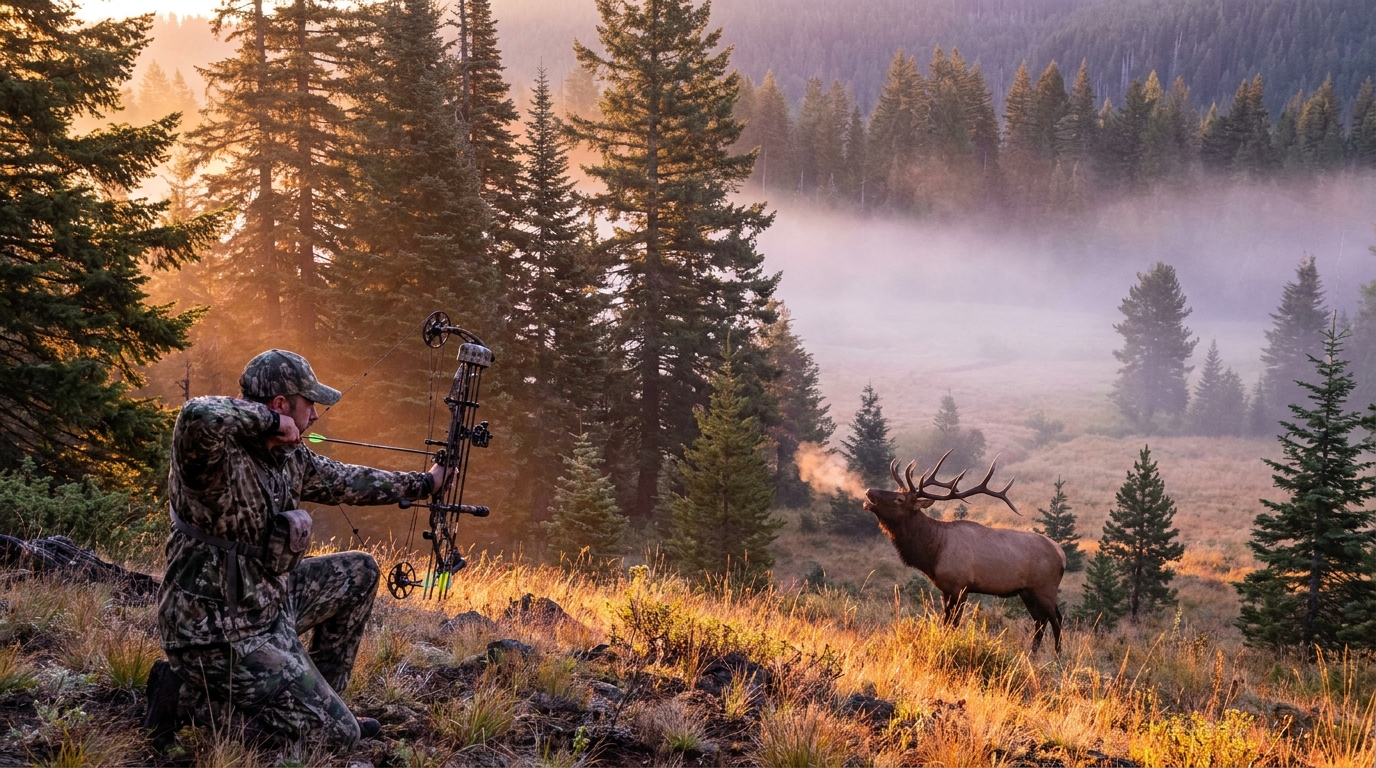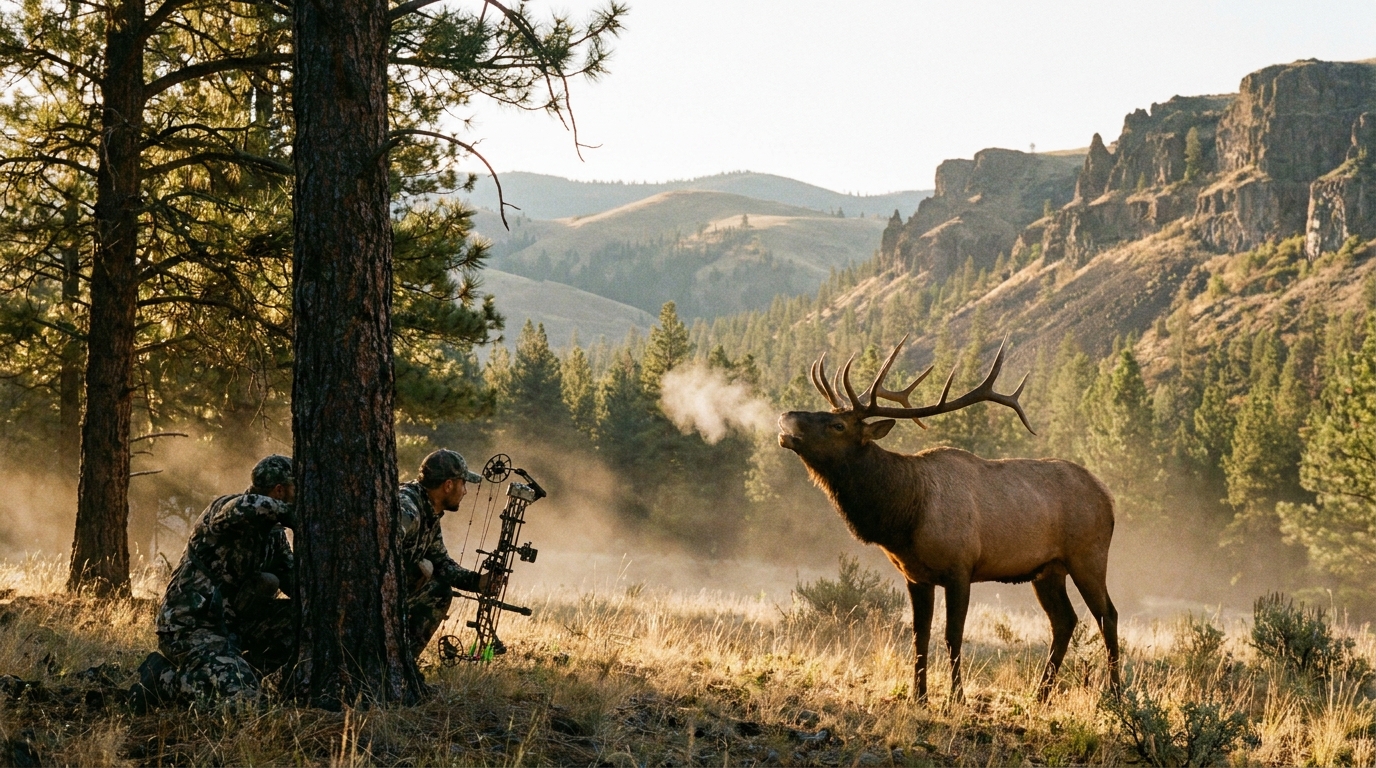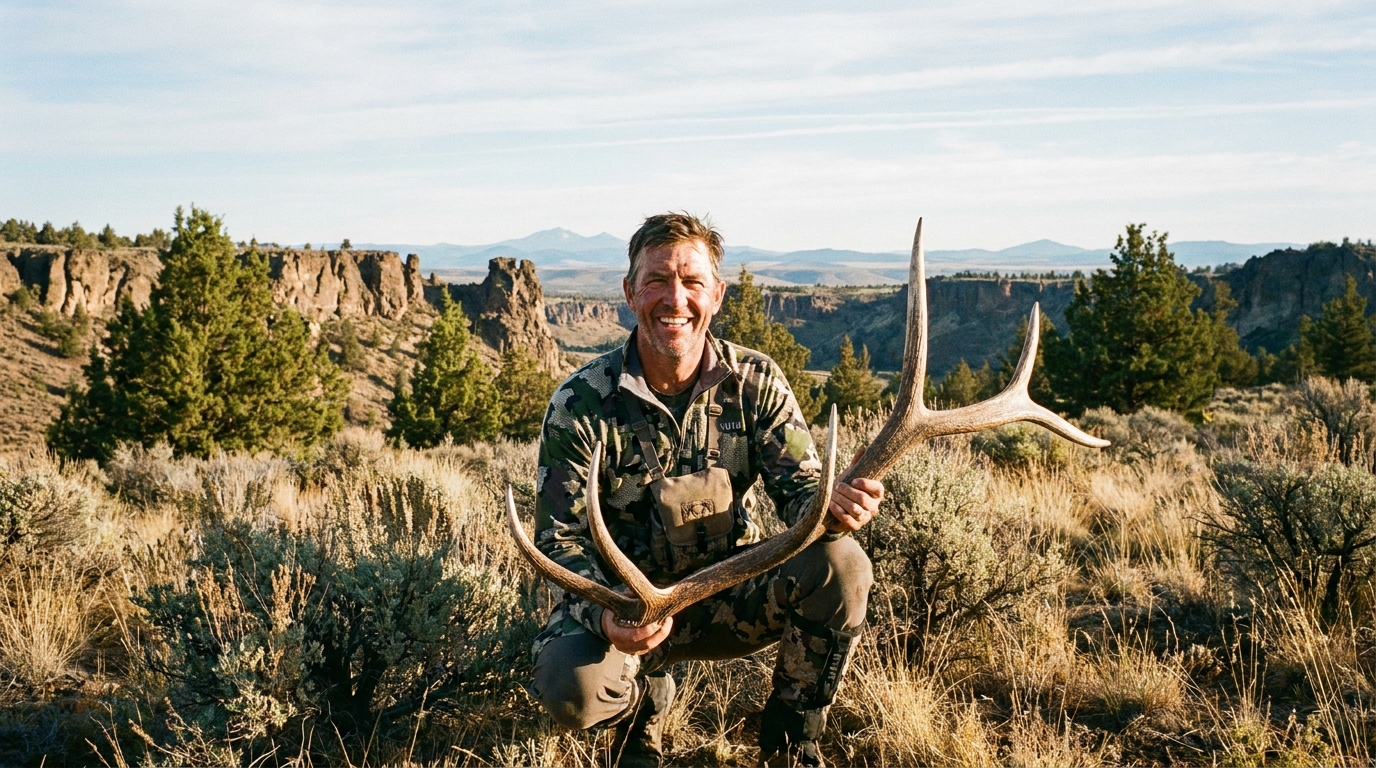
Every April and May, Oregon's mule deer bucks and Roosevelt and Rocky Mountain elk bulls drop their antlers. What hunters leave behind by not walking those same ridges and creek bottoms is staggering — not just in shed antlers, but in scouting intelligence that pays dividends straight through to November. Shed hunting in Oregon isn't just a hobby. Done right, it's one of the highest-ROI off-season activities a serious big game hunter can pursue.
Why Shed Antlers Matter to Hunters
Finding a fresh shed tells you a specific animal survived winter, made it through hunting season, and is still on the landscape. Finding multiple matched sets on the same hillside tells you about home range, travel corridors, bedding preference, and the quality of your hunting area. Sheds are ground truth that no OnX map layer can replicate.
They also tell you what your target animals look like — both individually and in terms of age class. A 160-class mule deer buck doesn't appear from nowhere in September; he's been growing for six or seven years, and if you find his April shed on a high desert ridge for three seasons in a row, you know he's alive, you know where he goes in spring, and you can reverse-engineer his fall patterns from there.
Timing: Don't Go Too Early
The most common shed hunting mistake in Oregon is going too early. Late winter and early spring stress elk and deer — winter forage is depleted, snow limits movement, and animals are physiologically taxed. Human intrusion during this period pushes animals off crucial winter range, costs them energy they can't afford, and in extreme cases contributes to winter mortality.
Most seasoned Oregon shed hunters wait until mid-March at the earliest for lower elevation mule deer country in the high desert. Cascade elk winter range is better left until April. By mid-April through mid-May, bulls and bucks have typically dropped everything, and the risk of pushing weakened animals has passed.
Exception: If you have trail cameras on year-round water, check your images. Once your target animals appear on camera without antlers — they've dropped. That's your green light.
High Desert Mule Deer: Where to Look
Eastern Oregon's high desert holds the bulk of the state's mule deer population, and the shed hunting is proportional. Key areas to focus on:
- South-facing slopes: Mule deer winter on south and southwest-facing slopes where solar exposure melts snow and exposes dry bunchgrass. Walk the top third of these slopes where deer spend the most time feeding.
- Saddles and passes: Deer move through low points in ridgelines daily. Shed antlers fall when deer jump, stumble on rocks, or shake their heads. Saddles concentrate sheds from animals using multiple drainages.
- Water sources: Springs, stock tanks, and creek crossings are high-traffic areas. The approach trails to water and the immediate surroundings are productive spots, especially in dry winters when water is concentrated.
- Bedding areas: Rocky outcroppings with southern exposure and visual dominance. Bucks bed facing downhill to watch for predators. Circle the perimeter before pushing into the center.
Key units for high desert mule deer sheds: Beatys Butte, Silvies, Long Creek, Fort Rock, and the Jordan Valley area in Malheur County. BLM land dominates most of these — free to access, vast to cover.
Roosevelt Elk in the Coast Range and Cascades
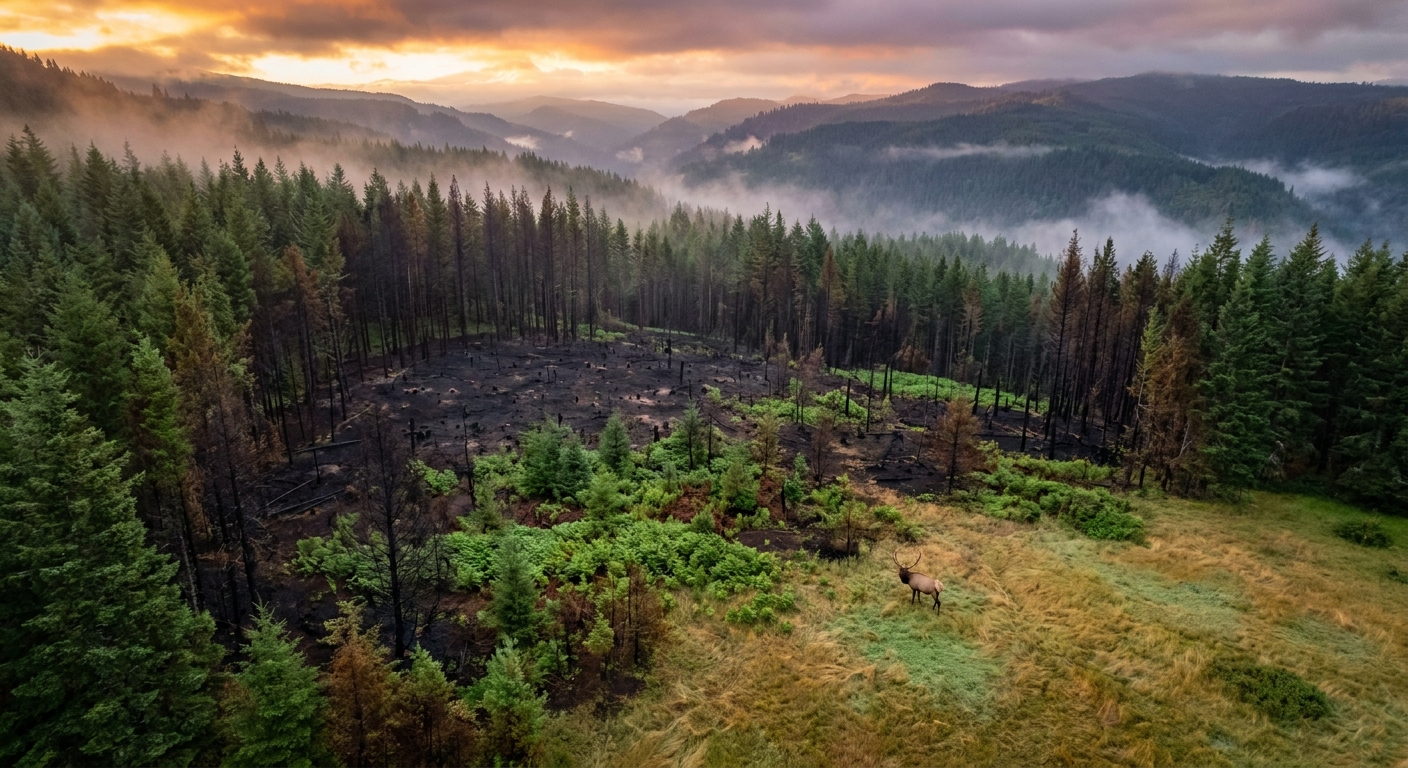
Roosevelt elk bulls in the Coast Range and western Cascades drop their antlers in March and April, often while still on lower-elevation winter range before the spring green-up pulls them uphill. The key difference from high desert mule deer hunting is the terrain: dense second-growth timber, steep drainages, and limited visibility.
Focus your Roosevelt elk shed hunting on:
- Clear-cuts 2–5 years post-harvest, where early grass growth holds elk through late winter
- South-facing forest edges adjacent to clear-cuts where bulls bed in timber but feed in openings
- Stream corridors — elk walk creek drainages as travel routes, and sheds turn up on gravel bars and crossing points
- Mineral lick areas, which see heavy elk traffic year-round
Rocky Mountain elk in the Blue Mountains and Wallowas often drop earlier than coastal Roosevelt elk. Check the upper Umatilla, Wallowa, and Grant County drainages from late February onward, especially in low-snow years.
Covering Ground Efficiently
The limiting factor in shed hunting isn't finding the right country — it's covering it. A systematic grid walk beats random wandering by a wide margin. Walk parallel transects spaced 30–40 yards apart across good habitat. Keep your eyes moving 20–30 yards ahead and off to the sides, not staring at your feet. Sheds appear as a disruption of pattern: the wrong color, the wrong shape, a tine pointing skyward from a pile of dry grass.
Binoculars help on open high desert slopes. Glass south-facing hillsides from a distance before committing to the hike — you can sometimes spot tines from 200 yards in good light.
Record What You Find
Every shed you find should be pinned in your mapping app with a note. Date, antler side, estimated score, habitat type. Accumulate this data over multiple seasons and patterns emerge that are worth real money come September. The saddle that produces a south-fork mule deer buck shed four years running is worth sitting on opening morning of archery season.
The Carry-Out Calculation
A big 6x6 elk shed can weigh 15–20 pounds. A matched pair from a mature bull is a significant pack-out from roadless country. Bring a pack frame or frame sheet, a cargo strap, and the physical fitness to haul bone out of a canyon. Nothing ruins a great shed hunting day faster than finding a giant set with no way to carry it out cleanly.
The Bottom Line
Shed antler hunting in Oregon rewards effort, patience, and systematic thinking — the same qualities that make successful hunters. Every bone you find is a data point, and every data point brings you closer to making the shot count when it matters. Hit the hills in April, cover ground methodically, and let the landscape tell you where the big ones live.