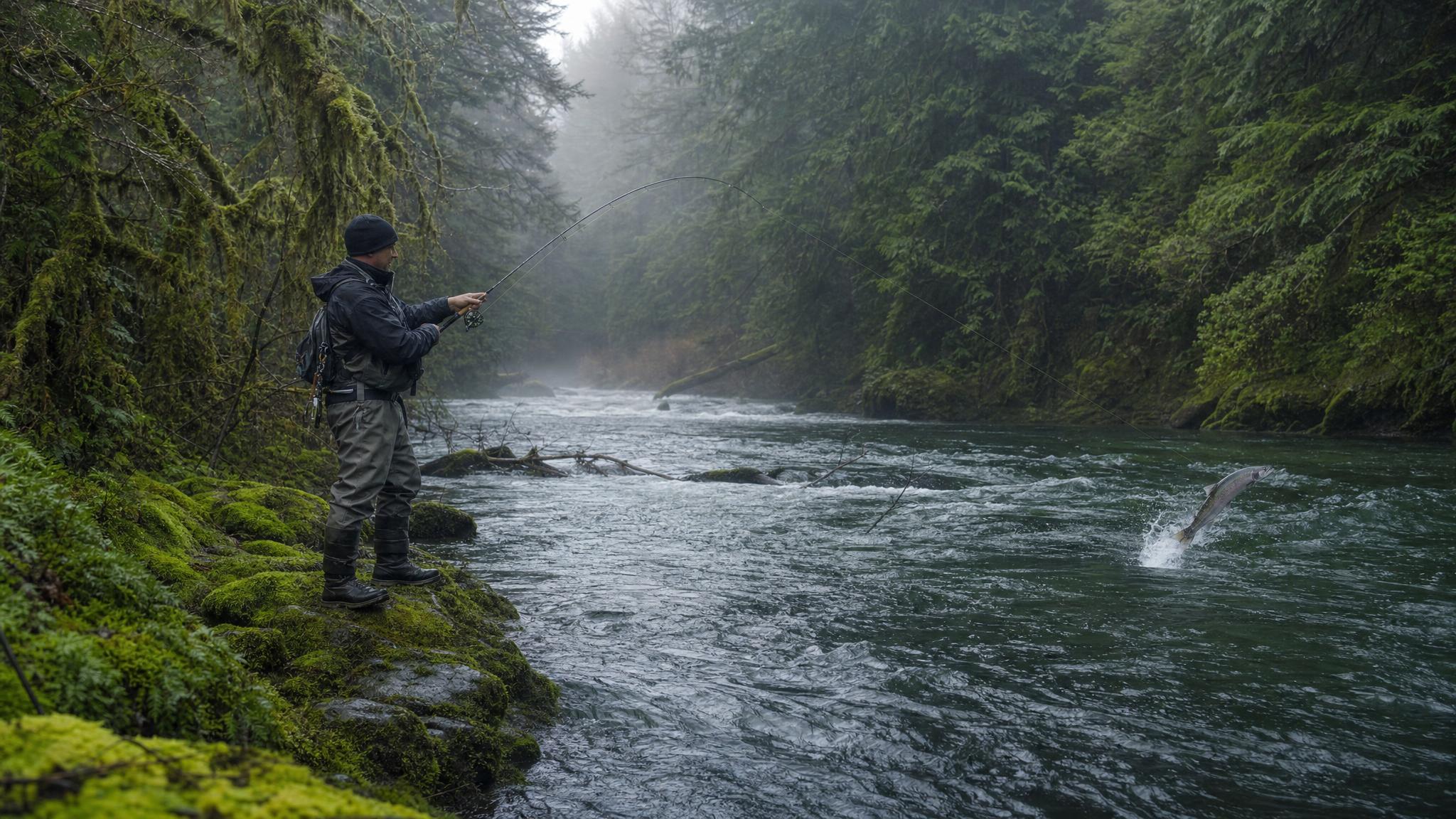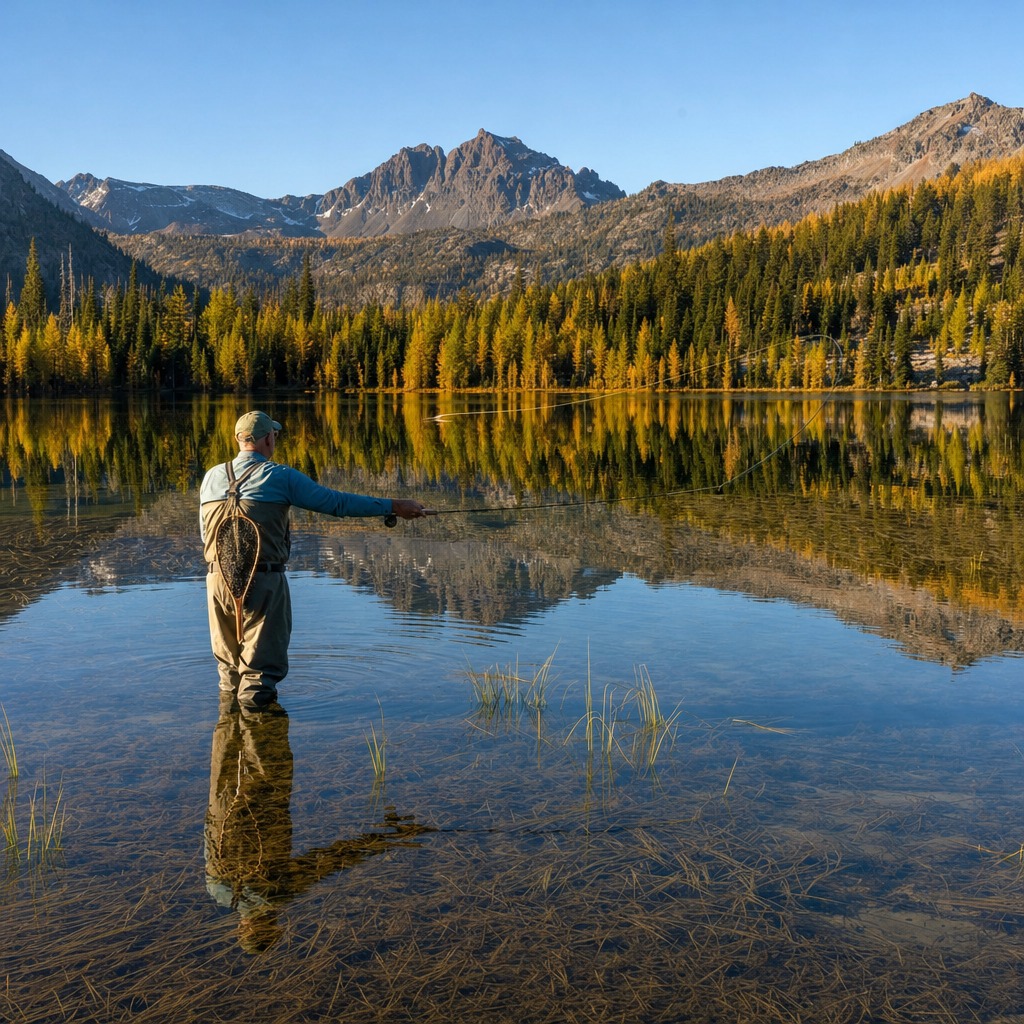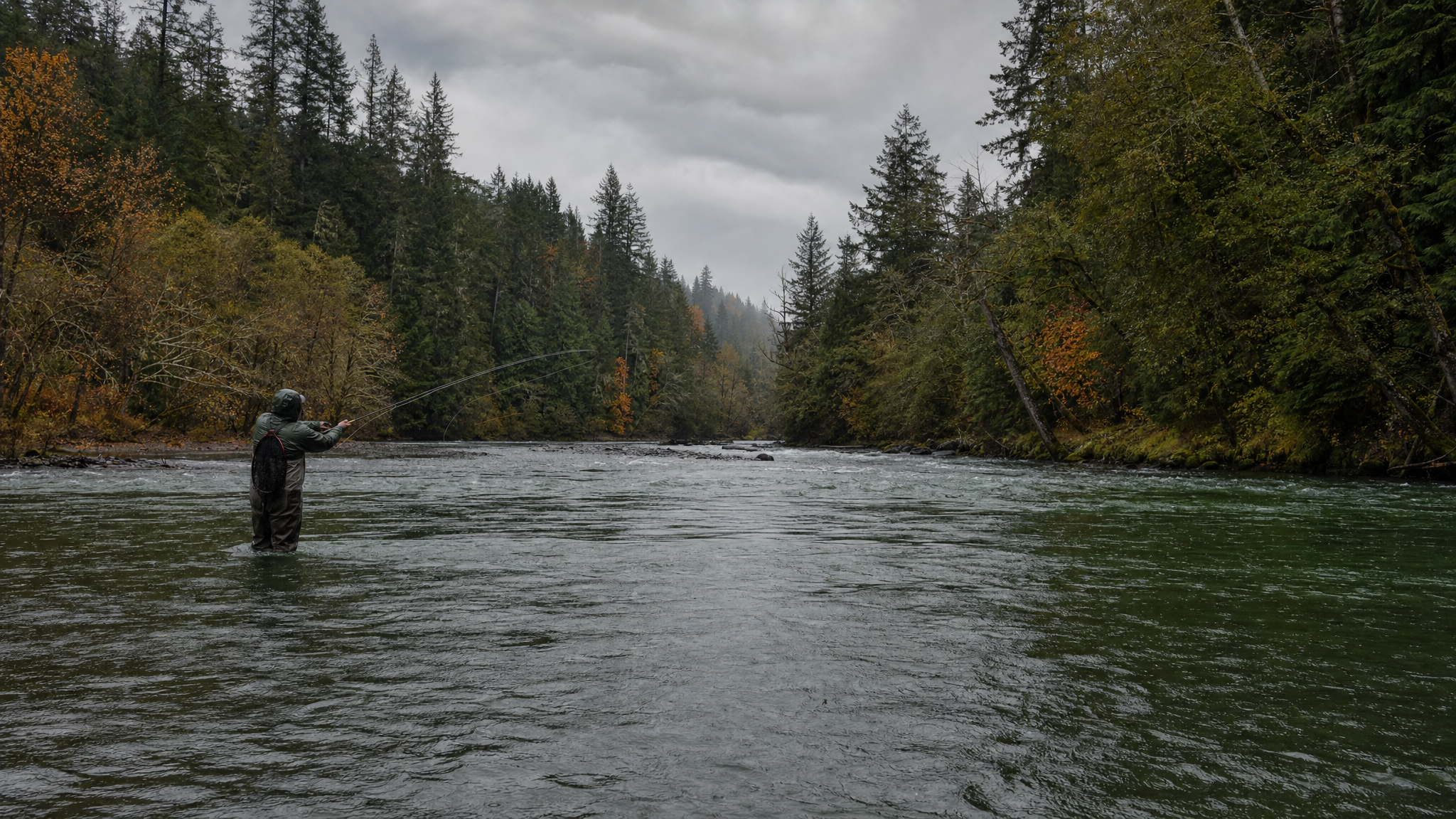
When the first real November rains push into the Oregon Coast Range, the Siletz River wakes up. While anglers crowd the Wilson, Nestucca, and Trask, the Siletz quietly draws its own run of native winter steelhead — wild, chrome-bright fish that have seen less pressure and have a lot more fight left in them. If you're willing to drive past the obvious turnoffs on Highway 18, the Siletz will reward you.
Why the Siletz in November
The Siletz is an underappreciated gem in Lincoln County. It drains a rugged section of the northern Coast Range, holding cold, tannic water that steelhead love. The river typically sees its first serious push of winter-run fish in late October and November, often timed with the second or third significant rain event of the season. These early-run fish are aggressive and fresh from saltwater — the best combination you can hope for in a steelhead.
Unlike the larger Nestucca to the north, the Siletz has long stretches of public bank access and good wading water. ODFW hatchery plants supplement the fishery, but wild native fish are present throughout the season. Check current regulations: the Siletz has sections with wild fish retention restrictions, so know your water before you go.
Key Siletz River Access Points
- Moonshine Park (Lincoln County): One of the best public access sites on the river. Good bank fishing, a launch for drift boats, and deep holding water downstream from the park. This is a proven early-season spot.
- Siletz Gorge: Upstream from the town of Siletz, the river cuts through a dramatic basalt gorge. The pools here hold fish even in low-water conditions, though access requires a hike. Worth every step.
- Highway 229 Corridor: The lower river from Kernville to tidewater runs alongside Highway 229 and offers numerous pull-offs with bank access. Scan the pools before you commit — you can often spot fish holding in this section.
- Toledo Area Tidewater: Fresh fish stack up in the tidewater reach near Toledo waiting for high water to push them upstream. Fish the outgoing tide for the most active bite.
Tackle and Techniques for November Siletz Steelhead
Drift Fishing
The most productive technique on the Siletz in November is drift fishing with roe, sand shrimp, or a combination of both. Rig a 3/0 to 4/0 Owner Octopus hook with a corky or yarn ball above a fresh egg cluster. Use enough pencil lead or Slinky weight to keep your presentation bouncing just off the bottom. Work the main seams, the tailouts of pools, and anywhere current meets slack water. The Siletz bottom tends toward cobble and bedrock — be ready to lose some gear.
Swinging Flies
Two-handed spey rods shine on the Siletz. The river's width — rarely more than 60 to 80 feet across in most wading sections — is ideal for single or switch rods as well. Early in the season, swing large, heavy intruder-style patterns in black, purple, and chartreuse. As the season progresses and water drops, scale down to smaller leeches and marabou patterns. Skagit lines with tips in the 12–15 foot T-14 range are ideal for getting flies down in the deep November water.
Spinners and Plugs
Blue Fox Vibrax spinners in sizes 4 and 5, copper or chrome finish, are a consistent producer on the Siletz. Cast across-and-down and let the current sweep the spinner through the lie. For boat anglers, back-bouncing Hot Shots and Kwikfish (K14–K16) in metallic orange, gold, or cerise over known holding lies is deadly on fresh fish.
Seasonal Conditions and River Timing
The Siletz can blow out quickly. When the gauge at Siletz (USGS site 14305500) reads above 10 feet, the river is typically too high and muddy to fish effectively. The sweet spot is 4–8 feet — enough water to move fish, clear enough to see your presentation. After a rain event, give the river two to three days to drop and clear. This is when the fish are on the move and easiest to intercept.
November water temperatures on the Siletz typically range from the low 40s to low 50s Fahrenheit. At these temps, steelhead are active but deliberate. Slow your drift down, fish your swing more methodically, and give each run a thorough treatment before moving on.
Regulations and Licensing
Oregon fishing regulations for the Siletz are updated annually. As of recent seasons, the river above tidewater has been open year-round for steelhead. Wild fish retention is prohibited in many sections — check the current ODFW Sport Fishing Regulations booklet for exact boundaries. You'll need a valid Oregon angling license, Combined Angling Tag (for steelhead), and a Two-Rod Angling Validation if you fish two rods simultaneously.
What to Bring
- Chest waders and studded wading boots — the Siletz bottom is slick
- Rain gear: November on the Oregon Coast means rain, guaranteed
- Thermometer for checking water temp
- ODFW regulations booklet (or the app)
- A cooler if you plan to keep hatchery fish
The Siletz River is one of Oregon's most rewarding and underutilized steelhead destinations. Skip the crowded parking lots on the Trask this November and give the Siletz a serious look. The fish are there — and odds are good you'll have a run all to yourself.