September on Tillamook Bay is one of those moments Pacific Northwest anglers live for. When the first wave of fall Chinook rolls in off the Pacific and pushes into the estuary, this broad, productive bay on Oregon's north coast becomes one of the most productive salmon fisheries in the state — and one of the most accessible. Whether you're running a sled, a center-console, or a 14-foot aluminum jon boat, Tillamook Bay has water for you.
Understanding the Bay and the Run
Tillamook Bay is fed by five rivers — the Tillamook, Trask, Wilson, Kilchis, and Miami — making it Oregon's largest coastal bay south of the Columbia. That massive freshwater input creates a rich estuary that attracts and concentrates baitfish, which in turn draws kings waiting for the right conditions to push upriver.
The fall Chinook run on Tillamook Bay typically peaks between mid-September and mid-October, though fish begin staging in the lower bay and bay mouth as early as late August. These are wild and hatchery fish, primarily bound for the Trask and Wilson River hatcheries. ODFW typically keeps the bay open for hatchery retention through the heart of the season — always check the current ODFW regulations and emergency orders before you go, as dates and bag limits shift year to year.
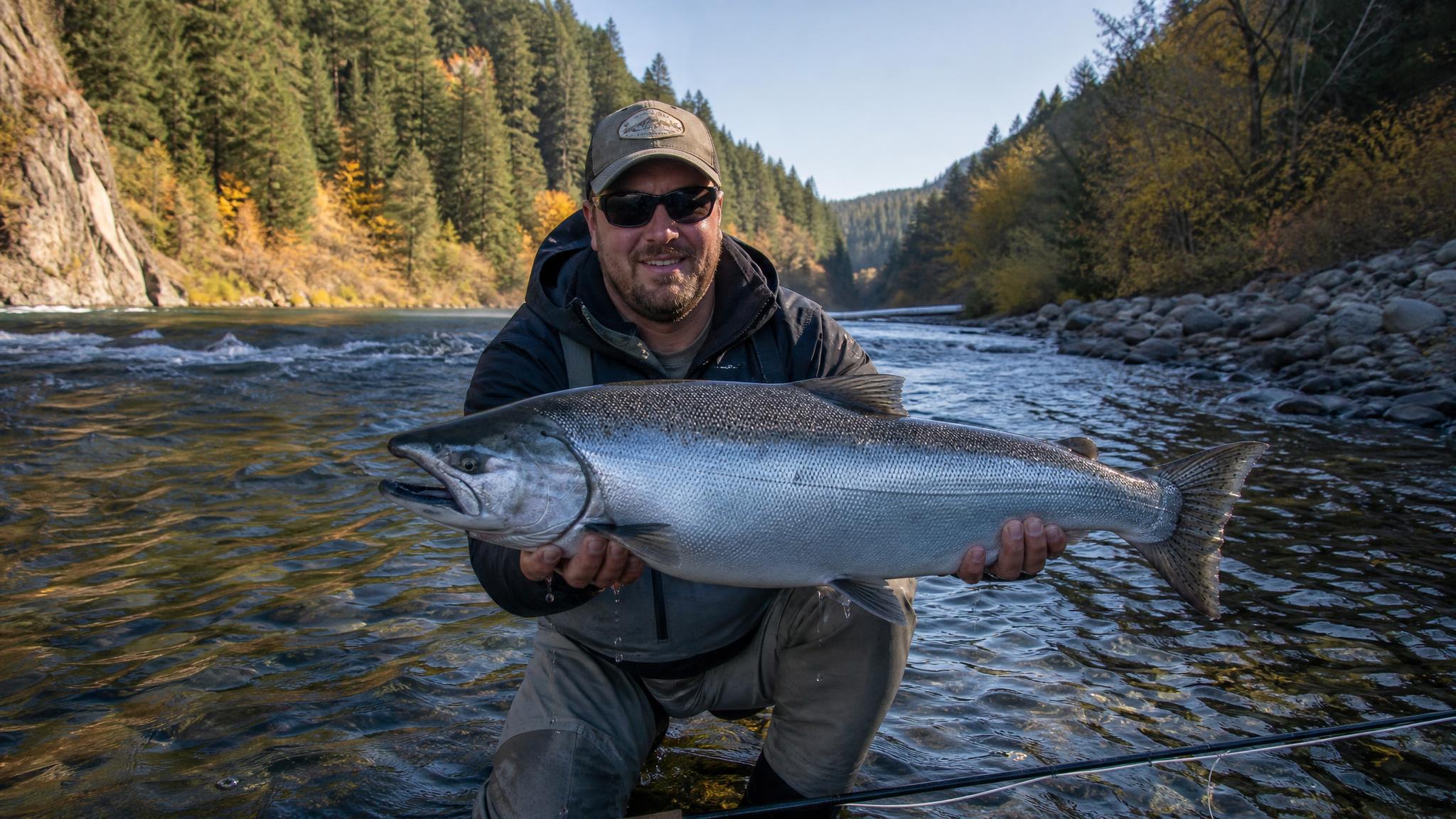
Fish in the 15–30 pound class are common, with occasional 40+ pound kings showing up to remind you why you bought the bigger rod holder. September fish are bright silver, sea-liced, and absolutely will smoke a drag.
Anchoring: The Bay's Most Productive Method
When Tillamook Chinook are stacked in the deeper bay channels, anchoring over productive structure and back-bouncing bait is the most consistent technique. The key zones include the deep channel near the Tillamook Port docks, the drop-offs along the Tillamook River mouth, and the confluence zone where the Trask and Wilson mix with bay water near the upper bay.
Set up on a strong incoming or outgoing tide — both can be productive, but many local guides prefer the last two hours of the incoming and the first two of the outgoing. Drop anchor 20–40 feet upstream of the structure you're targeting and let your boat swing into position.
Anchor Rig Setup
- Rod: 8.5–10 ft medium-heavy salmon/steelhead rod with a sensitive tip
- Reel: Levelwind loaded with 30–50 lb braid mainline
- Leader: 20–25 lb fluorocarbon, 24–36 inches
- Hook: 4/0–5/0 Octopus or Gamakatsu red hook
- Bait: Sand shrimp, cured salmon roe, or a plug-cut herring soaked in Pautzke Fire Brine
- Weight: 2–6 oz Slinky or pencil lead to hold bottom in current
Let your rig drift down and just tick bottom. Tillamook Chinook are notoriously subtle biters when holding — you're looking for a change in pressure, a twitch, or a slow thump. Set the hook hard on anything that isn't the current.
Trolling: Covering Water to Find Active Fish
When fish are moving through the bay rather than holding, trolling is the method that finds them. The main bay channel from the bay mouth near the Barview jetty all the way to the upper bay is fair game at trolling speeds of 2.5–3.5 mph.
Top Trolling Setups
- Plug-cut herring: Behind a flasher, 6–8 feet of 25 lb flouro leader, run 15–25 feet down on a downrigger or diver
- Kwikfish or Brad's Wiggler (K16/K15): Wrapped with cured sardine fillet and trolled slow — 2 mph max — on a short 4-foot leader behind a heavy sinker or diver
- SpinFish lures: These spin-style lures in chartreuse/chrome or green/chrome work well in the bay's slightly turbid September water
- Cut-plug herring on a spreader: Old school, still deadly — run two rods off the stern and two off the sides for a four-rod spread
Work the channel edges, not just the center. Chinook often cruise the seam where shallow bay flat meets the drop-off into the channel. A fish finder helps enormously — you're looking for schools of baitfish with suspended shapes above or near them.
Bay Mouth and Jetty Zone
The area just inside the rock jetties at the Barview entry is where early-run fish first stage before dispersing into the bay. On a calm morning, before the bar gets any chop, fishing the bay mouth is electric. Trollers make tight loops just inside the jetties while anchor fishermen set up on the channel edge near the north spit.
Be aware: the Tillamook Bay bar is notoriously dangerous when the swell and wind are up. The USCG bar condition reports are your bible. Small boats have no business crossing the bar in anything over 3 feet — and even then, the experienced local captains will tell you 2 feet and under is where they get comfortable. Check the Cape Meares buoy (NOAA Station 46050) before you ever load the trailer.
Tides, Weather, and Timing
Tidal influence on Tillamook Bay is significant — a 6+ foot tidal swing is common, and fish move with it. Fish are most active during tidal transitions and often go quiet during slack water. Plan your trips around the tides, not the clock.
Water clarity is a factor after rain. A little color (stained, but not muddy) can actually improve fishing as it gives fish confidence to move. True chocolate water after a major rain event typically shuts things down temporarily. The Wilson and Trask drain fast, however — the bay often clears within 24–48 hours of a rain event ending.
Licenses and Regulations
You'll need a valid Oregon fishing license with a Combined Angling Tag (which covers Chinook salmon). Check the ODFW North Coast regulations summary for current season dates, retention rules for wild vs. hatchery fish, and any emergency closures. The Tillamook Bay area has its own specific boundary descriptions in the regs — read them carefully before launching.
Boat Launch Options
- Port of Tillamook Bay: Main commercial and sport fishing port, full amenities, ample trailer parking
- Barview Jetty County Park: Good for boats targeting the bay mouth zone
- Memaloose Boat Ramp: On the Tillamook River arm, good access to upper bay and river mouth
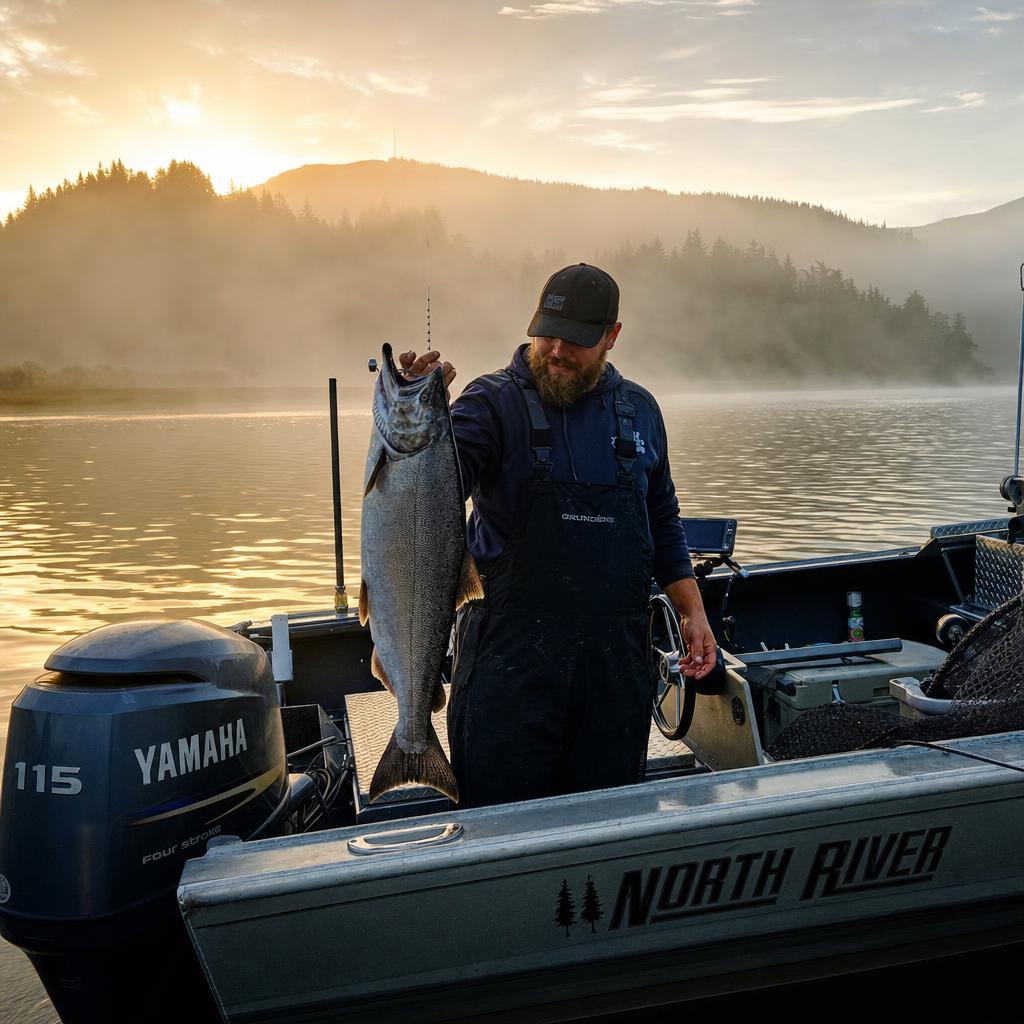
Tillamook Bay fall Chinook fishing is the kind of experience that converts people into salmon anglers for life. The scale of the estuary, the quality of the fish, and the setting — misty mornings, herons on the mudflats, green hills rolling into fog — make it one of Oregon's crown jewel fisheries. Load the cooler, check the bar, and go get yours.