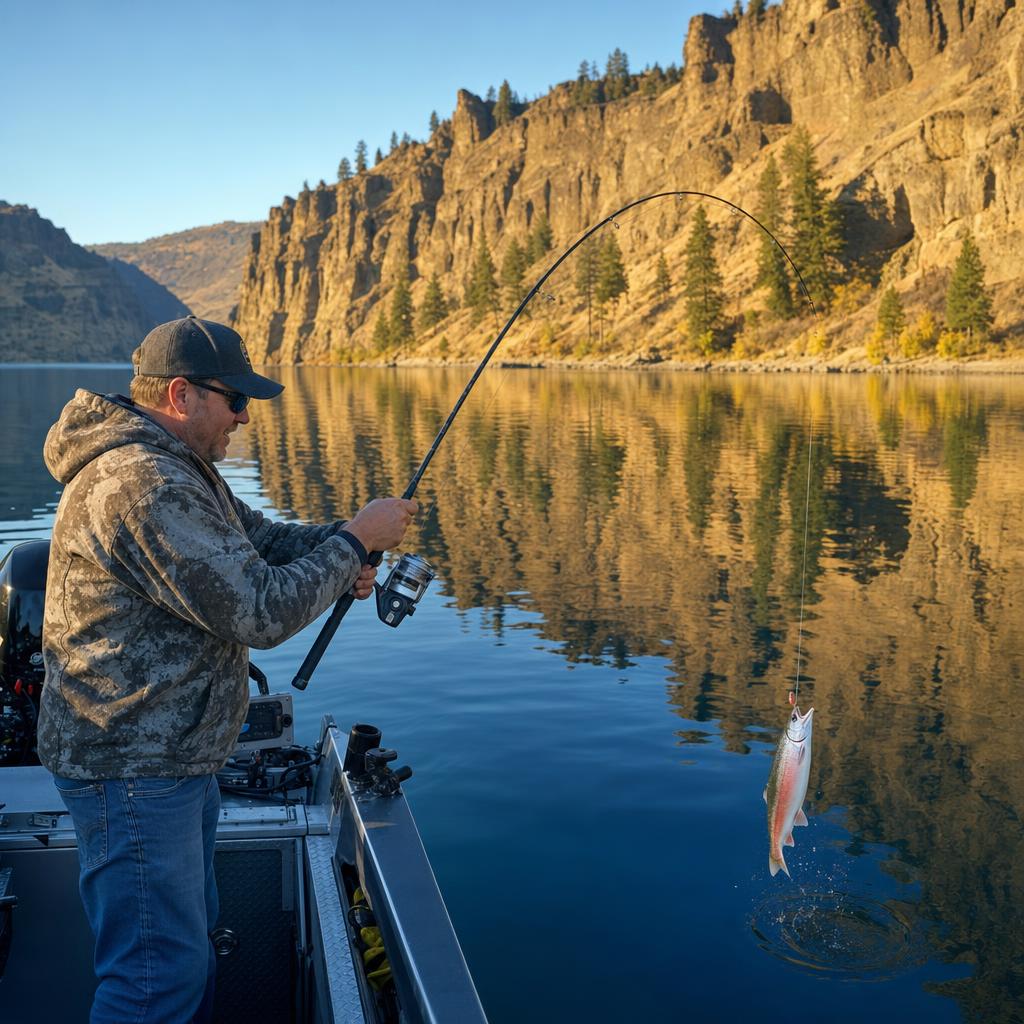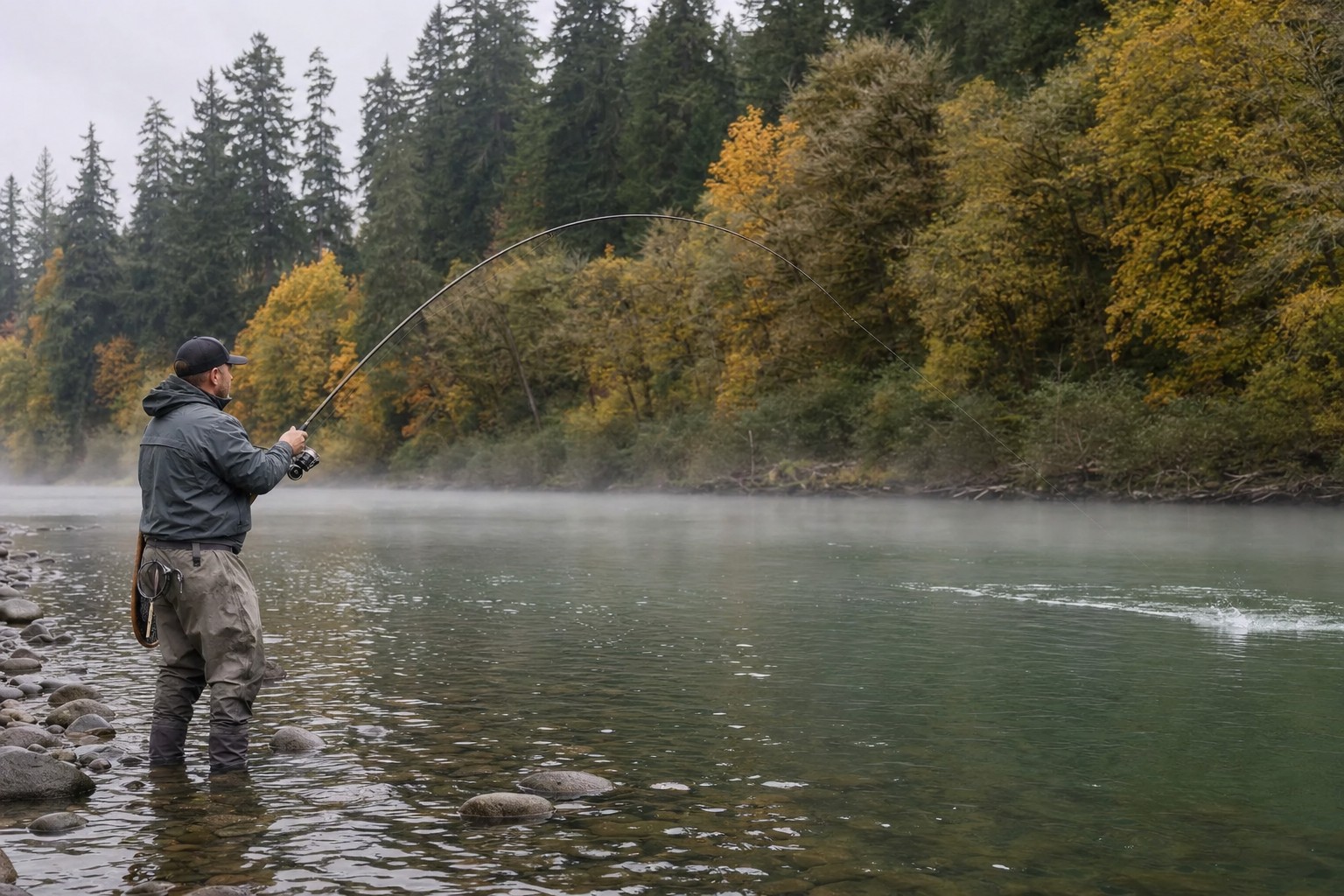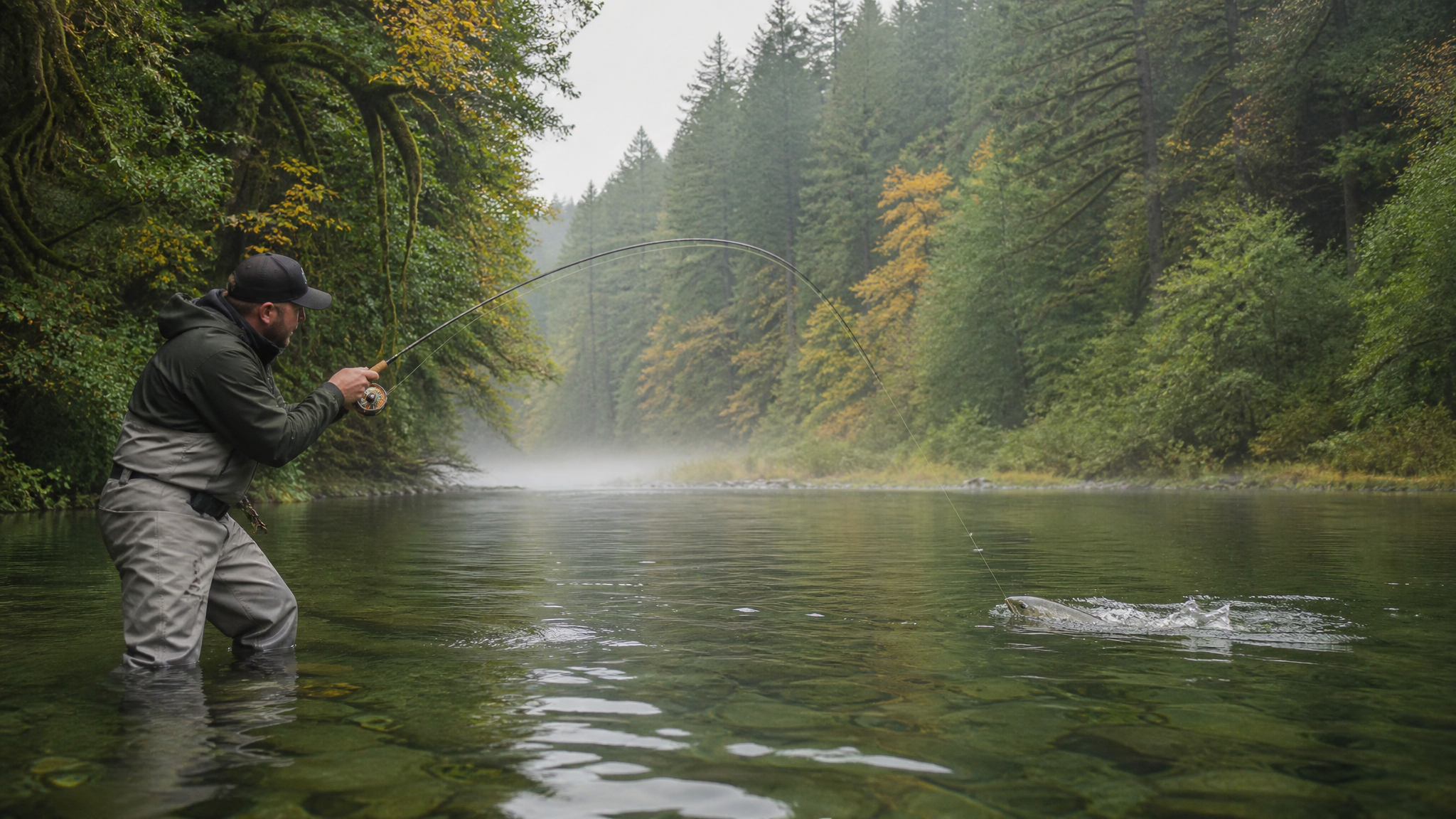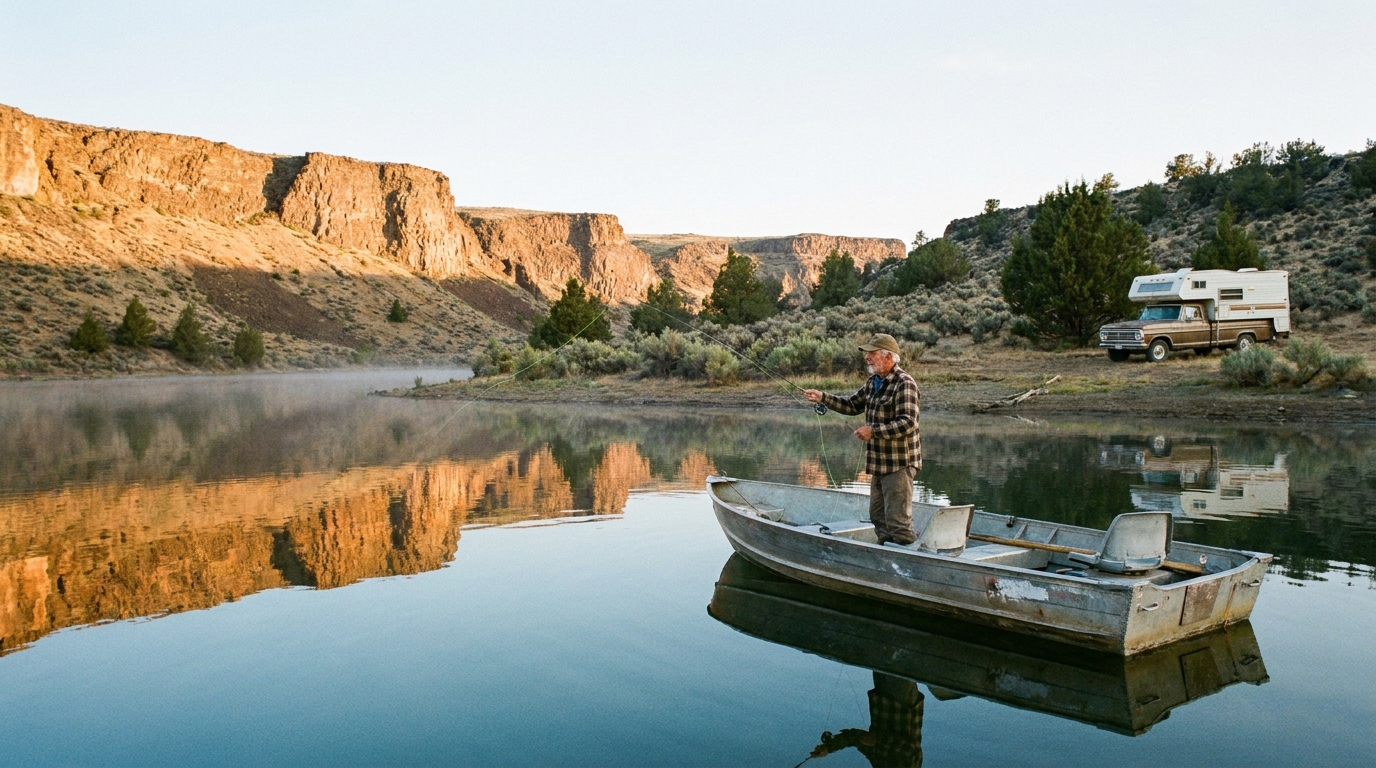
Tucked into the rimrock canyons of Malheur County, Beulah Reservoir sits at 3,500 feet elevation in some of Oregon's most remote high-desert country. Most Willamette Valley anglers have never heard of it. The ones who have tend to guard it like a family secret. For good reason — when conditions are right, Beulah delivers consistent rainbow trout action in a setting that feels a world away from crowded Central Oregon lakes.
Where and What Is Beulah Reservoir?
Beulah is an irrigation impoundment on the North Fork Malheur River, operated by the Bureau of Reclamation, located about 30 miles northeast of Burns in Harney County. It covers roughly 2,800 surface acres at full pool, with depths reaching 50 feet in the old river channel. ODFW manages it as a put-and-grow rainbow trout fishery, stocking legal-sized fish that grow quickly on the reservoir's abundant forage base.
Access is via Highway 20 east to Juntura, then north on North Fork Road. The last few miles are gravel, so a high-clearance vehicle is recommended in wet conditions. There's a boat ramp and basic day-use facilities. Primitive camping is available nearby, but bring your own water — this is desert country.
Best Times to Fish Beulah
The reservoir opens in late April as ice retreats from the upper arms, but July is a sweet spot that most anglers overlook. Water temperatures in the 55–62°F range push trout into feeding mode, and early morning surface activity can be spectacular. Late June through early August, fish congregate in the shallower coves off the main channel, especially near the inlet arms where the North Fork Malheur delivers cooler water.
Proven Tactics
Trolling
Trolling is the most consistent producer at Beulah. Run Ford Fenders or Sep's Pro Flashers ahead of a night crawler at 1.5–2.0 mph along the 15–25 foot depth contour. Chart the old river channel and work transitions between deeper structure and the shelving gravel flats. Dick Nites and Thomas Buoyant spoons in gold/orange produce reliably when the flasher bite slows.
Bank Fishing
Bank anglers do well from the rocky points on the east arm. Powerbait works as anywhere, but at Beulah, a half-night crawler fished under a slip bobber in 8–12 feet of water near the inlet regularly out-fishes dough baits. Cast toward the weed edge at first light and hold on.
Fly Fishing
A float tube or pontoon opens up serious fly fishing opportunities. Callibaetis mayfly hatches run through July afternoons — look for dimpling fish on the calm surface of the upper arms. A size 14–16 Parachute Adams or CDC Cripple will fool reservoir rainbows that are actively rising. When hatches aren't occurring, a Woolly Bugger stripped along weed edges covers ground efficiently.
Regulations and Limits
Check current ODFW regulations before your trip. Beulah typically follows statewide trout regs for most of the season: five fish per day, eight-inch minimum. The Malheur River arm above the reservoir has special regulations, so confirm boundaries before you fish upstream.
What to Bring
- 10-foot medium action spinning or casting rod for bank fishing
- Trolling setup with downrigger or lead core for depth control
- Float tube or small pontoon boat (launches easily at the ramp)
- Sun protection — this is high desert, exposed and unforgiving
- Two days of water minimum — nearest services are in Juntura or back in Burns
- OnX Maps or Gaia GPS — cell service is essentially nonexistent
Making the Trip
Beulah rewards anglers willing to make the drive. If you're based in the Valley, plan an overnight. Burns has motels, fuel, and a grocery store. From Burns, it's under an hour to the reservoir. Pair a Beulah trip with a morning fishing the North Fork Malheur River above the reservoir for wild redband trout in truly remote canyon water. Few Oregon fishing experiences match a July sunrise over Beulah's rimrock walls with a stringer building and nobody else in sight.