Your bow quiver is one of those pieces of gear that rarely gets discussed until it causes a problem. An arrow falls out at a critical moment. The quiver bangs a branch and spooks a buck at 20 yards. The weight distribution throws off your shot. With Oregon's archery deer and elk seasons just weeks away, now is the time to evaluate what's hanging off your bow — or what should be hanging off your body instead.
The Three Main Quiver Systems
Bow-mounted quivers, hip quivers, and back quivers each represent a distinct philosophy about how to carry arrows in the field. For dedicated bowhunters, the choice is more consequential than it seems.
Bow-Mounted Quivers
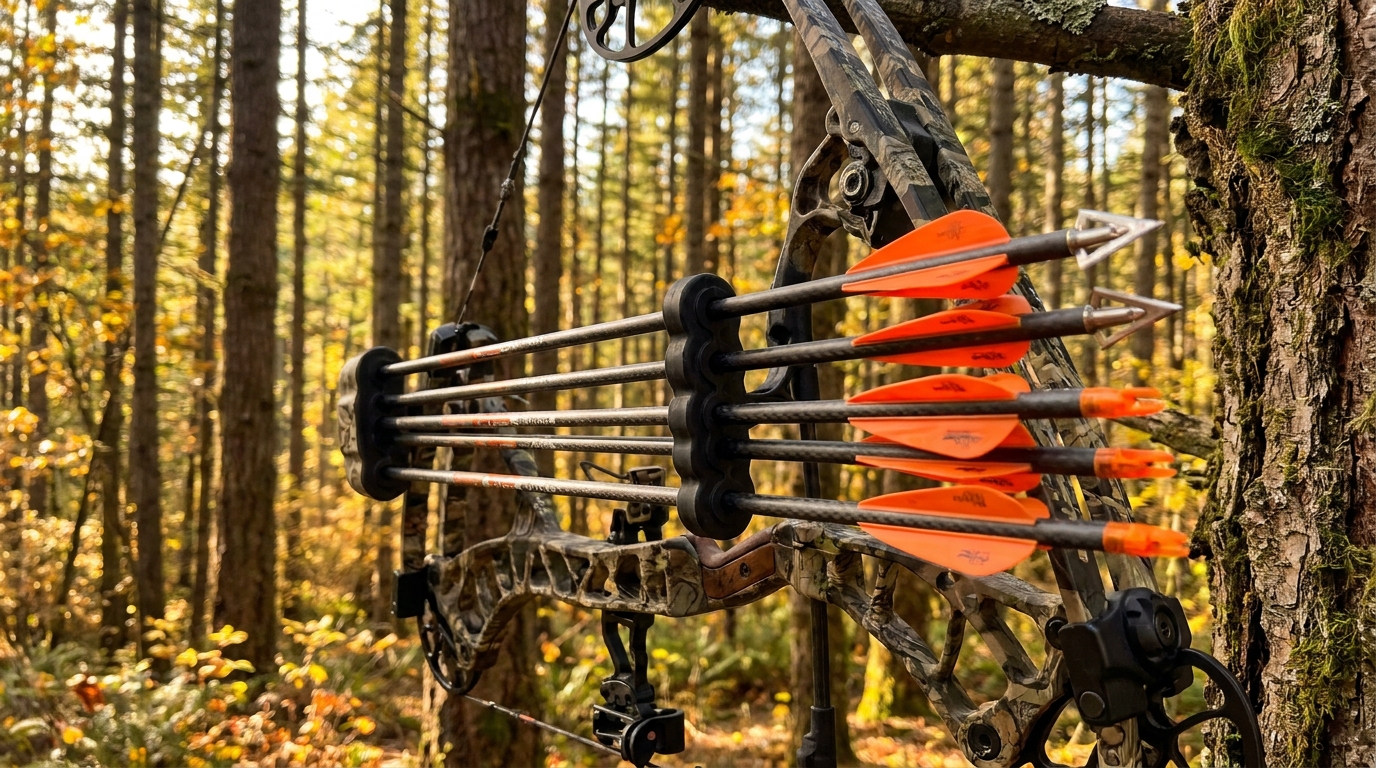
The bow-mounted quiver is the default for most compound hunters. It attaches directly to the riser via two-point or single-point mounting, keeps arrows immediately accessible, and eliminates the need for a separate carrying system. Products like the Tight Spot 5-Arrow Quiver, the Bee Stinger Sport Hunter, and the Trophy Ridge Volt dominate the market for good reason — they work.
The primary benefit is convenience. You never leave your arrows leaning against a tree or forget them in the truck. The system travels with the bow, keeps broadheads protected, and requires zero technique to use.
The downsides are real, though. A bow-mounted quiver adds weight — typically 10 to 16 ounces fully loaded — and shifts the bow's balance toward the arrow side. This affects both the bow's hand shock and your aiming behavior. Many hunters who shoot tight groups off the bench find their field accuracy suffers slightly with a full quiver attached due to the torque difference. Removing the quiver before shooting is the ideal solution, but it introduces the risk of noise and time lost during a shot opportunity.
What to Look for in a Bow-Mounted Quiver
- Hood grip: Each arrow should be held independently and securely. Gripper-style hoods (like those on the Tight Spot) hold broadheads firmly enough to pass a shake test without damage to the blades.
- Detach speed: If you plan to remove the quiver before your shot, practice the detach until it's silent and takes under 3 seconds.
- Vibration dampening: Quality quivers include dampeners at both mount points. Rattling arrows at full draw or during a stalk is a common and avoidable mistake.
- Arrow capacity: For western elk hunting, 5 to 6 arrows is the standard. 3-arrow quivers are fine for stand hunting where resupply is nearby; less practical for a 10-mile backcountry elk hunt.
Hip Quivers: The Traditional Archer's Choice
Hip quivers are carried on the belt or a dedicated harness on the non-draw side of the body. They're the standard for target archers and many traditional hunters, and they eliminate the bow-balance issue entirely. A quality leather or synthetic hip quiver (Bob Lee, 3 Rivers Archery, Neet) holds 6 to 12 arrows, keeps them accessible, and adds zero weight to the bow.
The drawbacks are real in a hunting context. Hip quivers require body rotation to access arrows, which can be awkward from a treestand. Arrow tips are partially exposed, requiring a hood or field tips only — though some hip quivers include covered tube sections for broadhead storage. Moving through brush with hip-quivered arrows requires care to avoid catching or noise.
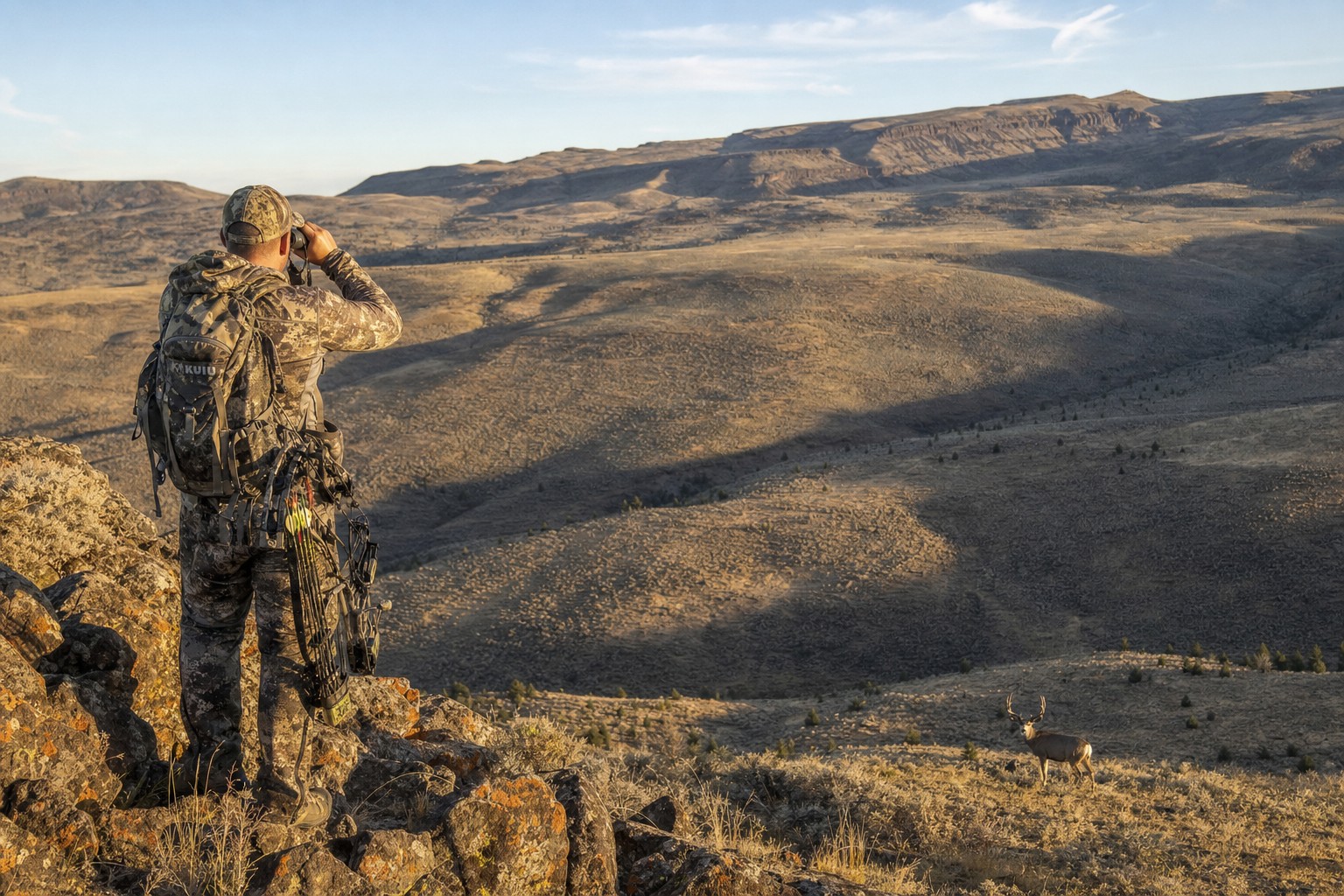
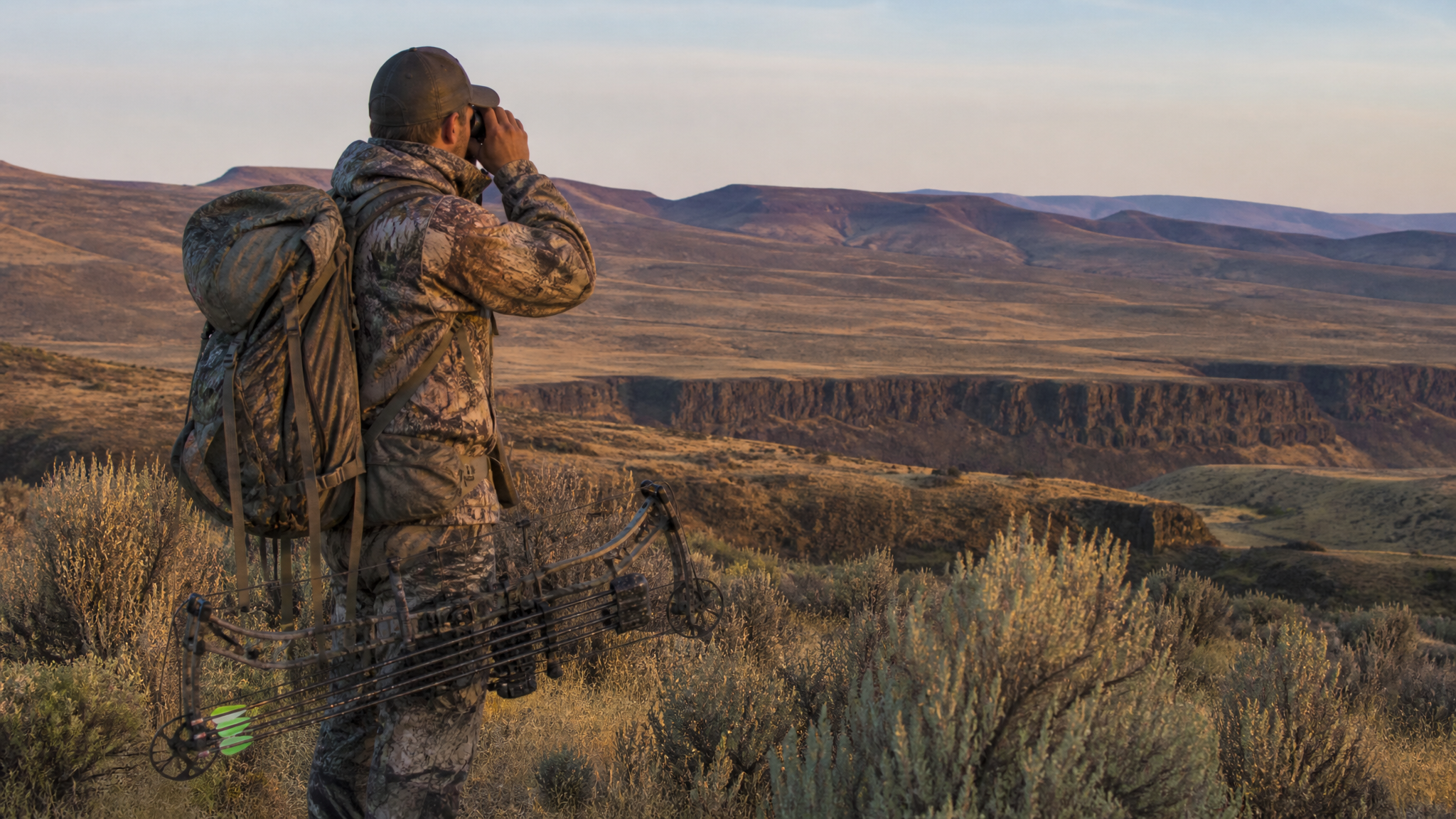
For spot-and-stalk hunting on Oregon's open-country mule deer or pronghorn units — where you're covering ground on foot and shooting from kneeling or seated positions — a hip quiver is genuinely practical. It keeps your bow lighter and more maneuverable during the stalk, and arrow retrieval is fast once you reach shooting position.
Back Quivers: Romantic, Practical in Limited Situations
Back quivers have been making a modest comeback among traditional archers and hunters looking to reduce bow weight. They're comfortable for long-distance travel with a recurve or longbow, and they look incredible in the Oregon backcountry. The Olympic-style back quiver or a well-made elk hide traditional quiver is a pleasure to carry.
For hunting, though, back quivers are niche. Arrow retrieval from a back quiver requires a specific arm motion that must be practiced extensively before it becomes natural. In a treestand or ground blind, access is awkward at best. Arrows can shift and rattle during aggressive movement. Most bowhunters who romanticize the back quiver end up reverting to hip or bow-mounted options after a close encounter where the extra second of arrow retrieval mattered.
If you shoot traditional and cover miles of Oregon timber or high desert on foot, a back quiver is worth experimenting with. Practice the draw stroke hundreds of times before the season. The motion needs to be automatic.
The Detached-Quiver Approach
An increasingly popular option among serious compound hunters is the hybrid approach: bow-mounted quiver for travel and stalking, detached and hung on a branch or laid quietly aside when in position for a shot. This gives you the best of both worlds — convenient transport with a balanced shot when it counts.
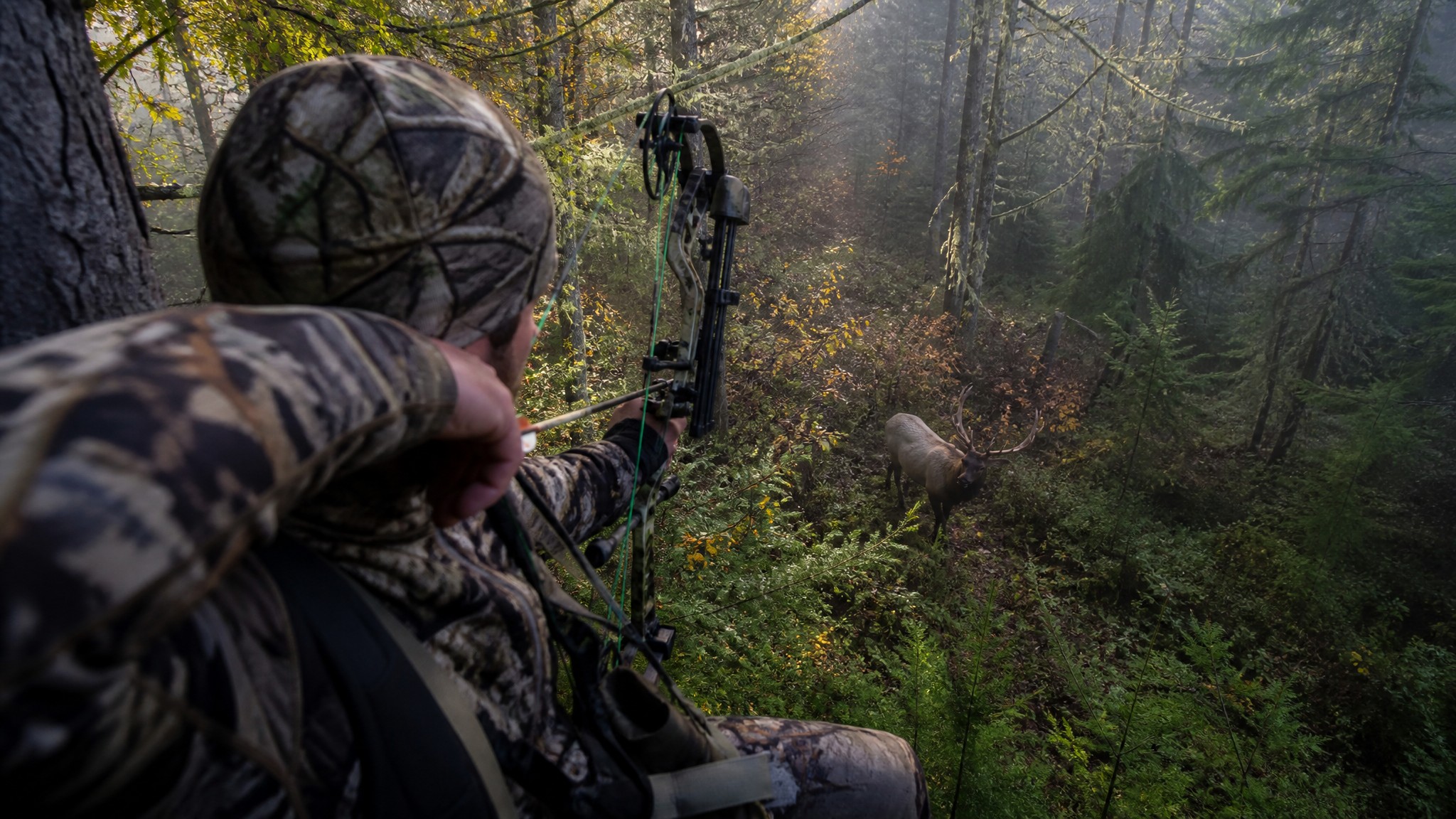
The key is making the detach habit bulletproof. Add it to your shooting routine: settle into position, check your anchor, detach the quiver, hang it, nock your arrow. Do this sequence 100 times in the backyard so it's automatic at 30 yards with a bull elk feeding at the edge of timber.
Recommendations by Hunt Type
- Treestand blacktail in Oregon's coast range: Bow-mounted 5-arrow quiver (Tight Spot or equivalent), detached once on stand
- Backcountry elk in the Wallowas or Blues: Bow-mounted 6-arrow quiver for the stalk, practice the detach sequence
- Open-country mule deer spot-and-stalk: Hip quiver for reduced bow weight during long approaches
- Traditional archery hunting: Hip quiver for covered approaches, back quiver if you've committed to the practice
Whatever system you run, test it aggressively before the season. Knock arrows in and out of the hood in the dark. Stalk through brush with a full quiver. Detach it from a treestand at shooting distance from a foam buck. The quiver is the last thing most hunters practice with, which is exactly why it causes problems at the worst moments.