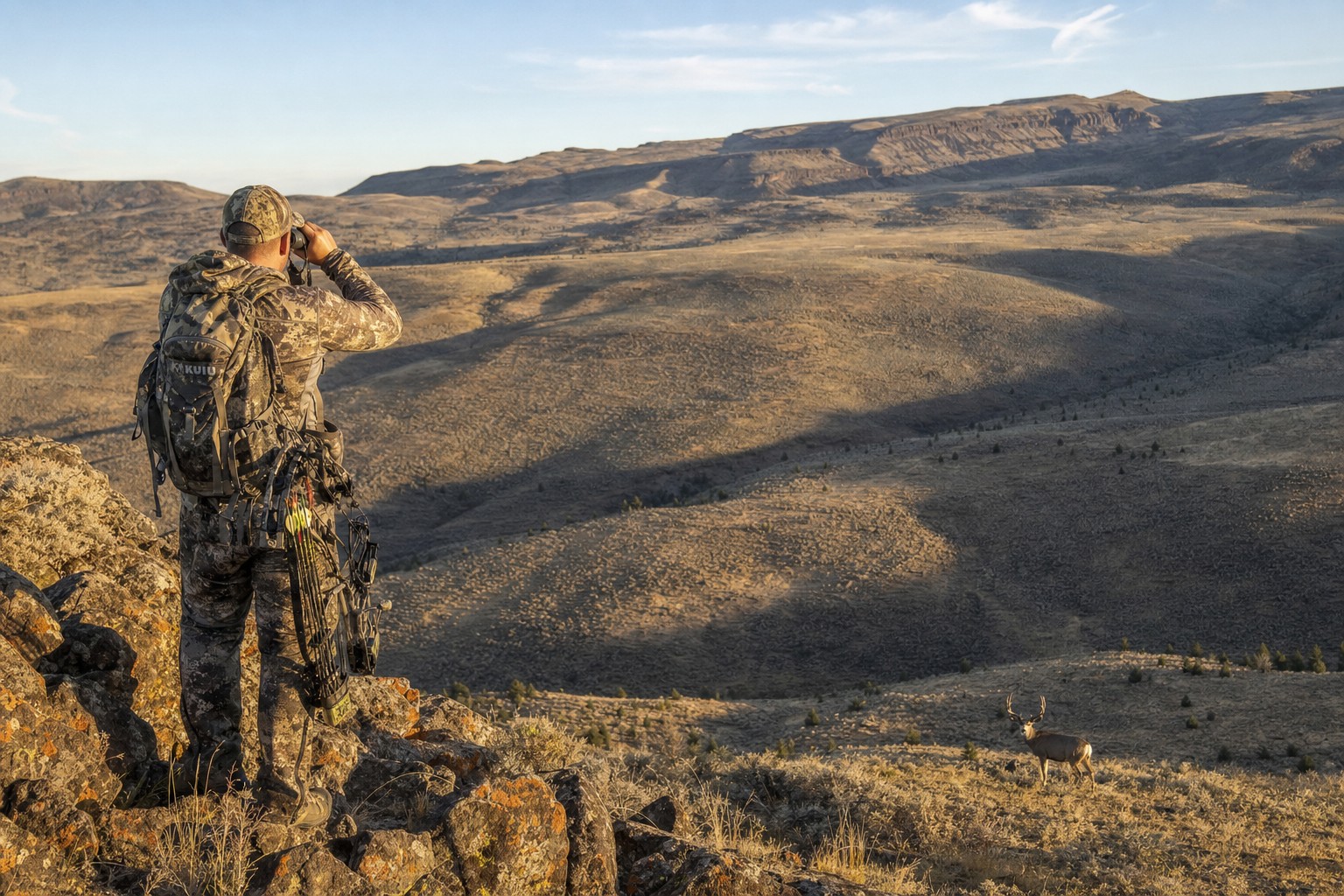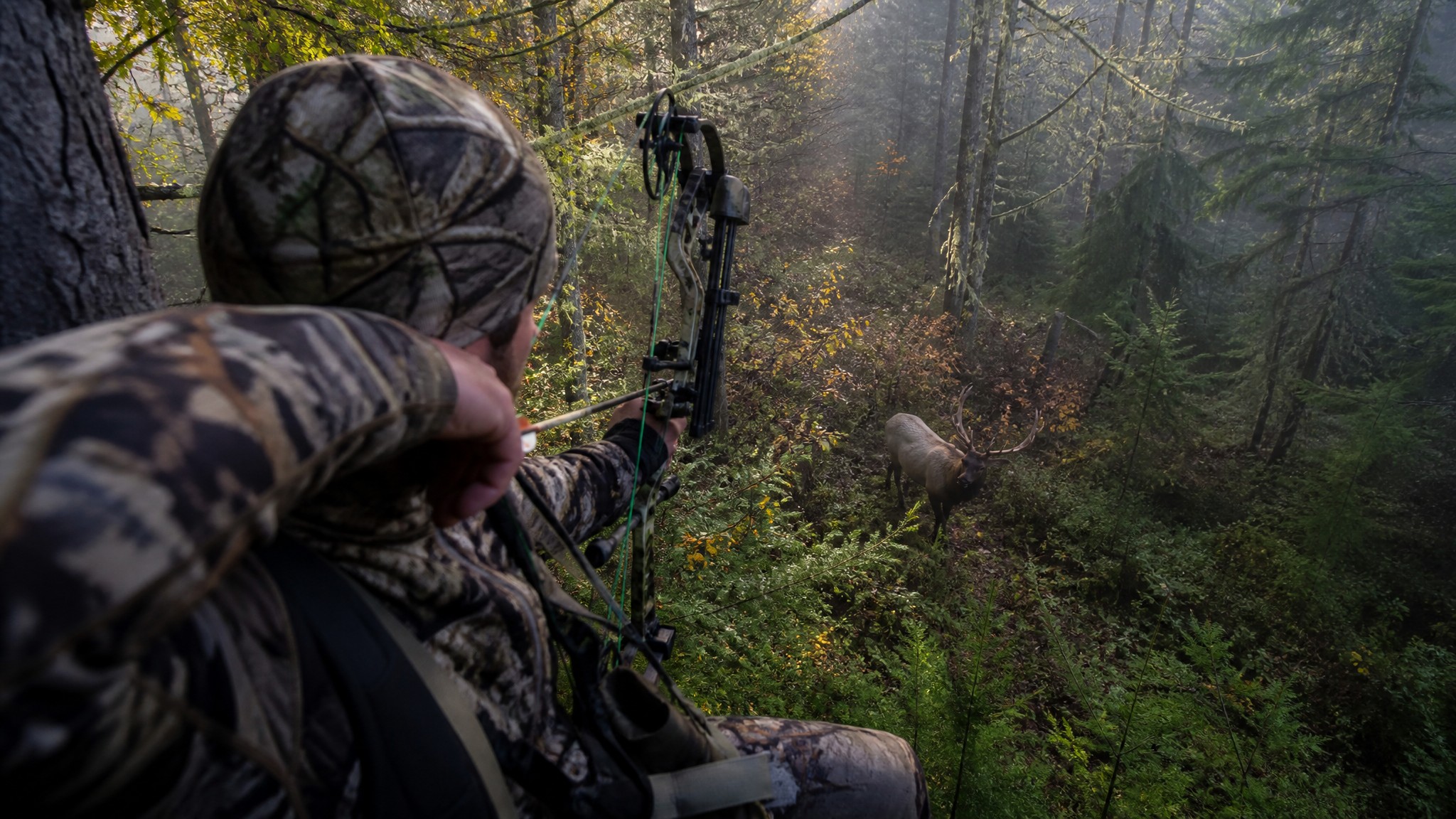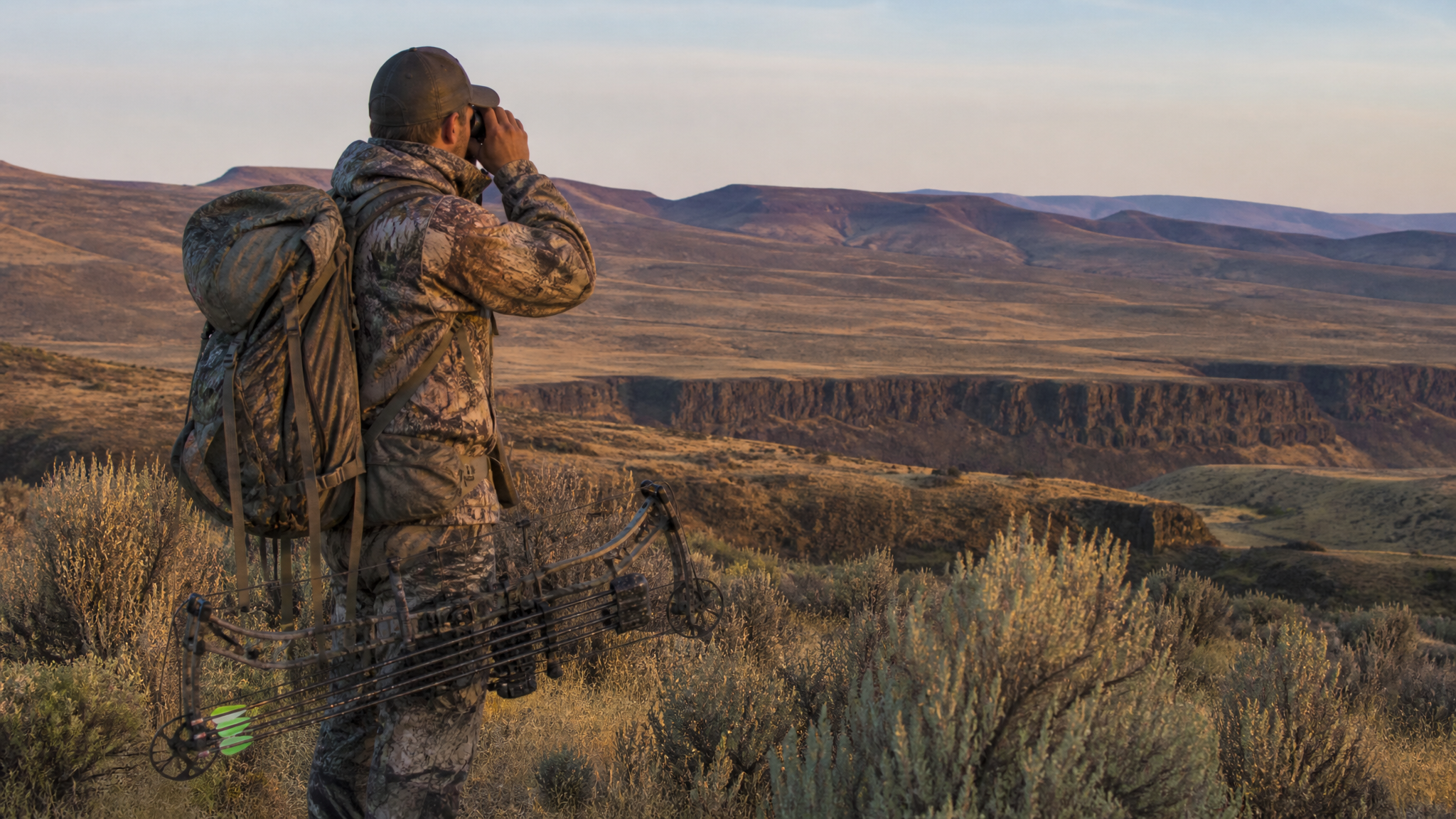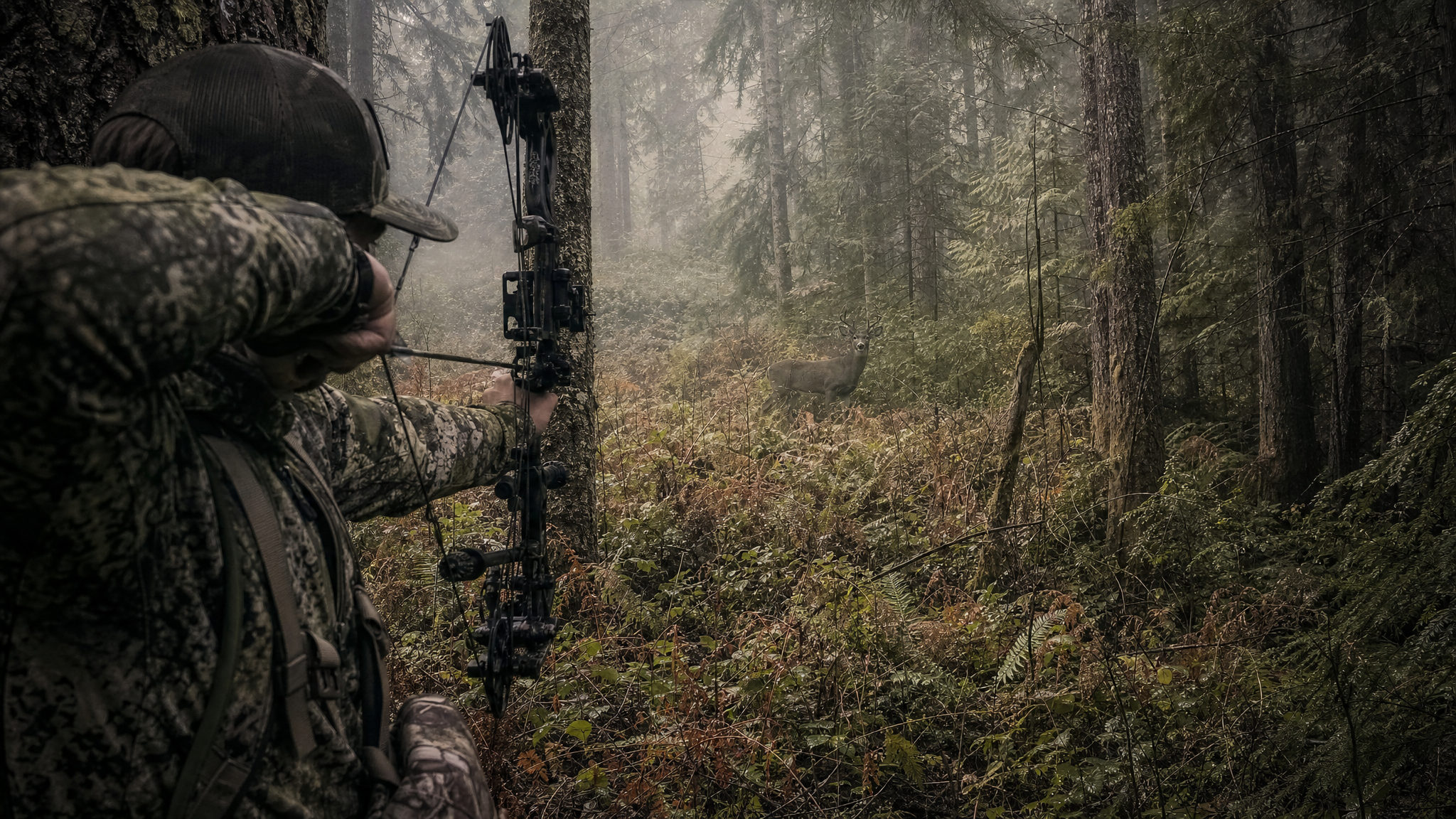
The Columbia blacktail deer is arguably the most challenging big game animal a bowhunter can pursue in the Pacific Northwest. Small, secretive, and perfectly adapted to the dense second-growth timber of the Oregon Coast Range, these deer live in a world of thick brush, perpetual fog, and shooting lanes measured in feet rather than yards. Tillamook State Forest — nearly 365,000 acres of managed timber west of Portland — is ground zero for the late archery blacktail hunt, and October is when the pieces start coming together.
Understanding the October Blacktail
Oregon's general archery deer season runs from late August through the end of October. By the time October arrives, the pressure of early season has pushed most bucks back into their core bedding areas, and the subtle pre-rut is beginning to stir their instincts. Bucks that were nocturnal in September start moving during daylight hours again, especially in the final two weeks of the month. This window — roughly October 15 through October 31 — is as close to a "rut hunt" as blacktail archers get.
Temperature is the trigger. When overnight lows drop into the 40s and mornings come in cold and crisp, bucks get on their feet. Watch for the first series of fall storms rolling off the Pacific — the day after a front clears is often the best movement day of the week.
Tillamook State Forest Access and Units
Tillamook State Forest is divided into several management blocks. The Wilson River corridor (accessed via Highway 6 west of Forest Grove) offers the most hunter access with established trailheads, logging roads, and OHV routes. The Tillamook Burn area north of the Wilson River drainage sees less pressure and holds good numbers of deer in the clearcut edges and young timber regeneration units. Beaver Creek, Cedar Butte, and the Kings Mountain area are all worth exploring.
- Wilson River Trail: 21 miles along the Wilson River, connecting to upper drainage spur trails where clearcut edges concentrate deer at dawn and dusk.
- Elliott State Forest (Reedsport area): Southwestern option with similar blacktail density and coastal fog belt conditions.
- Gales Creek and Scoggins Valley: Southern Tillamook blocks with good access and lighter hunting pressure than the Wilson corridor.
Pick up the Tillamook State Forest motor vehicle use map from ODFW or the Oregon Department of Forestry before your hunt. Roads change after logging operations, and what showed on last year's GPS track may be a landing or slash pile today.
Scouting Strategy: Clearcut Edges and Timber Fingers
Blacktail in managed timber live in a mosaic of habitat types. The key is finding the intersection of bedding cover and feed. In October, deer are transitioning from summer browse to early fall forage — sword fern tips, vine maple leaves turning gold, and the soft grasses that grow in logging road ditches and clearcut margins.
Focus your glassing on clearcut edges at first and last light. Deer typically bed inside the timber line during daylight and drift out to clearcut margins in low light to feed. Your goal is to identify specific deer, particularly bucks, using identifiable entry and exit points along the timber edge. A buck using the same corner of a clearcut two evenings in a row is a patternable deer.
Sign to Look For
- Rubs: October rubs on alder and young Doug fir are fresh and resinous. A cluster of rubs along a trail indicates a buck's travel corridor.
- Scrapes: Pre-rut scrapes appear along logging roads and under overhanging branches. A scrape with a broken licking branch above it is an active signpost.
- Beds: Look for oval depressions in sword fern on south-facing slopes where deer soak up whatever sun filters through the canopy.
- Trails: In the soft duff of a Coast Range forest floor, deer tracks are easy to read. Look for fresh prints cutting between two clearcut edges — this is your ambush corridor.
Stand Placement and Shot Distance
Thirty yards is a long shot in the timber. Experienced Coast Range blacktail hunters set up their stands expecting shots of 10 to 20 yards. The dense vegetation means deer can materialize almost silently at close range, and your setup needs to account for that. Place stands where multiple natural funnels intersect — a logging road crossing, a saddle between two drainages, or a pinch point between a clearcut and a dense alder bottom.
Hang stands with a three-dimensional approach in mind. Scent control is critical. Pacific Coast winds swirl constantly, so set up with prevailing wind at your back toward the timber edge, not the clearcut. Use a portable treestand or climbing sticks on mature Doug fir or alder to get 15 to 20 feet off the ground. Even modest elevation dramatically reduces your scent cone at ground level.
Calling and Rattling
Blacktail respond to calling more than most hunters realize. A soft grunt tube in October can pull a curious buck into shooting range. As the pre-rut heats up in late October, light rattling with antlers or a rattling bag can work. Keep it subtle — these are not wide-open-country mule deer. A gentle ticking sequence of 30 seconds, followed by a long wait of 20 to 30 minutes, is more realistic than the aggressive sequences used for whitetail in the Midwest.
Doe bleats are your most reliable call. A lone doe bleat on a grunt tube is something any passing buck will investigate. Use it sparingly — one or two calls every 20 to 30 minutes is plenty.
Gear Notes for the Coast Range
Rain is not a question in Tillamook County in October — it is a certainty. Your bow and arrows need to be ready for wet conditions. Use a bow with good weatherproofing or apply a protective wax to metal components. Keep fletching dry with a quiver cover. A quality rain jacket in a quiet outer fabric is essential; Gore-Tex or similar membranes work well when paired with quiet fleece as a base layer.
Rubber boots are strongly preferred over leather in the wet Coast Range environment. Muck boots or similar pull-on rubber hunting boots keep your feet dry crossing streams and wallowing through blackberry and sword fern tangles. A compact pack with room for rain gear, water, and a daypack kill kit — game bags, rope, knife — rounds out the kit for an all-day sit.
Tags and Regulations
The general archery deer tag in Oregon covers blacktail in the Coast Range units including Tillamook, Alsea, and Santiam. Check current ODFW regulations at myodfw.com before the season, as unit boundaries and season dates are updated annually. A Columbia blacktail buck taken in October from Tillamook State Forest with a bow is one of the most rewarding achievements in Oregon bowhunting — and it all starts with putting in the time to learn the timber.