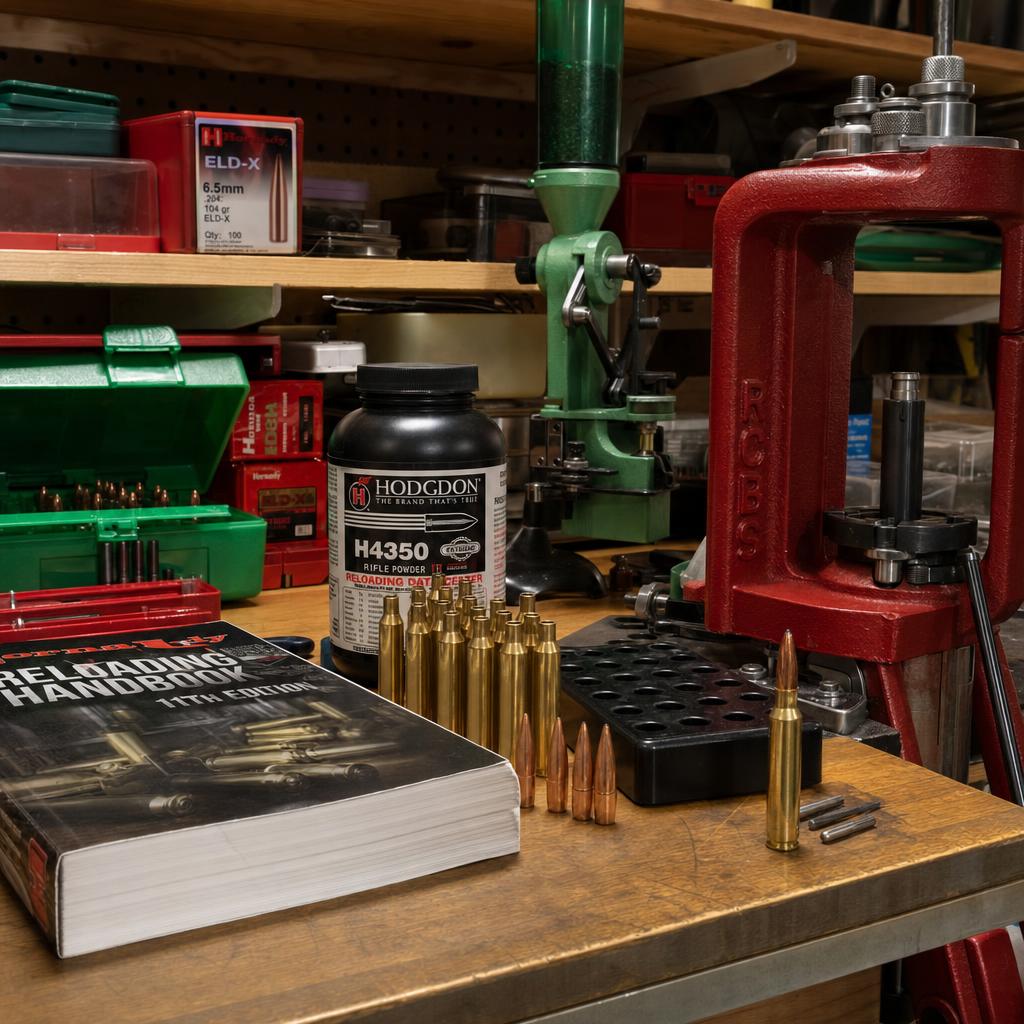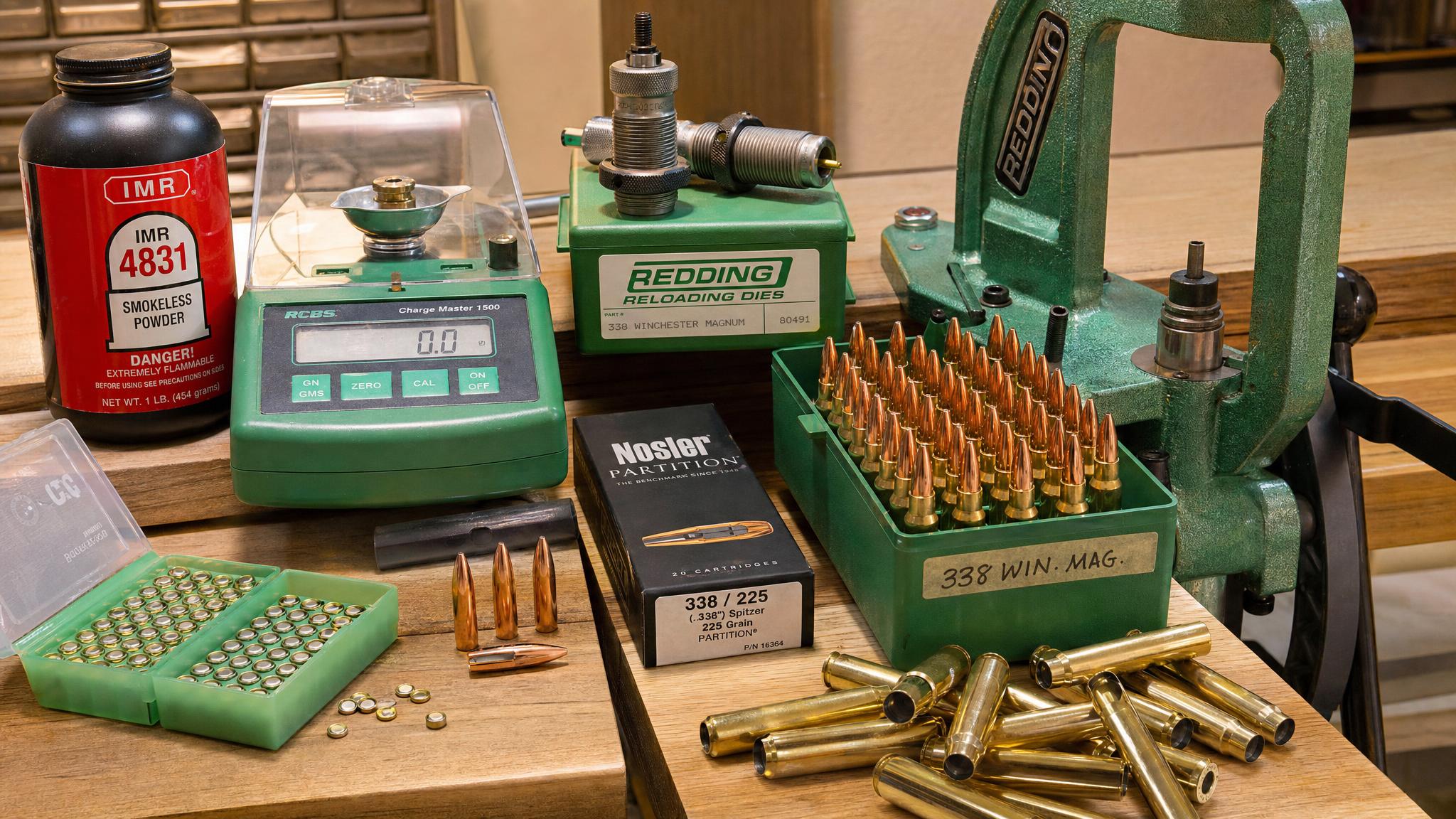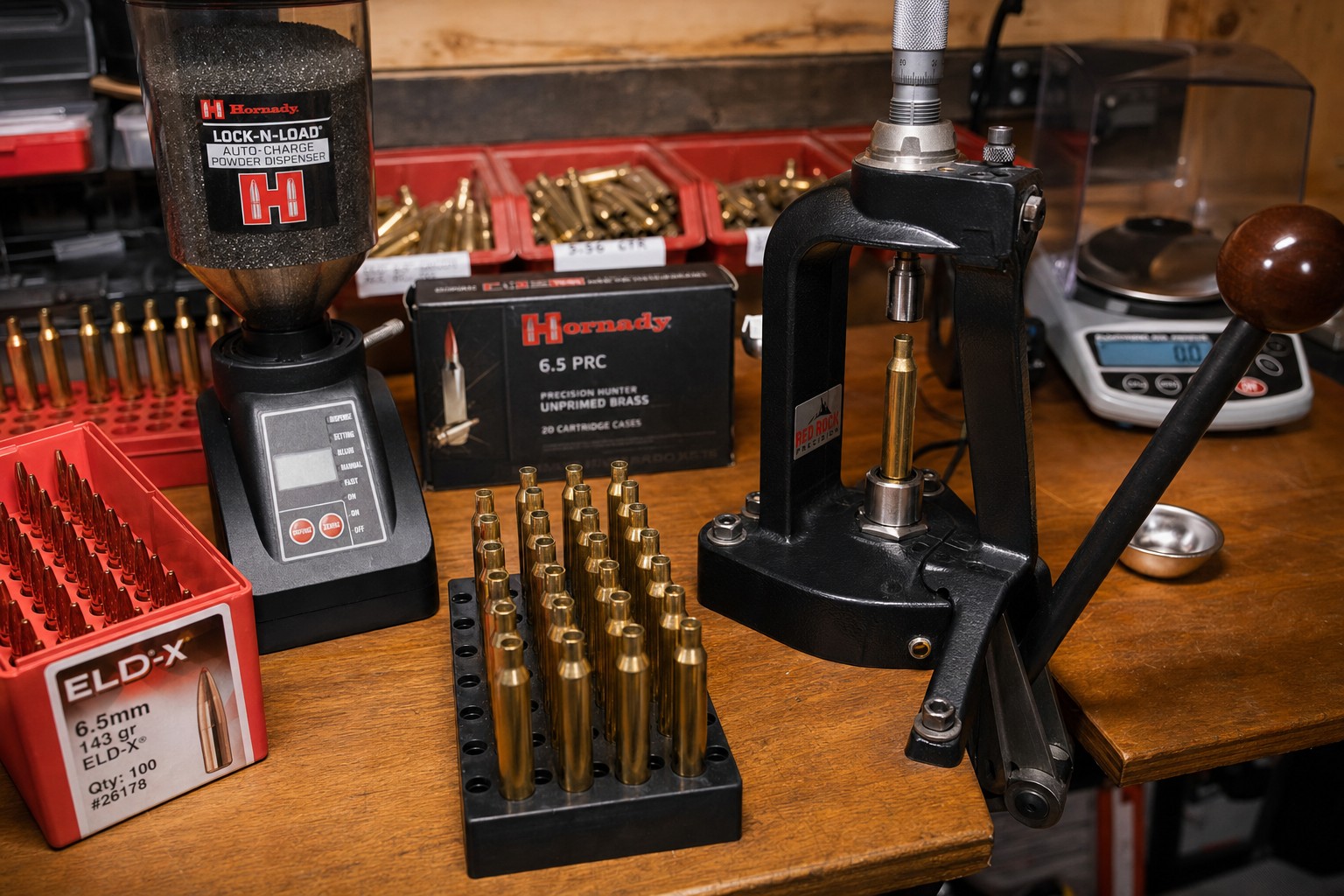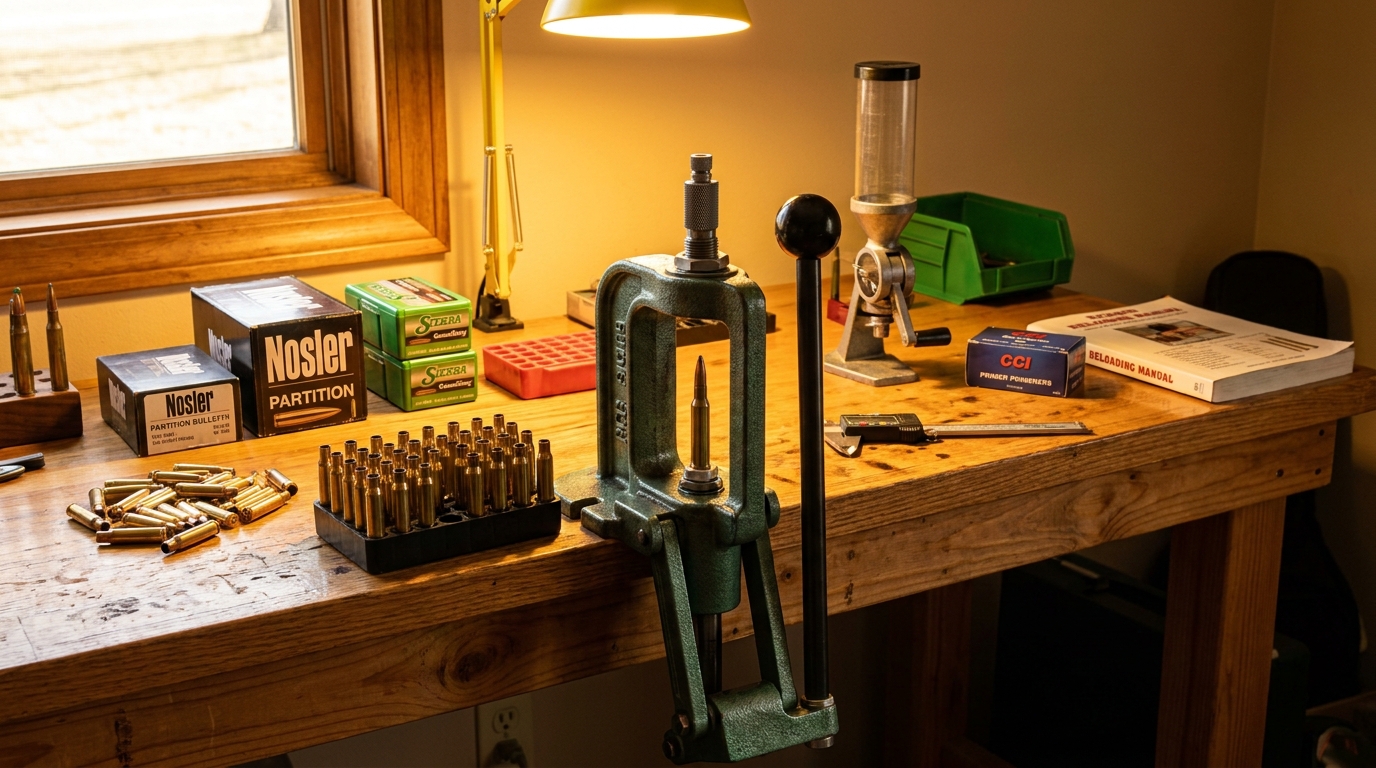
Jack O'Connor spent decades writing about the .270 Winchester in the pages of Outdoor Life, calling it the finest all-around hunting cartridge ever chambered. That was in the 1950s and 60s. Today, with more than a century of field-proven performance behind it, the .270 Winchester remains one of the top deer and elk cartridges in Oregon — and one of the most rewarding to handload. It is flat-shooting, accurate, and available in factory form virtually everywhere, but the real magic happens at the reloading bench, where you can tune loads precisely to your rifle and your quarry.
Why the .270 Winchester Works in Oregon
Oregon's hunting terrain ranges from the dense Coast Range timber where shots are measured in feet to the open high desert of the Ochoco and Blue Mountains where a buck or bull might be standing across a canyon at 400 yards. The .270 Winchester — with its 130 to 150-grain bullet at velocities between 2,900 and 3,100 fps — handles all of it. It's flat enough for the long shots and hits hard enough for bull elk at reasonable ranges. Recoil is manageable in a 7- to 8-pound hunting rifle, making it shootable for a wide range of hunters including youth and women.
The .270 is based on the .30-06 Springfield case necked down to .277 caliber. This gives it excellent case capacity for efficient combustion with medium-burn-rate powders, making it relatively easy to develop consistent, accurate handloads.
Brass Selection and Preparation
Start with quality brass and your loads will reward you. The most widely available and consistent .270 Winchester brass comes from:
- Nosler Custom: Premium brass, consistent case weight, minimal prep needed. Best for match-grade hunting loads.
- Lapua: The gold standard if you can find it. Extremely uniform neck thickness and case weight. Worth the premium for serious long-range work.
- Winchester: Factory brass that ships in most Winchester white-box ammo. Excellent value and consistent quality after a few firings and annealing.
- Federal/Hornady/Remington: All serviceable; Hornady and Federal tend to be slightly more consistent than Remington right out of the box.
For new brass, run it through a full-length sizing die, trim to 2.530 inches (max SAAMI is 2.540"), chamfer and deburr the case mouth, and uniform the primer pockets. After the first firing in your specific chamber, consider neck-sizing only for cases that will not be used in multiple rifles — this preserves brass life and can improve accuracy.
Primers
The .270 Winchester uses Large Rifle primers. Standard LR primers work well across the board. Federal 210 and CCI 200 are the most popular choices among reloaders and both ignite medium-capacity cases consistently. Magnum LR primers (Federal 215M, CCI 250) are not needed for standard .270 loads but can improve ignition consistency with slower powders in cold weather — relevant for November elk hunts in the Blue Mountains when temperatures may be well below freezing at dawn.
Powder Selection: The Heart of the .270 Load
The .270 Winchester performs best with medium to medium-slow burning powders. The sweet spot for most 130 to 150-grain bullets is the IMR 4350 and H4350 burn rate range.
Top Powder Choices
- H4350 (Hodgdon): The single best all-around powder for the .270 Winchester. Highly consistent, temperature-stable due to Hodgdon's Extreme line processing, and produces top velocities with 130 and 140-grain bullets. Start loads around 56.0 grains, max in the 59.0 to 60.0 grain range depending on bullet and brass.
- IMR 4350: Classic .270 powder, slightly faster burn than H4350, excellent accuracy. Good choice for 130-grain loads. Can run slightly hotter than H4350 in warm weather — something to watch in late summer hunting seasons.
- RL-22 (Reloder 22): Excellent for 140 and 150-grain bullets, produces high velocity with good accuracy. Less temperature-stable than H4350 — load development should be done at ambient temperatures similar to hunting conditions.
- IMR 4831 / H4831SC: Slightly slower, works very well with 150-grain bullets for maximum retained energy at longer ranges. H4831SC (short cut) meters more consistently than standard H4831.
- Varget: On the fast end for the .270, but excellent with 130-grain bullets in shorter barrels. Good choice if your hunting rifle has a 22-inch tube.
Bullet Selection by Purpose
The .270's .277-caliber bullet diameter has excellent selection across all price points and hunting applications.
Deer — Columbia Blacktail, Mule Deer, Whitetail
- Nosler Ballistic Tip 130 gr: Fast-expanding, flat-shooting, excellent for shots inside 300 yards. The go-to deer bullet for many Oregon hunters. Push to 3,050+ fps with H4350.
- Hornady SST 130 gr: Similar performance to the Ballistic Tip, slightly more economical. Excellent in 22 to 24-inch barrels.
- Sierra GameKing 130 gr SPBT: A proven Oregon blacktail bullet for decades. Excellent accuracy, controlled expansion.
Elk and Black Bear
- Nosler Partition 150 gr: The original controlled-expansion bullet. Front core expands; rear core retains weight for deep penetration. Outstanding elk performance, especially at closer ranges in timber.
- Swift A-Frame 140 gr: Bonded construction, 95%+ weight retention. The choice if you're hunting big Roosevelt elk in the Coast Range and need a bullet that will not fail on a shoulder shot.
- Hornady ELD-X 145 gr: High BC match-style bullet with controlled expansion. Excellent for long-range hunting — Blue Mountains mule deer at 400+ yards.
- Barnes LRX 130 gr: All-copper, lead-free. Required in condor zones in certain Southern Oregon units. Excellent penetration and nearly 100% weight retention.
Sample Loads
These are reference starting points — always begin 10% below maximum and work up while watching for pressure signs. Cross-reference with a current edition of the Nosler, Hornady, Lyman, or Sierra reloading manual for data specific to your components.
- 130 gr Nosler Ballistic Tip / H4350 / Winchester brass / Federal 210: Start 56.5 gr (approx. 2,960 fps), max ~59.5 gr (3,100+ fps). Outstanding deer load.
- 150 gr Nosler Partition / IMR 4831 / Nosler brass / CCI 200: Start 54.0 gr, max ~57.0 gr (approx. 2,850 fps). Hard-hitting elk load with excellent penetration.
- 140 gr Hornady ELD-X / RL-22 / Federal brass / Federal 210: Start 58.0 gr, max ~61.5 gr (approx. 2,980 fps). Long-range hunting load with excellent BC.
Seating Depth and OAL
The .270 Winchester operates in a long-action receiver. SAAMI maximum overall length is 3.340 inches. Most reloading data is developed at or near this OAL. If your rifle's throat is longer than standard — common in older Winchester Model 70s and Ruger M77s — you may be able to seat bullets slightly longer and gain both accuracy and additional powder space. Use a Hornady OAL gauge or Sinclair comparator to measure your specific chamber's throat length before adjusting seating depth.
The .270 as an Oregon All-Season Rifle
Handloaded .270 Winchester ammunition gives Oregon hunters a single rifle capable of covering the full range of game in the state — from a 90-pound Coast Range blacktail to a 700-pound Roosevelt elk bull. With a 130-grain deer load zeroed at 200 yards, you're only about 6 inches low at 300 — no holdover needed for most hunting situations. Switch to a 150-grain Partition for elk season and re-zero if needed. The rifle doesn't change; only the load does. That versatility, paired with the inherent accuracy of the .270 case design, is why Jack O'Connor was right — and why handloaders keep coming back to this cartridge generation after generation.