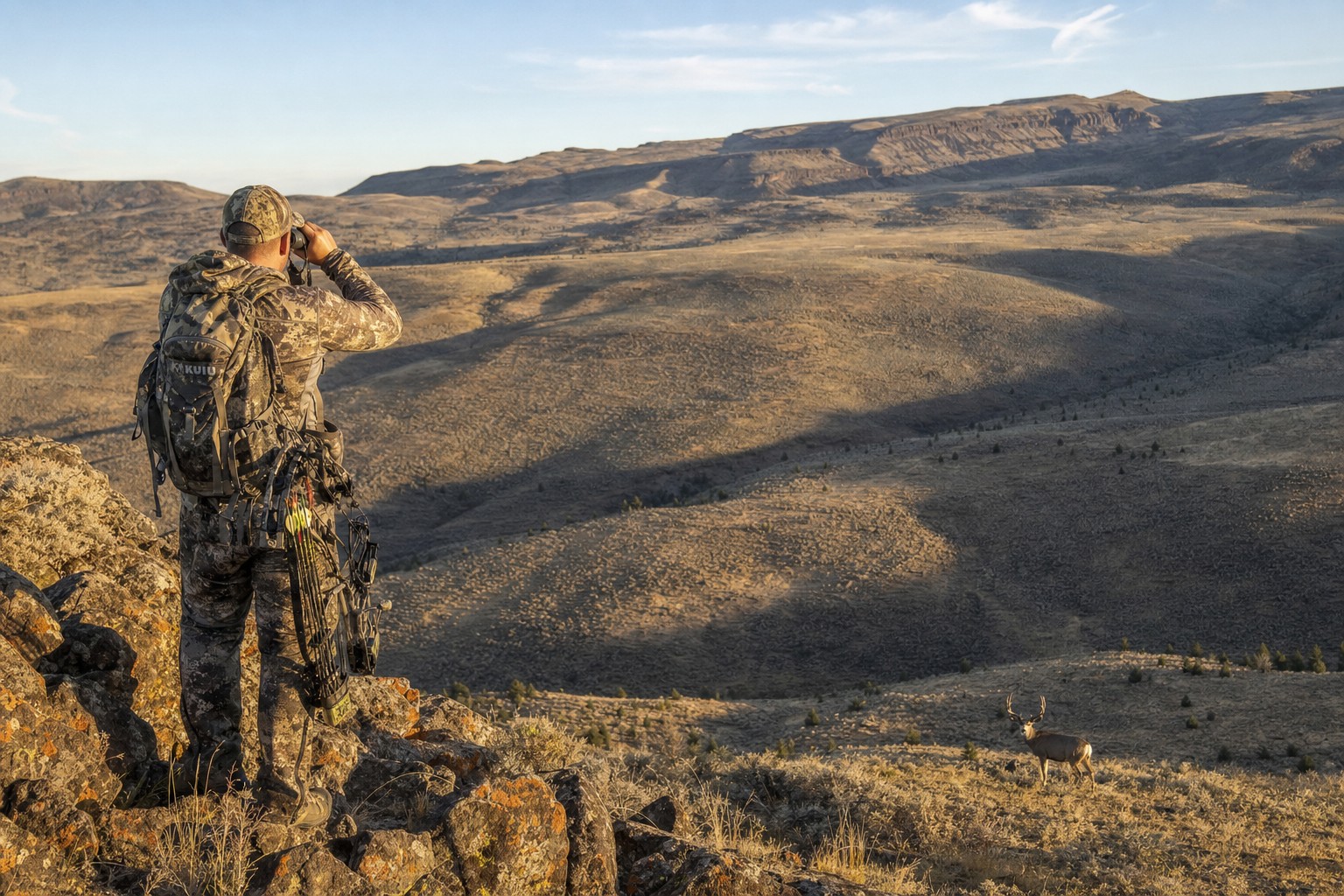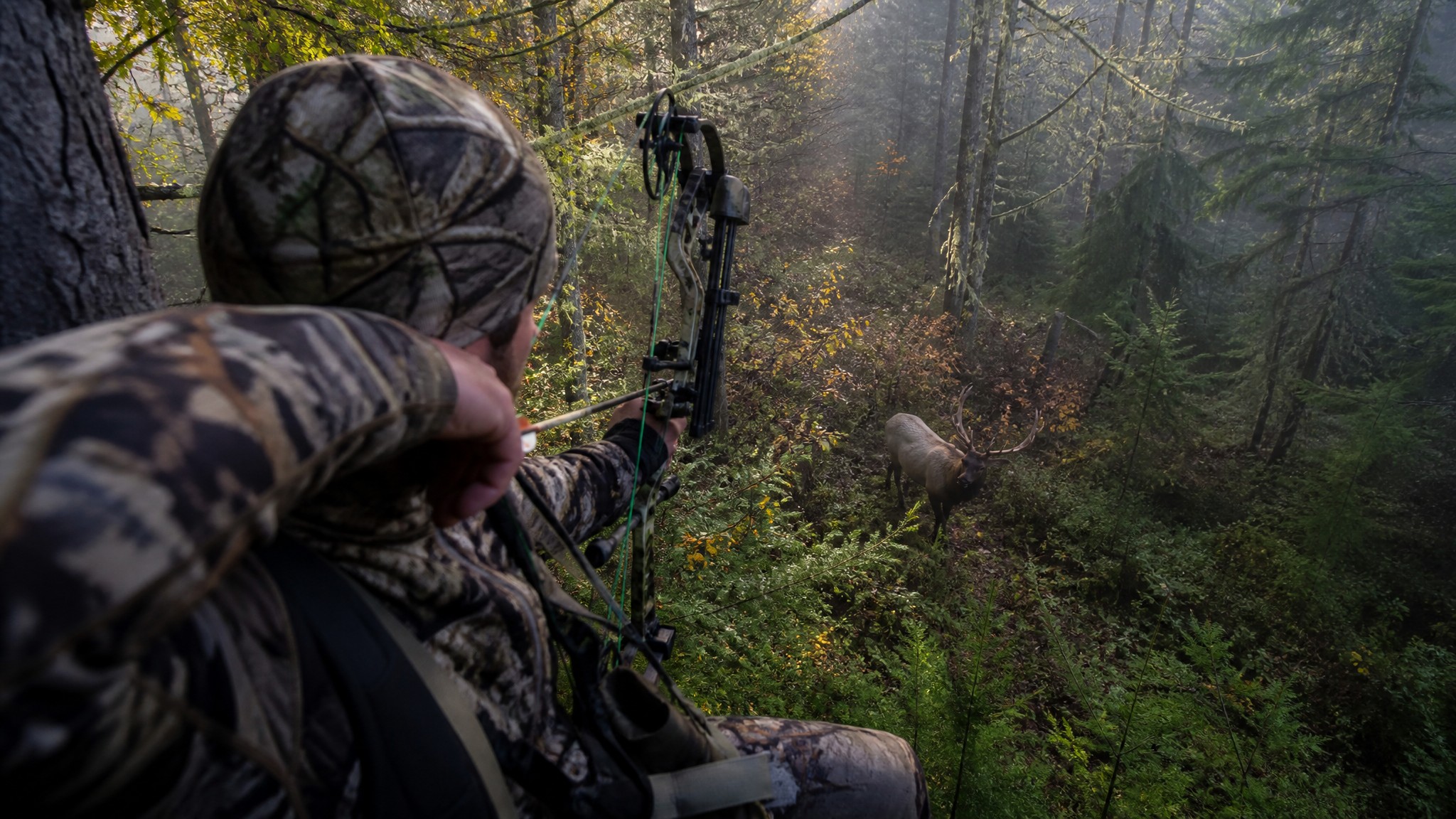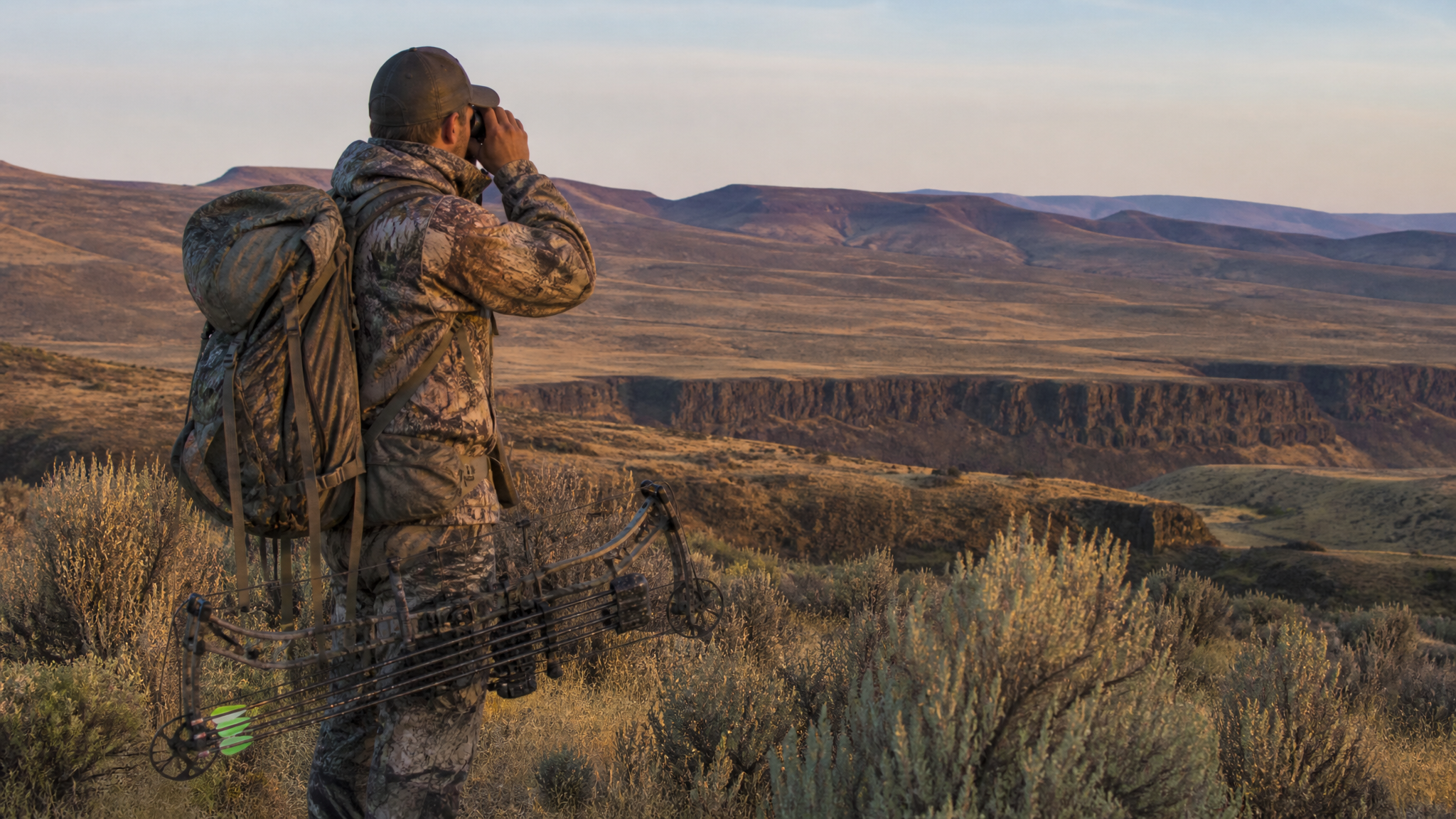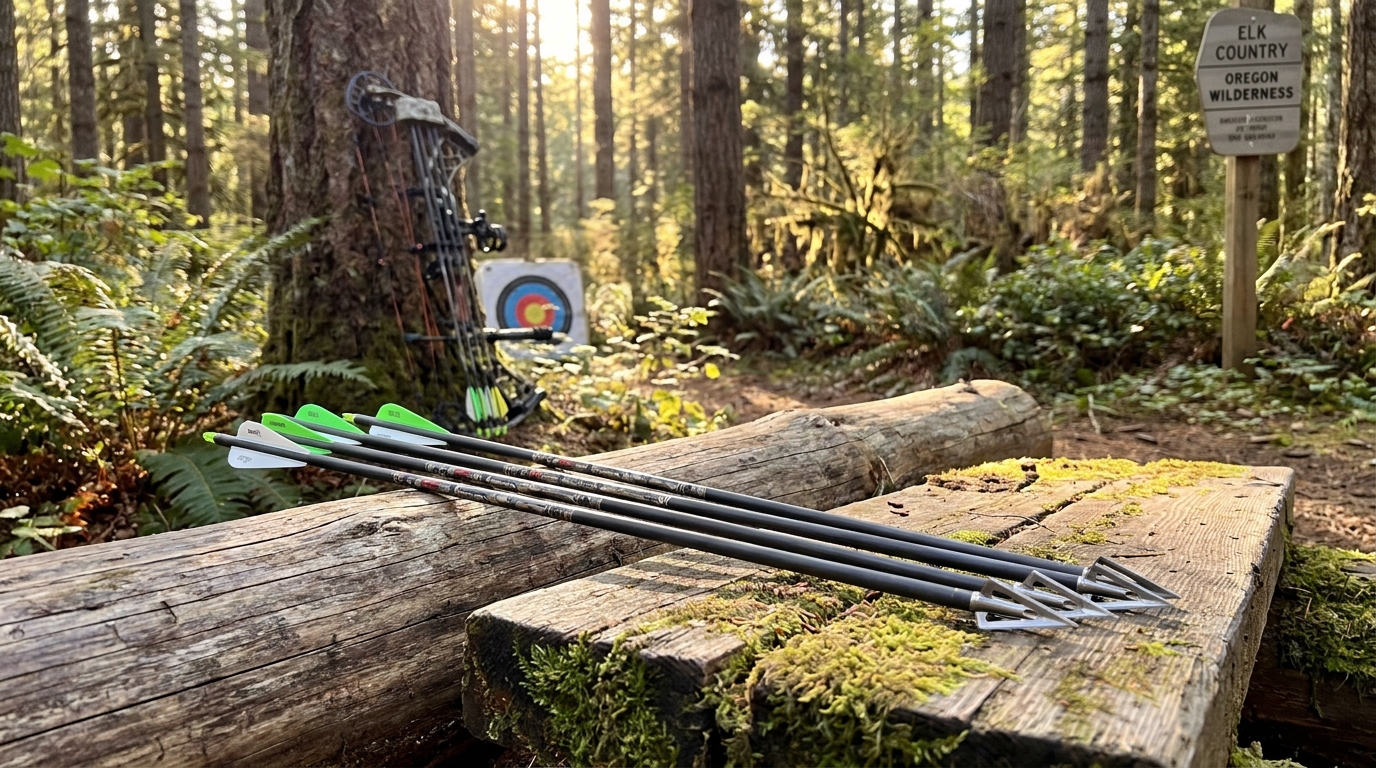
Walk into any archery shop before elk season and you will find hunters agonizing over broadheads while barely glancing at the arrows they are shooting. That is backwards. The broadhead sits at the front of the system, but the arrow — its spine, its weight, its balance point — determines whether that broadhead flies true and drives deep on one of the most tenacious big game animals in North America. Get your arrows right, and a lot of other variables take care of themselves.
Why Elk Demand a Specific Arrow Setup
Elk are big animals. A mature bull can weigh 700-900 pounds, and even a cow will go 400-500. The hide is thick, the shoulder blades are wide, and if you hit a rib at a steep quartering angle, your arrow needs enough momentum to punch through and still reach the vitals. This is categorically different from shooting deer at 30 yards, and your arrow build should reflect that.
The two most common mistakes elk hunters make with their arrows are going too light and using too much front-of-center. A 350-grain arrow moving at 310 fps is fast and impressive on paper — but it bleeds energy quickly, deflects easily off bone, and may not penetrate deeply enough for a clean pass-through on a quartering-to shot. On elk, momentum and penetration trump velocity.
Arrow Spine: Getting the Foundation Right
Spine refers to the stiffness of the arrow shaft — how much it deflects under a standard 1.94-pound load at a 28-inch span. The lower the spine number, the stiffer the arrow. A 300-spine arrow is stiffer than a 400-spine arrow.
Proper spine selection is based on your draw weight, draw length, point weight, and the type of rest you are shooting. An arrow that is too weak (underspined) will fishtail and plane, costing you accuracy and penetration. An arrow that is too stiff (overspined) will kick at the shot and also kill accuracy, though overspined arrows are generally more forgiving than underspined ones.
For a typical elk hunting setup — say a 65-70 lb compound at a 29-inch draw — you are generally looking at 300-350 spine arrows with a 100-125 grain point. If you run heavy 200+ grain heads (and many elk hunters do, with good reason), you may need to drop to a stiffer 250 spine to compensate for the added front weight. Always run your specific numbers through a dynamic spine calculator or consult an archery pro shop with a spine analyzer.
Arrow Weight: Heavier Is Better for Elk
Total arrow weight — shaft, insert, nock, fletching, and point combined — is one of the most important decisions you will make for an elk hunting build. Here is a practical framework:
- Under 400 grains: Light target setup, not appropriate for elk hunting. Poor penetration on angled shots, high deflection risk.
- 400-475 grains: Acceptable minimum for elk with quality fixed-blade broadheads. Common in many hunting setups but on the lighter end for big bulls at steep angles.
- 475-550 grains: The sweet spot for most elk hunters. Enough momentum for pass-throughs on well-placed shots, still flat enough for 50-yard shots with a well-tuned setup.
- 550-650+ grains: Heavy hunting arrows for maximum penetration. Preferred by traditional archers and many compound hunters who hunt at closer ranges (under 40 yards). Exceptional on-impact performance.
A good target is a minimum finished arrow weight of 6-9 grains per pound of draw weight. At 70 lbs draw, that is 420-630 grains — a wide range, but it gives you a framework for thinking about the tradeoffs between speed and momentum.
Front-of-Center (FOC): Balance for Penetration and Flight
FOC describes what percentage of the arrow's total weight is located in the front half of the arrow. It affects both flight stability and penetration dynamics. The formula: FOC% = ((balance point from nock - arrow length / 2) / arrow length) x 100.
Standard FOC for most hunting arrows falls between 10-15%. Higher FOC — sometimes called high FOC or EFOC (Extreme FOC) — runs 15-30% and is favored by hunters who prioritize penetration over downrange trajectory. High FOC arrows can be more forgiving of slight tuning imperfections at close range but require a properly matched spine because the heavy front end increases the dynamic spine requirement.
For elk hunting at typical bowhunting ranges (20-50 yards), a FOC in the 12-18% range is a solid target. If you are shooting fixed-blade heads in the 125-200 grain range, you will naturally hit this range with most 400-500 grain total arrow builds.
Shaft Material: Carbon, Aluminum, and Hybrids
Modern hunting arrows are almost universally carbon, and for good reason — consistent spine, light weight for the stiffness they offer, and durability. For elk hunting, look at:
- Easton FMJ (Full Metal Jacket): A carbon core with aluminum wrap. Heavier than standard carbon, excellent penetration, very straight. A top choice for serious elk hunters who want weight without going to small-diameter shafts.
- Victory VAP (Victory Archery): Small-diameter carbon, high weight-to-spine ratio, excellent penetration through hide and tissue. Popular in the high-FOC community.
- Gold Tip Kinetic Kaos / Ultralight: Thick-wall, large-diameter carbon. Durable, affordable, and widely used in production elk setups.
- Black Eagle Rampage / Outlaw: Mid-range price, excellent straightness tolerances (±.001-.003 inches), a favorite among hunters who want performance without premium pricing.
Putting It Together: A Practical Elk Build
Here is a starting-point build for a 68 lb compound at 28.5-inch draw, targeting a 50-yard maximum shooting distance with fixed-blade broadheads:
- Shaft: Easton FMJ 340, cut to 27.5 inches
- Insert: Standard aluminum, ~12 grains
- Point: 125 gr Slick Trick Magnum or NAP Spitfire fixed blade
- Fletching: 2-inch Blazer vanes, 3-fletch
- Nock: Standard press-fit, ~10 grains
- Total weight: Approximately 490-510 grains
- Estimated FOC: ~13-15%
This build gives you a well-balanced, heavy-for-speed arrow that will handle the rigors of elk country — brush, steep angles, close encounters, and the occasional bone hit — with authority. Paper-tune it, walk-back tune it, and shoot it from your hunting positions before season. Your arrows are not the place to cut corners when a bull of a lifetime is at 35 yards.