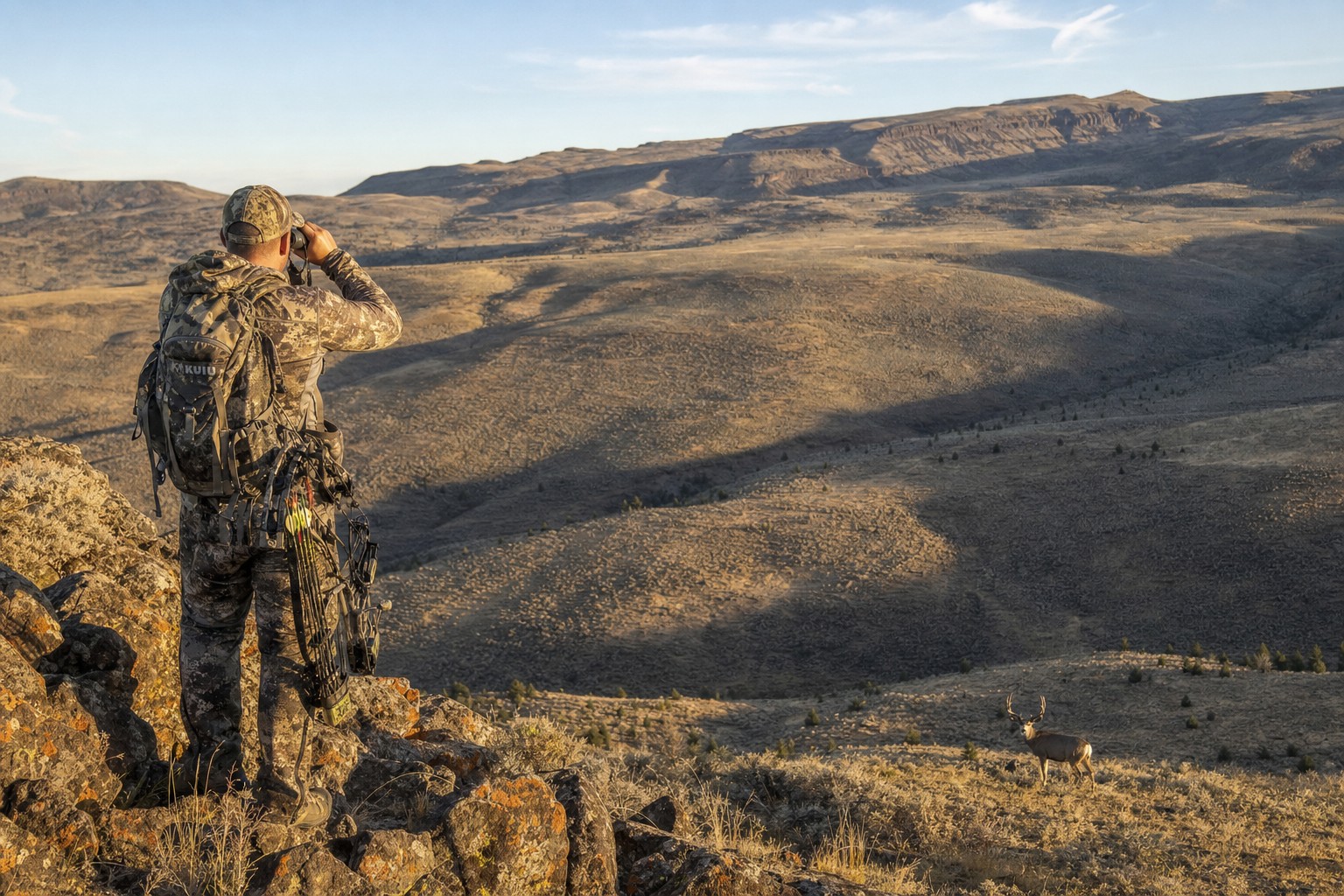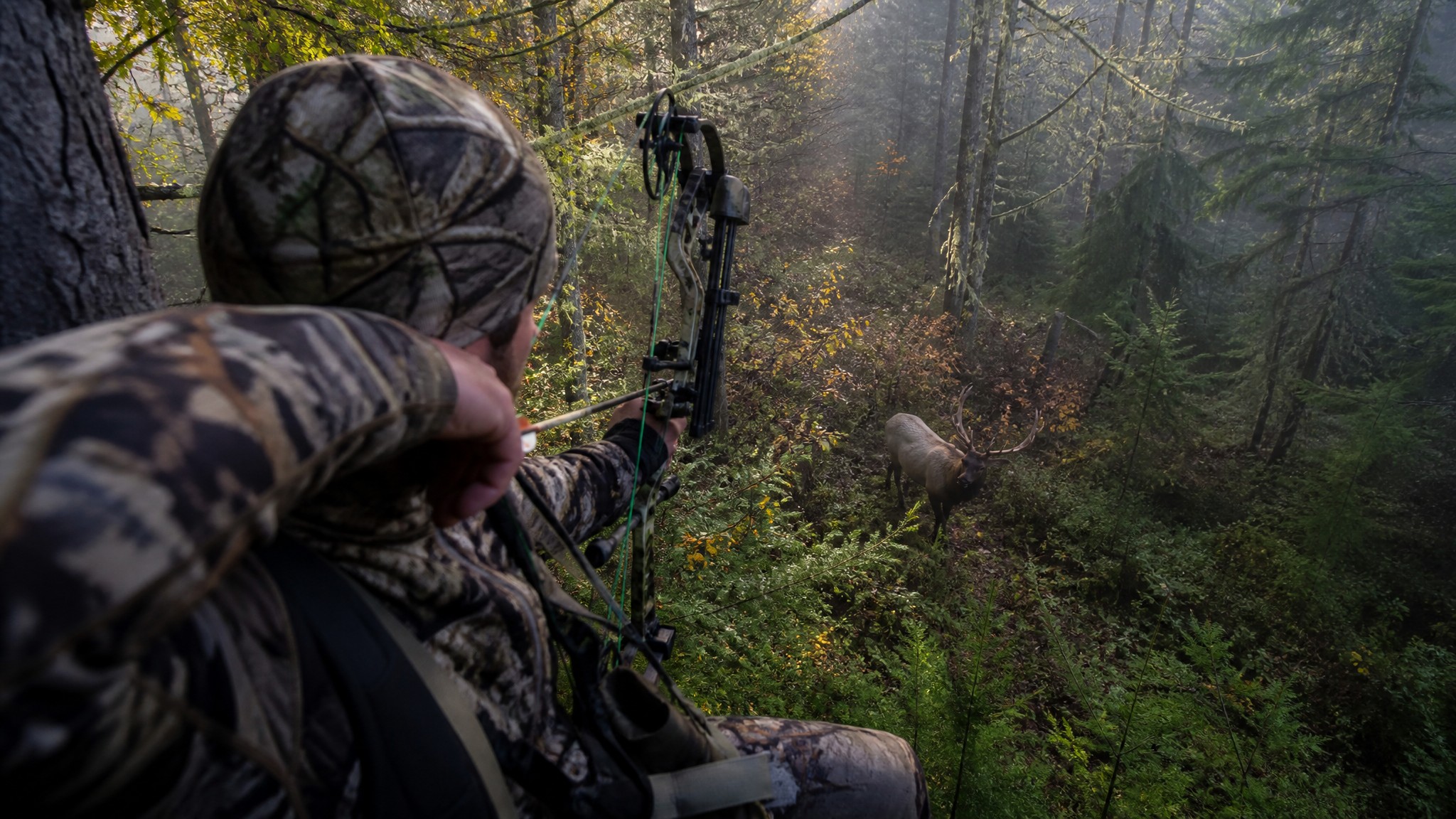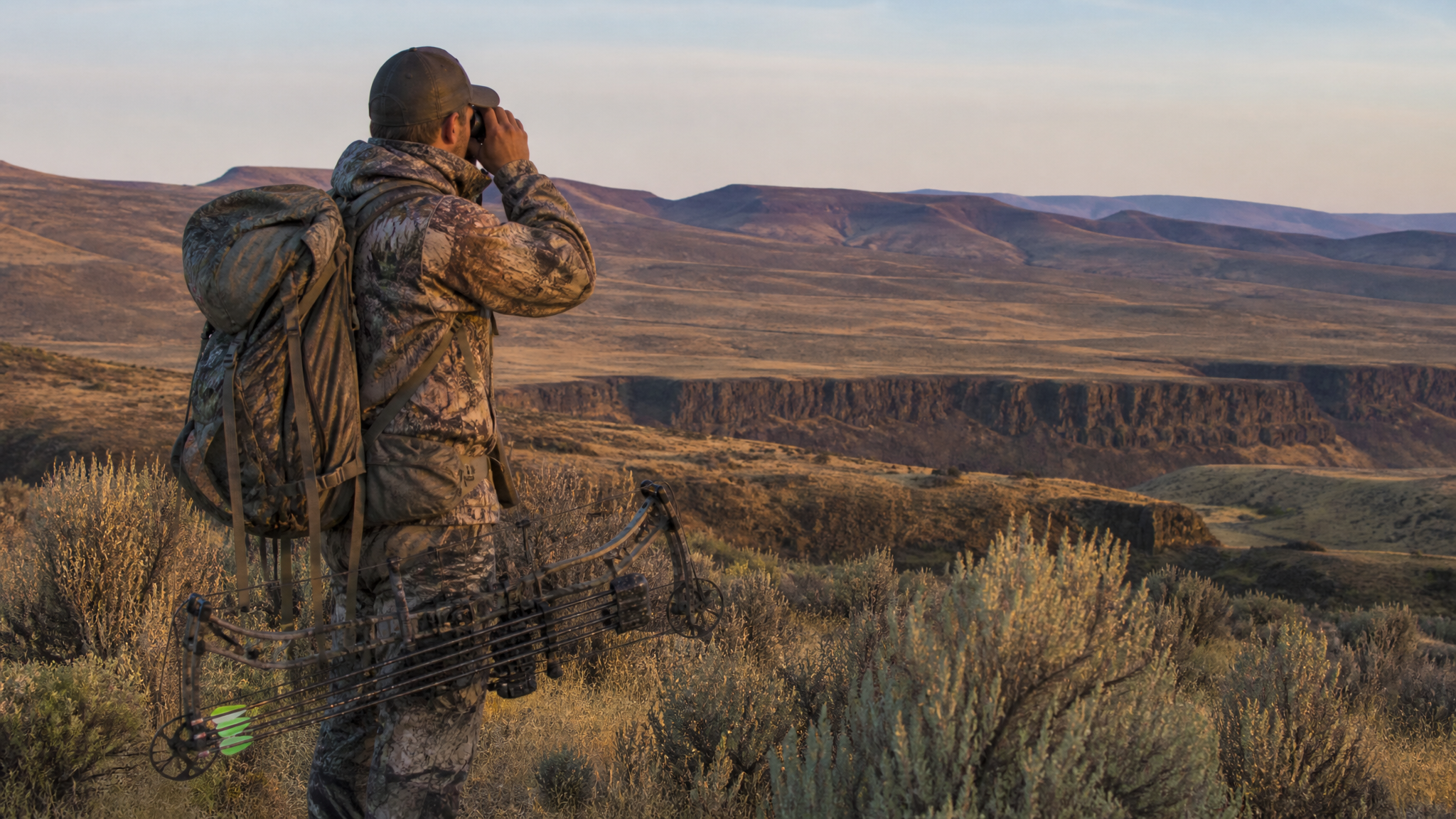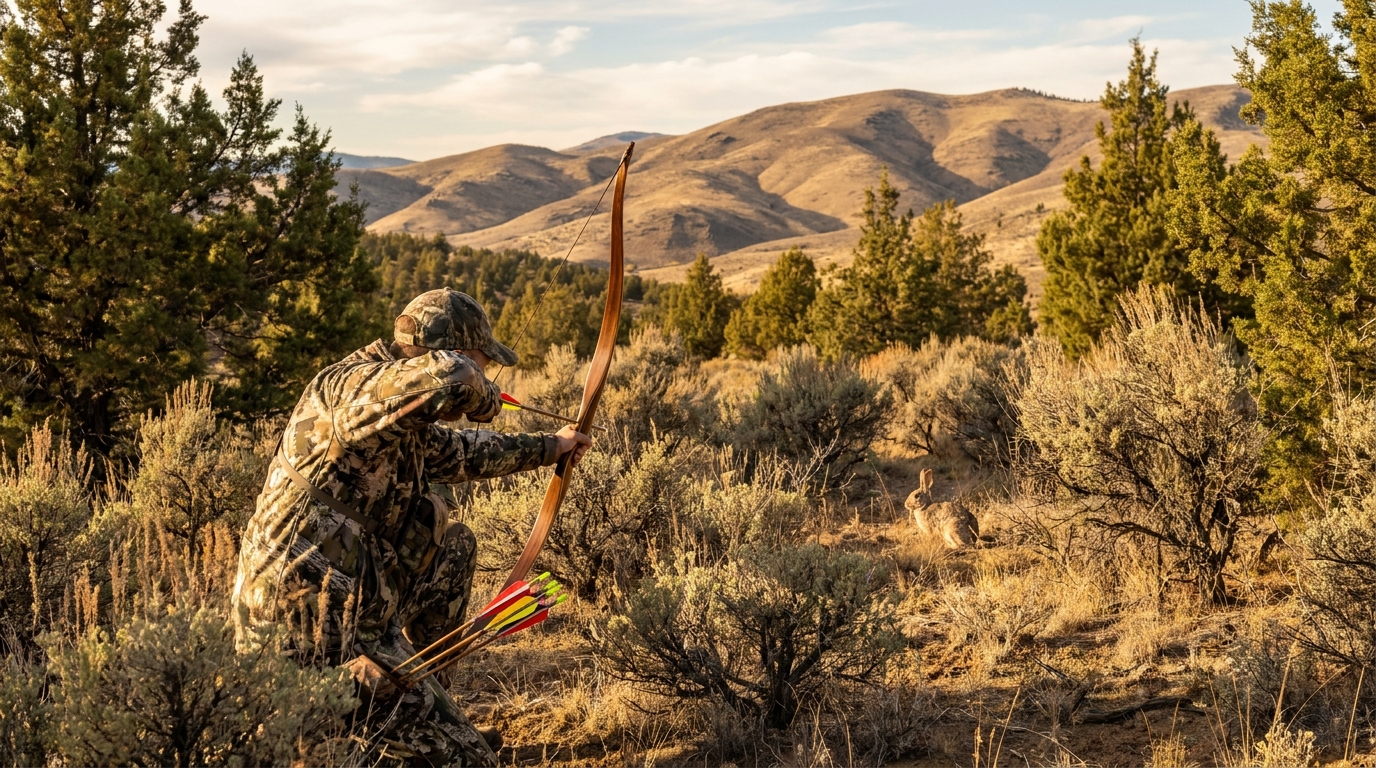
Ask a bowhunter who's been at it for thirty years what made them dangerous in the elk timber, and a surprising number of them will tell you it wasn't the 3D archery circuit or the hours of backyard practice. It was chasing rabbits with a recurve on public land in October. Flu-flu arrows and small game bowhunting are the most underrated skill-building tools in archery, and for Oregon hunters, the opportunity to put them to work is extraordinary — rabbits, grouse, squirrels, and a nearly year-round season on most non-game species make this one of the most accessible forms of hunting in the state.
What Is a Flu-Flu Arrow?
A flu-flu arrow is specifically designed for short-range shots at moving targets. Instead of the standard 3-4 inch vanes or feathers that provide stable, far-flying arrow flight, flu-flu arrows use large, heavily spiraled fletching — typically 5 to 6 full feathers wrapped in a tight spiral around the shaft. This creates significant drag that limits the arrow's effective range to roughly 30-40 yards, after which it rapidly slows and drops. The result is an arrow that flies fast and flat at close range, is difficult to lose in the brush, and self-limits the range at which it remains dangerous after a miss.
That self-limiting range is the key to flu-flu arrow utility for small game and aerial shots. An arrow that won't travel 50 yards after a miss is a much safer and more practical tool for hunting in thick cover, and the rapid deceleration means you can often walk right to where your arrow landed rather than searching through timber for half an hour.
Oregon Small Game Bowhunting Opportunities
Oregon provides extensive small game bowhunting opportunities for archers willing to explore them:
- Cottontail and Jackrabbit: Open year-round statewide with no bag limit. Eastern Oregon's sage and juniper country provides exceptional cottontail habitat, while jackrabbits are found across open desert country. Both species are challenging moving targets that improve instinctive shooting dramatically.
- California and Mountain Quail: Archery season runs concurrently with the general upland season (typically October through January). Flushing quail are nearly impossible to arrow, but walking birds in open cover offer genuine shooting opportunities for a skilled archer.
- Blue and Ruffed Grouse: Both species provide excellent flu-flu opportunities in their respective habitats — ruffed grouse in the Coast Range and western Cascades, blue grouse (now formally dusky grouse) in the higher elevation timber. Grouse are notoriously cooperative birds that often hold tight or roost on low branches where a deliberate shot is possible.
- Columbian Ground Squirrels and California Ground Squirrels: Depending on county and land designation, ground squirrels can be hunted year-round as non-protected wildlife. They're fast, small, and provide incredible challenge for reflex shooting — an archer who can consistently take ground squirrels has developed serious instinctive accuracy.
Equipment Setup
Flu-flu hunting doesn't require dedicated equipment beyond the arrows themselves. Most bowhunters use the same bow they hunt big game with, simply swapping to flu-flu shafts for small game outings. That said, some considerations improve the experience:
- Bow weight: Any hunting draw weight works for small game, but many experienced flu-flu hunters prefer something in the 40–55 lb range for small game outings — enough to dispatch game humanely at close range without over-penetrating on a direct hit. Lighter setups also reduce fatigue during a long day of walking.
- Arrow material: Wood flu-flu shafts are traditional and have a forgiving quality when they strike rocks or hard ground. Carbon shafts are more durable and consistent but less forgiving of rock strikes. For general stump shooting and small game, wood or wood-grain carbon works well.
- Broadhead or blunt: For small game, use Judo points or rubber blunts rather than broadheads. Judo points have small spring-wire hooks that grab grass and debris on a miss, keeping the arrow on the surface rather than disappearing into leaves. Rubber blunts are effective on grouse and are inexpensive enough to not stress about when you're inevitably shooting at stumps and logs.
- Quiver: A hip quiver or back quiver works well for small game walking — it allows quick arrow access when a shot opportunity appears suddenly, which in small game hunting is almost always.
The Skill Transfer to Big Game Hunting
The direct skill benefits of flu-flu small game hunting translate powerfully to elk and deer season. Specifically:
- Instinctive distance estimation: Calling your shot on a moving cottontail at 20 yards with no rangefinder builds genuine intuitive distance judgment that a stationary 3D target cannot replicate.
- Relaxed shooting form: Small game hunting is typically casual and low-pressure. Shooting hundreds of flu-flu arrows per season in a relaxed context builds deeply ingrained form that holds under the elevated stress of a close elk encounter.
- Quick-draw execution: Small game shooting demands fast, decisive arrow presentation. The same muscle memory pays dividends when a blacktail steps into a lane at 25 yards for three seconds.
- Comfort in cover: Walking terrain with a bow in hand — managing brush, judging shooting lanes, reading terrain — develops the woodland archery navigation skills that most target archers simply never practice.
Making the Most of Oregon's Off-Season
Oregon's archery seasons for big game open in August, but the off-season between January and July is prime time for flu-flu work. The BLM and Forest Service lands of Eastern Oregon's high desert and the Coast Range west of the Cascades both provide excellent walking habitat for cottontails and grouse. Many hunters combine a stump shooting walk — shooting at exposed roots, pine cones, and leaves — with any legitimate small game encounters that present themselves. It's legal, ethical, and enormously productive for developing a fluid, instinctive shooting style.
If you carry a bow and haven't tried flu-flu small game hunting, make it a priority this fall. Buy a dozen flu-flu shafts tipped with Judo points, find some BLM ground with rabbit habitat, and walk until something offers a shot. The skills you build will show up in September when a bull elk steps into the opening you've been watching since dawn.