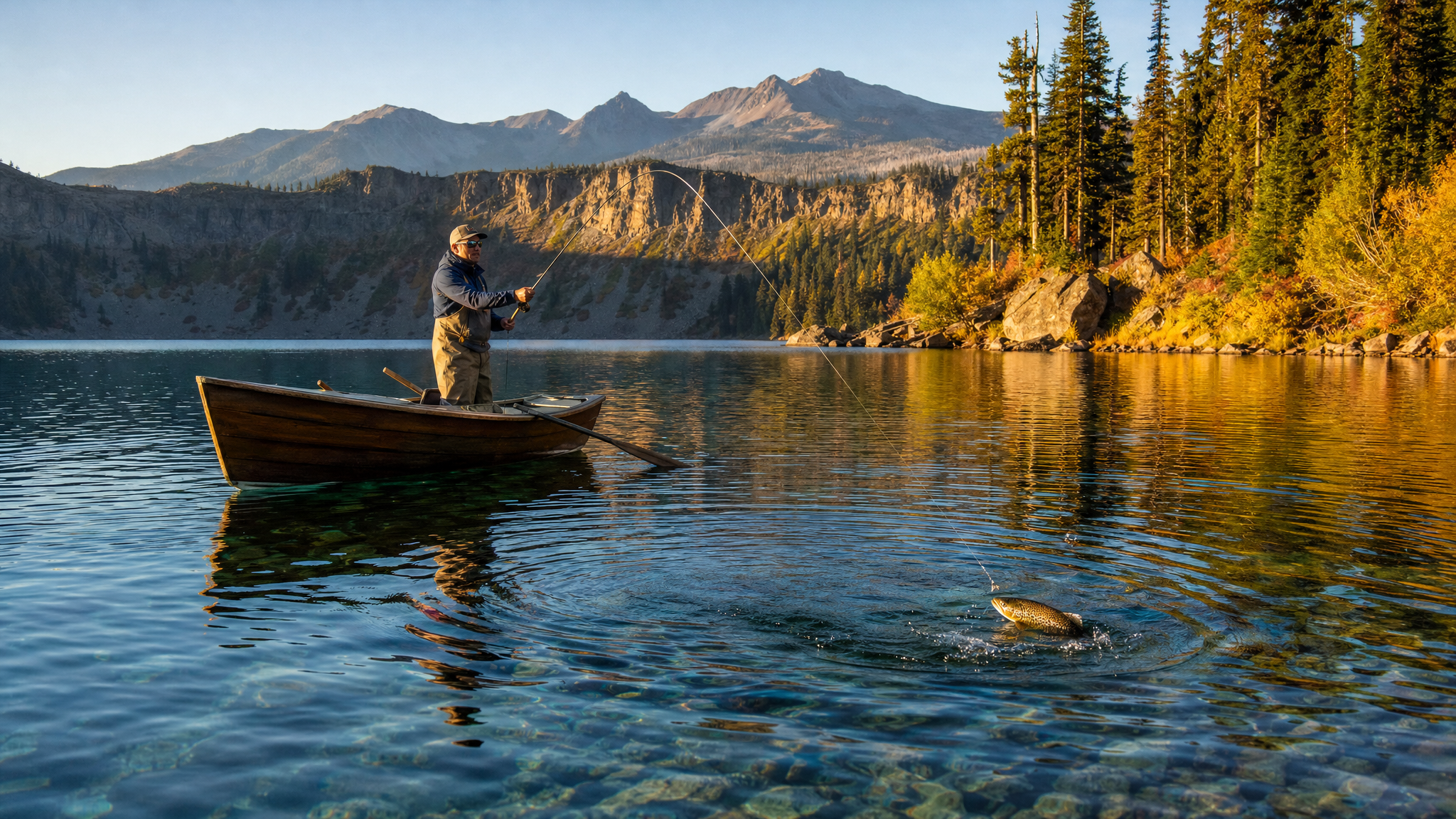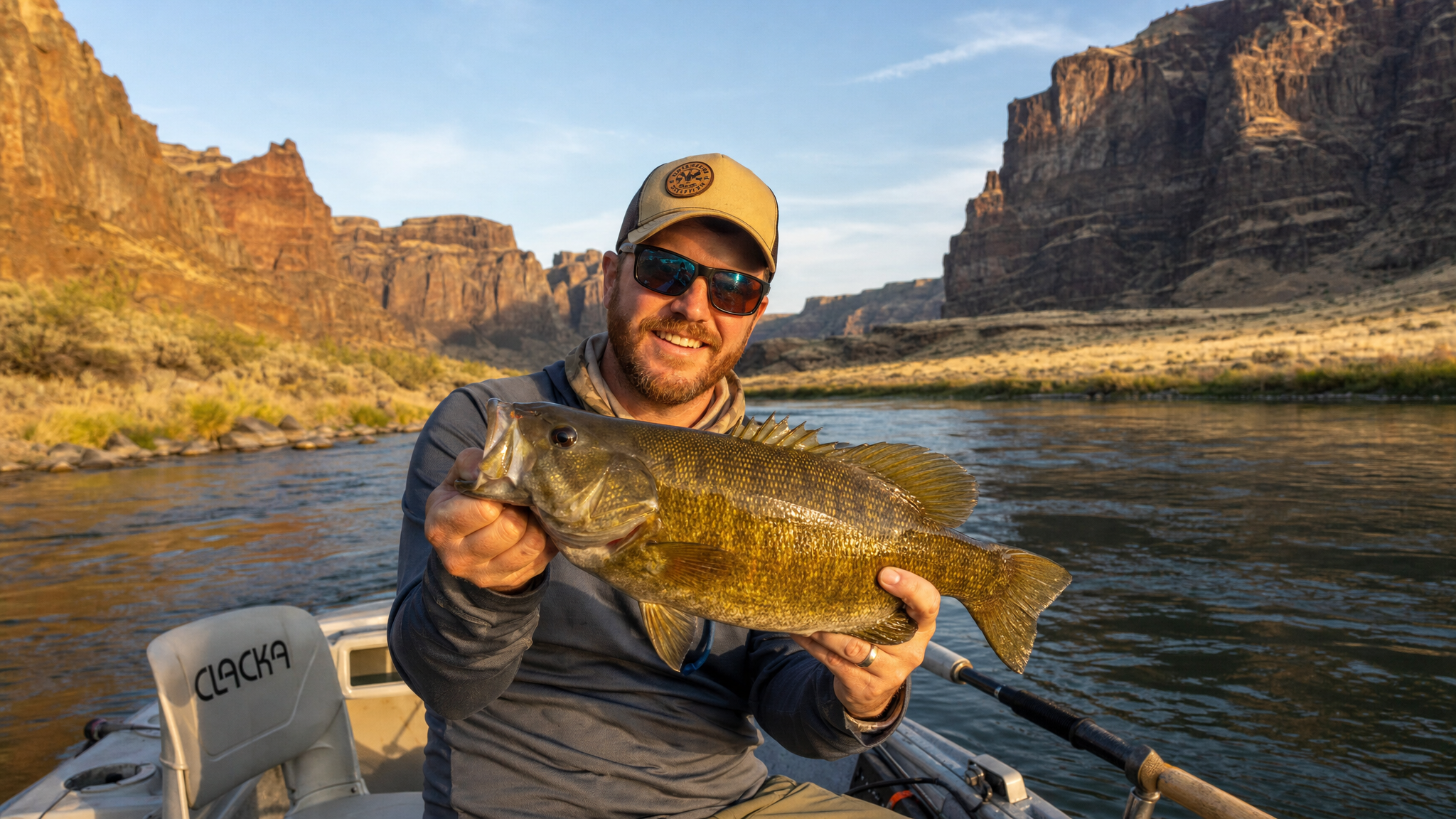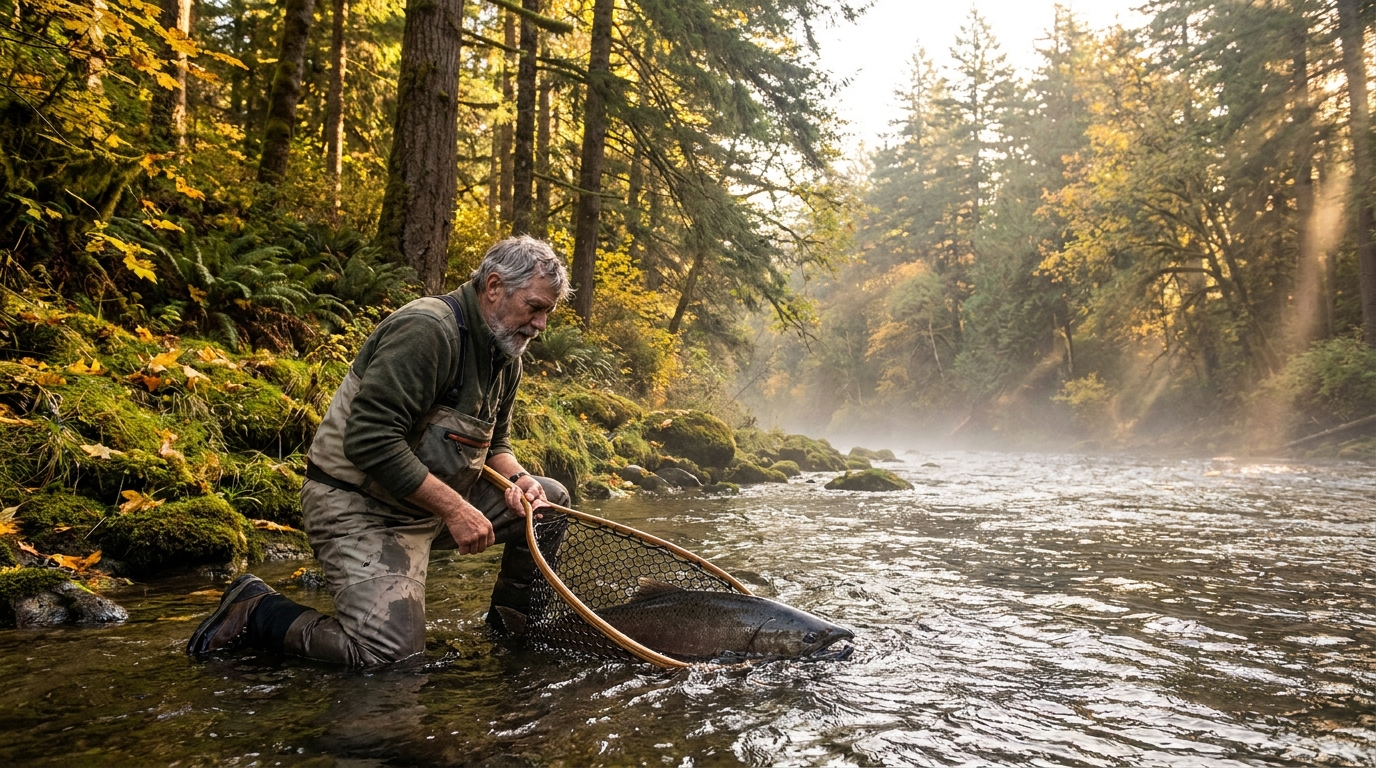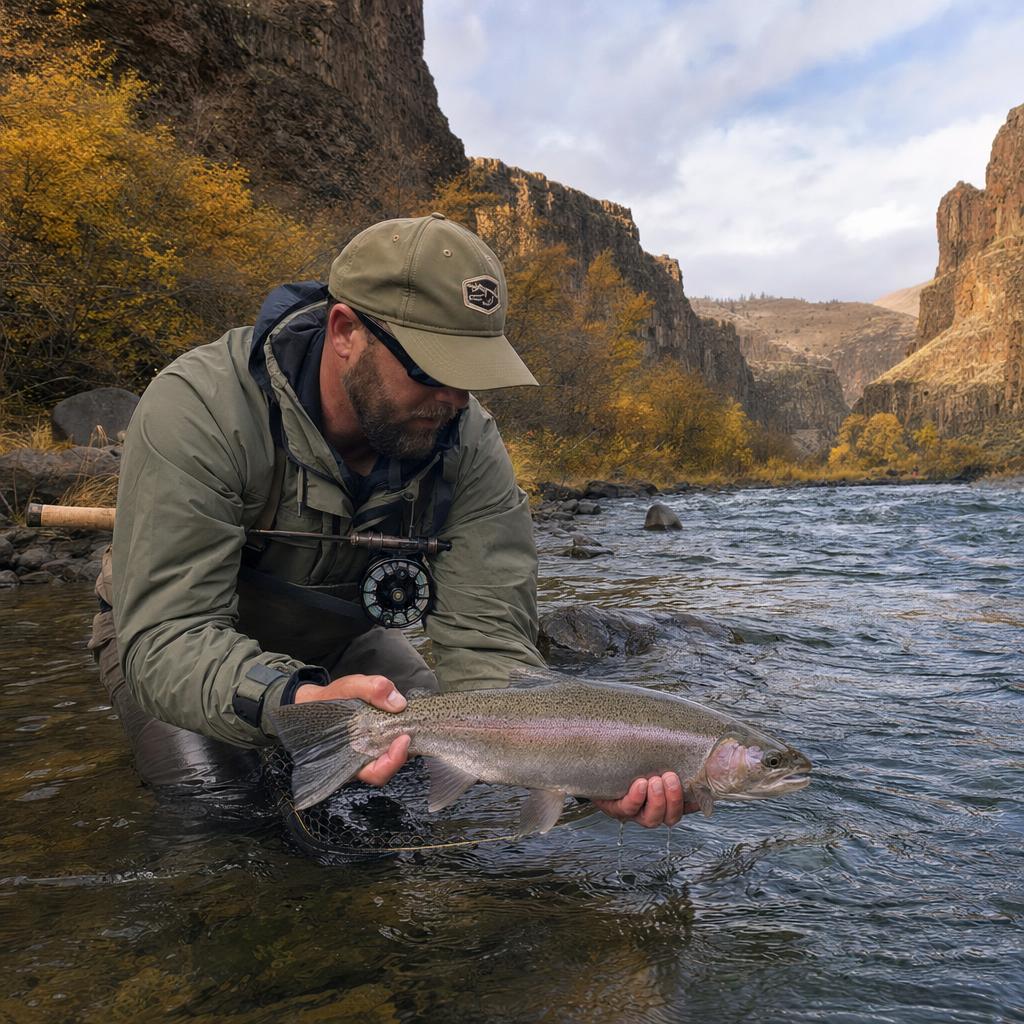
The Imnaha River is one of Northeast Oregon's best-kept steelhead secrets. Tucked deep in Wallowa County, this wild canyon stream drains the Eagle Cap Wilderness before plunging through spectacular basalt gorges on its way to the Snake River. While most anglers crowd the Grande Ronde or the main Clearwater tributaries, a savvy few know that the Imnaha offers some of the most rewarding and isolated wild steelhead fishing in the Pacific Northwest every October.
The Imnaha Fall Run: What to Expect
Fall steelhead typically enter the Imnaha in mid-September and peak through October and into November. These are wild B-run fish — larger, darker-shouldered summer steelhead that have been holding in the Snake River system before staging their push into cold tributary water. Fish in the 6 to 12 pound range are common; a 15-pounder isn't out of the question. Because the Imnaha is a designated Wild and Scenic River with strong hatchery restrictions on most of its length, the vast majority of what you'll encounter are wild fish — handle them carefully and release them.
Water clarity on the Imnaha is generally excellent by October, which is both a blessing and a challenge. Fish can be spotted, but they can also see you. Low, clear conditions call for longer leaders, smaller presentations, and careful wading to avoid sending pressure waves that spook holding fish.
Access Points and River Sections
The most accessible steelhead water begins around the town of Imnaha and extends downstream to the Snake River confluence near Eureka Bar. Highway 350 out of Enterprise follows the upper canyon, and Forest Road 3955 (Imnaha River Road) takes you deep into the lower sections. Key access points include:
- Cow Creek Bridge area — Walk-in access to productive runs just below the confluence of Cow Creek. Look for steelhead stacked in the long pool below the riffle.
- Lower Imnaha Road pullouts — Multiple gravel pullouts along the lower 12 miles of road provide walk-in access to boulder-strewn runs and tail-outs.
- Eureka Bar confluence — The last half-mile before the Snake sees good numbers of fish resting and staging. Accessible by a steep trail from the end of the road.
A high-clearance vehicle is recommended on the lower road. Check ODFW regulations annually — sections of the river have specific gear restrictions and closures that change by year.
Gear and Tactics for October Imnaha Steelhead
Fly Fishing
The Imnaha is a fly angler's river in October. A 13-foot switch rod or a full spey rod in 7-weight is ideal for swinging flies through the long, ledge-rock runs. Standard wet fly presentations work well: swing a marabou intruder, a fall-colored leech pattern, or a classic skunk through the soft seams at the edge of fast water. In clear, low conditions, drop down to a size 6 or 8 presentation and slow your swing.
For indicator nymphing in deeper slots, stone fly nymphs, small egg patterns in natural orange or chartreuse, and copper-beaded hare's ear patterns are consistent producers. Keep your leader long — 12 to 14 feet from the fly line tip in low, clear water.
Conventional Gear
If you're fishing conventional gear, drift fishing is the bread and butter on the Imnaha. A 9- to 10-foot medium-heavy rod with 12- to 15-pound monofilament and a bobber/corky setup over a size 2 or 4 hook is a proven system. Natural egg cures in salmon egg orange or flame work well earlier in the run; switch to a more subtle pink or peach cure as water drops and clears through October.
Jig fishing under a float is increasingly popular and deserves attention. Pink and white, black and blue, or natural brown marabou jigs in 1/8 to 1/4 ounce fished 3 to 4 feet under a float will draw strikes from fish that ignore drifted bait.
October River Conditions and Timing
By early October, the Imnaha typically runs between 150 and 300 cubic feet per second at the Imnaha gauge — ideal steelhead water that's fishable throughout the canyon. Watch the USGS gauge online before you make the drive. A rain event in the Wallowas can spike the river quickly, but it drops and clears within 24 to 48 hours and often produces excellent fishing on the drop.
Dawn and dusk are peak bite windows. Arrive at your chosen run at first light. Steelhead in clear, low water often go lock-jawed in the heat of the afternoon and come alive again in the last two hours of daylight. Plan your day accordingly.
Camp and Stay
The Imnaha Store and Tavern in the tiny town of Imnaha is the hub of the lower canyon and worth stopping for supplies and local intel. Primitive camping is available along the Forest Service road sections. The Wallowa Lake State Park campground near Joseph is a comfortable base for anglers working the upper sections. Enterprise and Joseph offer motel rooms if you prefer a roof.
Final Thoughts
The Imnaha is not a river for the casual angler looking for an easy limit. It demands effort — the drive is long, the canyon is steep, and the wild fish require respect and skill. But that's exactly what makes it special. An October morning on the Imnaha, standing in a cold, clear run with canyon walls towering above you and a wild steelhead on the end of your line, is about as good as Oregon fishing gets. Put in the work, and the river will reward you.