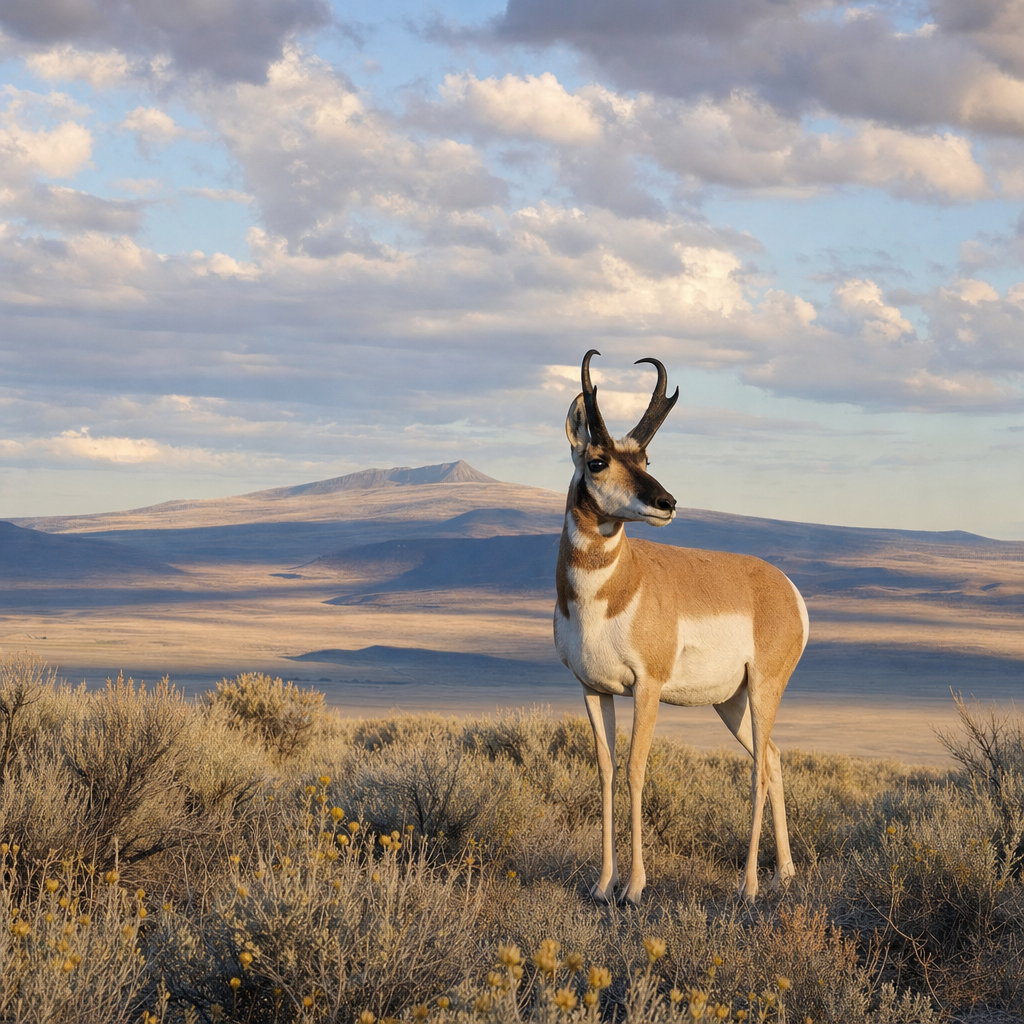
Pronghorn antelope are North America's fastest land animal — capable of sustaining 55 mph across open terrain — and hunting them on Oregon's high desert is one of the most challenging and rewarding pursuits the state has to offer. The Hart Mountain and Steens Mountain units in Lake and Harney counties hold some of the best pronghorn populations in the West, but tags are limited, competition is stiff, and success depends on preparation long before opening day.
Understanding Oregon's Pronghorn Tag System
Oregon's pronghorn rifle season typically runs from mid-August through September, with the 2026 season wrapping in late September — but scouting now sets you up to apply with a vengeance next year. Tags are issued by draw through ODFW's controlled hunt system. The Hart Mountain Unit (Unit 72) and the Steens Mountain Unit (Unit 73) are the most applied-for in the state. Both are general controlled hunts requiring 2–5 preference points for a realistic draw odds; spike and forked-horn tags occasionally pop up as leftover tags in August.
If you drew a tag and didn't fill it this season, start applying for next year immediately after the application window opens in January. Nonresidents face slightly longer wait times but do draw these tags — the quality of the hunt is worth the investment.
The Hart Mountain Unit
Hart Mountain National Antelope Refuge northeast of Lakeview is the flagship pronghorn destination in Oregon. The refuge covers over 275,000 acres of sagebrush steppe, rimrock, and alkali flats ranging from 4,200 feet on the Warner Valley floor to over 8,000 feet on the Hart Mountain rim.
Key Terrain Features
- Blue Sky Road corridor: The main access road bisects prime pronghorn habitat. Glass from elevated rocky points east of the road in the early morning.
- Poker Jim Ridge: The escarpment's west face catches thermals all day — bucks bed near the rim in midday heat, making them visible from a mile away with quality optics.
- Flagstaff Lake flats: Dried alkali flat in late summer draws pronghorn from miles around to remaining water sources. Post up on a rise overlooking any active water.
- Hot Springs Campground area: Vehicle traffic keeps goats pressured around camp; hunt 2–3 miles out from the main campground for undisturbed animals.
The Steens Mountain Unit
The Steens unit spans the massive fault-block mountain itself plus the surrounding Alvord Desert basin. Pronghorn concentrate on the Alvord Desert floor east of the mountain, around Mann Lake Road, and on the wide sagebrush flats near Fields, Oregon. This is big-water, big-sky country where a 200-inch buck can appear as a tiny dot a mile across the playa.
Access the eastern Steens via the Alvord Desert Road off Highway 78 south of Burns. Mann Lake, just north of Fields on the east side, often holds pronghorn year-round and is a great scouting destination in September and October.
Gear and Optics for High Desert Pronghorn
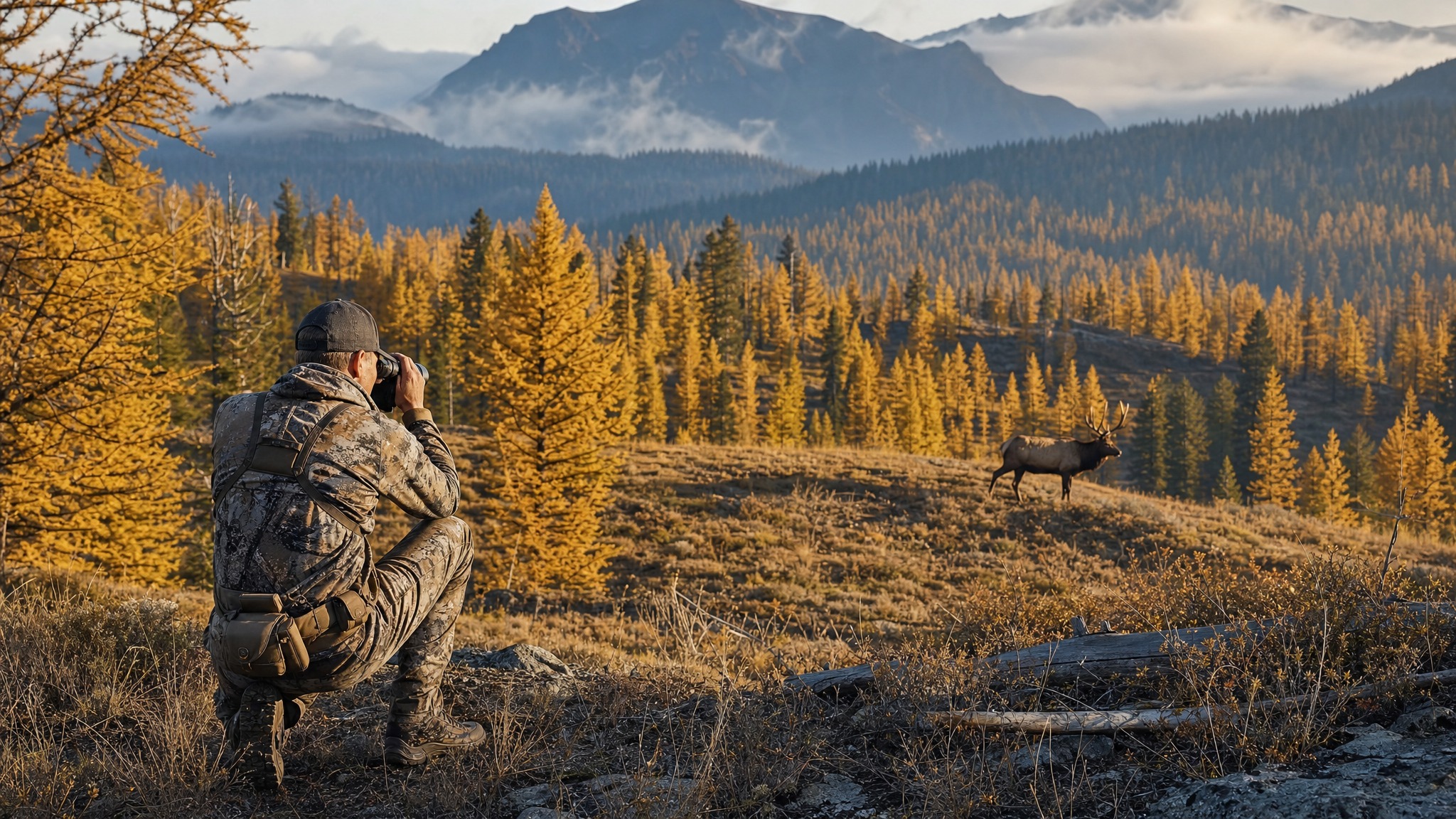
Spot-and-stalk is the primary hunting method. You will glass far more than you walk. Your optics setup matters more than your rifle here.
- Binoculars: 10x42 minimum. Swarovski, Zeiss Victory, or Leupold BX-5 — don't cheap out.
- Spotting scope: 65–85mm with a quality tripod. You'll glass for hours from a single vantage point.
- Rangefinder: Essential. Flat terrain creates range illusions. What looks like 250 yards is often 400+.
- Shooting sticks or bipod: Pronghorn rarely give you a supported rest. Sticks or a quality bipod keep your first shot true across open ground.
Rifle and Cartridge Selection
Shots in open high desert run 200–450 yards routinely. Flat-shooting cartridges shine:
- .243 Winchester with 95-grain Nosler Partitions — minimal recoil, flat trajectory
- 6.5 Creedmoor — Oregon's current favorite, outstanding at 400 yards
- .270 Winchester — the classic Oregon deer-and-pronghorn cartridge
- .25-06 Remington — underrated but exceptional for long-range antelope
Whatever you carry, confirm your zero at 200 and 300 yards before the hunt. Know exactly where your bullet hits at 400. Practice from the field position you'll likely use — sitting with shooting sticks, not a benchrest.
Pronghorn Behavior in October
By October the rut is winding down and bucks are tired, more visible, and less wary than peak August. They're feeding heavily to rebuild condition for winter. Glass water sources and green vegetation in the early morning and late afternoon. In midday heat, goats bed in open ground where they can see predators approaching from all directions — don't try to sneak on a bedded pronghorn on a flat; they'll spot you at 600 yards.
Use terrain — washes, rimrock, the backside of any rise — to close distance. Pronghorn can be called during the rut, but by October rattling antlers and decoys are more effective than doe bleats.
Logistics: Burns, Lakeview, and Fields
Base camp options for the Hart Mountain hunt are limited — the refuge has primitive camping only. Stock up in Lakeview (75 miles south on Highway 395) or Burns (90 miles north on Highway 395). Both have fuel, groceries, and basic outfitter gear. For Steens hunts, Fields Station serves burgers and fuel at the base of the mountain — a beloved Oregon institution.
Cell service is essentially nonexistent in both units. Download offline topo maps via OnX Hunt before you leave pavement. A paper backup is not optional in the Alvord Desert.
Final Thoughts
A pronghorn tag in Oregon's Hart Mountain or Steens unit is a prize worth chasing for years. The country is enormous, the animals are spectacular, and a mature buck pushing 15-inch horns in the morning light of the Alvord Desert is as wild as Oregon gets. Start applying now, scout the maps hard over winter, and plan to spend at least five days in the field. The high desert rewards patience and punishes impatience — but it always delivers memories worth keeping.