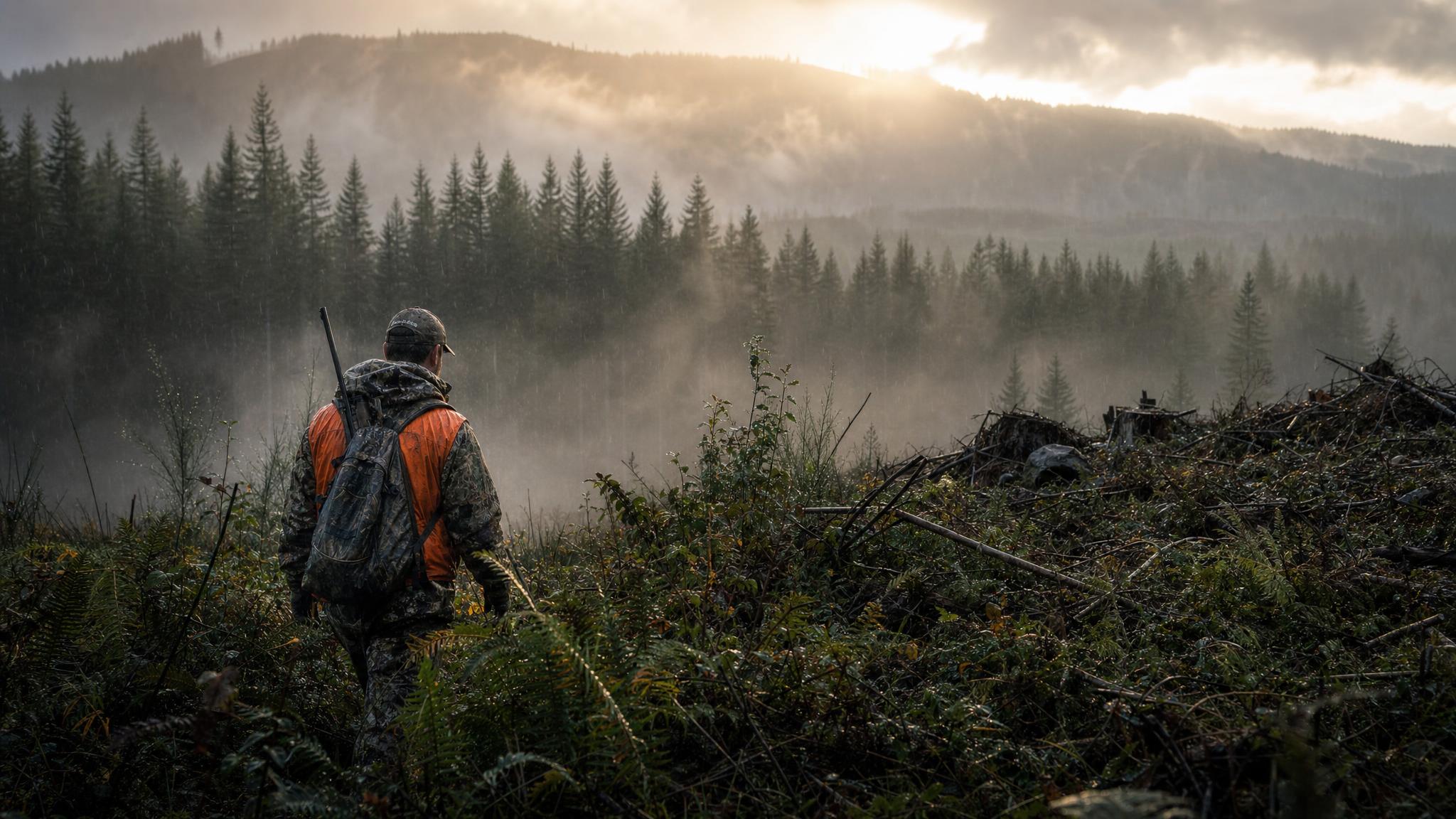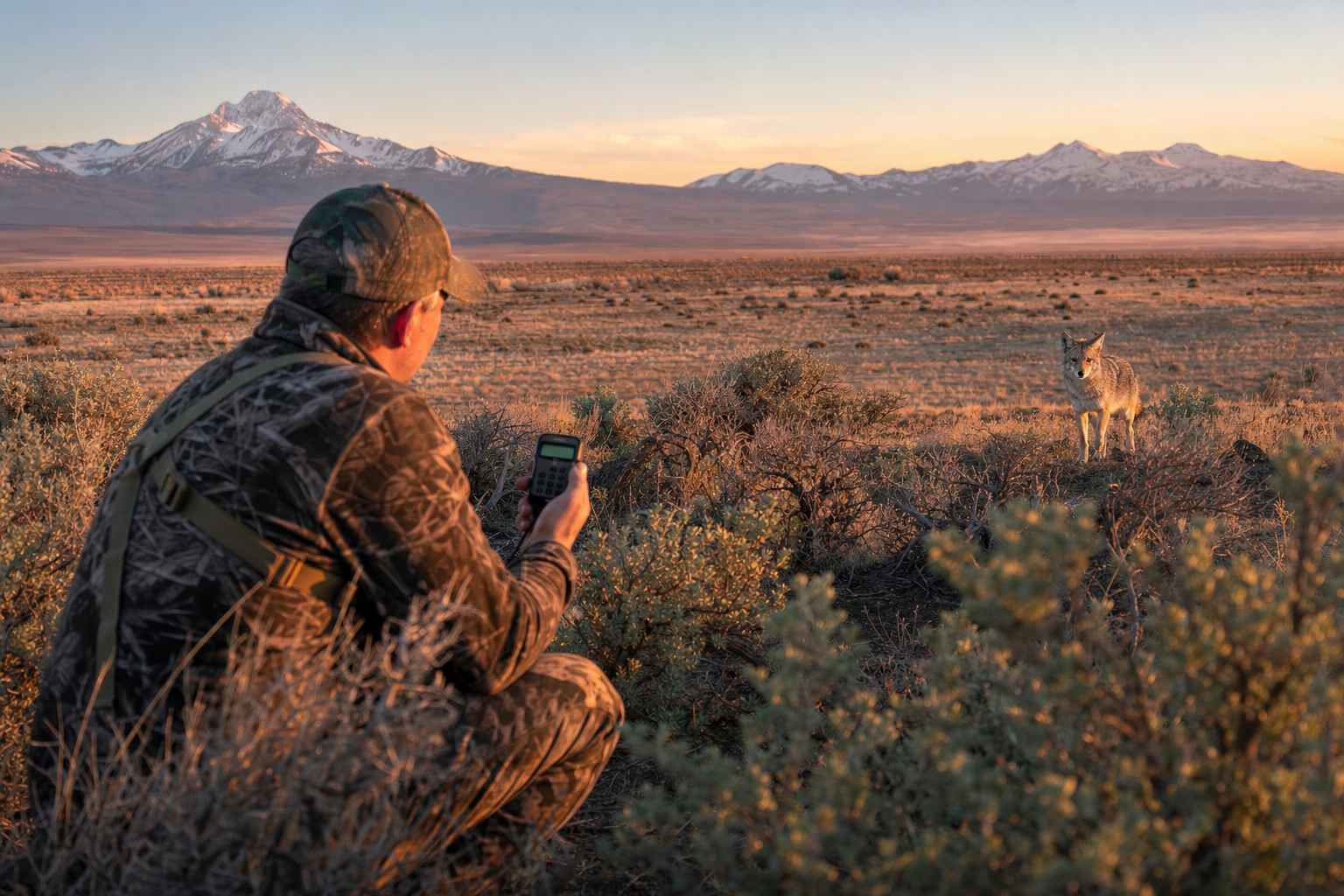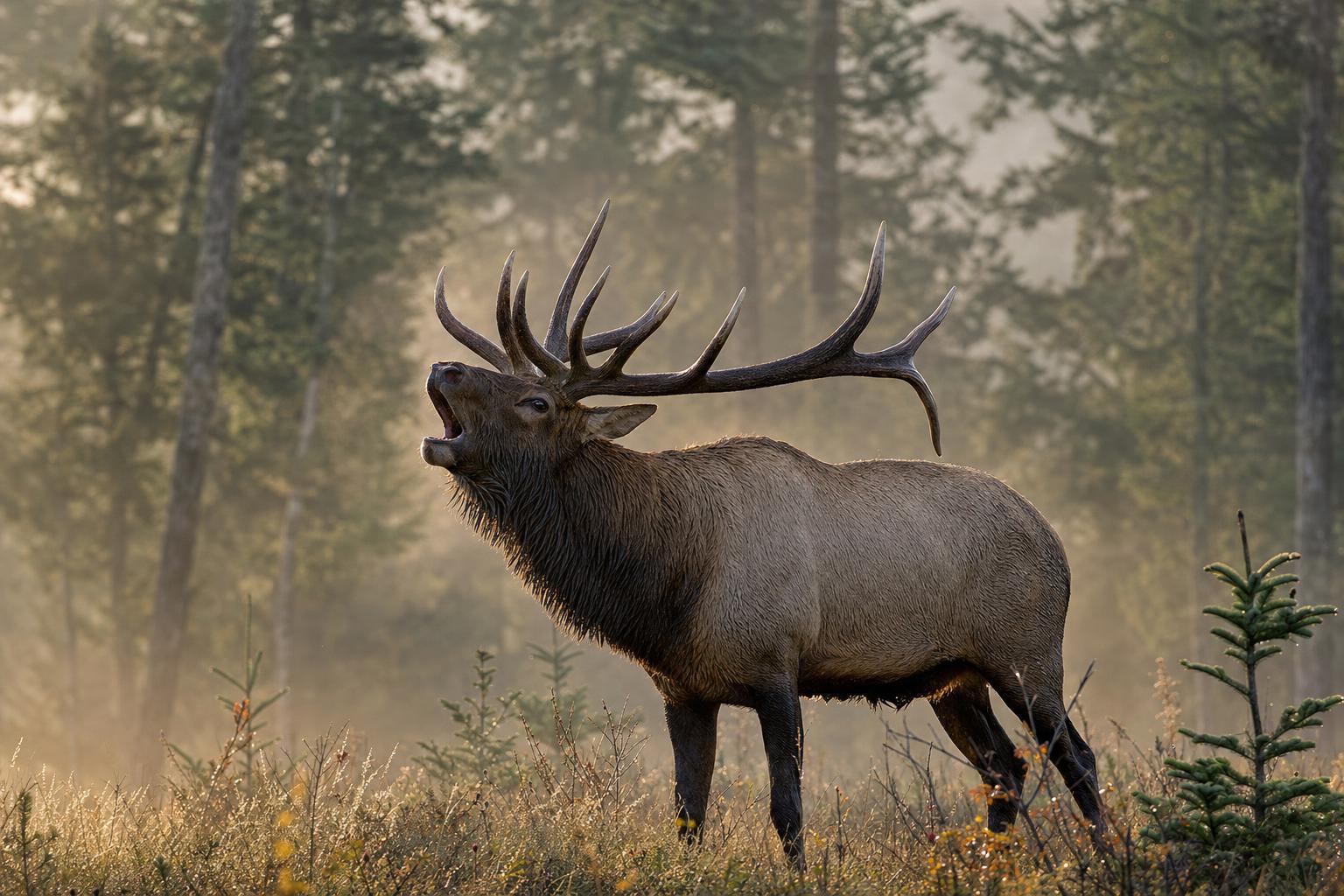
The difference between filling your deer tag and packing out an empty frame usually comes down to work done before the season ever opens. Oregon's deer hunting — whether you're chasing blacktails in the Coast Range, muleys in the high desert, or Columbian whitetails in the valleys — rewards hunters who put in summer time. Here's how to make that time count.
Start with OnX Hunt: Layers That Matter
If you're not using OnX Hunt or a comparable mapping platform, you're doing twice the legwork for half the intel. The app's land ownership layer is the starting point — identify blocks of public ground (BLM, USFS, ODFW WMAs) adjacent to private ag land. Deer don't respect property lines, but they use transition zones heavily. Look for:
- Public/private edges: Deer bed on public, feed on private (ag fields, orchards). Hunt the transition at legal shooting light.
- Water sources: In Eastern Oregon's high desert, tanks and seeps concentrate deer through August. Find them on the satellite layer — look for circular brown patches or green vegetation anomalies in dry drainages.
- Terrain funnels: Saddles, benches between drainages, and ridge points that deer use as travel corridors. The topo layer in OnX makes these jump out.
Download your units for offline use before you leave cell coverage. The Cascades and Coast Range will drop your signal fast.
Oregon Unit Selection: Where to Focus Summer Scouting
Not all units are created equal. If you drew a controlled mule deer tag in Units like 64 (Northside), 65 (Murderers Creek), or 69 (Steens Mountain), summer scouting is non-negotiable — these are big country tags where showing up blind puts you in the 20% who fail. Even general season blacktail hunters in units like the Indirectly Controlled Units (ICUs) in the Cascades will benefit from pre-season boots-on-the-ground work.
Start scouting in late June or early July when bucks are still in velvet. They're easier to pattern — less nocturnal, more tied to food and water, and the velvet makes them more visible in optics. By mid-August, antler development is wrapping up and pre-rut restlessness starts to set in.
Summer Glassing Techniques
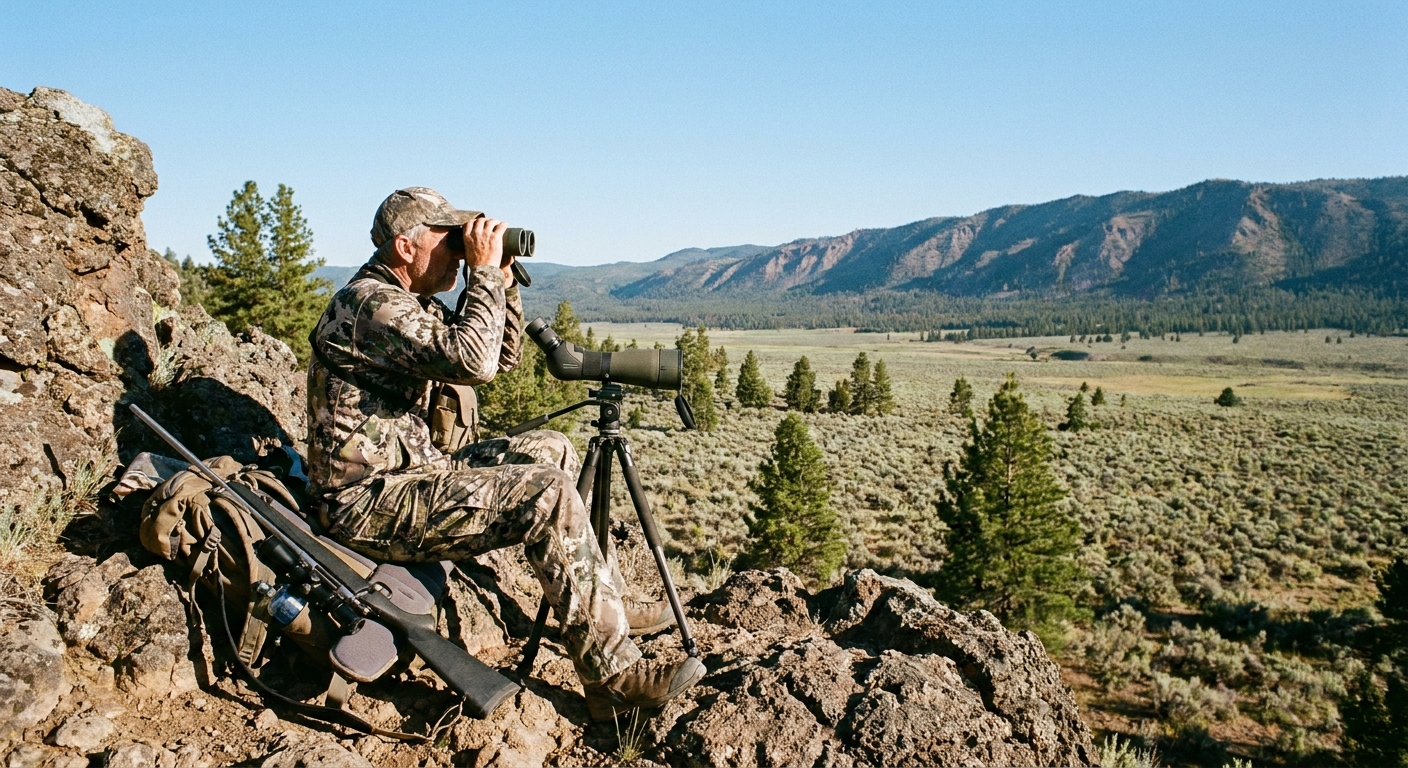
Good glassing in summer is different from in-season glassing. You're not trying to close a shot — you're building a database. Here's the approach:
- Glass from a distance: A quality 10x42 or 12x50 binocular on a tripod, or a 20–60x spotting scope, lets you observe deer without bumping them. Stay 600–1,000 yards back.
- Morning and evening windows: Deer are crepuscular. Be glassing at first light and two hours before dark. The mid-day hours in July are dead time — use them to glass shade pockets, water, or sleep in your truck.
- Catalog what you see: Drop a pin in OnX every time you see a deer. After three or four sessions, patterns emerge. Feeding areas, crossing points, bedding ridge bands — all of it becomes actionable intel.
- Don't bump deer out of the area: Keep your intrusion minimal during summer. Every time you push deer off a bench with your wind or silhouette, you train them to be somewhere else come opening day.
Trail Camera Strategy
Trail cameras are summer scouting multipliers. A well-placed camera tells you not just what's in the area, but when it's there and which direction it's coming from. Best practices for Oregon summer cams:
- Water holes first: In the high desert, a camera over a reliable water source in July will show you every deer using that drainage. Run a Browning Strike Force, Stealth Cam, or Spypoint cellular cam here.
- Mineral licks: Legal in Oregon for scouting (check current regulations — rules vary). A rock salt block or commercial mineral mix draws bucks repeatedly and gives you photo sequences over multiple weeks.
- Rub lines and scrapes (late August): As summer transitions to early fall, bucks begin making rubs and early scrapes. Camera a fresh rub line and you're close to a shooter's bedroom.
- Cellular cameras save boot leather: If you're scouting from a distance or managing cameras on public land across a large area, a cellular cam like the Spypoint Link-Micro or Stealth Cam Fusion X eliminates the drive to pull cards every two weeks.
Physical Scouting: What to Look For
Boots on the ground fills in what maps and cameras miss. On a summer scouting hike, focus on:
- Tracks in soft soil: Muddy seeps and stream crossings hold tracks. Mature buck tracks are notably wide and round vs. the narrower print of a doe.
- Beds: Oval depressions on ridges with good sight lines and downhill thermal flow. Big beds mean big deer.
- Browse pressure: Heavily browsed brush — bitterbrush, ceanothus, serviceberry — tells you where deer are feeding. Fresh browse is wet at the break point.
- Antler rubs (late summer): Fresh rubs on trees 4–8" in diameter indicate a mature buck. Velvet comes off in late August and early September in Oregon — rubs appear almost overnight.
Build Your Hunt Plan Now
By the time August ends, you should have a primary area, two or three stand or blind locations, your entry and exit routes planned to keep wind in your favor, and a backup if your primary gets crowded on opener. Oregon's general rifle season for deer opens in late October — that gives you four months from now to build a plan that actually works. The hunters glassing from the road in September with no prior scouting are filling tags maybe 30% of the time. The ones who spent their summers on a tripod do it a lot more consistently.