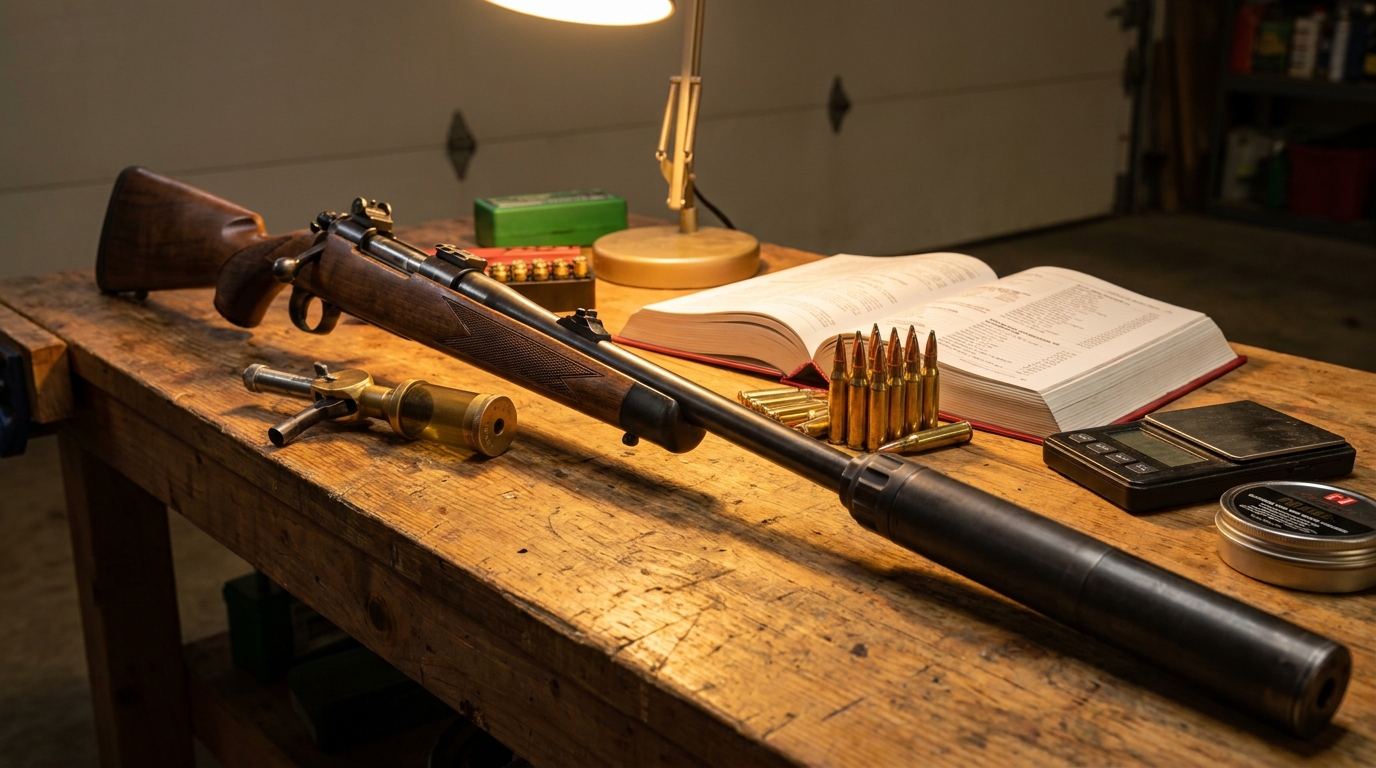
Suppressors are no longer the province of spec-ops movies and gun shop mythology. Across Oregon, more hunters are running cans on deer rifles, predator guns, and hog setups — and the NFA paperwork wait, while still painful, hasn't slowed adoption. But buying a suppressor is only part of the equation. If you're handloading for a suppressed rifle, you have options that factory ammo simply can't match, starting with the ability to tune loads for optimal suppressor performance.
Understanding Suppressor Mechanics and Pressure
A suppressor works by creating a series of expansion chambers that slow and cool propellant gases before they exit the muzzle. The result is a significant reduction in muzzle blast and sound signature — typically 25 to 35 dB for centerfire rifles. But here's what most hunters don't know: suppressor performance is closely tied to gas volume and velocity. More gas (from more powder) means more work for the suppressor. Loads specifically tuned for suppressed fire can increase suppressor efficiency and reduce backpressure into the action.
Two main categories of suppressed loads are worth developing:
- Supersonic hunting loads: Standard hunting velocities, tuned to run cleaner and with less gas port pressure to reduce carrier blowback in semi-autos or excessive bolt-handle smack in bolts.
- Subsonic loads: Bullets traveling below the speed of sound (~1,100 fps at sea level), eliminating the supersonic crack entirely. These are dramatically quieter but limited to shorter hunting ranges and require appropriate bullet selection.
Caliber Considerations for Oregon Hunters
.300 Blackout — Built for It
No discussion of suppressed hunting loads is complete without .300 BLK. The cartridge was literally engineered around subsonic suppressed use. In its subsonic configuration — typically a 200–220 grain bullet pushed to 1,000–1,050 fps — the .300 BLK is devastatingly quiet through a suppressor. Think pellet rifle loud at the muzzle.
For Oregon blacktail deer and hogs, a 220-grain subsonic Hornady SUB-X or Sierra MatchKing pushed with 10.0–10.5 grains of Hodgdon H110 in a 16-inch barrel gets you to 1,020–1,040 fps and puts a massive hole through a deer at 100 yards. These bullets, engineered with flex-tip or expanding profiles, open reliably at subsonic velocities if impact is assured — shot placement is critical when subsonic. Stay within 150 yards and hit the lungs or shoulders.
6.5 Creedmoor — Suppressor-Friendly Supersonic
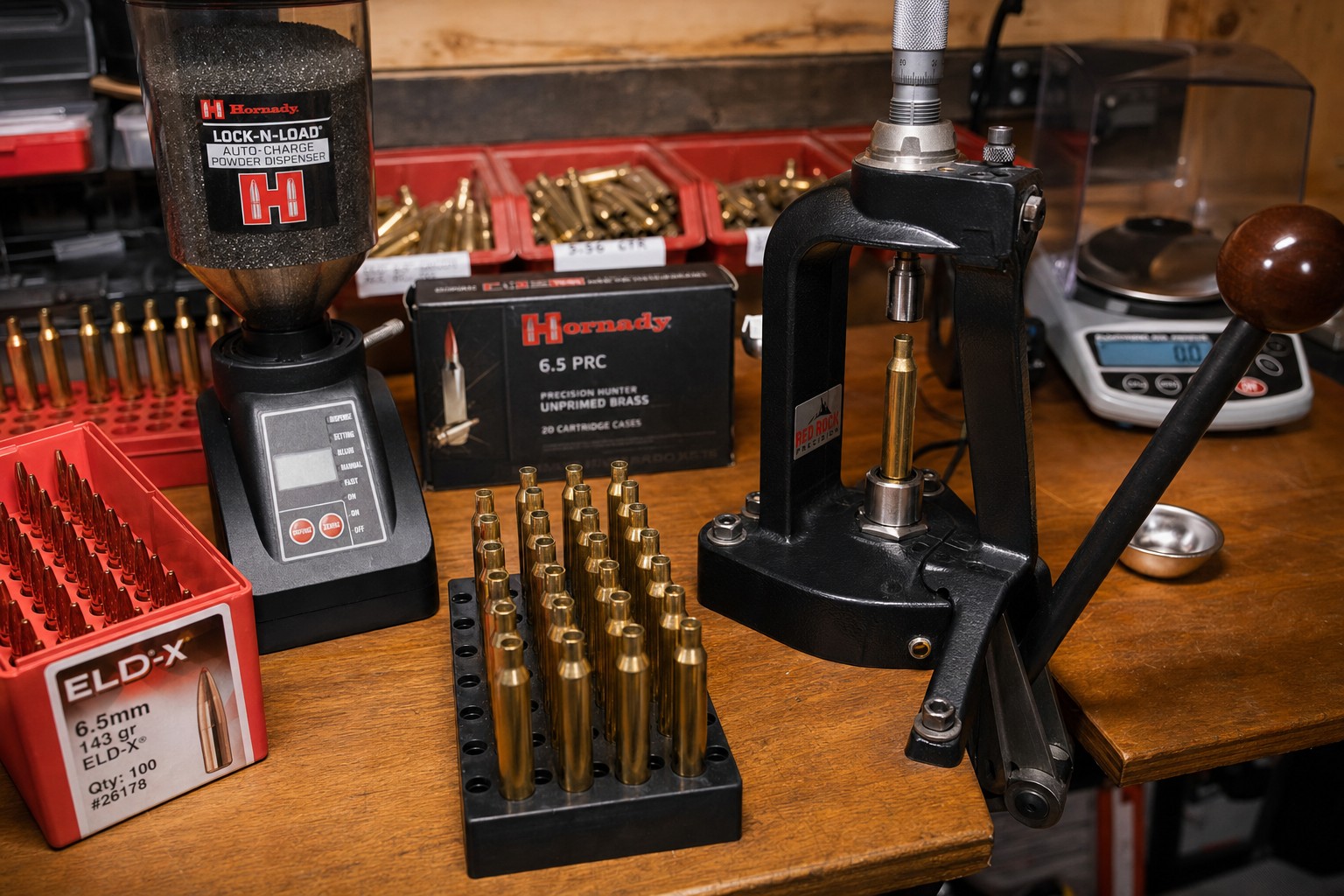
The 6.5 CM runs exceptionally well suppressed with standard supersonic loads. The moderate case volume and efficient powders like Hodgdon H4350 and Varget mean less unburned gas than magnum cartridges. A 140-grain Berger Hybrid at 2,600 fps through a suppressor is a genuinely pleasant shooting experience — reduced to mild-rifle levels with a quality can like a SilencerCo Omega 300 or Dead Air Sandman.
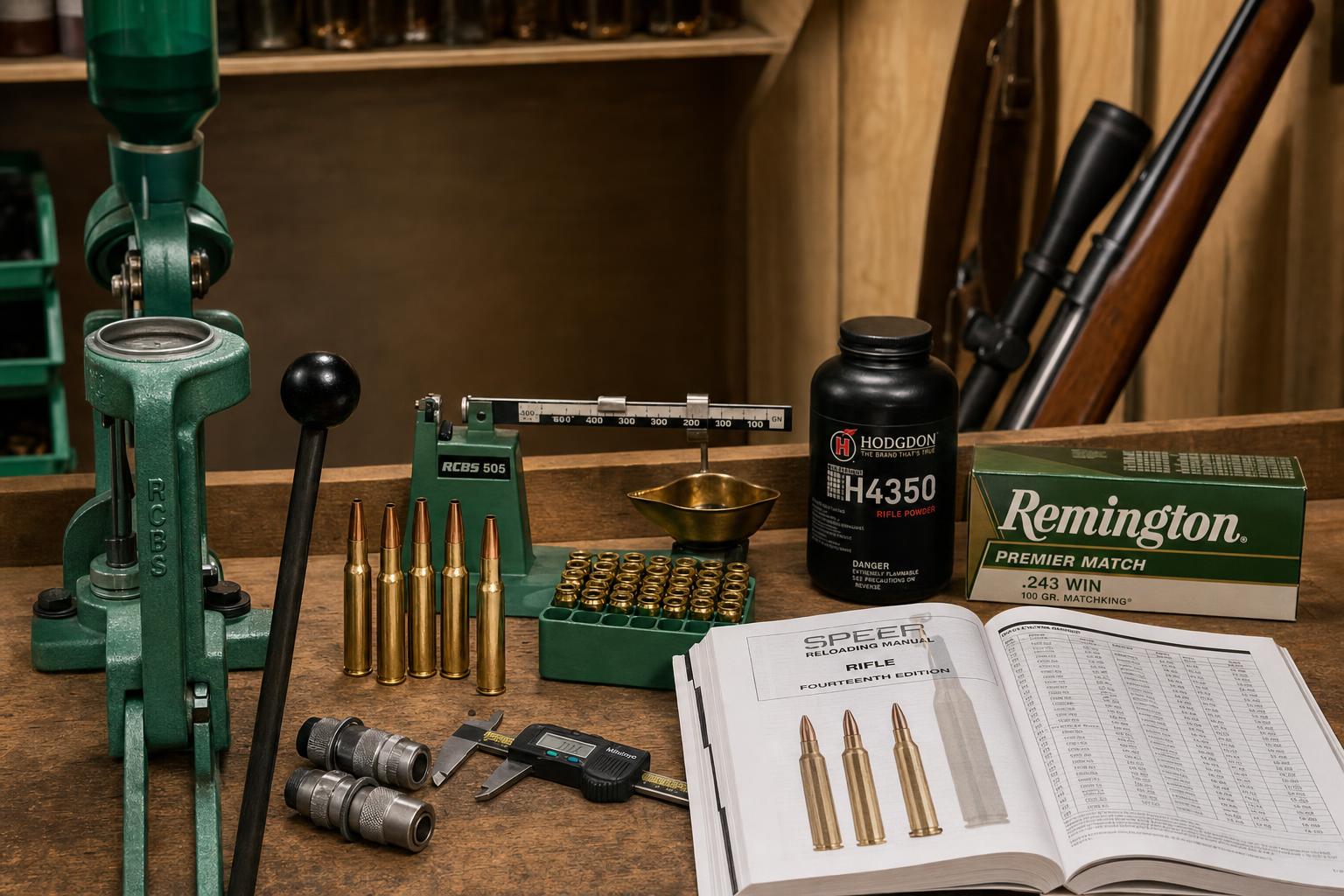
For suppressed 6.5 CM, reduce your starting loads by 5–8% from standard published data and work up. Many handloaders find that backing off 1–2 grains of H4350 from max still produces 2,550+ fps with dramatically reduced gas signature and cleaner suppressor internals.
.308 Winchester Subsonic
Building subsonic .308 loads is achievable but requires patience. You're pushing a 200–240 grain bullet to 1,040–1,080 fps, which means very fast powders — Trail Boss and Alliant 2400 are commonly used. Start low and work up carefully; pressures in subsonic .308 are generally mild but cycling semi-auto actions with these loads requires tuning. For bolt guns, no issue. For AR-10 platforms, you may need an adjustable gas block.
A proven subsonic .308 load: 180-grain Hornady A-Tip or Sierra MatchKing over 10.5 grains of Alliant 2400 with a CCI Large Rifle primer. Seat to 2.800" COAL. This load cycles reliably in bolt actions and produces about 1,050 fps from a 20-inch barrel. At this velocity, it is lethal on deer within 100 yards with proper shot placement.
Key Reloading Adjustments for Suppressed Rifles
Powder Selection
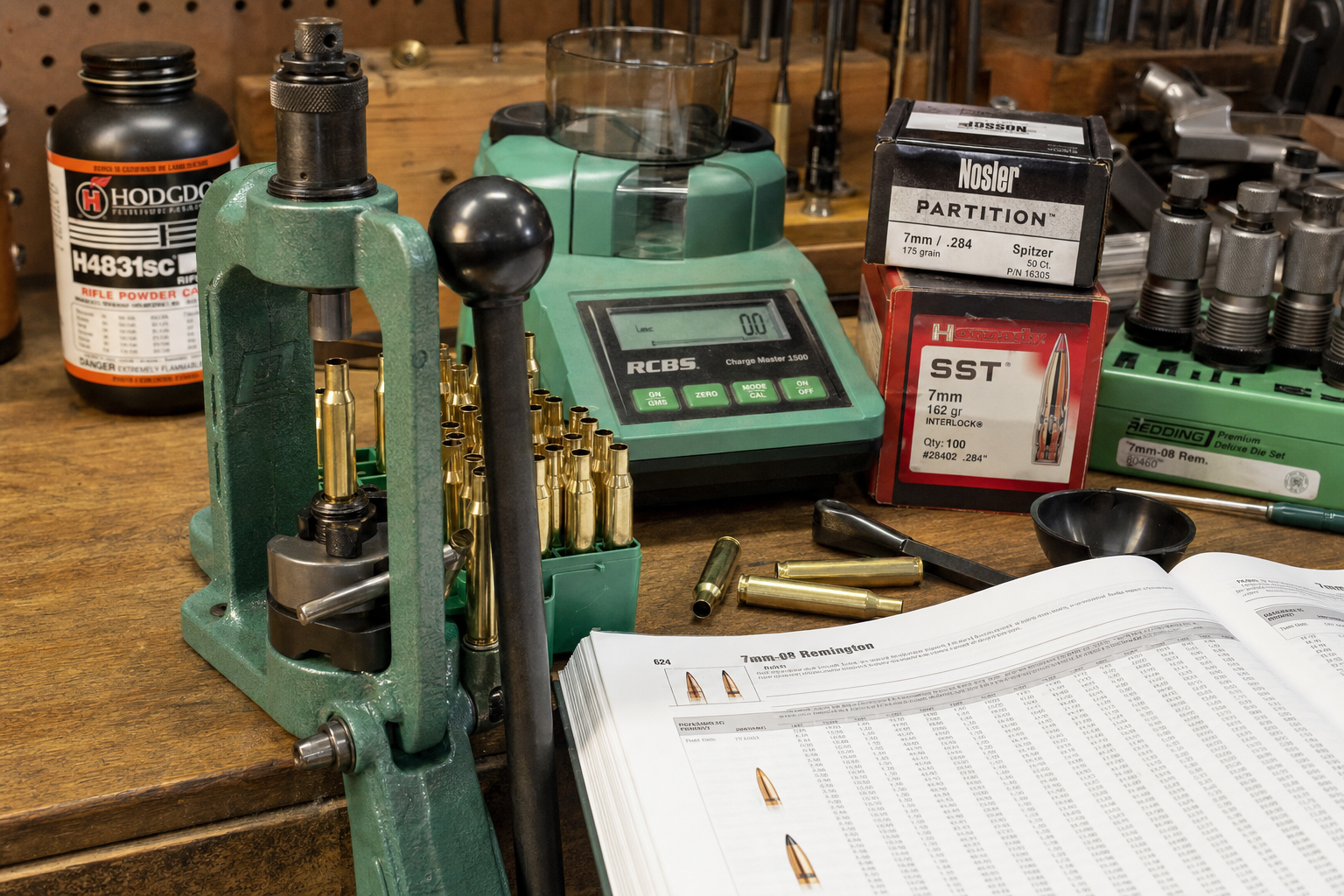
For supersonic suppressed loads, favor complete-burn powders — Varget, H4350, H4831SC. These powders burn efficiently before the bullet exits the muzzle, reducing the amount of unburned propellant gases the suppressor must handle. Slow, magnum powders that are still burning at muzzle exit produce excess fouling and backpressure through a can.
Primer Choice
Standard primers work fine for suppressed loads. Some handloaders prefer Federal Small Rifle Primers for temperature consistency, which matters more if you're hunting in variable Oregon mountain conditions. Avoid magnum primers in subsonic applications — they can spike pressures unexpectedly with the small powder charges involved.
Bullet Seating
Heavier suppressor-friendly bullets — 200+ grains in .308, 220 in .300 BLK — often require seating deep enough to stay within SAAMI spec. Check COAL against your chamber and magazine. In .300 BLK, feeding reliability in AR-15 platforms is highly sensitive to COAL; stay within 2.200".
Oregon Legal Considerations
Oregon allows suppressor use for all legal hunting. There are no state restrictions on using NFA-registered suppressors in the field — your federal Form 4 approval covers you statewide. Carry your tax stamp (or a phone photo of it) in the field. You won't likely be asked, but it's good practice. Oregon also has no restriction on hunting deer or elk with subsonic centerfire ammunition, provided you meet the minimum caliber requirements for the season you're hunting.
Tracking Suppressor Loads in Your Log
Keep a separate section of your reloading log for suppressed loads. Note the suppressor model, thread attachment, and whether you observed any unusual port pressure or cycling issues. Suppressor backpressure affects action timing in semi-autos — your load data may need to be adjusted again if you swap suppressors or change barrel length. Good records save you from relearning the same lesson twice.
The Bottom Line
Reloading for suppressed hunting rifles opens a world of performance that factory ammo simply can't access — especially in the subsonic realm. Whether you're running a quiet .300 BLK on blacktail at timber ranges or a clean-burning 6.5 CM through a can on open-country mule deer, handloaded suppressed ammunition is a genuine advantage. Work up loads carefully, track your results, and enjoy the most hearing-friendly hunting experience Oregon has to offer.