If there's one cartridge that has earned permanent shelf space in every Oregon gun shop and loaded countless deer and elk tags over the past century, it's the .30-06 Springfield. Introduced in 1906 for the U.S. military and adopted by generations of American hunters, the aught-six remains one of the most capable, versatile, and well-understood hunting cartridges ever chambered. For the handloader, it's close to perfect — wide bullet selection, forgiving pressure tolerances, excellent case life, and dies and data available everywhere. Here's how to load it right for Oregon's varied terrain and game.
Why the .30-06 Still Makes Sense in 2026
The 6.5 Creedmoor and .300 PRC get most of the attention at Oregon ranges these days, but the .30-06 hasn't been made obsolete — it's been validated. Pushing a 180-grain Nosler Partition to 2,700 fps gives you more than enough for Roosevelt elk in the Coast Range at 300 yards, and a 150-grain boattail at 2,900 fps is flat enough for open-country mule deer in the John Day country. Factory ammo is everywhere, but handloads genuinely unlock the cartridge's full potential.
Case life is excellent. Remington brass routinely goes 5–6 firings before showing primer pocket loosening, and Federal brass is similarly durable. For volume shooters and hunters who want to squeeze every dollar, the .30-06 is as economical to reload as any cartridge in common use.
Brass Selection and Prep
For hunting loads, start with high-quality brass: Lapua, Nosler, or Federal are the top picks. Winchester and Remington brass is fine for practice loads and will last several firings if you full-length size on each cycle. For the first firing of new brass, trim to 2.484 inches (SAAMI spec is 2.494" max). After firing, check length before each load — .30-06 cases tend to stretch slightly, especially in sloppy chambers.
- Trim-to length: 2.484"
- Max case length: 2.494"
- Primer: Large Rifle (use Magnum primers only with slow powders like H1000 or Retumbo)
- Flash hole deburring: Worth doing on new brass from any manufacturer
Bullet Selection for Oregon Game
Blacktail and Columbian Whitetail (Under 250 Yards)
Oregon's coastal timber and Willamette Valley deer hunting rarely demands shots past 200 yards. A 150–165 grain bonded bullet at moderate velocity is ideal. The Federal Trophy Bonded Bear Claw in 165 grains, the Hornady SST 150 grain, or the tried-and-true Remington Core-Lokt 180 grain all perform excellently. For timber shots where expansion at close range is important, avoid the ultra-high-BC VLD bullets — they're built for distance, not 80-yard woods shots.
Roosevelt Elk (Cascades and Coast Range)
Oregon elk deserve a heavy, controlled-expansion bullet. The 180-grain Nosler Partition is the gold standard — it's been anchoring Oregon bulls for 50 years. Swift A-Frame 180 grain, Hornady InterBond 165 grain, and the newer Federal Terminal Ascent 175 grain are all excellent. Avoid light bullets (under 150 grains) for elk — the .30-06 has the case capacity to handle 180+ grains at effective velocity, so use it.
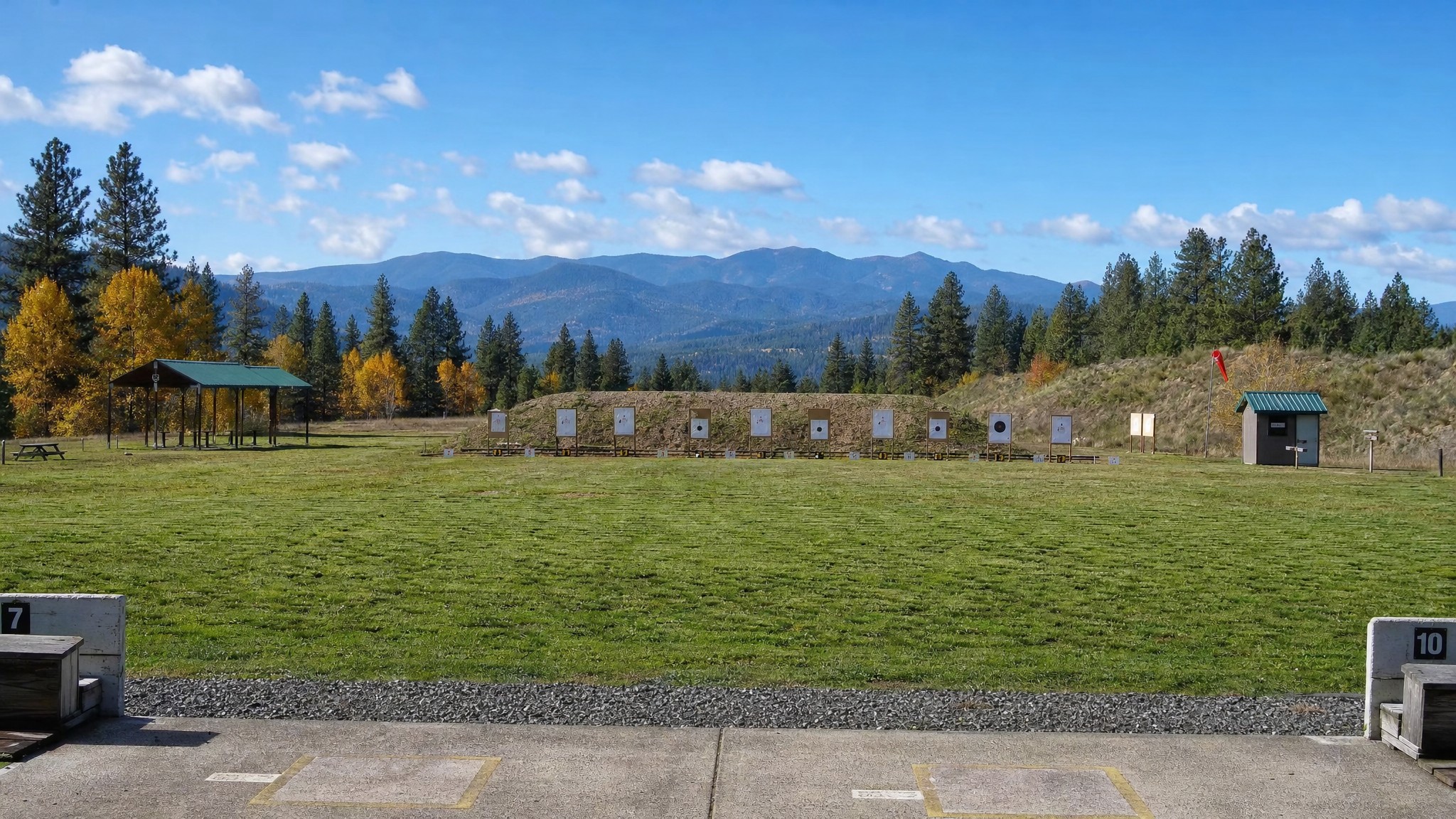
Long-Range Target Shooting (Camp Rilea, Bend Rifle Club)
For competition or long-range practice, go with high-BC boattails: Sierra MatchKing 175 grain or Berger Hybrid 185 grain. These won't hold together as well on game, but they'll group at 600 yards in a way that most hunting bullets won't.
Powder Recommendations
The .30-06's case capacity (68 grains water) puts it squarely in the medium-to-slow powder range. The best performers:
- IMR 4350: The classic .30-06 powder. Consistent, accurate, available. Works beautifully with 165–180 grain bullets. Start at 56.0 grains, max around 59.0 grains.
- H4350: Similar to IMR 4350 but more temperature-stable — important for Oregon's hunting, where morning temps in the Blues can be 20°F and afternoon 60°F. Great all-around choice.
- Varget: Excellent with 150–165 grain bullets. Meters well, temperature-insensitive, easy to load accurately. 54.0–57.0 grains for 165s.
- IMR 4831: The go-to for 180–200 grain bullets. Slower burn, maximizes velocity with heavy projectiles. 57.0–60.5 grains with 180s.
- Reloader 19 (RL-19): Excellent accuracy potential with 165–180 grain loads, but slightly more temperature-sensitive than H4350.
Always start 10% below published maximum and work up in 0.5-grain increments, watching for pressure signs: flattened primers, sticky bolt lift, or ejector marks on the case head.
Tested Load Data (Always Verify Against Current Manual)
All data for reference only — always verify against current published load data for your specific components. Never exceed maximum loads.
- 150 gr Sierra GameKing SPBT / Varget / 57.5 gr / Federal 210 primer / 2.985" OAL — approx. 2,980 fps
- 165 gr Hornady SST / H4350 / 59.0 gr / CCI 200 primer / 3.270" OAL — approx. 2,840 fps
- 180 gr Nosler Partition / IMR 4350 / 57.5 gr / Federal 210 primer / 3.330" OAL — approx. 2,700 fps
- 180 gr Swift A-Frame / IMR 4831 / 59.5 gr / Federal 210M primer / 3.330" OAL — approx. 2,680 fps
Crimping, Seating Depth, and OAL
The .30-06 is long-throated in most factory rifles, giving you plenty of room to play with seating depth. For hunting loads, seat bullets to 0.020"–0.040" off the lands for best accuracy, or simply match the cartridge OAL to fit your magazine (typically 3.340" for most bolt guns). A light roll crimp is not necessary unless you're using a lever or pump action where rounds cycle through the magazine under recoil.
The Bottom Line
The .30-06 Springfield has been ending Oregon hunting seasons since before your grandfather was born. It's not trendy, it won't win a ballistic coefficient contest against the new long-range cartridges, and it doesn't need to. With the right bullet and a solid handload, it will kill any animal in the Pacific Northwest cleanly and efficiently — from Willamette Valley whitetail to Blue Mountains elk. Load it well, shoot it often, and it'll keep earning its shelf space for another century.