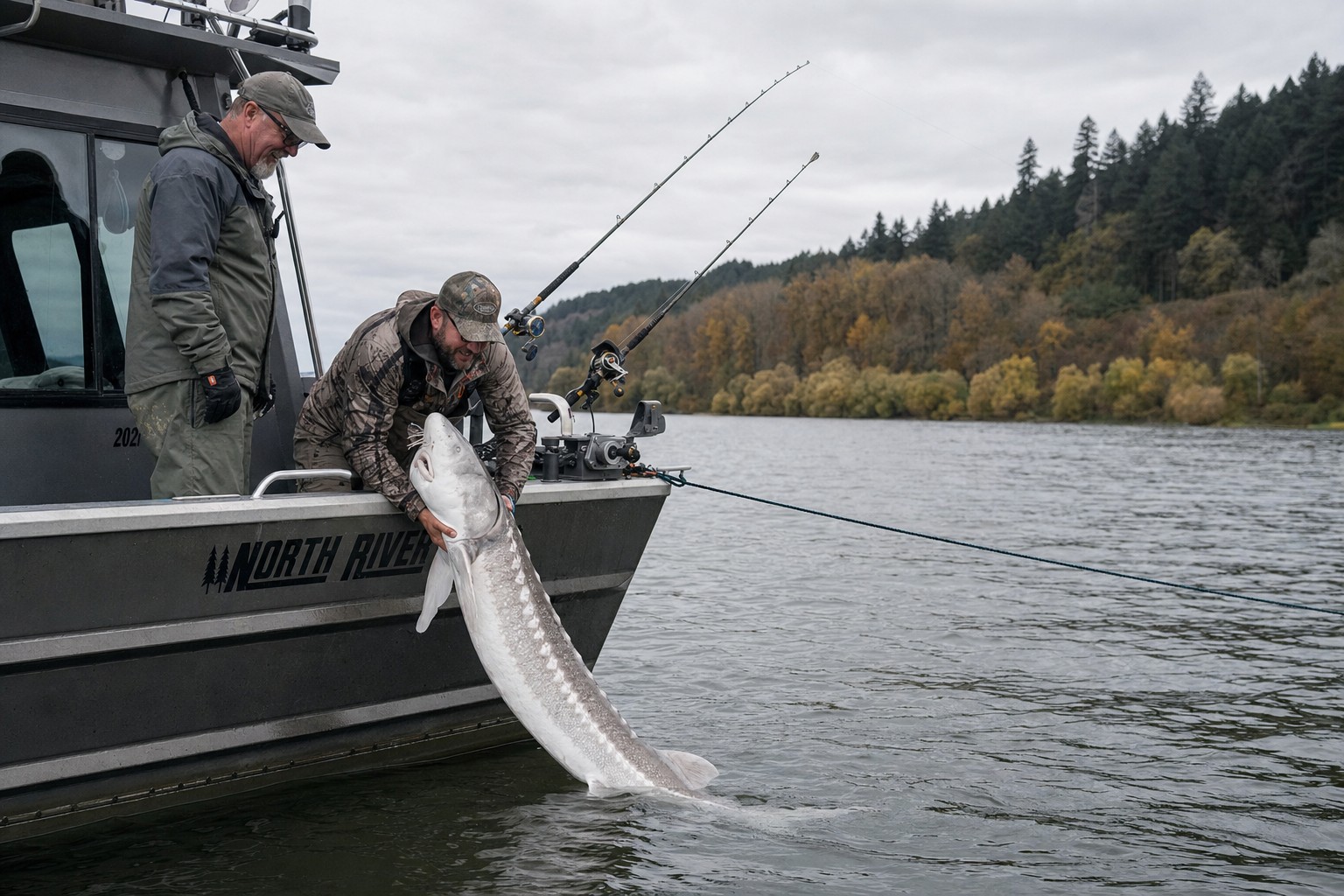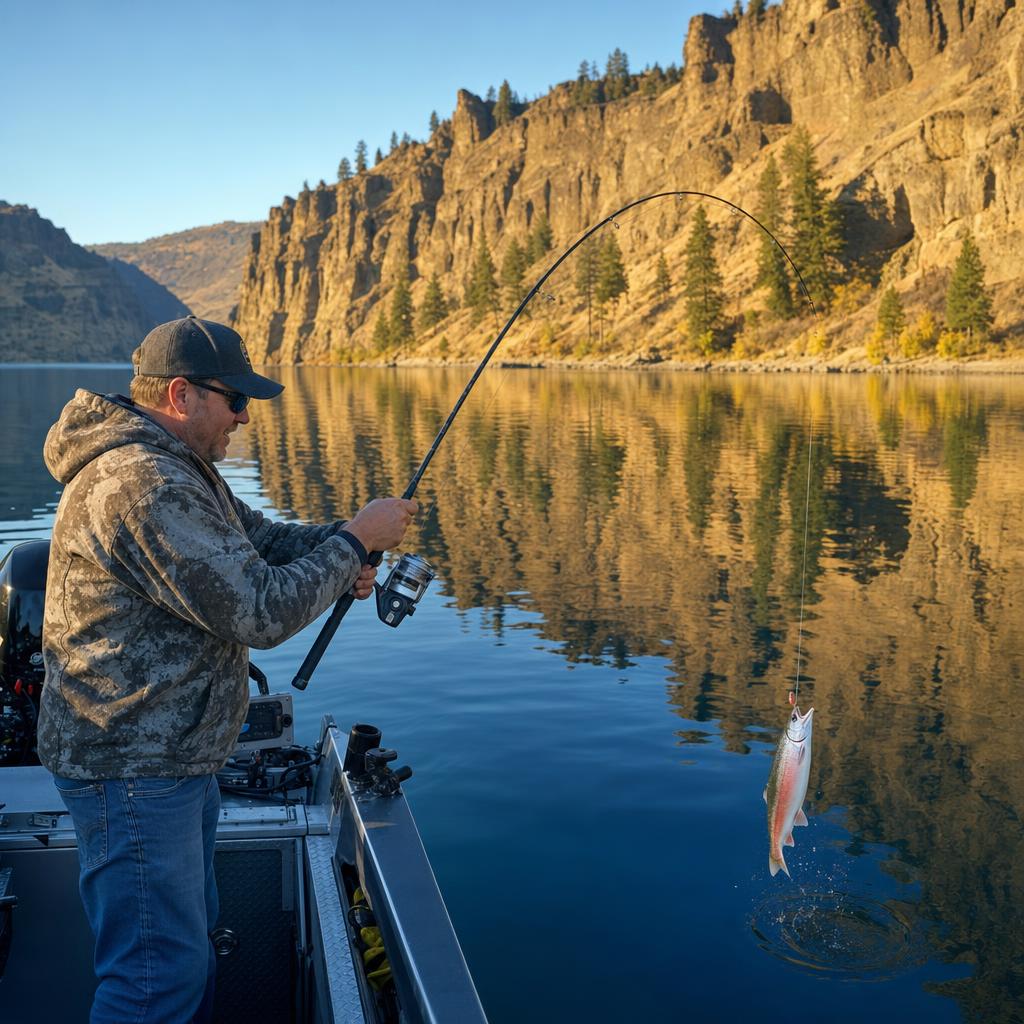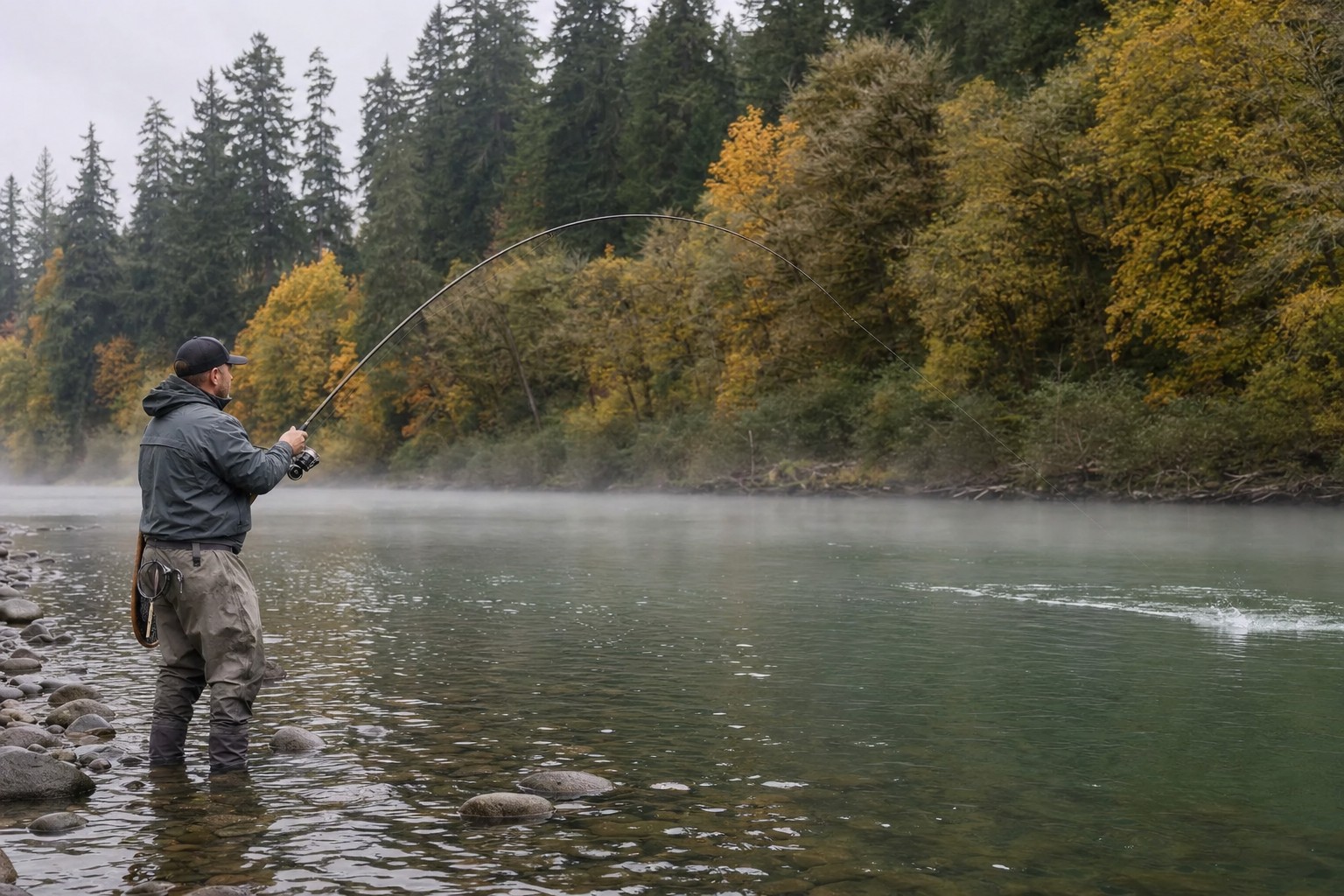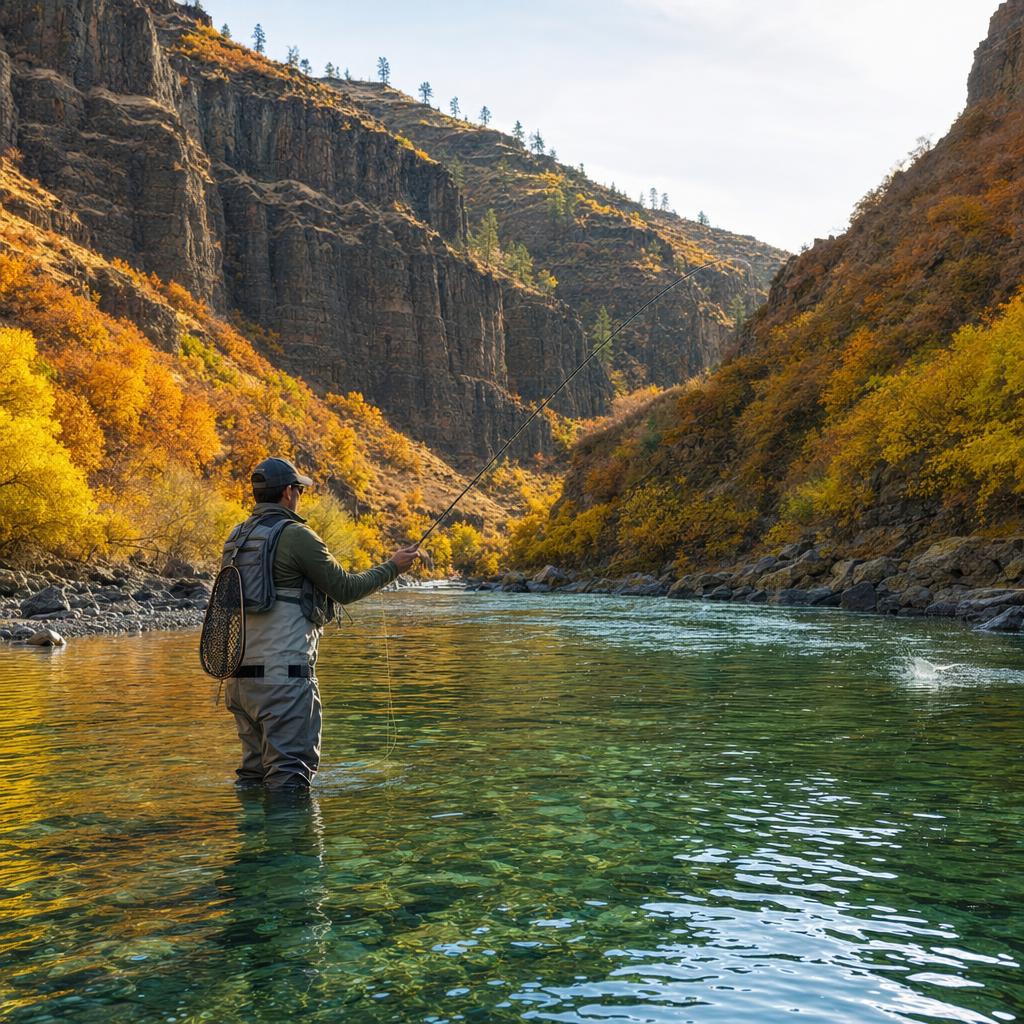
The Grande Ronde River drops out of the Blue Mountains of northeastern Oregon and cuts a winding path through one of the deepest canyon systems in the Pacific Northwest before joining the Snake River near Heller Bar, Washington. Every fall, wild B-run steelhead push up through that canyon in numbers that rival any river in the Pacific Northwest — and most anglers driving the highway above have no idea what's happening down below.
From mid-September through November, the Grande Ronde is one of Oregon's best-kept steelhead secrets. The canyon is remote, the access requires effort, and the fish are wild. That combination makes it one of the most rewarding steelhead experiences in the region for anglers willing to put in the work.
Understanding the Grande Ronde Steelhead Run
Grande Ronde steelhead are B-run fish — larger, later-returning adults that spend two or more years in the ocean before coming back to freshwater. These fish average 10 to 15 pounds, with trophy fish pushing past 20. They enter the Snake River system from the Columbia in late August and begin appearing in the Grande Ronde canyon in force by mid-September.
The run peaks in October, when water temperatures drop into the ideal 48–55°F range and flows stabilize after summer low water. By November, fish are still moving through but becoming increasingly concentrated in deeper holes and slower tailouts as cold weather sets in.
Expect to encounter both hatchery and wild fish. Oregon regulations require wild steelhead to be released unharmed on the Grande Ronde. Check current ODFW regulations for retention rules on hatchery fish before you go — rules can vary by section and season.
Access Points and Float Sections
The most popular and productive access to the Grande Ronde canyon is via Troy, Oregon, a tiny community at the end of Highway 3 in Wallowa County. The Troy boat launch is the primary put-in for drift boats and rafts, with the takeout typically at Heller Bar on the Snake River — a float of roughly 45 miles that takes two to four days depending on how much time you spend fishing.
For wade fishermen, the road above Troy provides several spots where the canyon opens up enough to get to the water. The stretch near the Wildcat Creek confluence and around the Mud Creek area produces fish regularly. Wade access requires scrambling down steep canyon walls in places, so wear good wading boots and bring a staff.
Day-trip floaters can put in at Troy and take out at the Washington border (roughly 15 miles) to fish the upper canyon, which receives less pressure than the lower sections near the Snake confluence.
Drift Fishing Techniques
Drift fishing with cured roe is the meat-and-potatoes method on the Grande Ronde. In September and October when flows are moderate and visibility is good, standard two-egg clusters on a size 2 or 4 Gamakatsu hook with a 12–18 inch leader off a pencil lead or slinky drift system will get bites. The key is reading the water — Grande Ronde steelhead love the transition zones between fast riffle water and deeper runs, particularly where the current deflects off basalt boulders and creates a seam.
Work your drift methodically through these seams, keeping your weight bouncing along the bottom. In deeper slots (6–10 feet), slow your drift down and let the roe settle. Strikes often come as a subtle heaviness or hesitation — set the hook immediately.
Other Productive Methods
- Swinging flies: The Grande Ronde is a premier swinging river. Spey rods in the 12–13 foot range with sink-tip lines allow you to cover water efficiently. Intruder-style patterns, marabou leeches in purple and black, and smaller October Caddis-inspired wets all produce. Work inside seams and the soft water downstream of large boulders.
- Spinners: Blue Fox Vibrax and Worden's Rooster Tail in silver, orange, and chartreuse work well in the faster riffles. Size 4 and 5 for the main current, smaller in shallower pockets.
- Plugs: Float boaters can back-bounce Hot Shots and Kwikfish (K14, K15) through deep runs and under canyon walls where fish stack. Wrap the lure belly with cured roe for extra scent attraction.
Gear and Rigging for Canyon Steelhead
An 8.5–9.5 foot medium-heavy rod rated for 15–20 lb line is standard for drift fishing the Grande Ronde. Spool your reel with 15 lb monofilament mainline and a 10–12 lb fluorocarbon leader. Monofilament has enough stretch to absorb the explosive runs of B-run fish, and fluorocarbon leader gives you stealth in the clear low-water conditions common in fall.
Bring a net — a long-handled rubber-mesh net makes releasing wild fish quickly and cleanly much easier in the rocky canyon waters. A wading belt is essential, and so is a good pair of felt or rubber-soled wading boots with ankle support for the loose basalt rock that lines the river bottom.
Planning Your Trip: Logistics and Timing
Troy is five hours from Portland via Highway 84 and Highway 3. The drive up Highway 3 from Enterprise is spectacular — open ponderosa pine forest transitioning to canyon grasslands as you drop into the Ronde drainage. There's a small campground at Troy (primitive, first-come), and several guide services operate out of Enterprise and La Grande offer drift boat trips.
The sweet spot for Grande Ronde steelhead is the second and third weeks of October. Water temperatures are right, the canyon's cottonwoods are gold against the basalt walls, and the fish are fresh and aggressive. If you can only make one fall steelhead trip, this is a strong candidate for where to spend it.
Quick Reference
- Best access: Troy, Oregon (Wallowa County) — Hwy 3 south from Enterprise
- Peak timing: Mid-September through mid-November; peak October
- Target water: Seams, tailouts, boulder pockets, canyon bends
- Top methods: Cured roe drift, swinging flies, spinners, plugs
- License required: Oregon fishing license + Combined Angling Tag (CAT)
- Wild fish: Must be released — check current ODFW regulations for hatchery retention