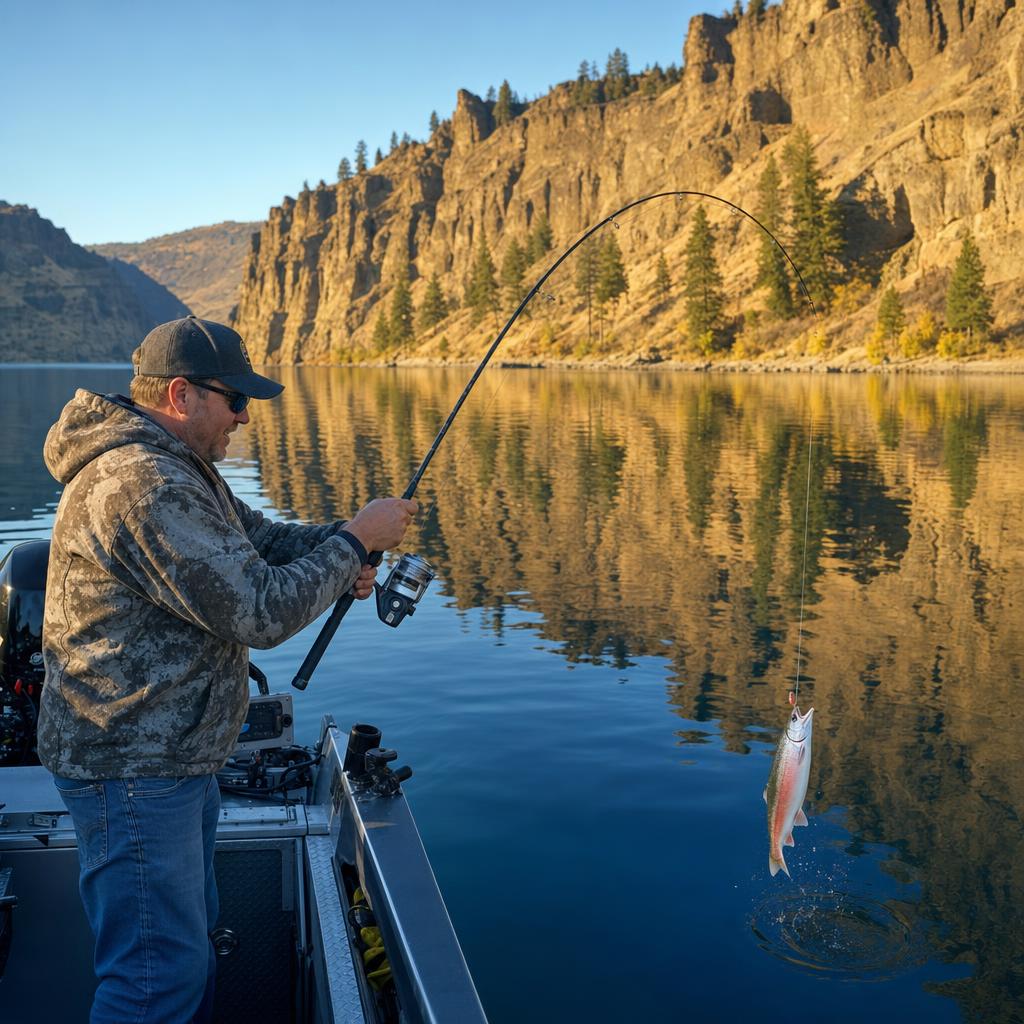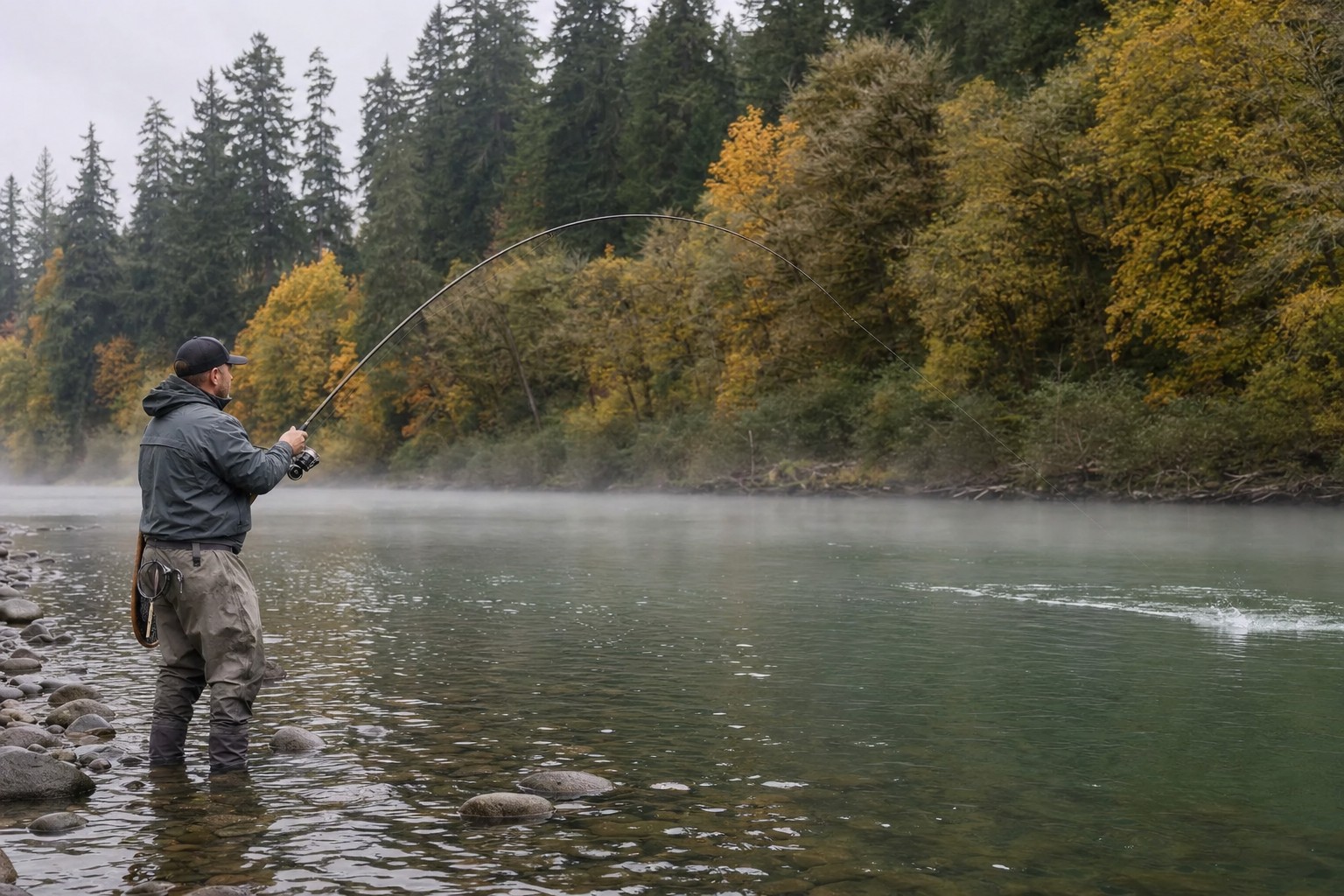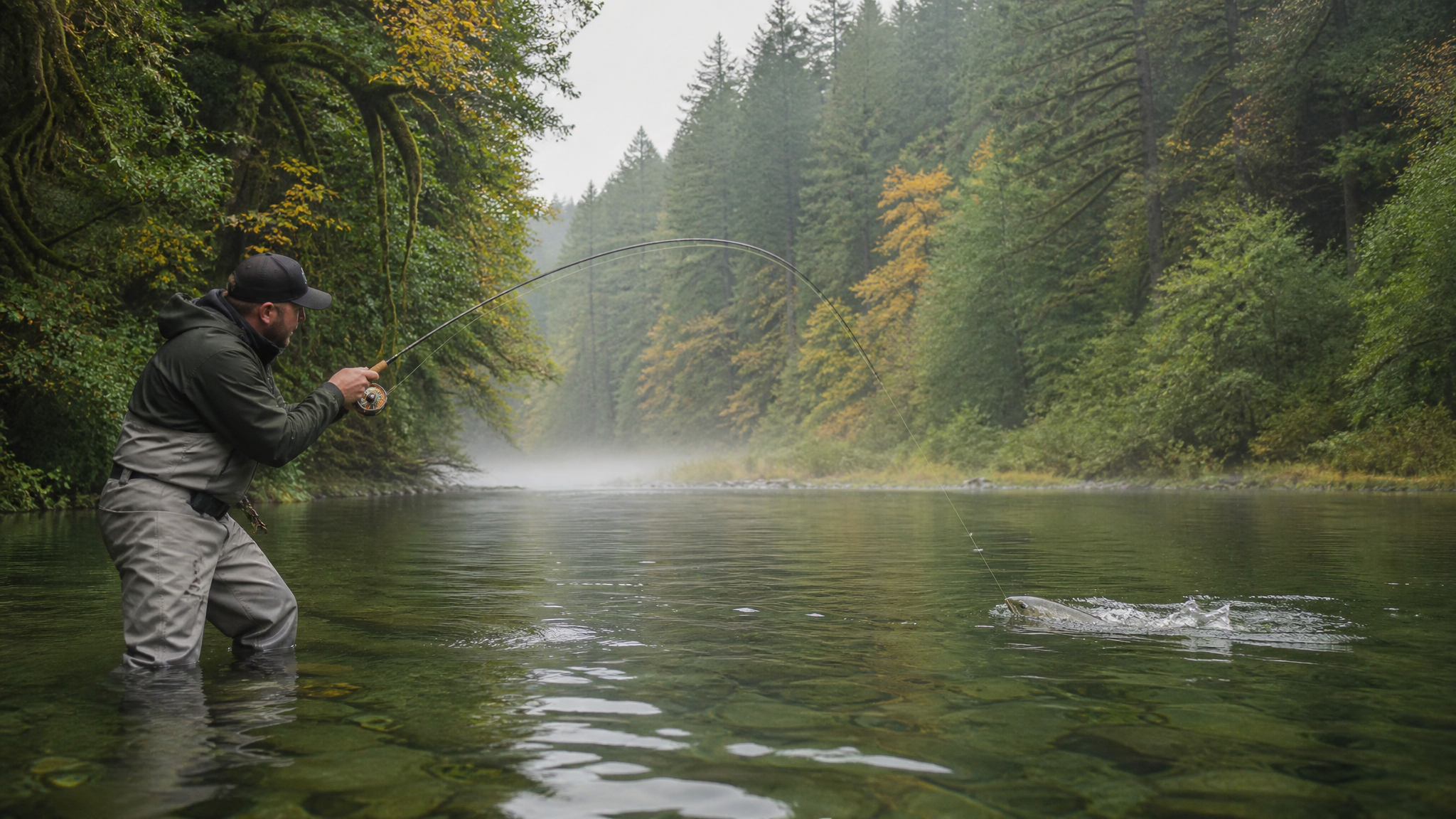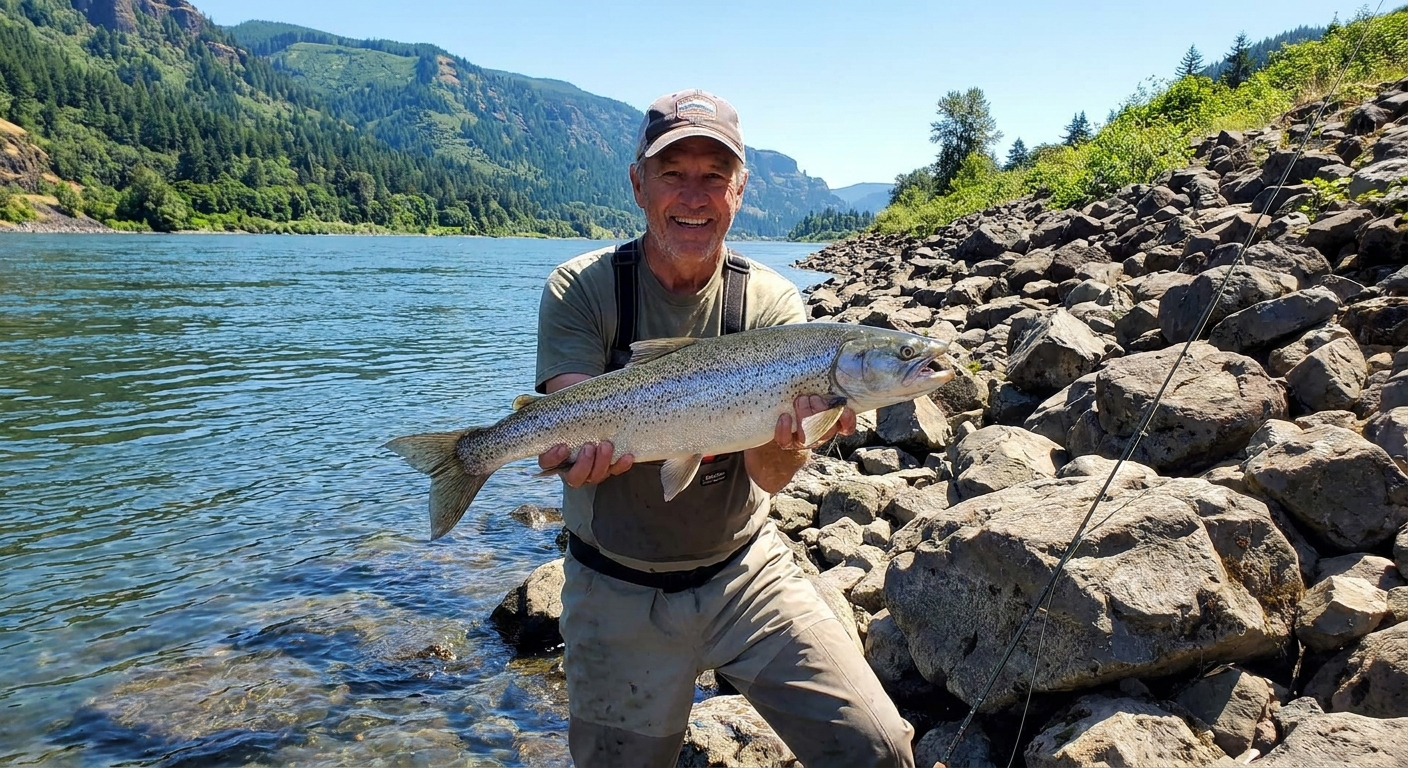
Most anglers spend their summers chasing salmon, steelhead, and trout. But there's a fishery hiding in plain sight on the Columbia and Snake Rivers that will put real money in your pocket — and every fish you keep actually helps the runs you care about. The Northern Pike Minnow Sport Reward Program has been running since 1990, and it remains one of the best-kept secrets in Pacific Northwest fishing.
What Is the Northern Pike Minnow Program?
Northern Pike Minnows (Ptychocheilus oregonensis) are large native cyprinids that have thrived in the Columbia River system for millennia. The problem is that the series of hydroelectric dams built in the mid-20th century created slow, warm reservoir habitat that dramatically favored pike minnow over juvenile salmon. Studies have shown that a single large pike minnow can consume thousands of juvenile salmon smolts during a single spring migration season.
The Bonneville Power Administration funds the reward program as part of its fish and wildlife mitigation obligations. The goal is simple: reduce pike minnow populations by 10–20% annually to measurably improve smolt survival rates. Researchers estimate that every 100,000 pike minnows removed from the system saves approximately one million juvenile salmon.
How the Reward System Works
Registered anglers receive cash rewards based on how many fish they bring in at weigh stations throughout the season:
- Fish 1–100: $5 per fish
- Fish 101–400: $6 per fish
- Fish 401+: $8 per fish
- Tagged fish: $500 bonus reward per tagged fish
Only fish measuring 9 inches or longer qualify for reward payment. You must register with the program before fishing, and fish must be presented at a weigh station — not simply photographed and released. Registration is free and takes about five minutes online at the BPA website.
Where to Fish: Best Columbia River Access Points
Pike minnow are distributed throughout the Columbia River from Bonneville Dam upstream through the reservoir sections. The highest concentrations typically occur in the tailwaters immediately below each dam, where fish aggregate to feed on disoriented smolts passing through turbines.
Bonneville Dam Tailwater
The stretch from Bonneville Dam downstream toward the Bridge of the Gods is among the most productive reach on the entire system. Bank anglers work the rip-rap and rocky points using small jigs, spinners, and cut bait. The fish hold in eddies along the Washington bank and in the slack water behind any structure that breaks the main current.
John Day Dam Pool
This section through the Columbia River Gorge holds excellent numbers of fish in the 10–14 inch range. Access from the Oregon side is excellent via Highway 30 and several boat launches managed by the Corps of Engineers. Kayak anglers do particularly well here, covering water and casting into shoreline structure that bank anglers can't reach.
McNary Dam Area (Umatilla, Oregon)
The McNary tailwater near Umatilla is a consistent producer and has the advantage of weigh stations on both the Oregon and Washington sides. Float fishing from a drift boat or pontoon allows anglers to cover multiple miles of productive water in a single day. The confluence with the Umatilla River creates a natural feeding zone that concentrates fish.
Hells Canyon and the Lower Snake River
The lower Snake River entering from the east contributes significantly to the overall pike minnow population. The stretch from the Snake's mouth upstream past Ice Harbor Dam holds fish year-round but peaks in summer as water temperatures rise.
Tackle and Technique
Pike minnow are not particularly selective, but a few setups produce consistently better than others:
- Light to medium spinning gear: 7-foot rod, 2500-series reel, 8–12 lb monofilament or fluorocarbon
- Small jigs (1/8–1/4 oz): White, chartreuse, or pink soft-plastic paddle tails produce well in the turbid water near dams
- Rooster Tails and Mepps spinners: Size 2–3 in silver or gold; retrieved steadily through eddies
- Cut shad or sucker meat: Drift-fished on a light Carolina rig through deeper holes, particularly effective in cold water
- Small crankbaits: Any crawdad or minnow pattern in the 2–3 inch range worked along rocky banks
The most consistent anglers set themselves up to fish high-volume water — covering lots of water quickly and using techniques that allow rapid retrieval and recasting. Jig fishing from a boat, sweeping eddies in a methodical grid pattern, is the approach top earners use to maximize their catch rates.
Weigh Stations and Getting Paid
Weigh stations are typically open seven days a week from approximately May 1 through October 31. Locations include marinas and fish hatcheries along the Columbia from Bonneville Dam upstream to the Idaho border, and on the lower Snake River below Hells Canyon. Check the current BPA website for exact station locations and operating hours each season, as these occasionally change.
You'll need your registration number and a valid fishing license. Fish are counted and measured at the station, and payment is made by check mailed at the end of each month. Top anglers who fish the program seriously throughout the summer can earn several thousand dollars in a single season.
A Win for Salmon, a Win for Anglers
The beauty of this program is that it aligns angler incentives directly with conservation outcomes. Data collected since 1990 shows meaningful improvements in smolt survival rates in years with high pike minnow harvest. Participating anglers aren't just fishing — they're actively contributing to the recovery of Columbia River salmon and steelhead populations.
If you've never tried it, mid-July through September is prime time. Water temperatures are up, fish are active and feeding aggressively, and the summer crowds at most trophy fisheries have thinned out. Load up a spinning rod, register for the program, and make a day of it on the Columbia. You might be surprised how much fun — and how much cash — this overlooked fishery can produce.