There's a reason top-tier long-range and PRS shooters spend serious time behind .22 LR rifles: rimfire benchrest strips away the forgiveness of a fast centerfire and forces you to master the fundamentals of trigger control, natural point of aim, and reading conditions. Done at 50 and 100 yards, it's a discipline that sharpens skills applicable across every shooting sport. And in Oregon, with accessible ranges around the state and quality equipment available at reasonable prices, there has never been a better time to get into rimfire benchrest.
What Is Rimfire Benchrest?
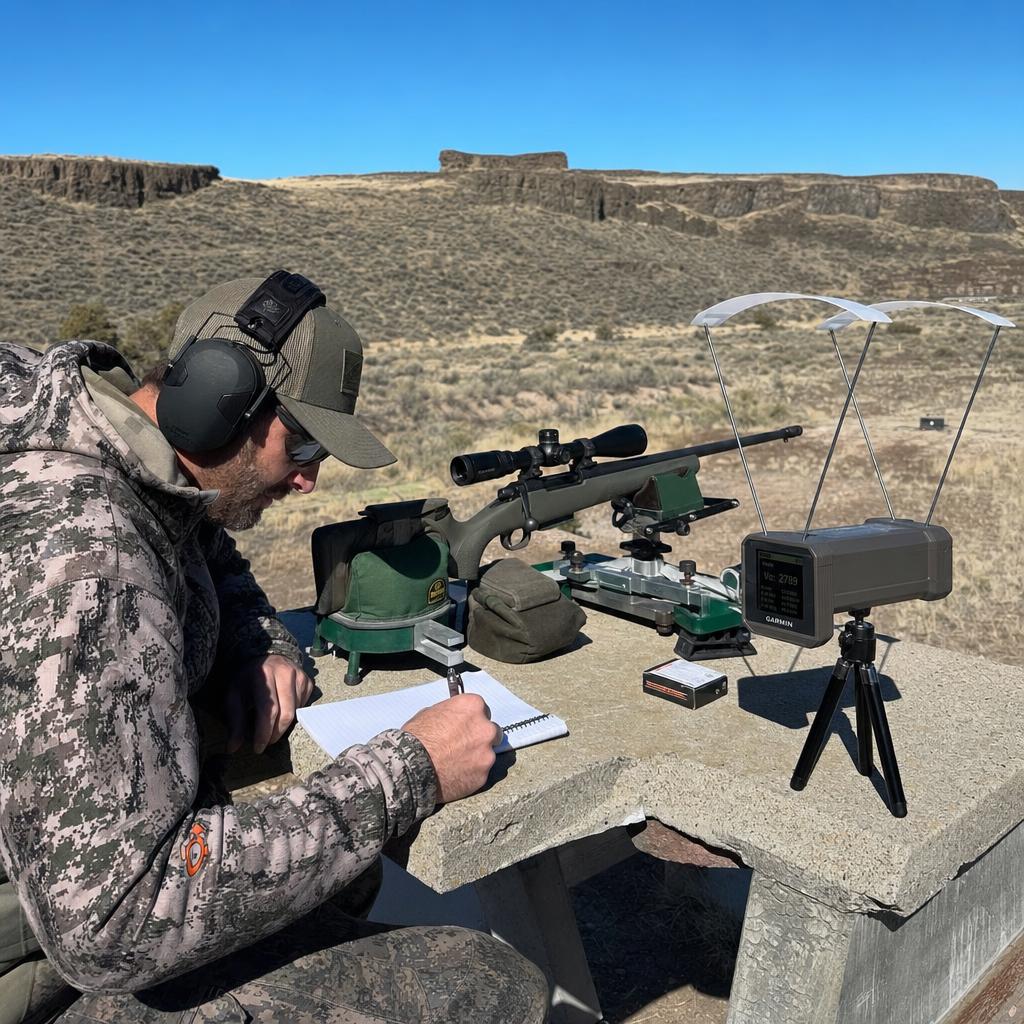
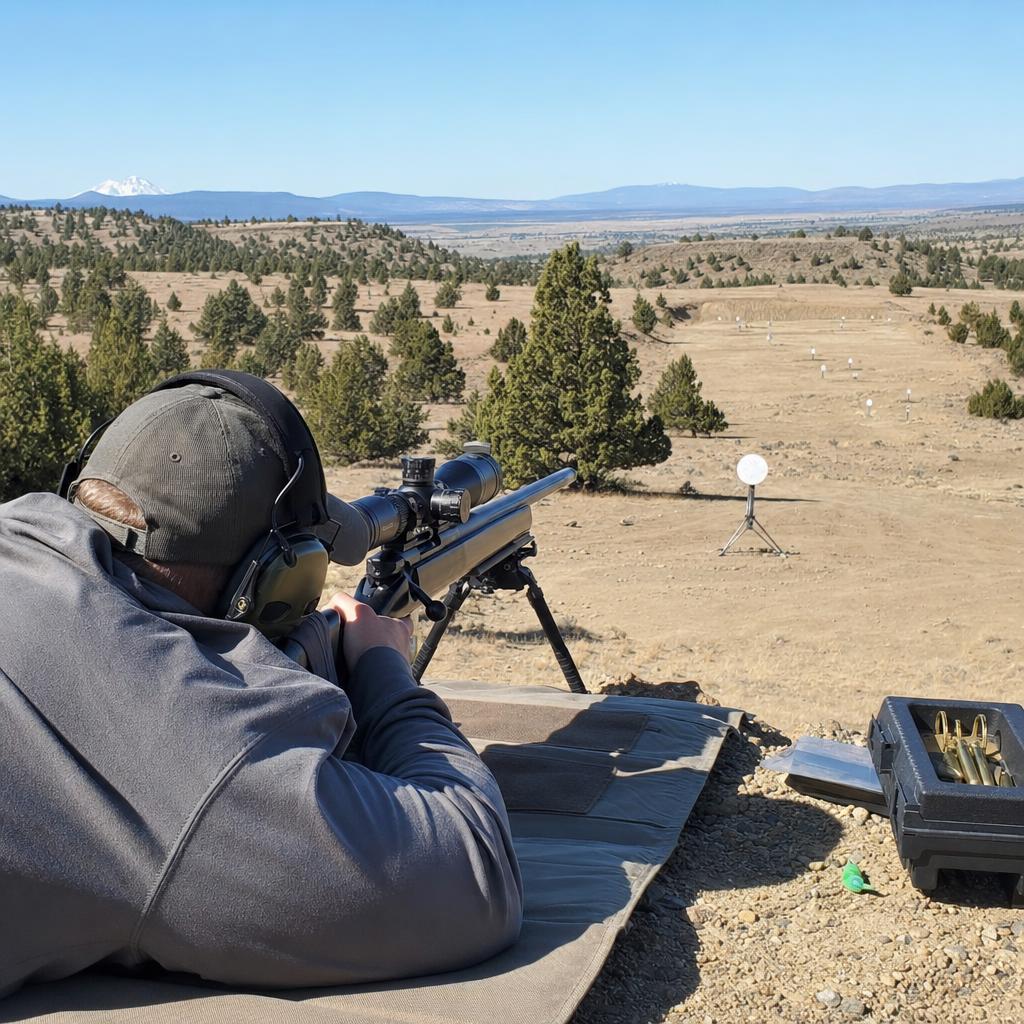
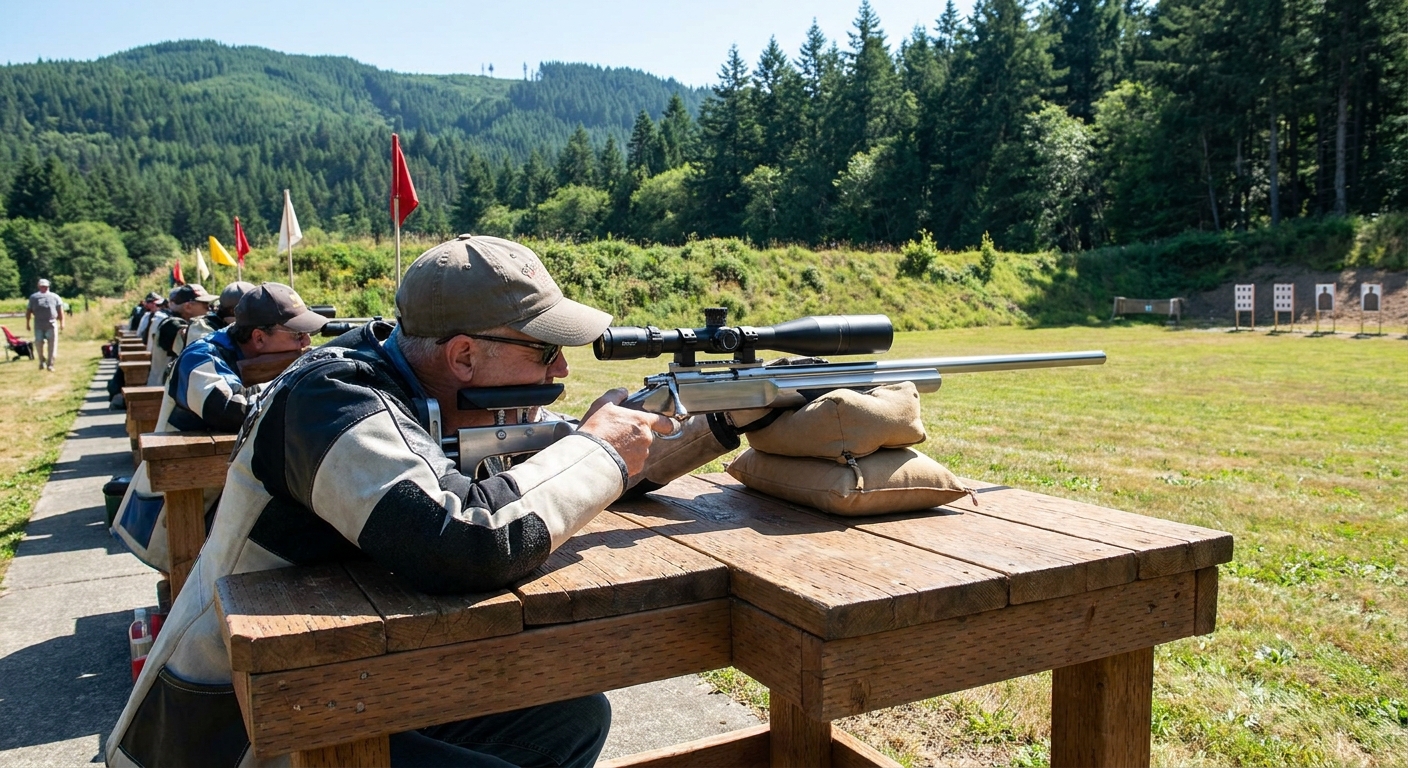
Rimfire benchrest is a formal shooting discipline where competitors fire groups or score targets from a supported position — typically using front and rear sandbag rests — at paper targets at 50 yards (short-range) or 100 yards (long-range). The goal is to fire the smallest possible group or highest possible score. Informal rimfire benchrest simply means pursuing maximum .22 LR accuracy from a rest, without formal competition. Both approaches are valuable.
Organized rimfire benchrest is governed by organizations like the Benchrest Shooting Club (NBRSA) and the American Rimfire Association (ARA). ARA-style rimfire benchrest has a strong following in the Pacific Northwest, with registered matches held at clubs in the Willamette Valley, southern Oregon, and the greater Seattle area. Oregon shooters looking for informal practice can work at any facility with a 50 or 100-yard range and a solid bench.
Equipment: Rifle
The rifle matters more in rimfire benchrest than in almost any other discipline because you're trying to print 10-shot groups under half an inch at 50 yards or under an inch at 100. The entry points:
- Ruger 10/22 with accuracy upgrades: The platform is endlessly customizable. A quality barrel (Volquartsen, Green Mountain, or Kidd), a Kidd or Timney trigger, and a bedded chassis will produce legitimate sub-0.5" 10-shot groups at 50 yards with the right ammo. Total cost: $600–1,000 assembled.
- Ruger Precision Rimfire: An excellent out-of-the-box option in chassis format. Accurate, adjustable, and takes standard Ruger 10/22 magazines. Shoots in the 0.3"–0.5" range at 50 yards with premium ammo.
- Dedicated benchrest rifles: Anschutz 1710, CZ 457, Savage B22 Precision — purpose-built accuracy rifles that come ready to compete. The Anschutz is the benchmark of the discipline and used by most serious ARA competitors.
For a first build, the upgraded Ruger 10/22 route gives you the most hands-on learning experience and doesn't penalize you much at 50 yards against more exotic platforms.
Equipment: Optics and Rests
Magnification matters. At 100 yards, even a .22 bullet hole is small — you need at least 16x and preferably 24–36x to call your shots and see exactly where each round impacts. Vortex Viper PST Gen II 5-25x50, Athlon Cronus 4.5-29x56, or a dedicated rimfire scope like the Leupold FX-3 12x40 are popular choices. Fine crosshairs (like the Vortex EBR-4 at high power) outperform heavy hunting reticles in this application.
Front rest: a Caldwell Lead Sled, Sinclair benchrest front rest, or a quality Protektor bag rest. Rear bag: a Protektor or Lead Sled rear bag. The goal is to eliminate all human wobble from the equation — let the rifle tell you what the ammo and barrel are capable of.
Ammunition: The Critical Variable
This is where rimfire benchrest gets humbling fast. Not all .22 LR ammo shoots the same, and the differences between lots are real. The gold standard for precision rimfire work:
- Eley Tenex: The match-grade standard. Expensive (~$35–45/50 rounds) but consistently exceptional. Used by Olympic smallbore competitors worldwide.
- Lapua Center-X and Midas+: Outstanding and slightly more accessible than Eley Tenex. Very consistent from lot to lot.
- CCI Standard Velocity: Subsonic (1,070 fps), and surprisingly accurate in many rifles for informal benchrest work at a fraction of premium ammo cost.
- Federal Gold Medal Target: Excellent mid-tier option. Shoots sub-MOA groups in quality rifles at 50 yards.
The key insight: your rifle will have a preferred ammo. What shoots best in one rifle may not perform in another. Serious benchrest shooters buy multiple lots of their preferred ammo and test each lot. When they find a match, they buy a brick and protect it.
Fundamentals at the Bench
Even with a rifle in a solid rest, technique errors show up in groups. The most common issues:
- Inconsistent cheekweld: Your eye must be centered in the scope the same way every shot. Even a few millimeters of parallax shift at 24x creates group-opening fliers.
- Trigger control: A 1–2 pound rimfire trigger is more sensitive than most shooters are used to. Practice dry fire to feel exactly when the trigger breaks before adding live fire.
- Natural point of aim: The rifle should point at the target naturally without muscle tension. Rotate your entire body position until the crosshair settles on the target when you’re fully relaxed — don't push or pull it there.
- Wind reading: At 100 yards, a 5-mph wind moves a .22 LR bullet nearly 2 inches. Mirage reading through the scope, watching nearby vegetation, and timing shots to lulls is as important as the mechanical setup.
Oregon Ranges for Rimfire Practice
Several Oregon ranges offer covered benchrest facilities ideal for this work. The Tri-County Gun Club in Sherwood, the Prineville Shooting Sports Park in Central Oregon, the Willamette Valley Shooting Association near Junction City, and the Chemult area informal BLM shooting areas all provide 50–100 yard lanes. Check current membership and fee requirements before visiting.
Rimfire benchrest won't win you any campfire bragging rights the way a big bull or a salmon will — but the discipline it builds absolutely will. A shooter who can fire consistent quarter-inch groups at 50 yards with a .22 LR is ready for anything the field throws at them.