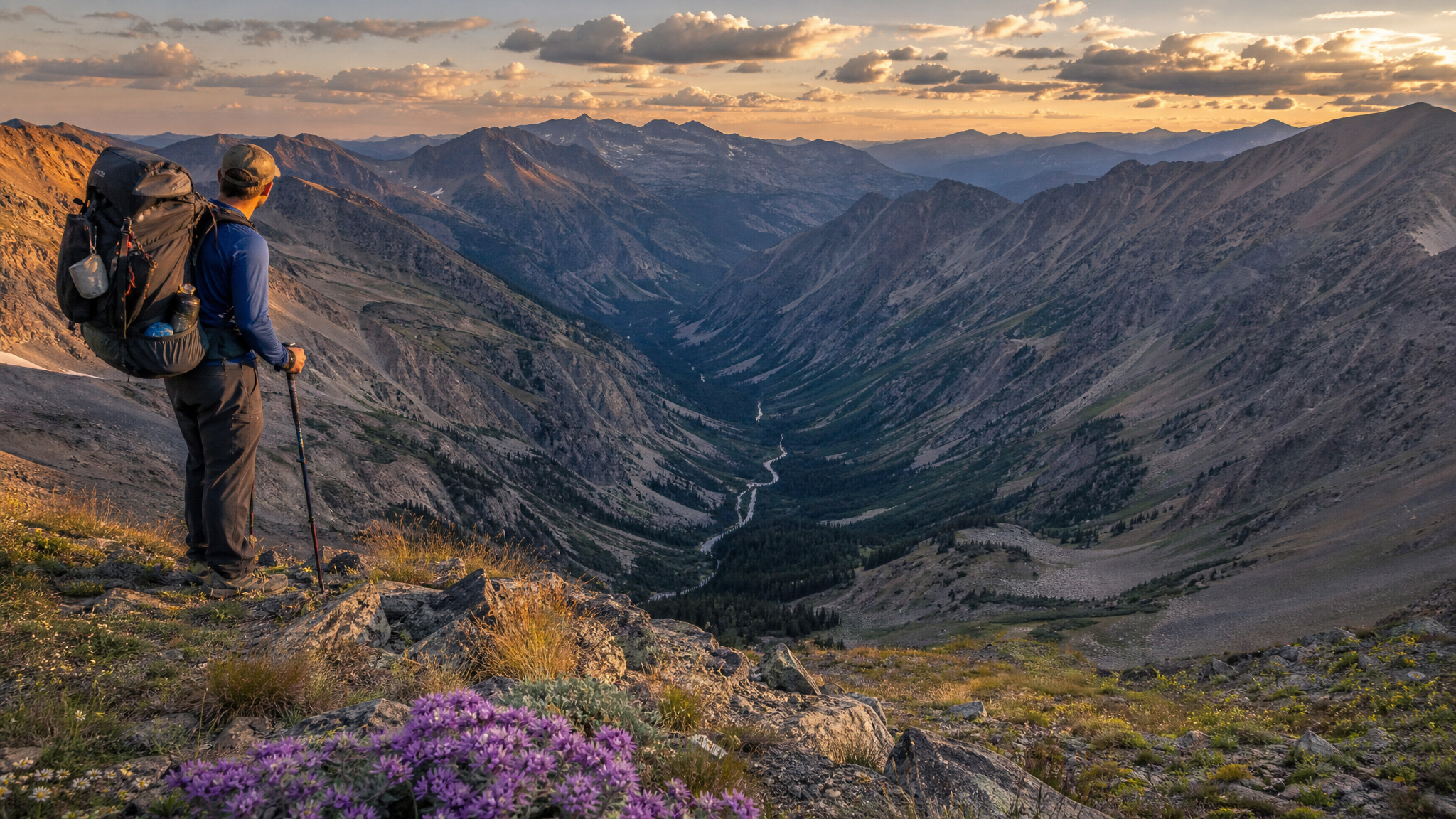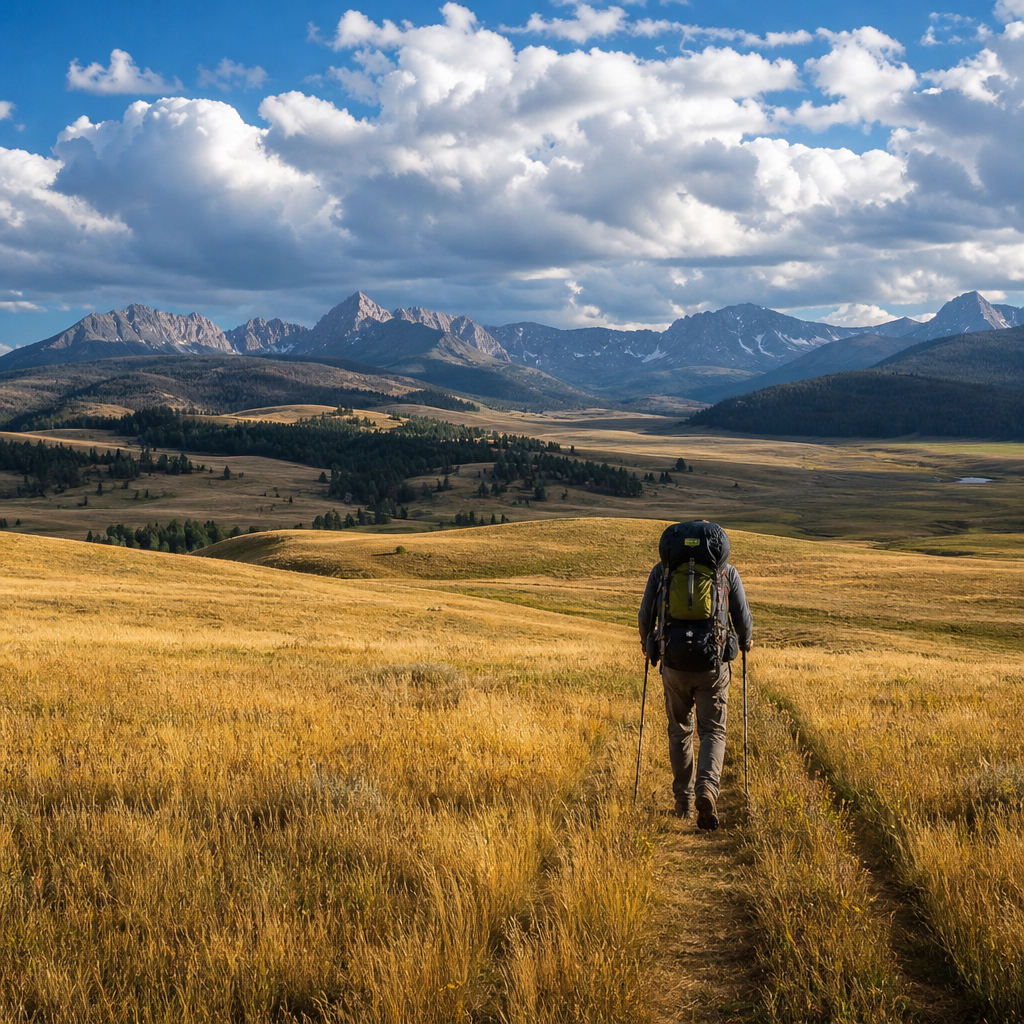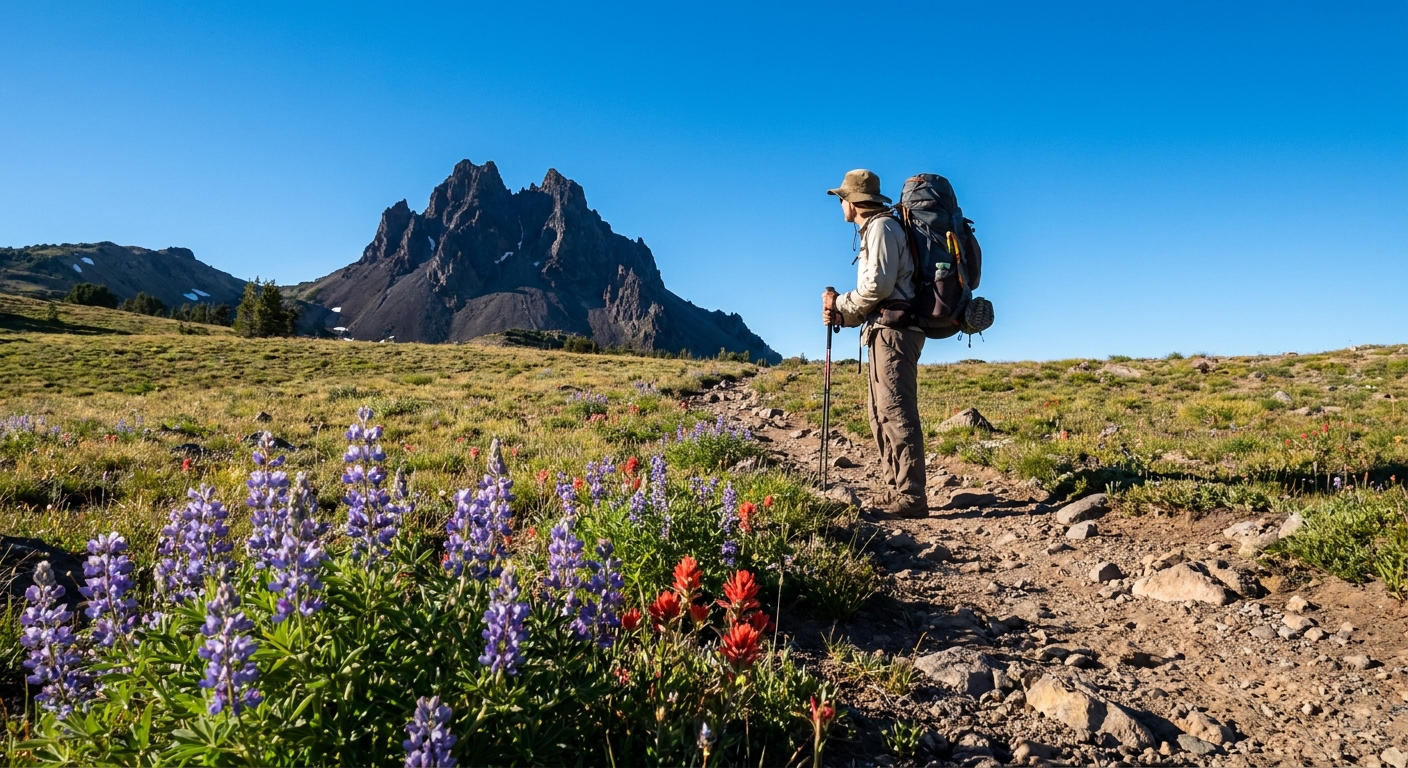
Among Oregon's volcanic giants — Hood, Jefferson, the Three Sisters, Broken Top — Three Fingered Jack stands out not for its height (7,844 feet) but for its sheer ferocity of form. Where the others retain at least some semblance of classic cones, Three Fingered Jack is ancient, eroded, and ragged — a castellated spine of volcanic spires rising from subalpine meadows like the ruins of something that once tried to be a proper mountain. For backpackers, the surrounding wilderness is one of Central Oregon's finest destinations: lakes, wildflowers, PCT mileage, and solitude that the more famous Three Sisters corridor often can't match.
The Route: Marion Lake to Santiam Lake Loop
The most accessible and rewarding weekend loop in the Three Fingered Jack Wilderness links Marion Lake, the PCT, and the Santiam Lake basin into a 14–18 mile circuit depending on side trips. This route is typically snow-free from late June through mid-October and offers the best views of the peak along with the area's best lake fishing.
Day 1: Marion Lake Trailhead to Camp near Santiam Lake — 7–9 miles
Begin at the Marion Lake Trailhead off Highway 22, approximately 15 miles east of Detroit on the way to Santiam Pass. The trail to Marion Lake (1.5 miles) is the most popular segment in the entire wilderness and sees heavy day-hiker traffic on weekends. Push through the lake and continue north past the lake's far shore on the Marion Creek Trail. The crowds thin immediately.
Continue north and west to intersect the Pacific Crest Trail near Jorn Lake. From here, turn north on the PCT and travel toward the Three Fingered Jack massif. As you're approaching from the south, the peak's profile emerges progressively — first as a distant silhouette above the tree line, then as an increasingly dramatic presence above the upper meadows.
Camp options in this stretch include the Marion Lake far-shore dispersed sites (good but crowded), the lightly used flats near Jorn Lake, or push further north toward Santiam Lake (6,037 ft) for smaller, quieter sites near excellent fishing. Water is abundant throughout. Campfires are prohibited within the wilderness except in designated rings — stoves only for cooking.
Day 2: Santiam Lake Area Exploration and Return — 7–9 miles
Morning at Santiam Lake offers the best photography of the trip: Three Fingered Jack rising to the northeast from behind a tree-lined shore with no other peaks competing for attention. From camp, day hikers or unloaded side trippers can continue north on the PCT toward the base of the peak itself — the views from the 6,800-foot saddle at the mountain's south end are extraordinary and achievable as a 3-mile round trip from Santiam Lake.
Return south on the PCT and branch east toward the Marion Lake corridor via the Marion Mountain Trail, completing the loop. The total Day 2 mileage depends on how far north you pushed and whether you do the saddle side trip — plan for 6–10 hours of hiking.
Fishing the Lakes
Marion Lake is one of the best producer lakes in the entire Oregon Cascades. It holds large brook trout — fish to 15 inches are not uncommon — and a smaller population of rainbows. Fly fishing in the evenings with dry flies produces excellent surface action. A float tube or ultralight inflatable dramatically opens up the lake from the shore-limited shoreline.
Santiam Lake holds brook trout as well. These high-elevation fish are not line-shy — a simple dry fly or small spinner fished near inlet areas will produce. Carry a lightweight 3- or 4-weight fly rod if you fish at all; the weight-to-reward ratio on an overnight trip like this is excellent.
Wildflowers and Wildlife
July is peak wildflower season throughout the Three Fingered Jack Wilderness. The subalpine meadows approaching Santiam Lake fill with penstemon, paintbrush, lupine, and aster in a display that rivals the more-photographed flower fields on South Sister's lower flanks. Marmots are abundant at treeline and on rocky slopes near the peak. Black bear sign is present throughout — store food in a bear canister or hang it properly and don't leave anything scented in your tent.
The PCT corridor here also sees black-tailed deer and occasional elk. Early mornings along the open meadow sections often produce wildlife sightings before the midday heat pushes animals into timber.
Logistics and Planning
- Trailhead: Marion Lake TH on Highway 22 east of Detroit. Marion Lake TH parking fills by 8 AM on summer weekends — arrive early or plan for a roadside start.
- Permits: A free self-issue wilderness permit is required. Pick one up at the trailhead.
- Northwest Forest Pass: Required for parking at the Marion Lake Trailhead.
- Bear canisters: Strongly recommended. Not currently required but food hang points near popular camps are limited.
- Water: Abundant — filter or treat all sources. Giardia is present throughout Cascade wilderness lakes and streams.
- Snow: The PCT above 6,000 feet can hold snow patches into late June. An ice axe is unnecessary but traction devices may be useful in early season.
- Leave No Trace: Camp at least 200 feet from lakeshores and streams. Marion Lake is heavily impacted — camp further away and use existing sites only.
Why Three Fingered Jack Over the Three Sisters?
The Three Sisters Wilderness is world-class, but it's also one of the most visited wilderness areas in Oregon. South Sister sees hundreds of people on summer weekends and the Green Lakes corridor can feel like a theme park in July. Three Fingered Jack offers the same volcanic drama, comparable wildflower displays, and better fishing — with a fraction of the foot traffic. On a weekend in mid-July, you're likely to share the Santiam Lake area with fewer than a dozen other parties. That kind of solitude is increasingly rare in the Oregon Cascades, and it's worth the slightly longer drive from Bend or Salem to find it.