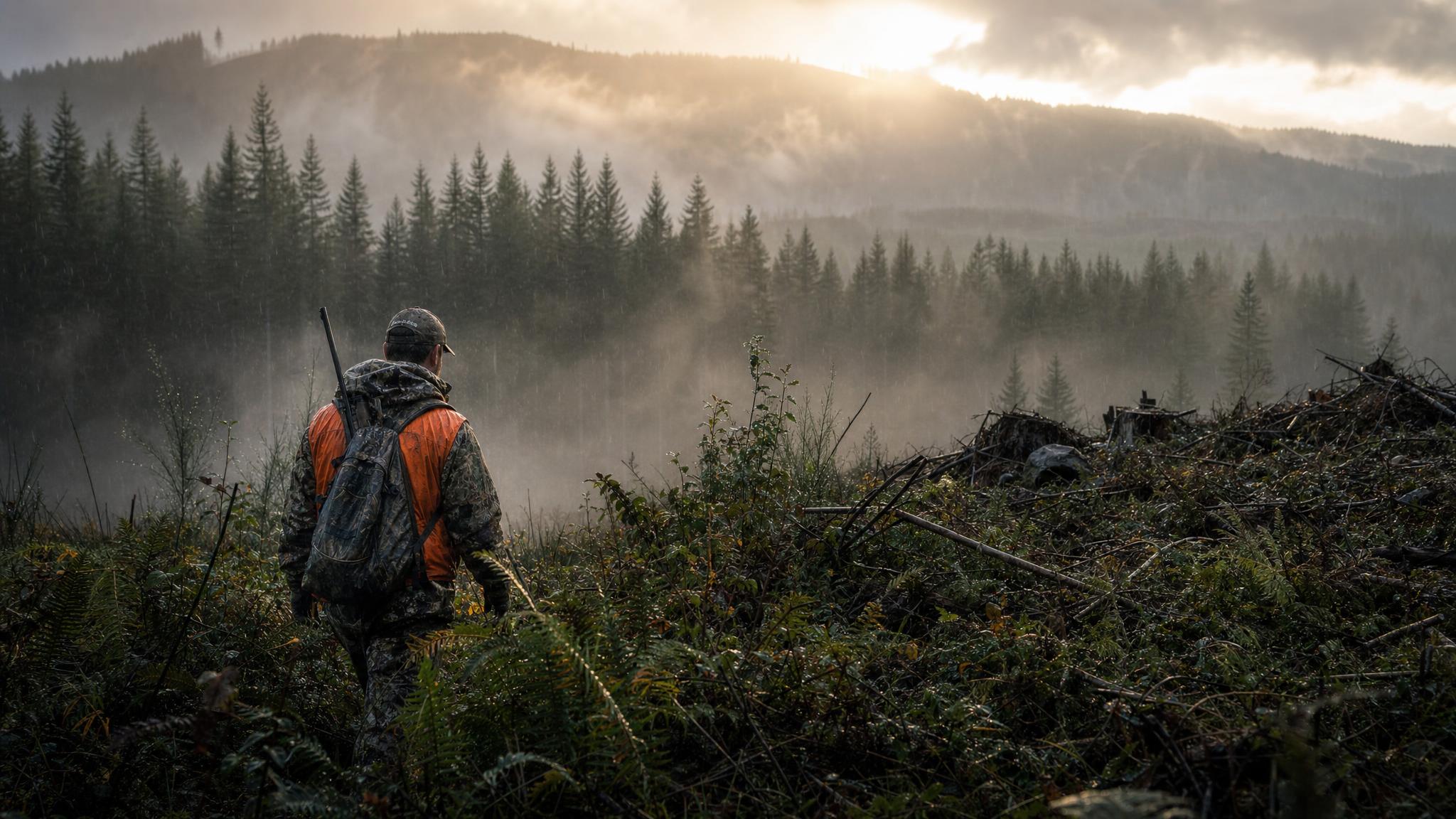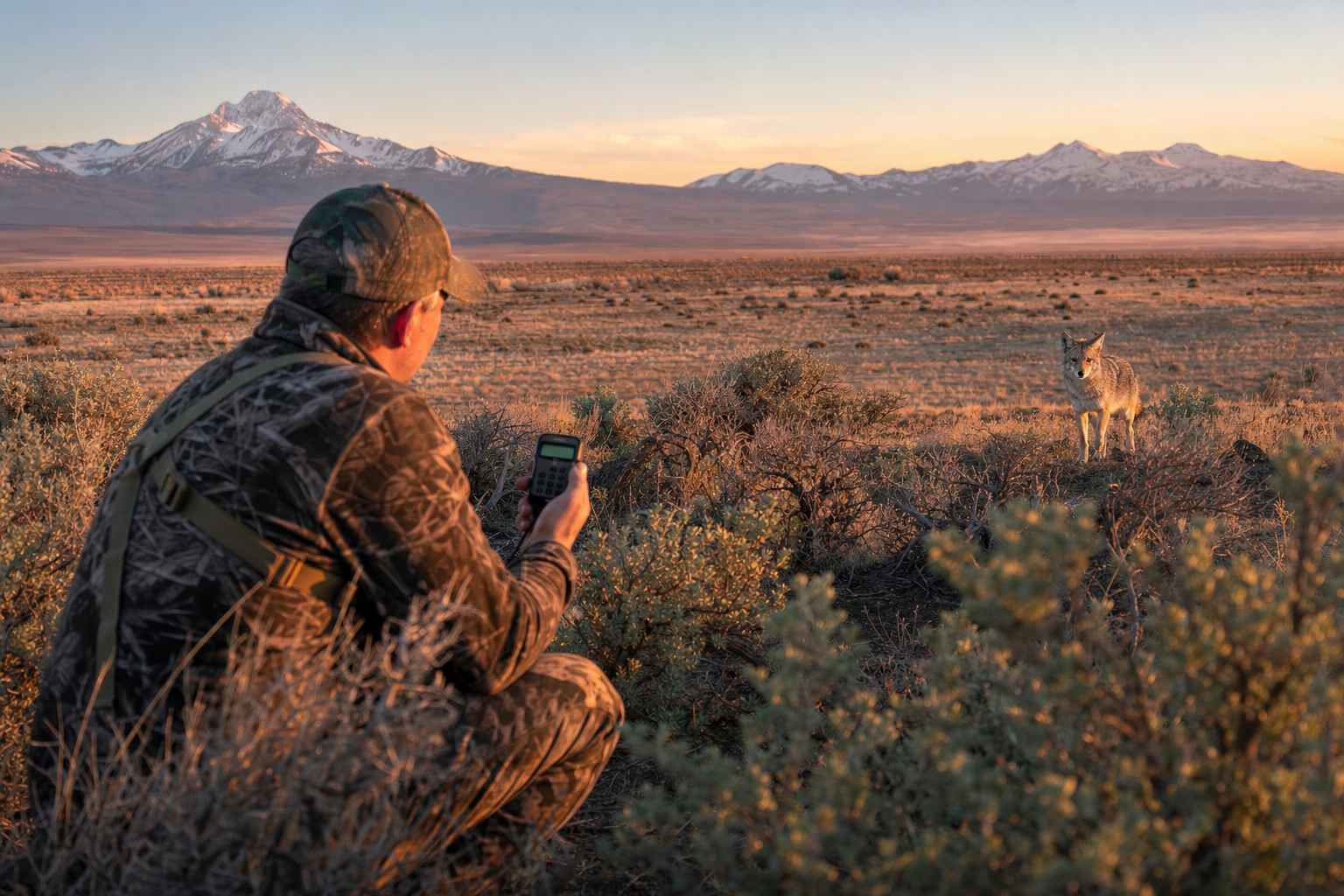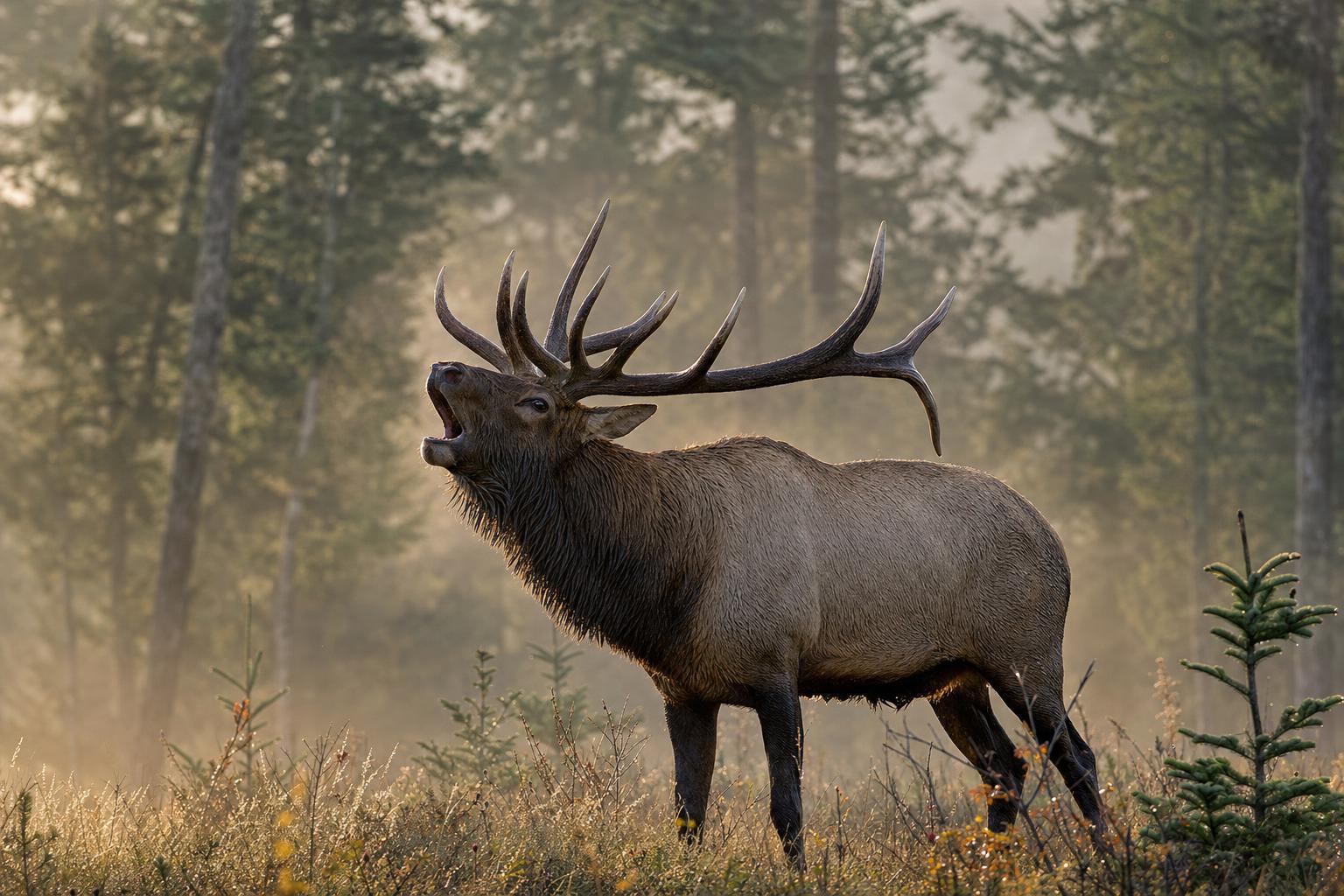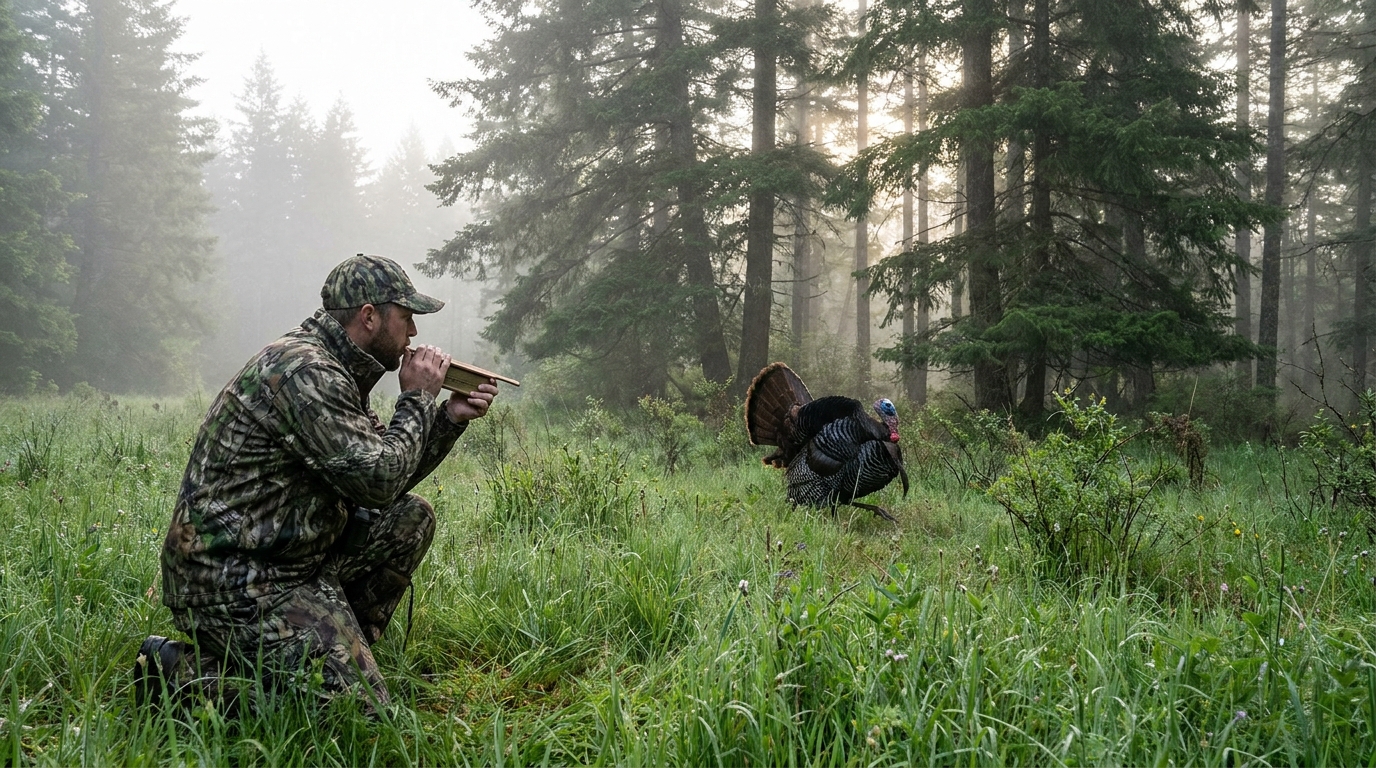
Oregon's spring turkey season runs through late May, and the Willamette Valley is one of the most productive — and most overlooked — places in the state to chase Rios. The birds are here in numbers. They roost in the big Douglas fir and oak stands along the valley edges, strut in the open pastures at first light, and give you a genuine shot at a longbeard if you play it right.
When and Where to Go
Oregon spring turkey season typically opens in mid-April and runs through the end of May. The Willamette Valley units — including the Coast Range foothills, the Chehalem Mountains, and the Eola-Amity Hills — hold solid populations of Rio Grande turkeys. Public land hunters should target the Tillamook and Siuslaw National Forests on the valley margins. Private land permission is worth chasing too; most landowners in the valley will grant access if you ask politely and offer to share the harvest.
Peak gobbling activity runs mid-April through early May. By mid-May the hens are nesting and gobblers get tougher — but they're still killable with the right approach.
Scouting Beats Everything
Find the roost trees and you've already done half the work. In the Willamette Valley, birds almost always roost in the big oaks and firs that border open pasture or ag fields. Get out two evenings before your hunt, park at a distance, and just listen. You'll hear them fly up within an hour of sunset. Note the exact tree line and where they're roosting in relation to the open ground — that strut zone is where you want to set up.
- Use OnX Hunt or BaseMap to find the transition zones between timber and ag land
- Look for scratchings, droppings, and feathers in open areas near timber edges
- Confirm roost trees by listening at dusk — you'll hear wingbeats and purring
The Setup: Get Close Before Legal Light
This is where most hunters blow it. You need to be within 150 yards of the roost tree and set up before the birds fly down. In the valley's flat terrain, sound travels far and turkeys are alert at first light. Wear full camo including gloves and a face mask, move slowly, and get your back against a tree wider than your shoulders.
Set a hen decoy — or a small flock of one hen and one jake — about 20 yards in front of you in the direction you expect the birds to approach. Keep your gun or bow pointed that direction and wait.
Calling: Less Is More in May
Early season (mid-April), aggressive calling works. Loud yelps, excited cuts, and some fighting purrs will fire up a fired-up gobbler. But by mid-May, when hens are nesting and toms have been called to hunters for weeks, pull it back. Soft tree calls before fly-down, a single cluck-and-purr sequence every 10–15 minutes on the ground. Patience is your best call.
Recommended calls for Willamette Valley Rios:
- Friction call (slate or glass): Diaphragms spook pressured birds — a quiet slate gives you more volume control
- Box call: Great for loud yelps to locate birds at distance, then put it away
- Diaphragm: Hands-free is critical for archery hunters — worth the learning curve
Shot Placement and Equipment
For shotgun hunters, a 12-gauge loaded with TSS (tungsten super shot) No. 9 or No. 7 has genuinely changed the game. You can kill birds cleanly at 50+ yards with a tight choke and TSS. Patterning your gun at 40 yards before the season is non-negotiable — know where your load's effective range ends.
For archery, a mechanical broadhead with at least 1.5-inch cut works well on turkeys. Practice from a seated position — that's how you'll be shooting in the field. Aim for the wing butt on a broadside bird.
Licensing and Regulations
Oregon requires a hunting license plus a turkey tag. Spring turkey tags are available over-the-counter at most sporting goods stores or online through ODFW. Check the current regulations at myodfw.com for unit-specific rules and season dates — they do change year to year. The Willamette Valley units have seen regulation adjustments in recent seasons as populations have shifted.
Final Notes
Spring turkey hunting in the valley is a grind some years and a slam-dunk others. The difference usually comes down to scouting. Do the legwork before opening day, set up tight to the roost, and let the birds come to you. Oregon's Rio Grande turkey is one of the most fun animals in the state to pursue — and the season is on right now.