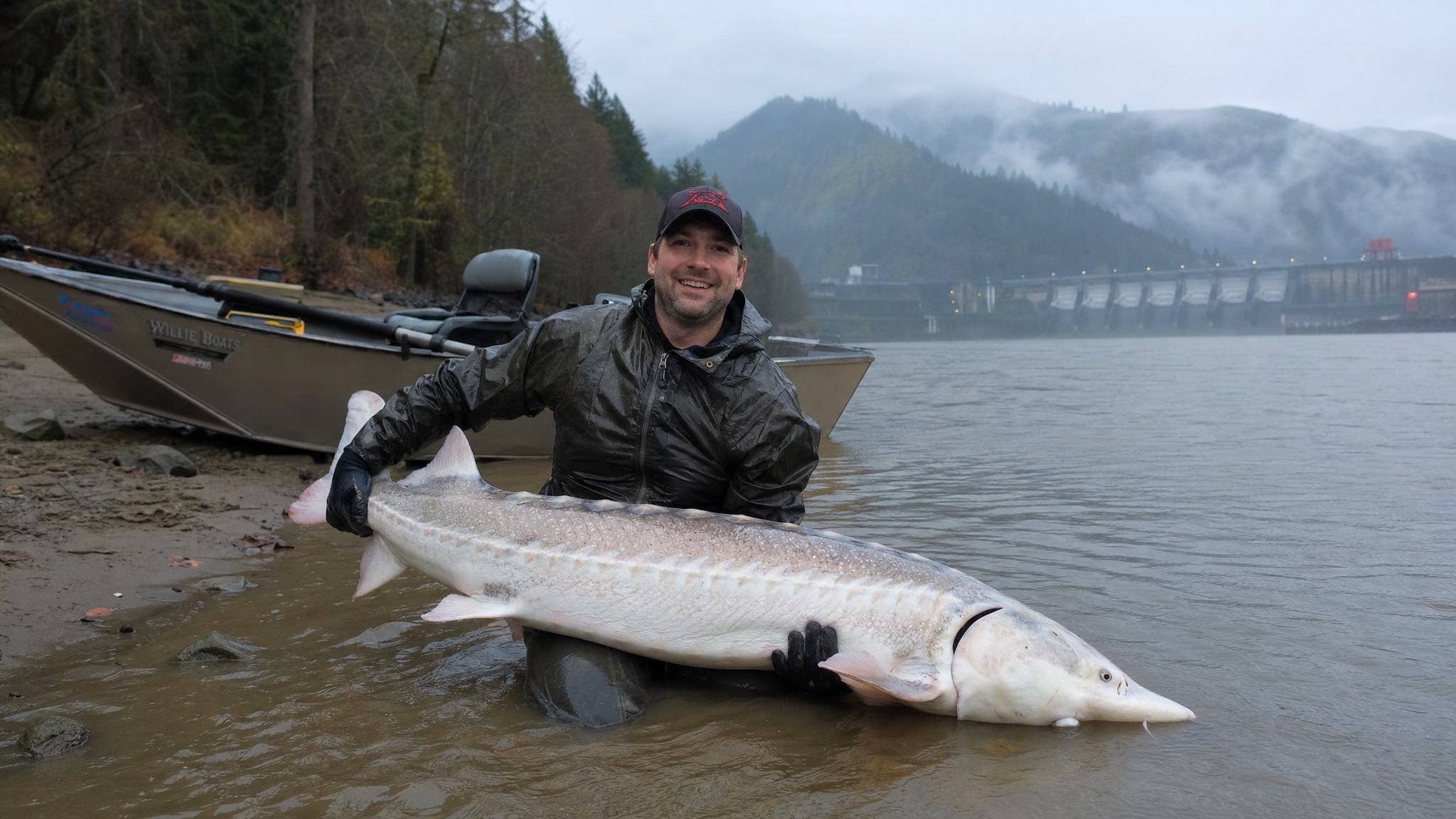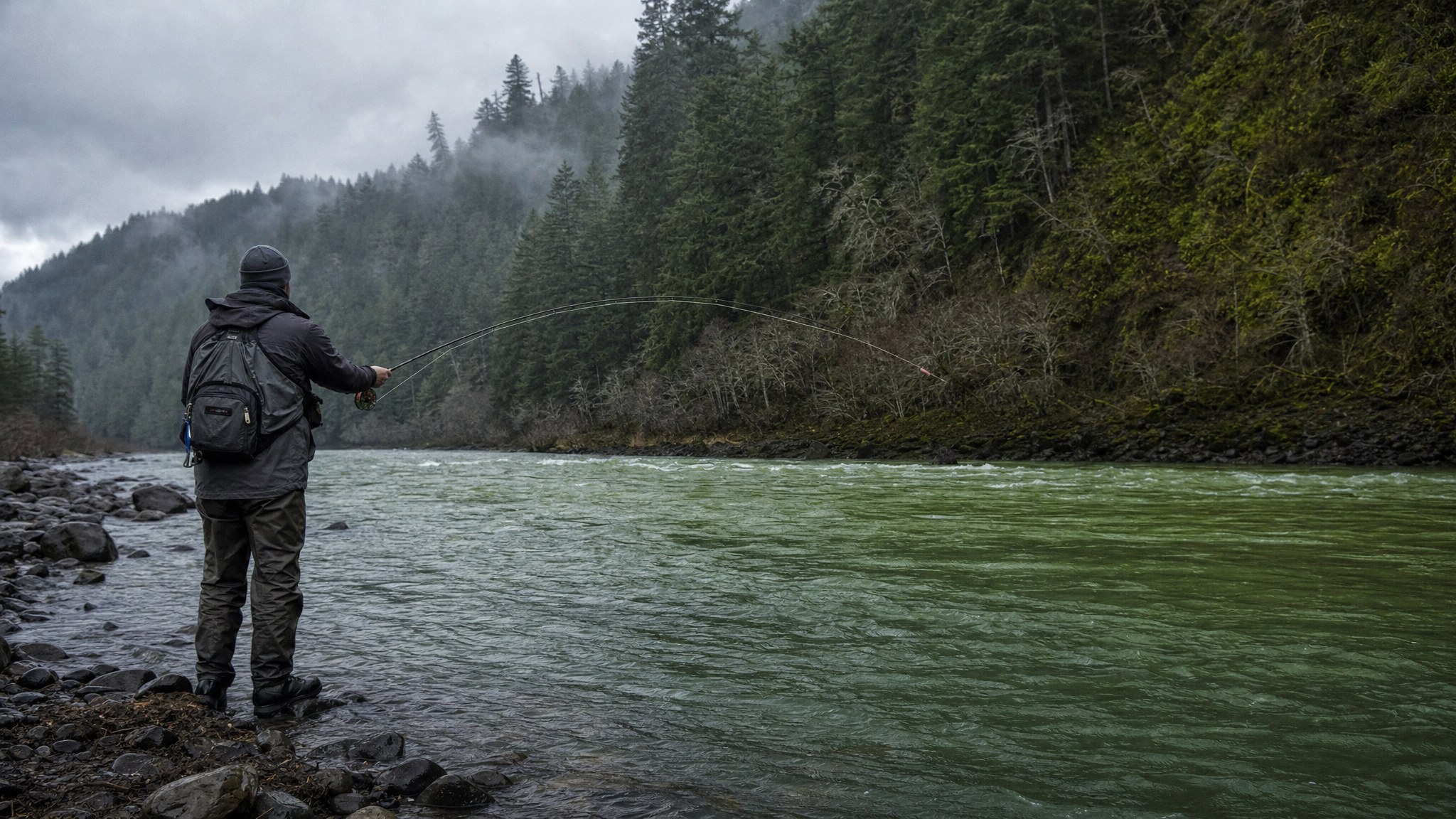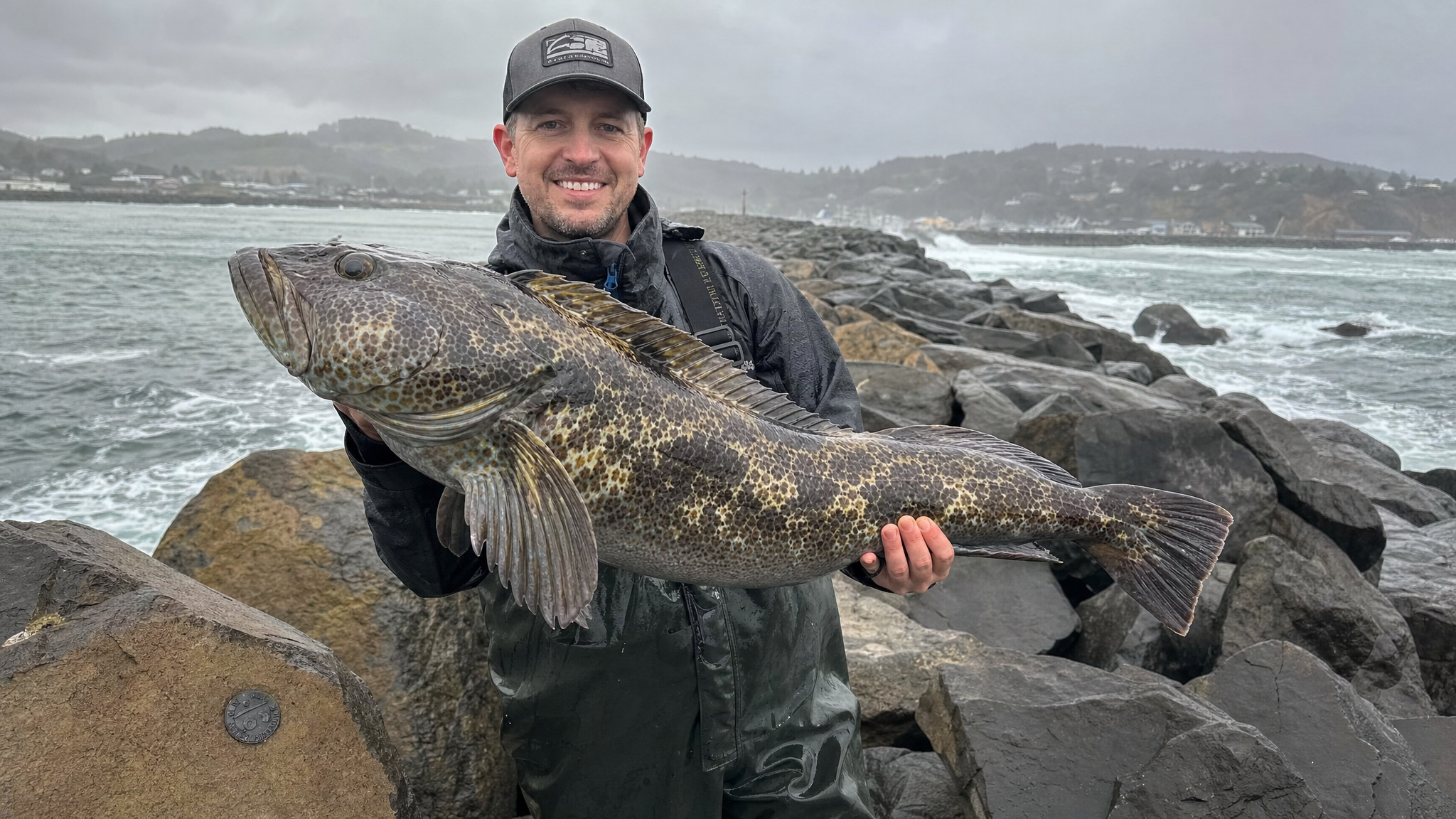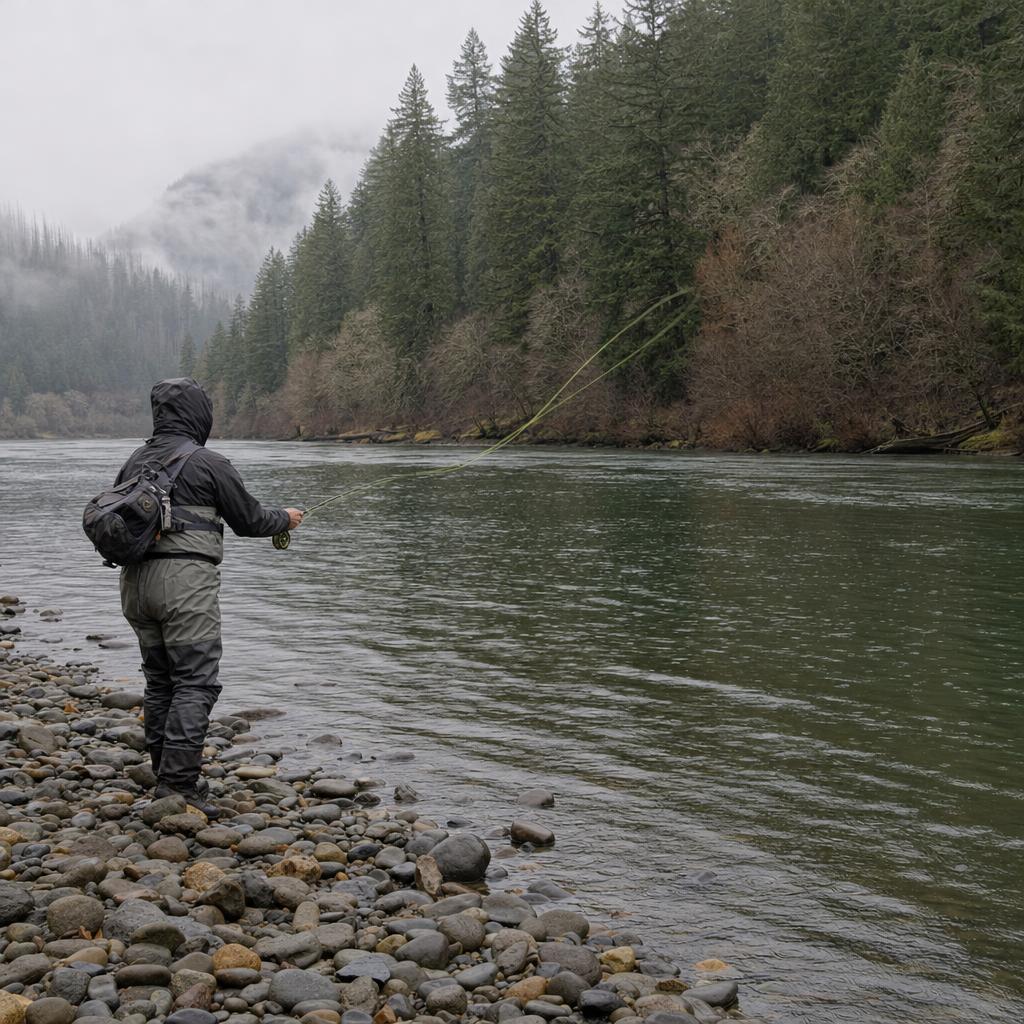
When anglers talk about Oregon winter steelhead, the conversation usually jumps straight to the Wilson, the Siletz, or the Clackamas. That's fine — more room on the Umpqua. The main stem Umpqua below Elkton is one of western Oregon's most productive and least-crowded winter steelhead fisheries, and December is when the chrome really starts piling in.
Understanding the Umpqua Winter Run
The North Umpqua gets most of the press, but it's the main stem below Elkton — from roughly river mile 50 down toward Winchester Bay — that hosts the bulk of the hatchery winter steelhead run. These fish start showing in earnest by late November and peak through January and into February. December is a sweet spot: the river hasn't blown out yet from the worst winter rains, and fresh fish are stacking in holding water daily.
ODFW stocks a mix of Alsea-strain and OP-strain hatchery winter steelhead throughout the system. Expect fish averaging 7 to 12 pounds, with occasional brutes pushing 15. Wild fish are present too — handle them carefully and release quickly. Check current regulations on the ODFW website before you go, as retention rules and hatchery fin-clip requirements can change season to season.
Top Bank Access Points Below Elkton
Bank access on the lower main stem is better than most anglers realize. Here are the most productive spots to target in December:
- Scottsburg Park: A classic pull-off with direct bank access to deep tailouts and seams. Fish the near-side current break in high water; drop down to the gravel bar in lower flows.
- Kellogg Access Site: ODFW-managed access with good tailout fishing. The long, slow run above the site holds fish in December when flows are up and the water has some color.
- Umpqua Landing: Good early-season access near the tide zone. When winter tides push upriver, fish stack here before moving into freshwater proper.
- Highway 38 Corridor Pullouts: Numerous unsigned pullouts between Scottsburg and Elkton offer access to underutilized runs and riffles. Walk the bank, scout the water, and don't be afraid to cover ground on foot.
December Water Conditions and Timing
The Umpqua can rise fast after rain. USGS gauge data for Elkton (Station 14321000) is your best friend — check it before every trip. Fishing is excellent at flows between 4,000 and 10,000 CFS. Above 15,000 CFS, the water blows out brown and fishing becomes nearly impossible from the bank. If you hit the river at 7,000 CFS with two feet of visibility and a slight olive tint, you've got ideal conditions.
Time your trips for the morning window — first light to 10 AM is prime on most winter steelhead rivers, and the Umpqua is no different. Fish that have been holding in deep slots overnight will move into feeding lies as light levels change. If the river dropped overnight after a rain event and is clearing, that's a banner morning.
Tackle and Rigs for Bank Fishing
Most Umpqua bank anglers fish side-drifting or bottom-bouncing gear. Here's what works in December:
- Rod: 9.5 to 10.5-foot medium-heavy spinning rod. The extra length helps mend and control drift from the bank.
- Reel and Line: 3000–4000 series spinning reel spooled with 20-lb braid, topped with an 18-inch fluorocarbon leader in 15 to 20 lb.
- Drift Rigs: Corky and yarn in chartreuse, cerise, or pink under a pencil lead. Size the lead to tick bottom every few seconds, not drag constantly.
- Spinners: Blue Fox Vibrax and Mepps Aglia in sizes 4 and 5, hammered brass or chrome blades, are deadly when the river is on the lower end of fishable flows.
- Jigs: Quarter-ounce marabou jigs under a small float work well in slower pools and seams. Pink and white, chartreuse, and purple are top colors.
Reading the Water from the Bank
Winter steelhead in December are not aggressive sprinters — they're conserving energy and looking for soft water adjacent to the main current. From the bank, focus on:
- Current seams: The transition zone between fast and slow water where drifting food (and your presentation) pauses naturally.
- Tailouts: The shallow, smooth-surfaced water at the downstream end of a pool. Fish rest here before sliding into the next riffle. Fish tailouts before you wade through them.
- Soft pockets behind boulders: Any large rock in moving water creates a downstream cushion. That's holding water.
- Deep outside bends: High December water pushes fish to the inside edges of outside bends where current deflects. Probe those soft edges carefully.
Logistics and Gear for a December Umpqua Trip
The Umpqua corridor along Highway 38 is roughly 70 miles from Roseburg to Reedsport. Elkton is the natural staging town — fuel up there before heading downstream. Cell service is spotty in the canyon, so download offline maps before leaving pavement.
Dress for it. December on the Umpqua means rain — often heavy rain. Bring full rain gear, neoprene gloves, and wool or synthetic base layers. Fingerless gloves with a mitten shell are ideal for tying knots in cold weather. Pack a thermos of hot coffee. The fish don't care how wet you get, but hypothermia ends fishing trips early.
The lower Umpqua below Elkton rewards anglers willing to do the legwork — exploring pullouts, covering water on foot, and fishing through tough December conditions. When you hit it right, with clearing water and fresh fish stacking in every tailout, there is no better bank steelhead fishery in Oregon's southern coast drainages.