The Case for a Field Bipod in Western Hunting
Ask a veteran western hunter what single piece of gear has saved more shots — and more tags — than anything else in his kit, and there's a good chance the answer isn't his rangefinder, his optic, or his boots. It's his bipod. The ability to settle into a stable position and eliminate human movement from the equation transforms mediocre shooters into confident ones and gives experienced hunters the margin they need when the shot is long, the wind is picking up, or the light is fading fast. This guide covers the real-world options for field shooting support, from budget-friendly bipods to precision long-range setups.
Understanding What You Actually Need in the Field
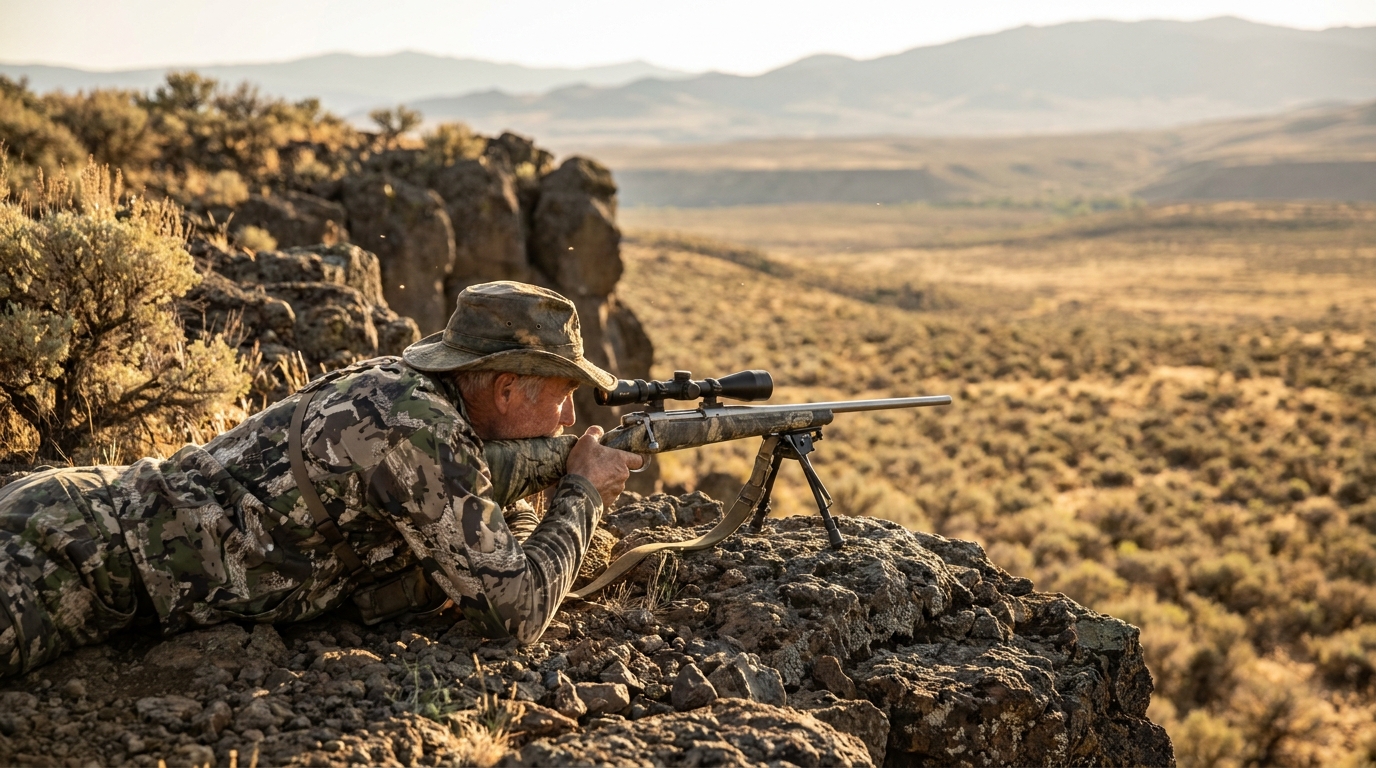
Before spending money on a bipod or rest system, think honestly about your hunting context. The Oregon hunter glassing sage flats for mule deer at 500+ yards has completely different needs from the Coast Range blacktail hunter who's lucky to get a 60-yard window through the timber. Both benefit from field shooting support, but not the same kind.
Key questions to ask yourself:
- What's my typical shot distance? (Inside 200 yards vs. 300–600+ yards requires different setups)
- Am I hunting terrain where I can get prone? (Alpine and desert: yes. Dense timber: sometimes not)
- How much weight can I carry? (Day pack vs. 3-day backpack changes the math considerably)
- Do I shoot from a tripod for glassing? (Tripod-mounted shooting rests offer major synergy)
Bipod Types and How They Perform in the Field
Fixed-Height Leg Bipods (Harris-Style)
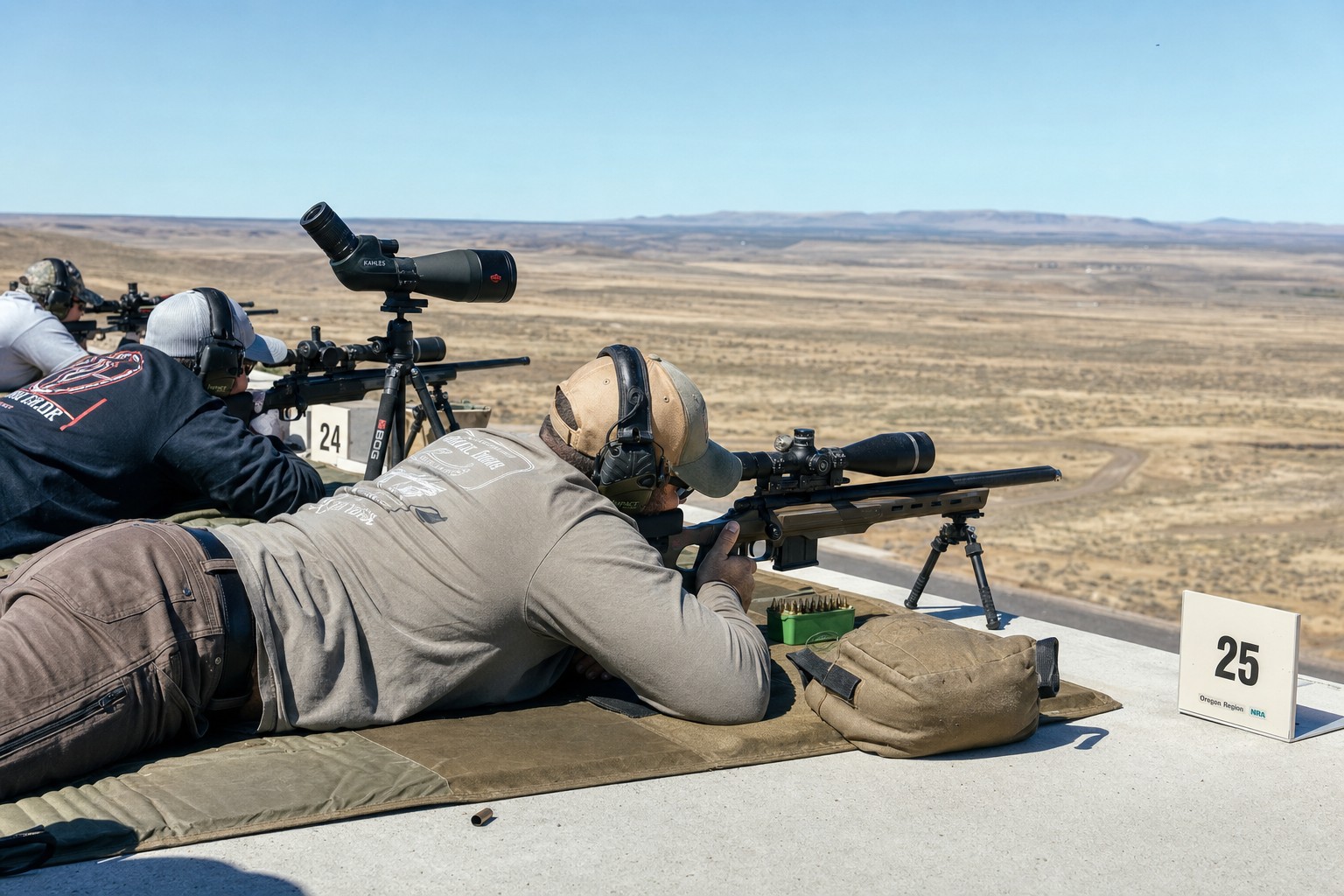
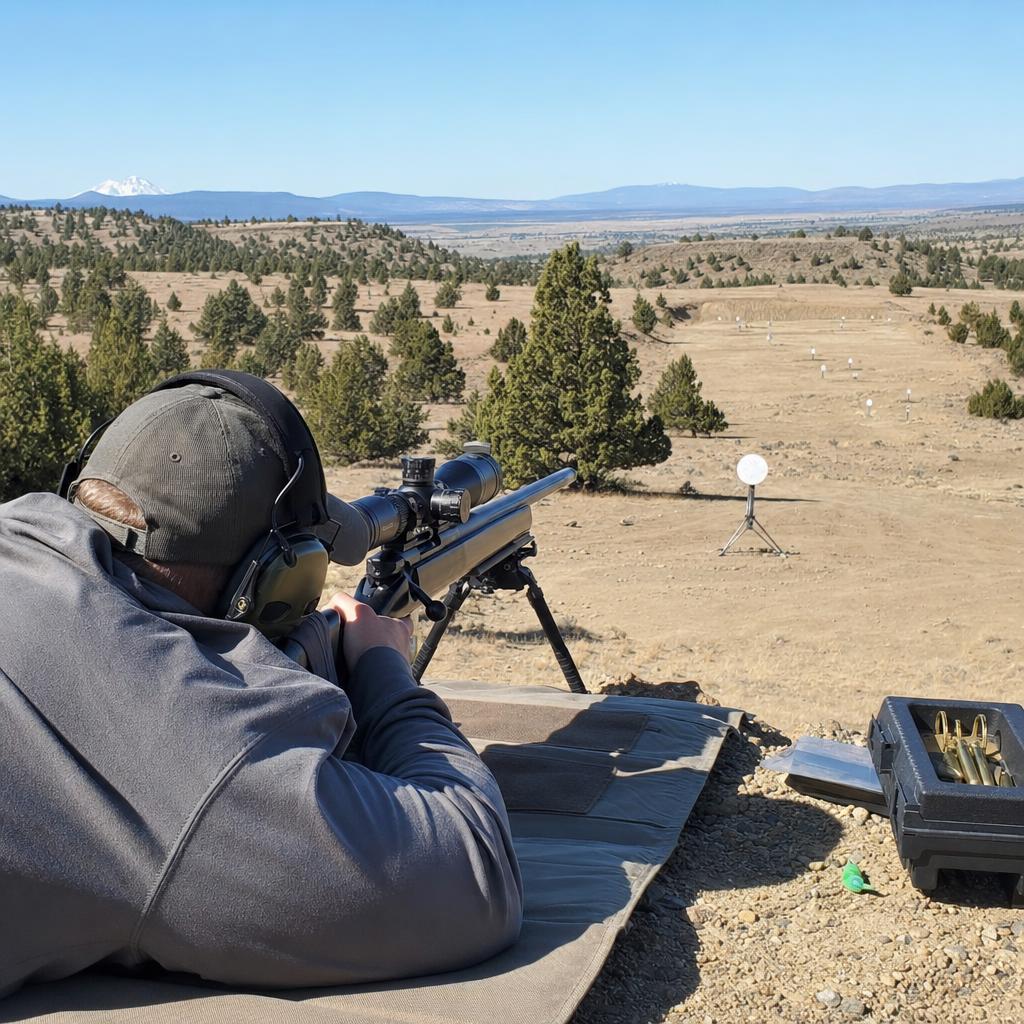
The Harris Engineering bipod is the category standard, copied endlessly and beaten rarely at its price point. The S-BRM (notched, rotating, medium height — 6–9 inches) is the most popular hunting variant. It attaches to any rifle with a sling swivel stud, deploys in seconds, and is robust enough to handle real field conditions including mud, snow, and rocks.
What Harris does right: light weight (around 10 oz.), solid lockup when legs are deployed, and availability everywhere. What it doesn't do as well as premium options: leg angle adjustment is limited, cant is only available on the rotating models, and the legs tend to want to "walk" forward on recoil without a rear bag to anchor the system. For most hunters shooting under 400 yards in prone or supported positions, the Harris S-BRM at $80–$90 is the single best value in field shooting support.
Notched vs. Smooth Leg Bipods
Notched-leg bipods (like the Harris BR models) lock at specific heights — typically four or five positions. They're fast to deploy and hold height firmly. Smooth-leg models adjust to any height but require more adjustment time. For hunting, notched generally wins on speed and simplicity.
Atlas-Style Precision Bipods
The Atlas CAL (originally B&T Industries) bipod is the gold standard for precision shooting. The legs fold to five positions (0°, 45°, 90° forward, 45° rear, straight back), pan left and right, and the whole unit is machined to tolerances tighter than most hunters will ever need. The Atlas B&T CAL bipod weighs 11.1 oz and runs about $230 — over twice the cost of a Harris.
Is it worth it for hunting? If you're regularly shooting past 500 yards in terrain that requires you to adapt your position to uneven ground, yes. The Atlas's pan-and-cant capability lets you level the rifle across slopes without contorting your body. For most hunters — especially those shooting under 400 yards in relatively flat terrain — the Harris is the more practical choice.
Lightweight Backpacker Options
The Spartan Precision Equipment Javelin Pro Hunt bipod and similar lightweight options split the difference. The Javelin attaches via a magnetic QD mount, weighs just over 5 oz, and folds flat against the stock for carry. Legs are adjustable with twist-lock sections. For the backpack hunter who's counting ounces, this category makes sense. Stability is slightly reduced compared to a heavier Harris, but it's real-world good enough for most field shots under 400 yards.
Tripod Systems: The Long-Range Hunter's Best Friend
In recent years, tripod-based shooting has moved from competition-only novelty to mainstream hunting tool — and for good reason. A quality ball-head tripod lets you shoot sitting, kneeling, or standing from cover that prone shooting simply can't use. In Oregon's sagebrush country and open-country elk habitat, that flexibility is game-changing.
The Javelin and Spartan Tripod Approach
Systems like the Bog-Pod Deathgrip or the Spartan Precision Javelin Lite Hunt use a ball head that cradles the rifle's forend. Set the tripod to your seated or kneeling height, place the rifle in the rest, and you have a stable three-point support system that adjusts in seconds. These systems aren't quite as stable as prone off a bipod on flat ground, but they allow shots from behind rocks, over sage brush, and in situations where getting flat-prone isn't an option.
Heavy-Duty Long-Range Options
For serious long-range hunting past 600 yards, consider a full-size carbon tripod with a RRS (Really Right Stuff) or Acra-Tech ball head combined with a Spuhr or MDT Arca-compatible rifle clamp. This is a more complex and expensive system ($400–$800+), but the stability it provides — combined with a quality rear bag — approaches benchrest conditions in the field. If you're hunting open country in Eastern Oregon's Owyhee Breaks or the Snake River Canyon for mule deer and often facing 500–700 yard shots, this investment pays dividends.
Rear Bags: The Underrated Stability Multiplier
No field shooting setup is complete without a rear bag. A quality rear bag under your rifle's stock reduces the forward-walking tendency that plagues bipod shooting on recoil and fine-tunes your point of aim with small, controlled squeezes. Options worth considering:
- Wiebad Fortune Cookie: Small, light, extremely packable. Fills with local material (sand, dirt, rocks) or comes pre-filled with plastic micro-pellets. The field hunter's go-to rear bag at around $35.
- Armageddon Gear Pint-Sized Game Changer: Premium construction, consistent fill, excellent for field use. Around $65.
- DIY sock bag: In a pinch, a wool sock filled with dirt or sand and knotted shut does the job. Not glamorous, but it works.
Field Deployment Tips That Actually Help
- Load your bipod: Once deployed, push the rifle forward into the bipod to preload the legs and eliminate slop. Keep that forward pressure through the shot.
- Natural point of aim: Before settling in for a shot, adjust your body position so the crosshairs naturally fall on the target without muscling the rifle. Muscling always causes problems.
- Rear bag squeeze: Squeeze the rear bag gently to raise the point of aim for fine vertical adjustments. This is faster and more accurate than manipulating the bipod legs.
- Practice on uneven ground: Most field shots aren't on a level shooting bench. Practice getting into position on slopes, behind rocks, and in low brush so the real thing doesn't surprise you.
Budget Recommendations by Hunting Style
- Timber hunter / under 300 yards: Harris S-BRM + Wiebad Fortune Cookie. Total: ~$120. Done.
- Open country / 300–500 yards: Harris S-BRM + a BOG Deathgrip tripod for secondary option + rear bag. Total: ~$280.
- Long-range / 500+ yards: Atlas CAL bipod + quality carbon tripod with rifle rest + premium rear bag. Budget $600–$900 for the full system. Worth every dollar if long shots are your norm.
- Backpack hunter, weight-conscious: Spartan Javelin + tripod adapter. Total: ~$200. Best weight-to-stability ratio available.
The Bottom Line
A good field shooting rest is one of the most consistently undervalued investments in a hunter's kit. It doesn't make headlines. It doesn't make Instagram posts. What it does is turn the hard shot into a makeable one, and in Oregon's mountains and high desert, that's the difference between a tag filled and a tag punched back at the trailhead. Get a bipod. Practice with it. Take it seriously.