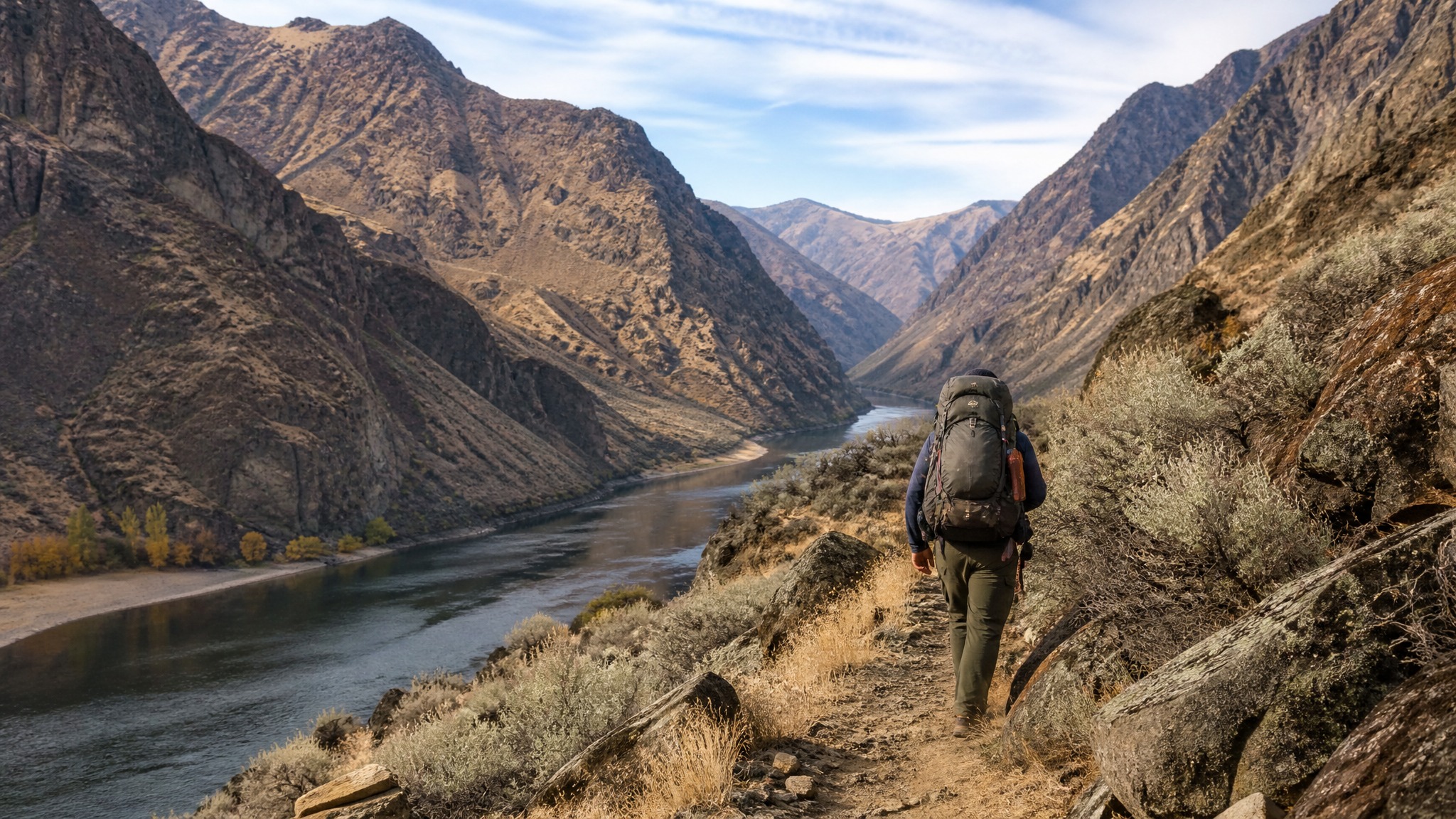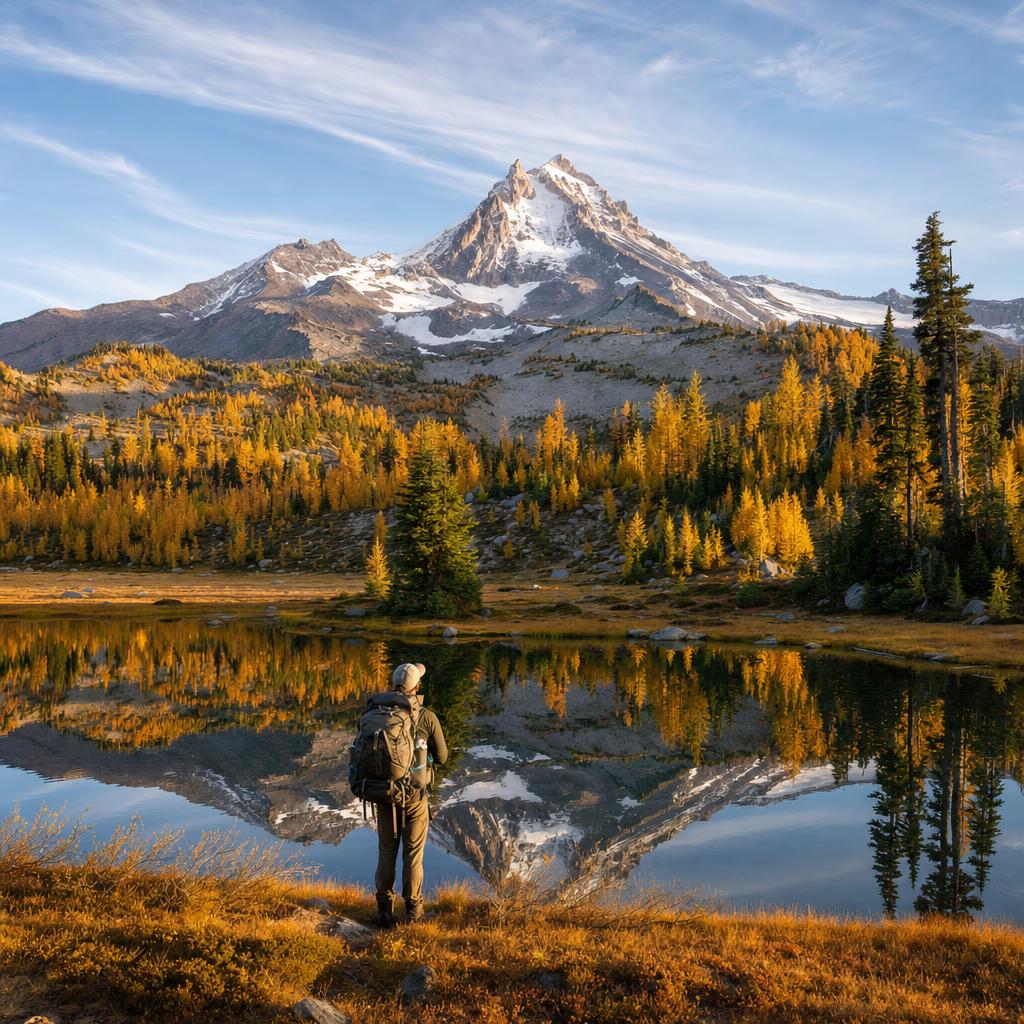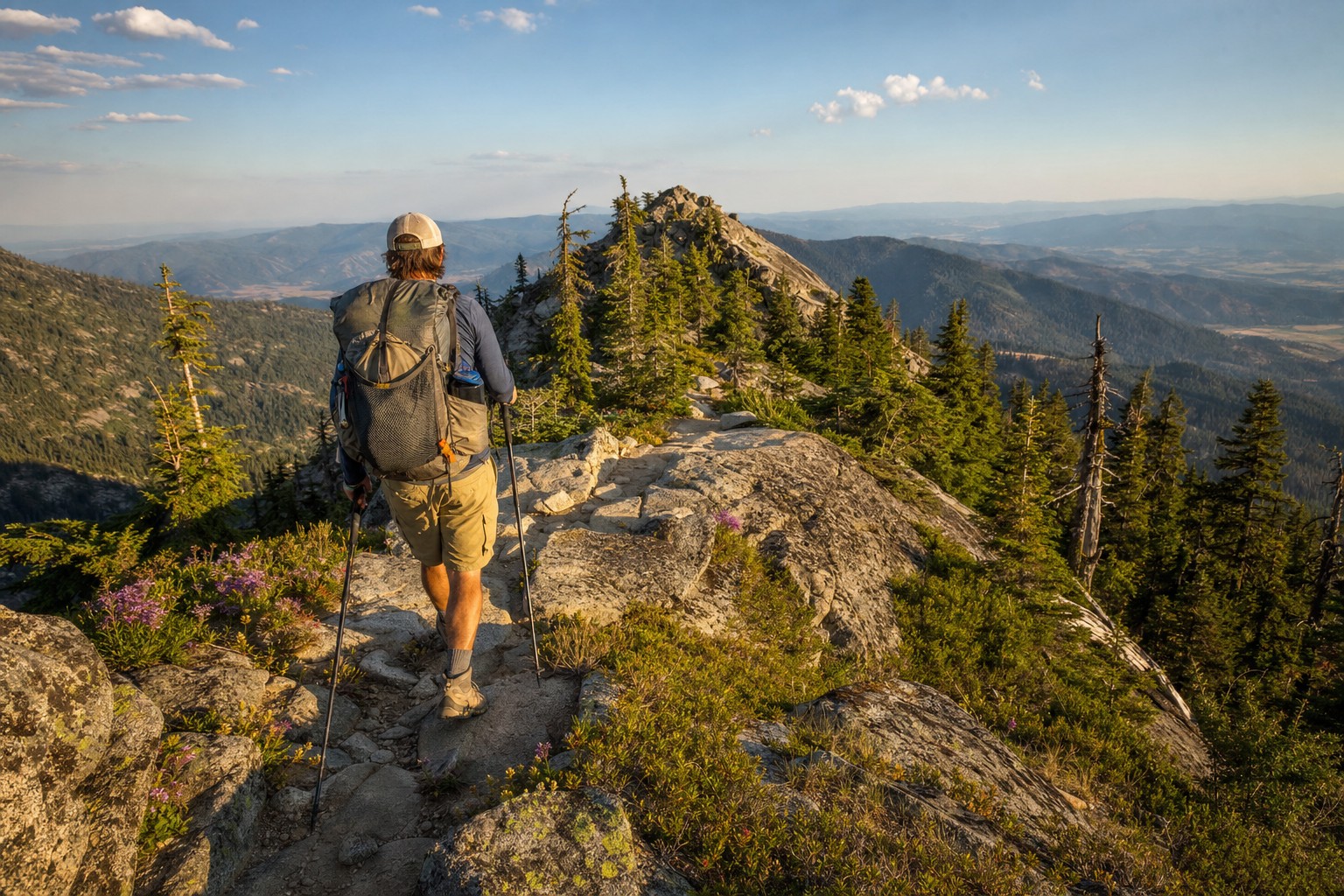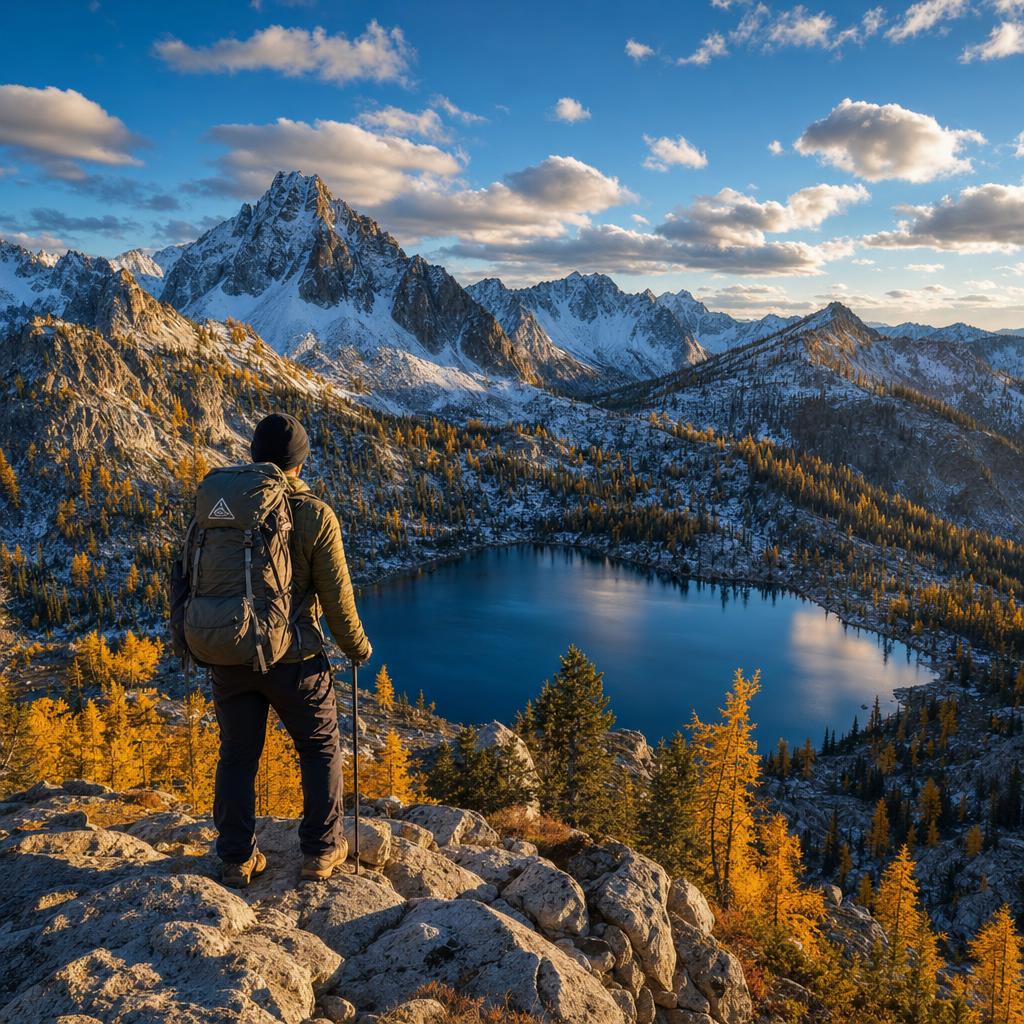
There is a week in October — usually the second or third — when the Wallowa Mountains become the most beautiful place in Oregon. The western larch trees turn a luminous gold, the summer crowds evaporate almost overnight, and the Eagle Cap Wilderness offers the kind of solitude that's genuinely hard to find anywhere in the lower 48. If you're willing to layer up and carry a four-season sleeping bag, a fall trip into the Eagle Cap is an experience that resets something in you.
This guide covers a practical 3–4 day loop from the Lakes Trailhead near Joseph — one of the most accessible and rewarding entries into the wilderness — with logistics, gear considerations, and honest notes on what to expect in October.
The Route: Lakes Basin Loop via West Fork Wallowa and Glacier Pass
The standard Lakes Basin loop departs from the Two Pan Trailhead on the Lostine River or — more commonly for a 3-day trip — from the Wallowa Lake Trailhead at the south end of Wallowa Lake, elevation 4,650 feet. Total distance for the described loop is approximately 28–32 miles depending on side trips, with 6,000–7,000 feet of cumulative elevation gain.
Day 1: Wallowa Lake TH to Frazier Lake (9–11 miles)
The trail up the West Fork Wallowa River is one of the best river-valley approach routes in Oregon. You gain elevation gradually through a forest of Engelmann spruce and Douglas-fir, following the West Fork upstream past numerous camping spots. In mid-October the trail is typically uncrowded even on weekends. By early afternoon you'll enter the upper basin; Frazier Lake sits at roughly 7,800 feet and makes a fine first camp. Water is abundant, and a wilderness permit — self-issued at the trailhead — is required. Campfires are prohibited above 7,000 feet.
Day 2: Frazier Lake over Glacier Pass to Minam Lake Basin (8–10 miles)
This is the signature day of the trip. The climb to Glacier Pass at 8,500 feet is steep but short, and the views from the pass — back into the West Fork drainage and forward into the Minam River headwaters — are stunning. Early October often brings a dusting of snow on the peaks by night that melts off by noon, making the pass section magical in morning light. The descent to Minam Lake passes through classic alpine terrain: broken granite, scattered whitebark pine, and the kind of clear lakes that look airbrushed. Minam Lake is the largest in the wilderness and offers excellent camping on its north shore.
Day 3: Minam Lake to Horseshoe Lake and out the Hurricane Creek Trail (10–12 miles)
From Minam Lake, head east and south through the upper Lakes Basin, which contains over a dozen named lakes in a remarkably compact area. Horseshoe, Douglas, Lee, and Moccasin Lakes are all within easy reach and worth exploring if time allows. The descent via Hurricane Creek to the Hurricane Creek Trailhead is long but never technical, following a tumbling creek through increasingly dense forest. Arrange a car shuttle between the two trailheads (about 6 miles apart via Highway 82 and the county roads), or plan a road walk or hitchhike back to Wallowa Lake.
October Conditions: What to Expect
The Wallowas in October are not summer. Daytime highs in the upper basin typically range from the low 30s to the mid-50s Fahrenheit; nights regularly drop below freezing at elevation. Snow is possible — and common — at any point in October, especially above 7,500 feet. Come prepared for winter conditions even if the forecast looks mild. A Pacific storm can change things in a matter of hours.
The larch color typically peaks between October 5th and October 20th, depending on the year. Check current conditions with the Wallowa-Whitman National Forest Ranger District in Enterprise, Oregon before leaving — they can tell you about trail conditions, pass status, and any temporary closures.
Gear for a Cold-Weather Eagle Cap Trip
- Sleeping system: A 15°F or 20°F rated sleeping bag is the minimum. Bring a lightweight sleeping pad with an R-value of 4 or higher. A 0°F bag isn't overkill in late October.
- Shelter: A four-season tent or a sturdy three-season tent with a full coverage rainfly. Wind at Glacier Pass and the exposed ridges can be significant; freestanding designs work best on granite.
- Layers: Merino wool base layers, a midlayer fleece or down jacket, and a waterproof shell. Pack more insulation than you think you need.
- Traction: Microspikes or yaktrax — if snow is present at the pass, you'll want them on the icy morning descents.
- Navigation: Download the USGS 7.5-minute quads or a reliable offline map (CalTopo or Gaia GPS) before you leave cell service in Joseph. The trail junctions in the Lakes Basin are well-signed but snow cover can obscure paths.
- Water treatment: The Eagle Cap has abundant clean water from lakes and streams. A filter or chemical treatment is required; giardia is present throughout.
Regulations and Permits
The Eagle Cap Wilderness requires a self-issued wilderness permit, available free at all major trailheads. No campfires above 7,000 feet — this is strictly enforced and ecologically important at altitude. Dogs are permitted but must be under control. Stock is allowed on most trails; yield to horses and pack animals on the trail. Camping within 200 feet of any lake, stream, or trail is prohibited. Group size is limited to 12 people and 12 head of stock.
Note that the Wallowa Lake Trailhead parking lot fills quickly on fall weekends despite the reduced visitor numbers. Arrive by 7:00 AM or park at the state park and walk to the trailhead.
Why October Is the Best Month
Summer in the Eagle Cap means mosquitoes, crowded campsites, and reservation systems for popular sites. October offers none of those friction points. The lakes are clear of algae. The granite reflects larch gold. You might share a camp with one other party over three days — or no one at all. The fishing, while technically open through October 31st on most Eagle Cap lakes, is secondary to the experience of simply being there when the high country goes quiet.
Joseph, Oregon — the gateway town — has good food, a motel and several short-term rentals, and the kind of local character that makes a post-trip burger feel earned. The Wallowa Mountains Motor Inn and the Wildflower Inn are both solid bases. Arrive a day early if you can, walk around town, and let the landscape start working on you before you even lace up your boots.
The Eagle Cap Wilderness covers 360,000 acres. Three days barely scratches it. But scratching it is exactly the right place to start.