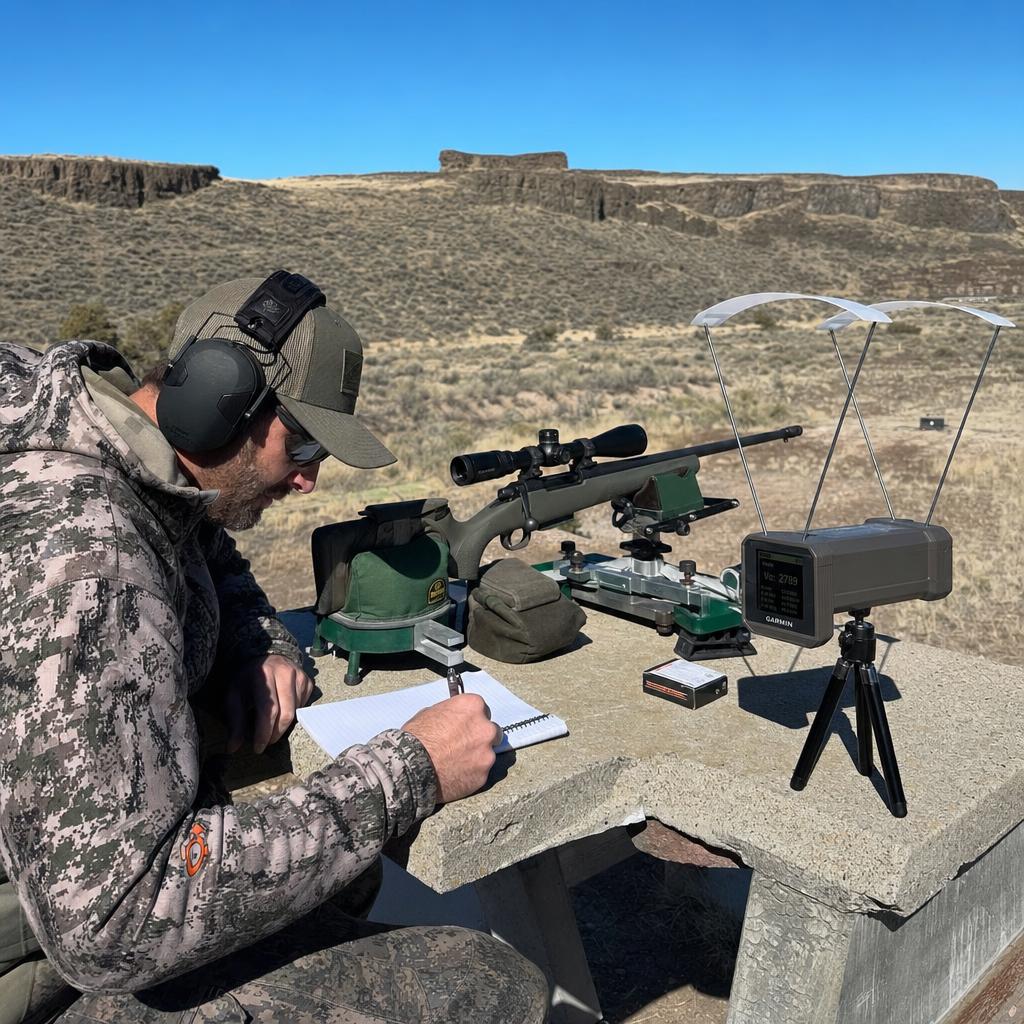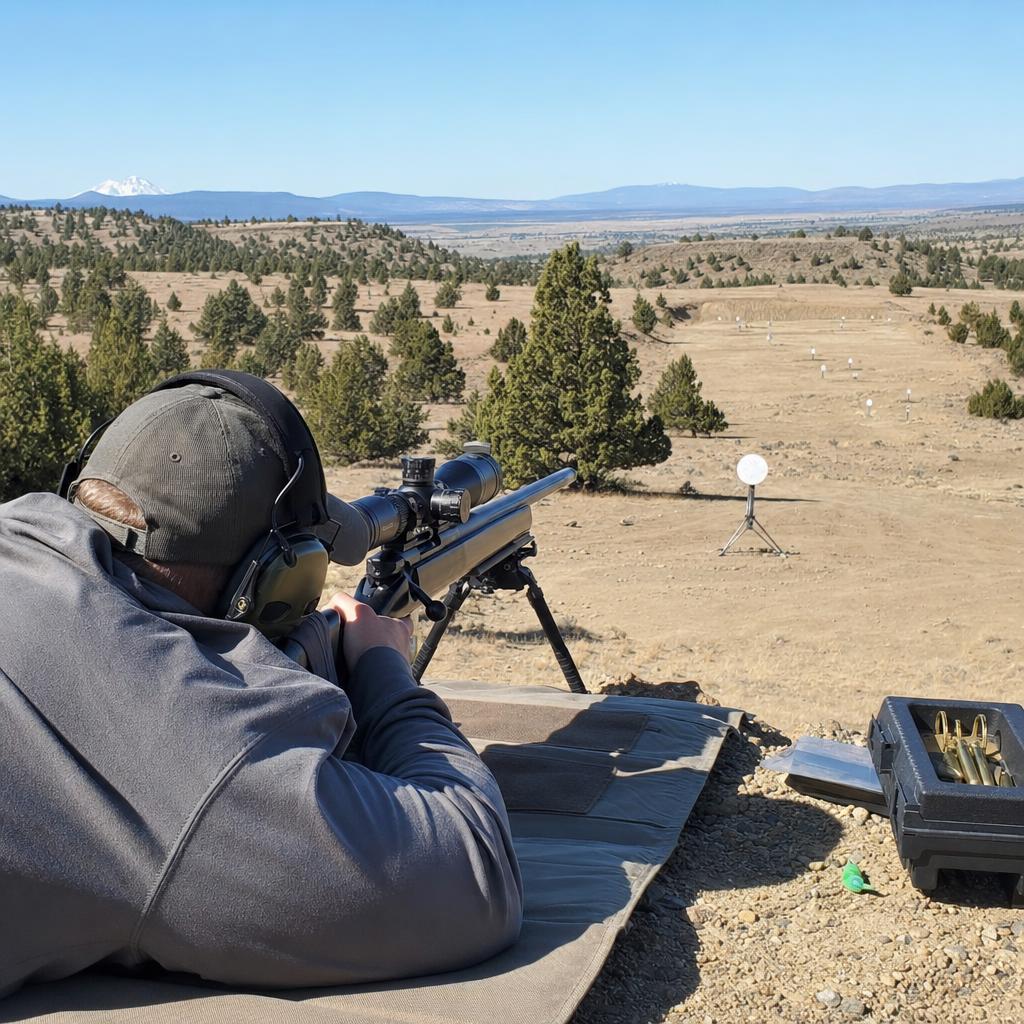
Hunters are statistically among the worst demographic for cumulative hearing loss in America. Not because we are careless people, but because the culture traditionally accepted a single unsuppressed rifle shot in the field as not that bad compared to a range session. The physics disagree: one unsuppressed shot from a .30-06 at close range delivers approximately 162 decibels to the unprotected ear. Permanent damage begins at 140 dB. You do that for enough seasons and you end up with the hearing of someone twice your age.
Electronic hearing protection has changed this calculus entirely. Modern electronic ear pro does not just block sound — it amplifies safe sounds, compresses dangerous ones, and makes you a more situationally aware hunter in the process. Here is how to navigate the options.
How Electronic Hearing Protection Works
Electronic earmuffs and earbuds use microphones and processors to selectively block harmful sounds while allowing — or amplifying — safe ones. When ambient sound stays below the threshold (typically 82–85 dB), the electronics amplify it by up to 4–8x. When a shot fires, the processor reacts in 1–2 milliseconds and compresses the signal, clamping harmful peaks to safe levels. The result: you hear a deer stepping in dry leaves 60 yards away more clearly than with bare ears, and when you pull the trigger, you do not blow out your hearing.
Earmuffs vs. Electronic Earbuds
Electronic Earmuffs
Muffs provide higher Noise Reduction Ratings (NRR) — typically 22–31 dB — making them superior on the range or in blinds where you are shooting multiple rounds. They are easy to put on and take off, run on AA batteries, and are generally more durable in field conditions. Downside: muffs can interfere with cheek weld on rifles and catch wind noise in open-country conditions. Best for: range days, waterfowl blinds, rifle deer season in a treestand.
Electronic Earbuds (In-Ear)
Earbuds sit inside the ear canal, allowing normal cheek weld without interference. High-end models provide NRR ratings of 26–29 dB while fitting completely inside the ear. Sound quality from premium earbuds rivals or exceeds muffs for directional awareness — you can pinpoint the direction of sounds more accurately because of natural ear cup geometry. Best for: spot-and-stalk hunting, upland bird hunting, archery elk calling situations.
Top Picks by Use Case
Best Budget Range and Blind Option: Howard Leight Impact Sport
At around $50, the Howard Leight Impact Sport is the gold standard of affordable electronic muffs. NRR 22 dB, 4x amplification, 82 dB limiting. They fold flat, run on AA batteries for 350 hours, and have a 3.5mm audio jack for communication. Every Oregon hunter should own a pair. The low-profile version reduces cheek weld interference on rifles significantly.
Best Mid-Range Muff: Walker's Razor Slim
The Walker's Razor Slim cuts the earmuff profile down considerably compared to standard muffs. NRR 23 dB, high-gain microphones, omnidirectional sound enhancement. The slim profile allows solid cheek weld on most hunting rifles. Around $100–130 retail, frequently on sale. Excellent build quality for the price point.
Best Premium Muff: MSA Sordin Supreme Pro-X
Sordins are what professional hunters reach for when money is not the primary concern. Liquid foam gel seals that maintain NRR in cold weather, smooth automatic compression that does not distort amplified sound, and an NRR of 25 dB with natural directional stereo pickup. Around $300. Worth every dollar if you hunt regularly and care about both hearing protection and sound quality in the field.
Best In-Ear Option: Axil XCOR
The Axil XCOR earbuds ($250–300) provide NRR 29 dB, Bluetooth connectivity, and high-definition amplification that preserves directional accuracy better than any earmuff. They are water-resistant, charge via USB-C, and come with multiple ear tip sizes for secure fit during active movement. For upland bird hunters and spot-and-stalk bowhunters, these are game-changing.
Budget In-Ear: Walker's Silencer BT 2.0
If you want earbuds without the premium price tag, the Walker's Silencer BT provides NRR 25 dB at around $130. Bluetooth streaming, decent sound quality, and secure fit during physical activity. Battery life of about 15 hours per charge.
Oregon-Specific Considerations
- Rain and moisture: Not all electronic ear pro is rated for wet conditions. Look for IP54 or higher ratings if you hunt Oregon's coast range, west slope Cascades, or anywhere during October's inevitable rain. The Howard Leight Impact Sport is notably not waterproof — a lesson learned by many waterfowl hunters after a wet morning in a goose pit.
- Cold weather: Lithium AA batteries hold charge far better in cold conditions than alkaline. Stock your muffs with lithium for late-season hunts in the Ochocos or Wallowas where temperatures can drop below freezing overnight.
- Upland bird hunting: Pheasant, chukar, and quail hunting with a flushing dog benefits enormously from high-quality amplification — you will hear your dog working the brush before you see the flush. Electronic earbuds are particularly well-suited here.
For Range Days: Stack Your NRR
During high-volume range sessions — load development, pre-season zeroing, or steel challenge practice — consider doubling up: foam earplugs under electronic muffs. This approach provides effective protection well in excess of either product alone. The electronics still amplify safe sounds and provide communication; the foam plugs add additional attenuation for the shot impulse. Standard practice for indoor ranges and high-volume centerfire shooting.
Final Word
Hearing loss from hunting and shooting is cumulative, irreversible, and largely preventable. The technology to protect your hearing while maintaining full situational awareness in the field has never been better or more affordable. A $50 pair of Howard Leights has no excuse not to live in your range bag and hunting pack. Step up to a quality earbud system and you may find yourself hearing elk that would have slipped by you unnoticed before — proof that this gear improves your hunting, not just your hearing health.