If you have spent time working on your long-range shooting fundamentals and want a structured way to put those skills under pressure, NRL Hunter deserves your attention. The National Rifle League’s Hunter division is one of the fastest-growing shooting sports in the country, and the Pacific Northwest has emerged as an active hub with clubs running matches from the Cascades to the high desert of eastern Oregon.
Unlike precision rifle series formats that favor purpose-built chassis rifles and expensive custom cartridges, NRL Hunter is designed around equipment that actual hunters use. The rules are built to be accessible, the stages reward field-craft as much as raw precision, and the skills you build translate directly to better performance on public land when an elk steps into a clearing at 350 yards.
What Is NRL Hunter?
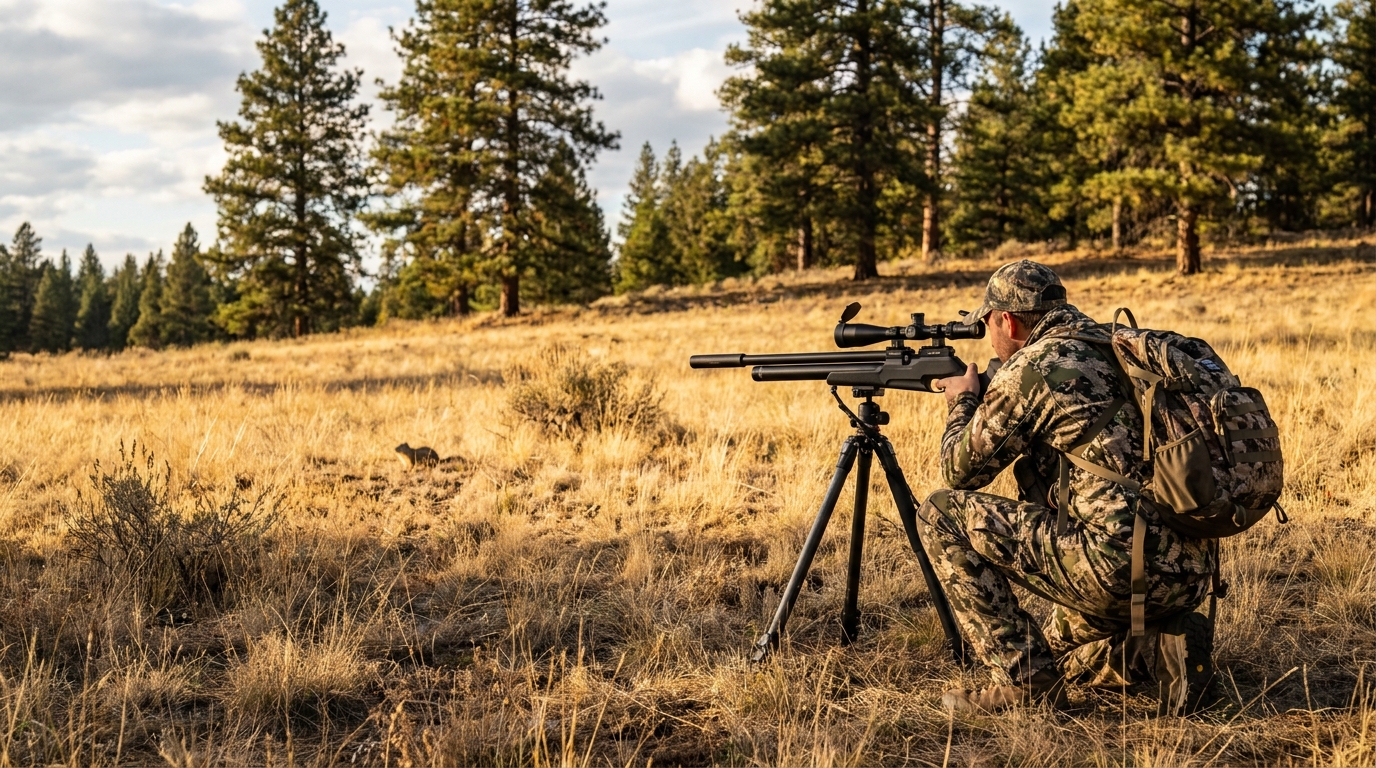
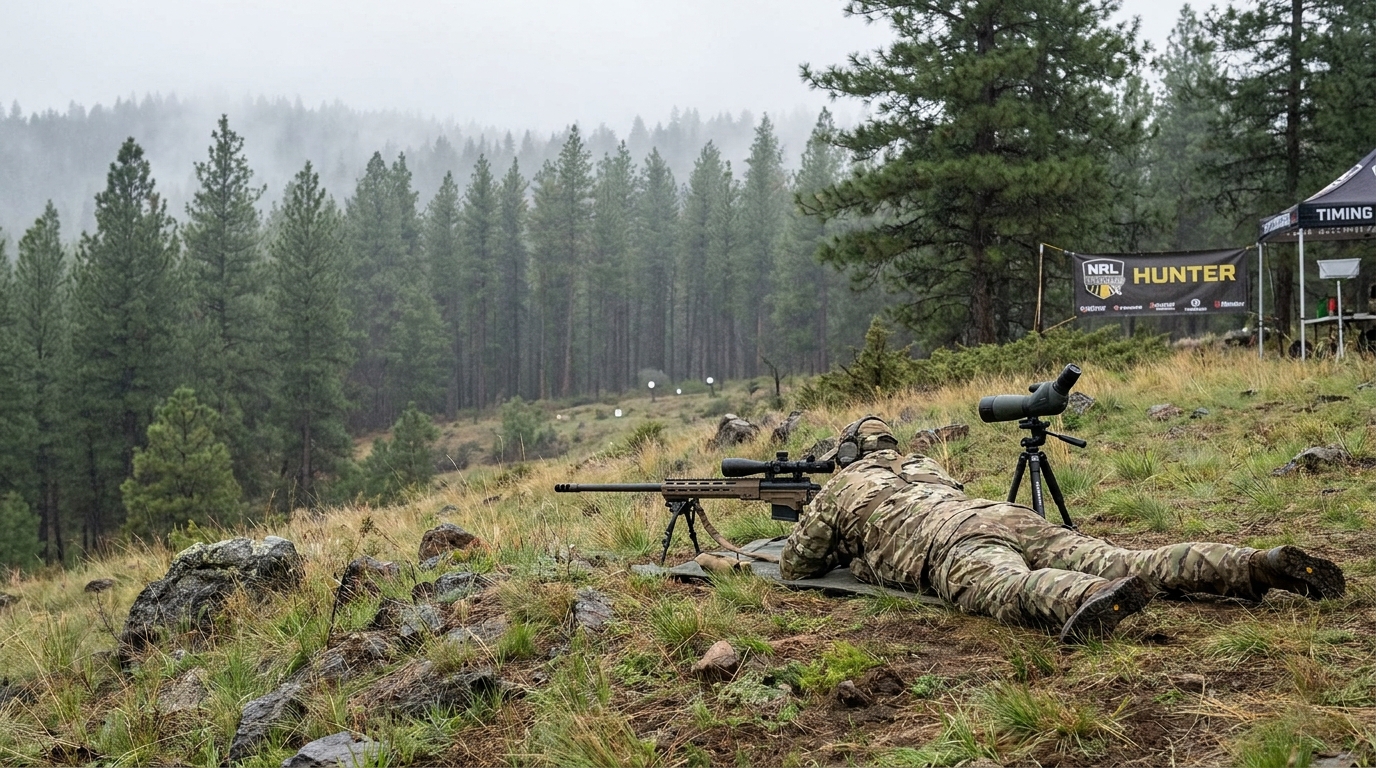
NRL Hunter is a branch of the National Rifle League that specifically targets hunters and practical shooters. Matches consist of multiple stages, typically 8 to 12 per match day, each presenting a different field scenario at ranges from 100 to 600-plus yards. Stages are shot on a time limit—usually 90 seconds to 3 minutes depending on the format—with competitors engaging steel targets from positions that mimic real hunting situations: prone from a pack, kneeling off shooting sticks, seated using a tripod, off a fence post, or over a barrel representing a downed log.
Targets are full-size or reduced steel—typically 10-inch circles and various animal silhouettes. Hit = one point, miss = zero. Your score for the stage is the number of targets hit within the time limit. Aggregate your stage scores across the match and you have your final standing.
What makes NRL Hunter distinct is the equipment division structure. Production class allows factory rifles and scopes under specific price and modification limits, keeping costs reasonable. Open class permits more exotic equipment. Most new competitors start in Production, and many experienced shooters stay there—it levels the field and keeps the focus on skill.
Equipment That Qualifies
NRL Hunter Production class rules are updated annually at nrl.guns, but the general framework allows:
- Rifle: A factory bolt-action rifle in any centerfire caliber. Common choices in the Pacific Northwest include 6.5 Creedmoor, .308 Winchester, 6mm Creedmoor, and .300 Winchester Magnum for competitors who also hunt with the same rifle.
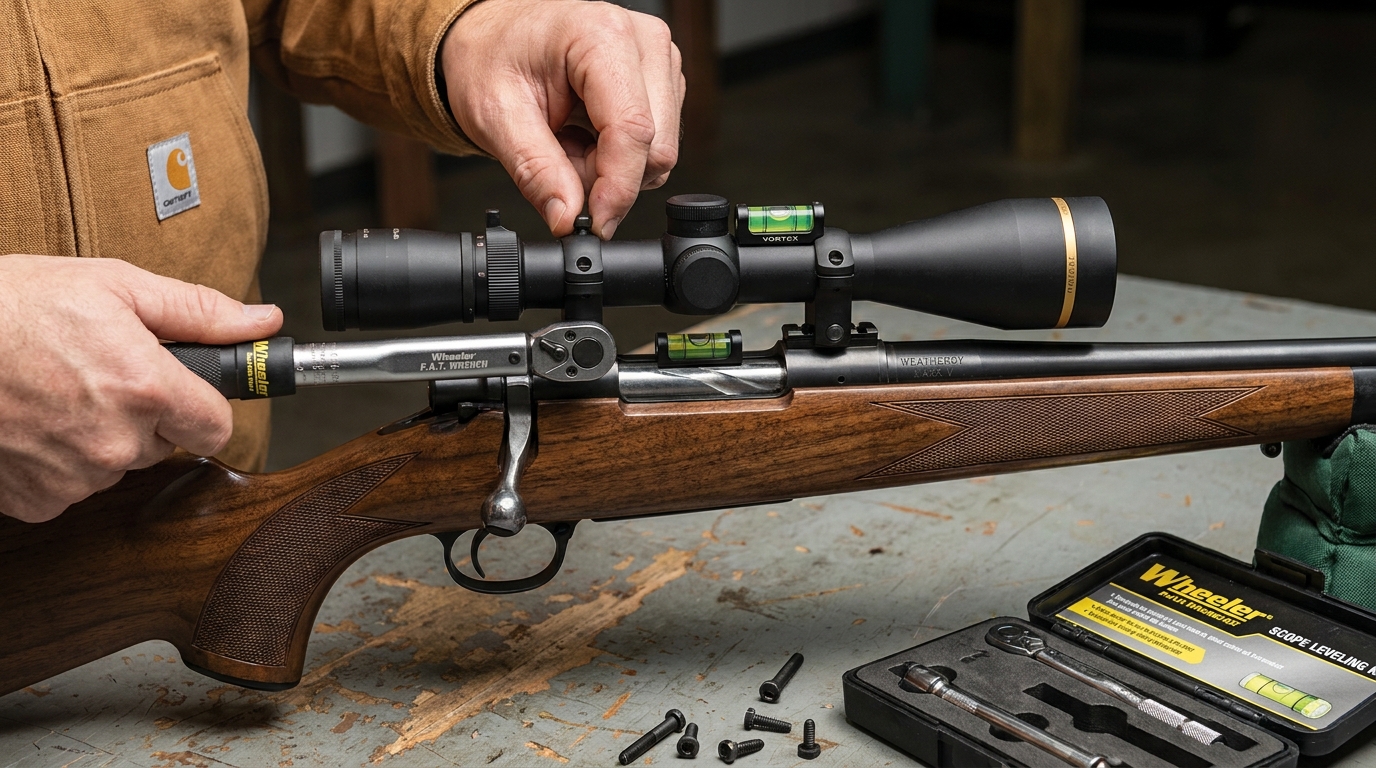
- Optic: Any riflescope under the current retail price cap (check current rules), which covers a wide range of Vortex, Leupold, Nightforce, and Swarovski offerings that hunters already own.
- Bipod and shooting aids: A standard Harris or Atlas bipod, shooting bags, and a tripod are all legal and commonly used. A quality tripod—Leofoto, RRS, or similar—is one of the best investments a new competitor can make.
- Ammunition: Factory or handloaded. Competitors who handload have an advantage in consistency; 6.5 Creedmoor with 140-grain Berger or Hornady ELD-M projectiles loaded to sub-0.5% standard deviation in velocity is a common starting recipe.
Oregon and Washington Match Locations
Several clubs run regular NRL Hunter matches in the Pacific Northwest. Central Oregon’s high desert offers exceptional conditions for long-range shooting with limited mirage interference during spring and fall. Notable venues include the Central Oregon Shooting Sports Association’s range near Bend, the Tri-County Gun Club in the Willamette Valley, and multi-day events held on private ranches in eastern Oregon that offer shooting out to 1,000 yards for Open class competitors.
The NRL website maintains a searchable match calendar by state—searching “Oregon” and “Washington” will show you upcoming local matches. Most are run on Saturdays from April through October, with some clubs running indoor or shorter-format winter matches to keep competitors sharp through the off-season.
Skills You Will Build
NRL Hunter stages are engineered to expose weaknesses in your field shooting that bench work will never reveal. After a few matches, you will have a clear picture of where your gaps are:
- Positional shooting: Kneeling, sitting, and squatting with a pack as a rest is radically different from prone on a bench. The first time you shoot kneeling under time pressure at 400 yards, you will learn immediately how much your prone practice transfers—and how much it does not.
- Cold bore and first-round effect: Stages do not allow sighters. Your first trigger pull of every stage is a cold bore shot, which is exactly what a hunting situation demands.
- Wind reading under time pressure: When the clock is running and you have six targets to engage, reading wind flags and mirage becomes automatic rather than deliberate. This is directly transferable to field shooting situations.
- Dope management: Switching quickly between 200-yard and 500-yard targets in the same stage forces you to internalize your ballistic data rather than rely on slow mental calculation.
Getting Started: Your First Match
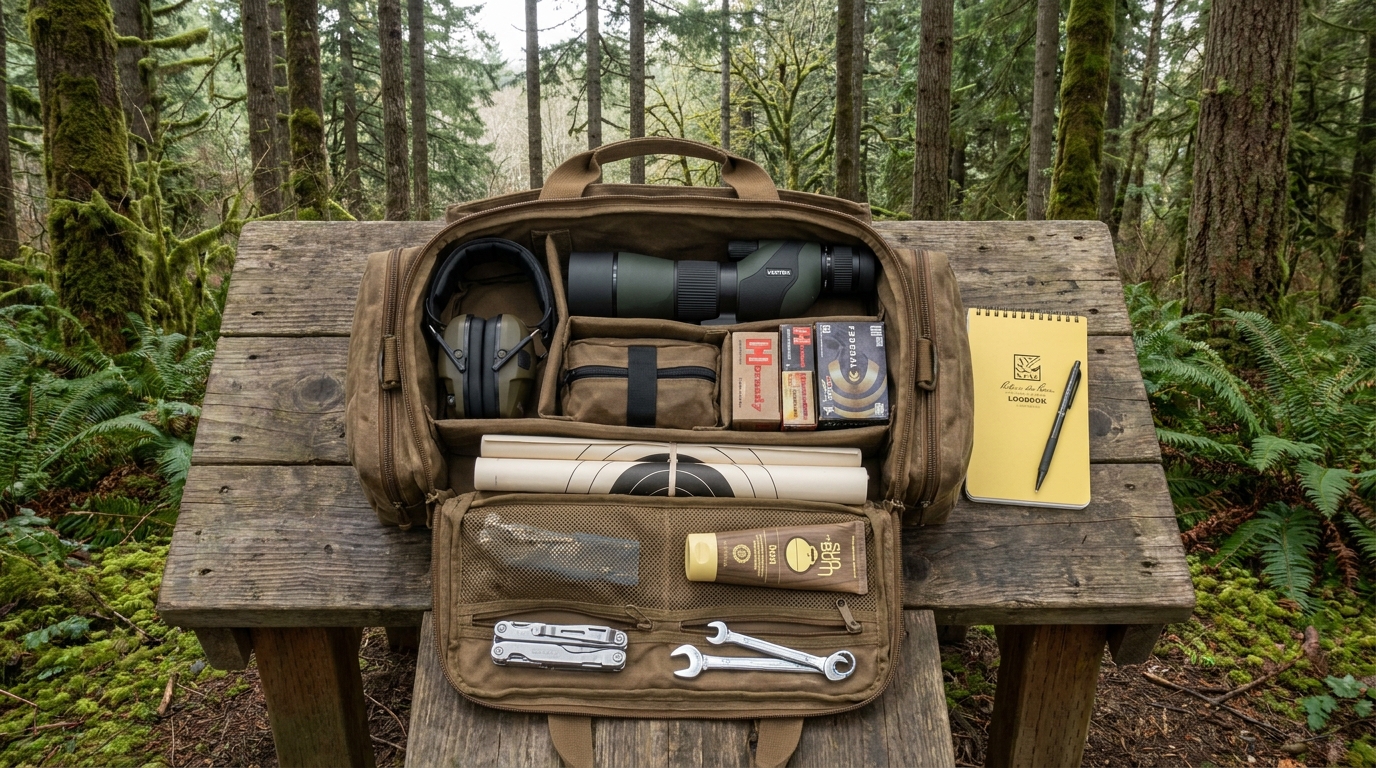
Email the match director before your first event—NRL Hunter clubs uniformly welcome new shooters, and most will pair you with an experienced squad that will walk you through stage procedures. Bring enough ammunition for 80 to 100 rounds, your standard hunting rifle setup, a shooting bag, and a tripod if you own one. A clip-on ballistic data card or a simple DOPE book is more useful under time pressure than a phone app.
You will likely finish near the bottom of the standings your first match, and that is exactly where you should be. NRL Hunter is a skills accelerator. By your third or fourth match, you will notice changes in how calmly you acquire targets under pressure, how automatically you read wind, and how confidently you shoot from improvised positions. And when elk season opens, every one of those hard-won skills goes in the pack with you.