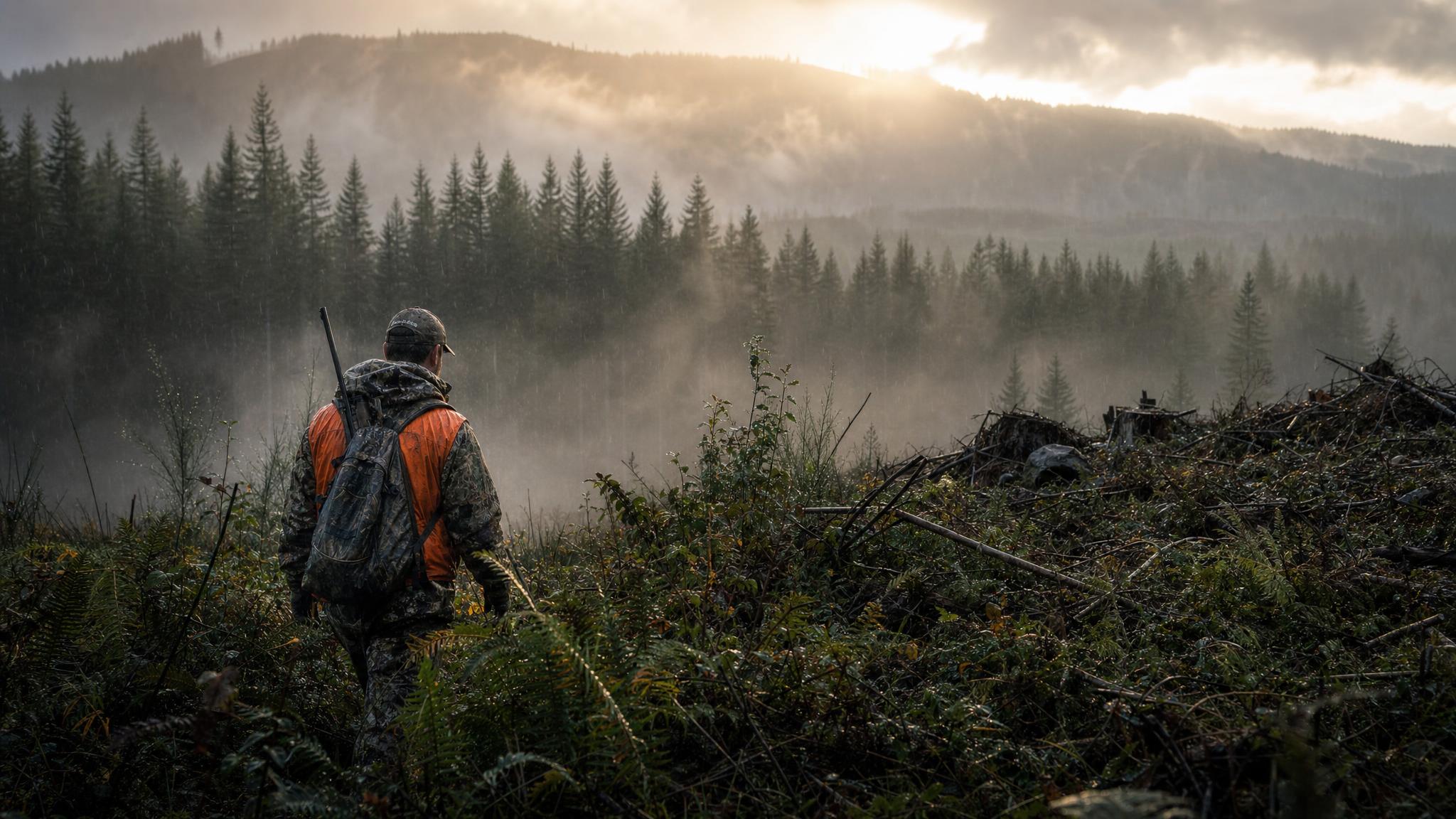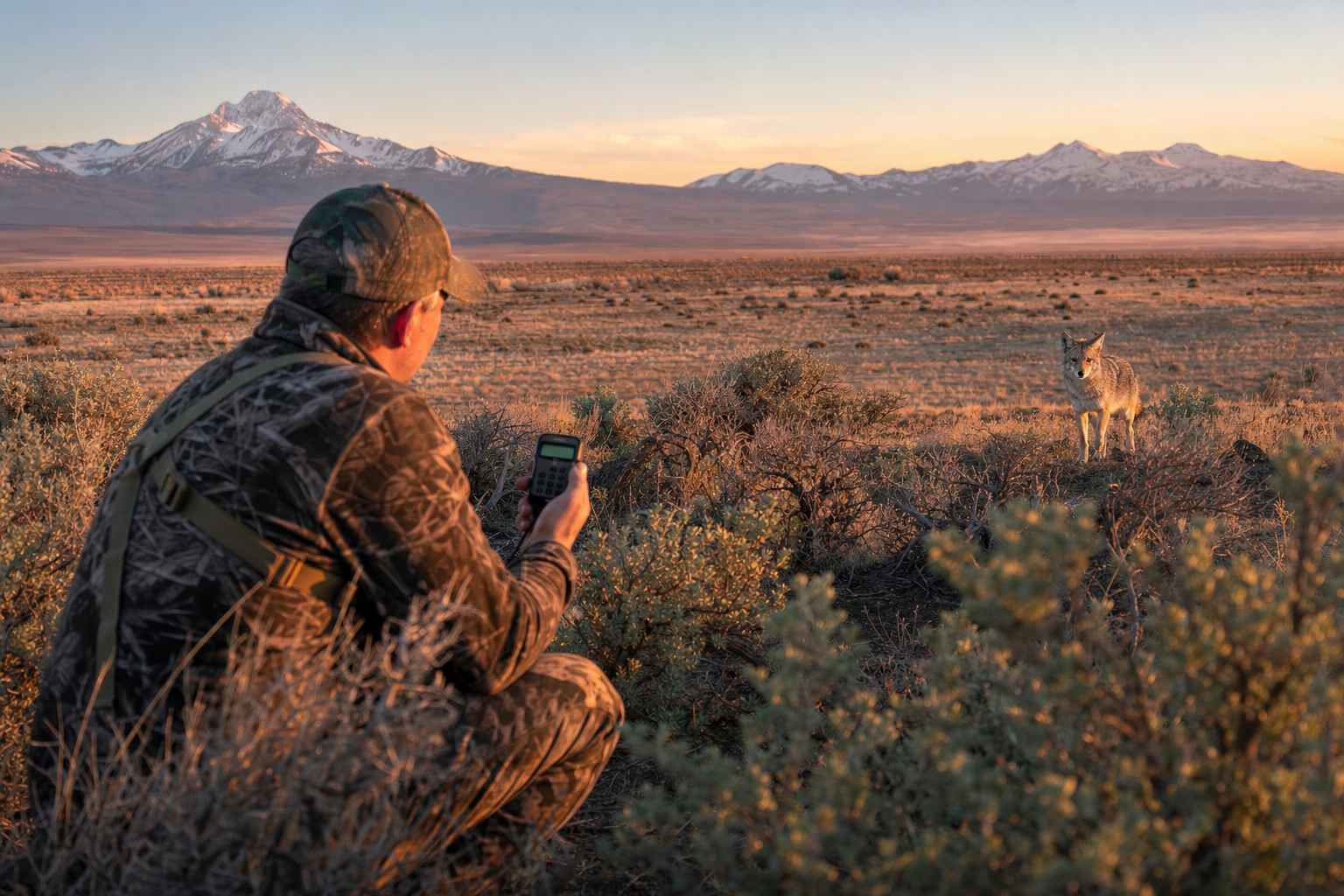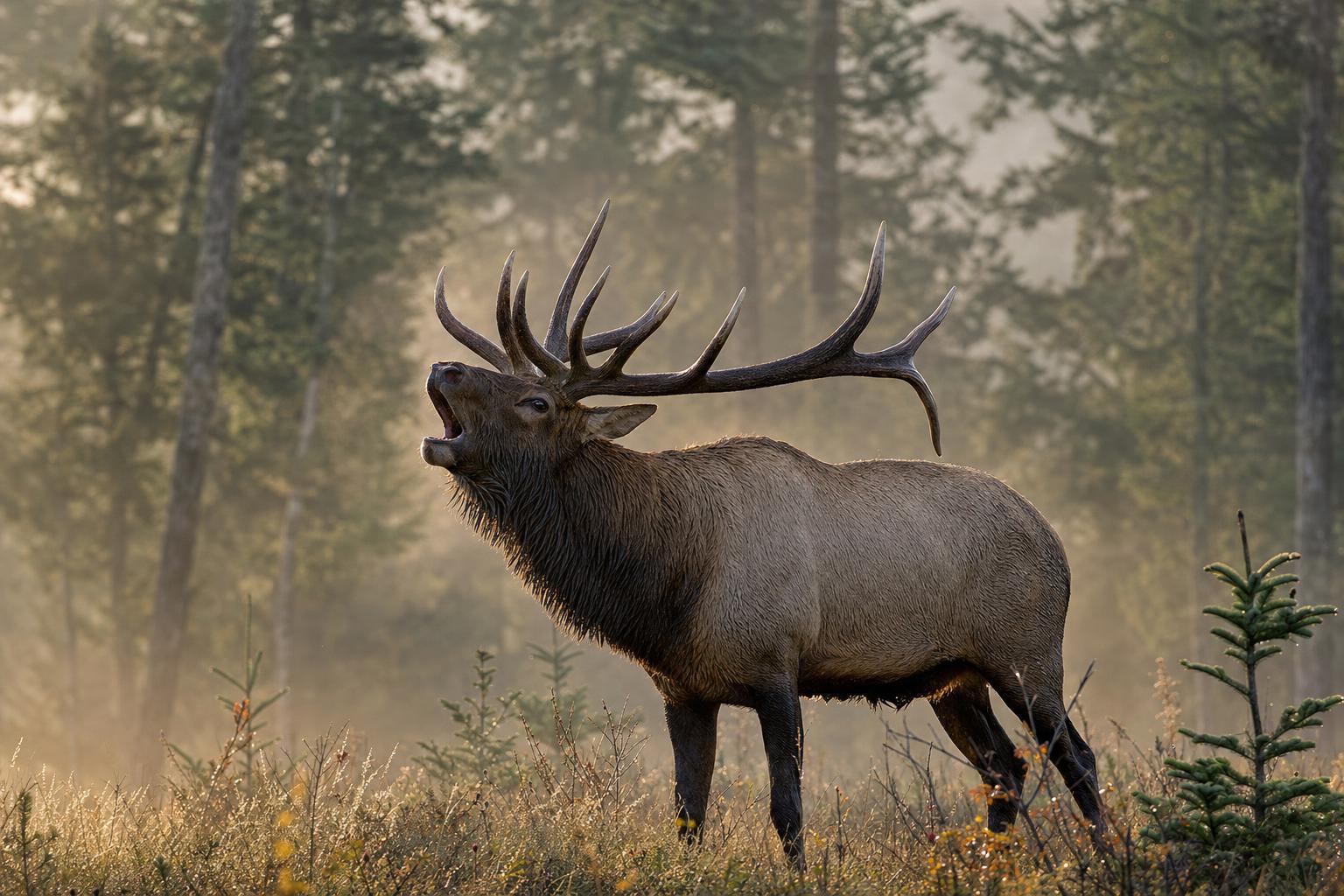
The 2026 Oregon Department of Fish and Wildlife big game draw results have been posted, and the annual ritual is underway: some hunters are celebrating a coveted tag, some are quietly doing the math on bonus points, and a few are scrambling to figure out a unit they've never hunted before. No matter which camp you're in, the next 6–10 weeks before most archery seasons open are genuinely the most important preparation window of the year. Here's how to use them.
First Priority: Understand Your Unit
Before you spend a dollar on gear or burn a weekend in the field, spend a few hours on your unit. Pull up the ODFW Big Game Reports for your species — these are published annually and contain harvest data by unit going back years. Look at success rates, herd management objectives, bull-to-cow or buck-to-doe ratios, and any population trend notes. This tells you whether you're hunting a productive unit that's being managed for quality, or a struggling one where expectations should be calibrated accordingly.
Cross-reference your unit on OnX Hunt or Gaia GPS. Mark the unit boundaries, identify public land blocks, trailheads, water sources, and any travel corridors that jump out on the topo. You're building a mental model before you ever set foot on the ground.
Digital Scouting: Do It Now
Mid-summer is the best time of year for digital scouting because snow is off the high country, satellite imagery is recent, and you can see exactly what the terrain looks like. Use the following tools:
- OnX Hunt or BaseMap: Layer in land ownership, roads, and terrain. Identify drainage heads, saddles, wallows, and park areas where elk or deer are likely to stage.
- Google Earth historical imagery: Switch to late summer imagery from previous years and look for open parks, feeding areas, and mineral lick disturbances (bare dirt in forested terrain).
- ODFW harvest maps: Check the elk or deer harvest location maps in the Big Game Report. They won't tell you exactly where animals are, but they confirm which drainages produce consistently.
- iNaturalist and AllTrails: Check recent observations in your unit. Other users' photos and trip reports will confirm animal presence and help you understand access conditions.
Boot Time: The July and Early August Window
For most Oregon deer and elk seasons — archery deer opens August 22, archery elk opens August 30 in most units — the July through mid-August window is your scouting season. Animals are in summer patterns: elk are in the high country feeding on green grass and forbs, deer are bedding in thermal cover during the day and feeding on north-facing slopes in the evenings. The patterns you establish now will shift at the opener, but the home range information you gather is invaluable.
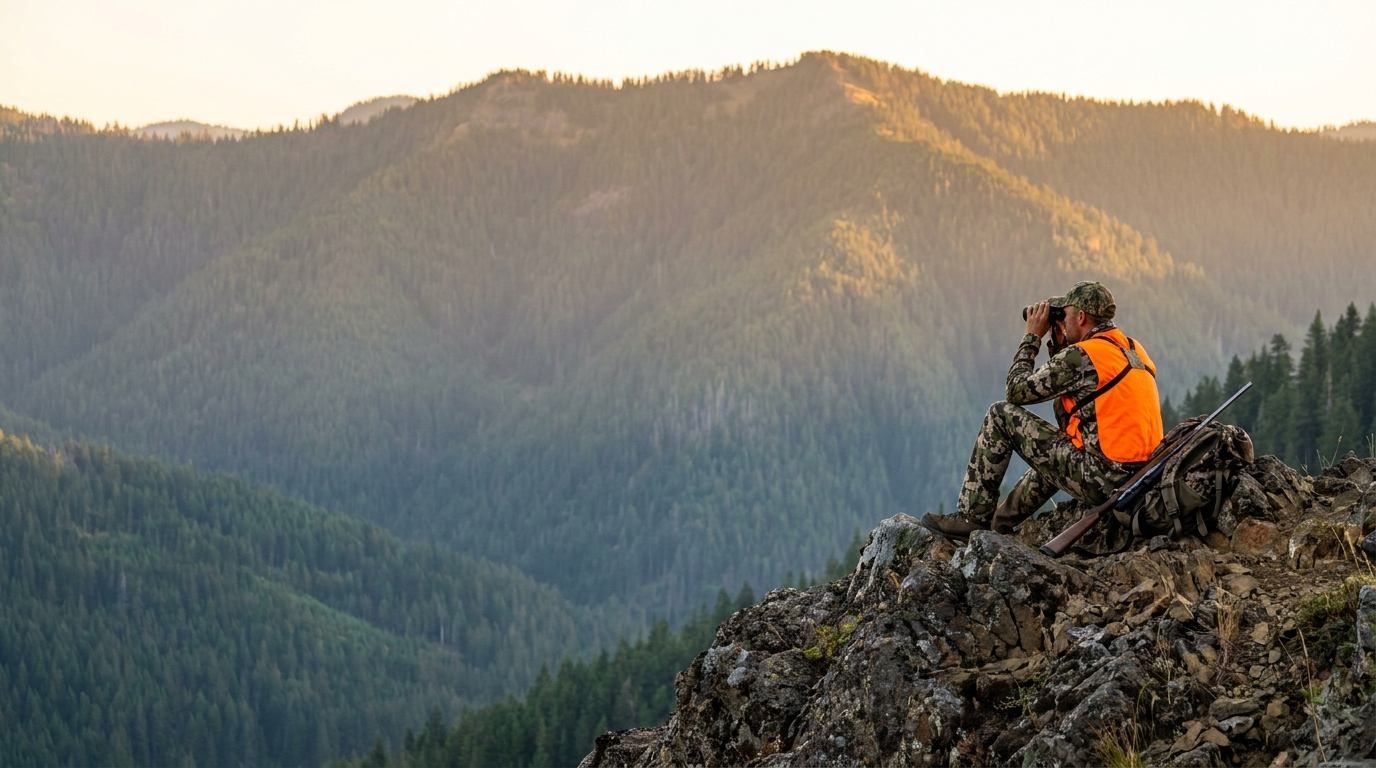
For elk, focus your glass time from ridgelines at first and last light. In most eastern Oregon units, elk are predictably visible in open parks in July. Note where bulls are summering — they won't be there in September during the rut, but understanding their home range helps you predict travel routes to wallow areas and breeding grounds.
For deer — particularly mule deer in eastern Oregon — spend time glassing south-facing rims and rocky points at first light. Bucks in velvet will be on north-facing slopes by mid-morning, bedding in the brush. Mark every buck you see with a waypoint and return to confirm pattern.
Trail Cameras: Get Them Out
If your unit allows it (check ODFW regulations — bait and electronic lures are restricted for some species), trail cameras deployed now at water sources, wallows, and mineral licks give you a month-plus of data before your season opens. For elk, any wallow showing use in July is almost certain to see rut activity in September if archery elk is your tag. For deer, water sources in dry eastern Oregon units are the most consistent producers — every deer in the area will hit water predictably in summer heat.
Run cellular cameras if possible — they let you monitor without making repeated trips that could disturb animals before your season. SpyPoint, Stealth Cam, and Tactacam all have solid options with Oregon cellular coverage in most popular hunting areas.
Gear Check: Do It Before August
August is not the time to discover your pack frame is cracked, your boots are delaminating, or your rifle needs a scope adjustment after a winter in the safe. Run through your gear list now:
- Shoot your bow or rifle — confirm zero, check for any issues
- Break in new boots on actual terrain
- Load your pack with field weight and hike — find the hot spots and adjust
- Replace batteries in all electronics, including rangefinder and GPS
- Check your first aid kit, especially any medications with expiration dates
If You Drew a Tag You Didn't Expect
Sometimes hunters draw tags in units they put in as secondary choices or applied for on a whim during a point-burning year. If that's you — congratulations, and don't panic. Oregon's hunting community is generally generous with unit-specific knowledge. Post in the Oregon Hunting Forums (on OregonHunters.com or the ODFW community page), reach out to local sporting goods stores in the nearest town to your unit (many have staff who hunt that ground), and consider a one-day consultation with a licensed Oregon hunting guide who knows the unit — even if you're doing the hunt DIY, their knowledge of access points, wallow locations, and rut timing patterns is worth the conversation.
Focus on the Process, Not the Outcome
Every tag is an opportunity. Some years the preparation clicks and you fill out; other years you hunt hard and come home empty. What separates consistently successful Oregon big game hunters isn't luck — it's systematic pre-season work, deep unit knowledge built over multiple seasons, and the flexibility to adapt when conditions change. Start that process now, while you have time to do it right.