The airgun market has changed dramatically in the last decade. The old image of a springy, pellet-popping toy has given way to a category of pre-charged pneumatic (PCP) rifles that shoot heavy, high-BC diabolo slugs at velocities that rival rimfire cartridges — with the added benefits of low noise, minimal recoil, and no trip to a powder-and-primer retailer. For Oregon hunters and shooters, a quality PCP represents a legitimate off-season training tool, a capable small game platform, and a practical answer to persistent pest control on ag land and farmsteads.
What Is a PCP Air Rifle?
Unlike spring-piston or CO2 airguns, PCP rifles are powered by a reservoir of compressed air — typically filled to 250–300 bar using a hand pump, a scuba tank adapter, or a dedicated high-pressure compressor. The compressed air is metered by a regulator with each shot, providing consistent muzzle velocity across a full tank. This consistency is what allows PCP rifles to achieve the accuracy that makes them competitive with smallbore firearms.
Modern PCPs come in calibers from .177 up to .50 caliber and larger for big-bore airgun hunting. For Pacific Northwest applications, the sweet spots are .22 and .25 caliber for small game and medium pest control, with .30 and .357 caliber options gaining ground for larger pests and short-range deer hunting in states that allow it (Oregon does not currently allow deer-sized game with airguns).
Oregon Regulations: What's Legal
Oregon law defines airguns and their legal uses carefully. Key points for hunters and shooters:
- Small game: Airguns are legal for taking rabbits, squirrels, and unprotected species (pest birds, starlings, English sparrows, etc.) statewide under general hunting regulations. A valid Oregon hunting license is required.
- Deer, elk, and big game: Oregon does not permit the use of airguns for big game hunting. The minimum energy requirements for big game cannot be met even by the largest legal airguns under current ODFW rules.
- Pest and predator control: Ground squirrels, rats, and invasive species may be taken by landowners or with landowner permission without a license in many circumstances. Confirm with ODFW and county regulations before assuming open season on any species.
- Safe zones: Airguns are subject to the same safe zone of fire rules as firearms in Oregon. They're not firearms in the legal sense, but local and county ordinances may restrict their use within city limits or near structures.
Best Uses for Oregon Hunters
Off-Season Marksmanship Training
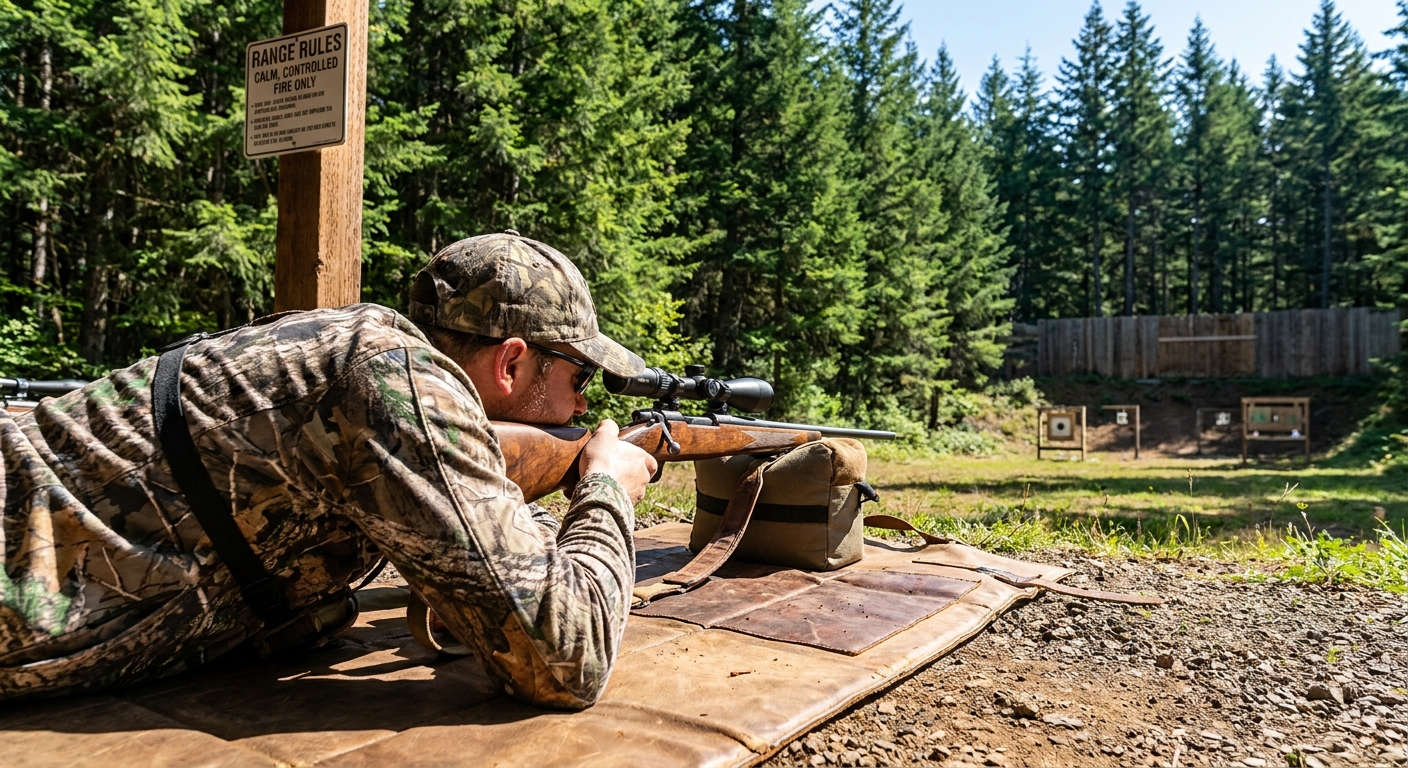
This is where the PCP shines brightest for hunters. A .22 or .25 PCP at 50 yards demands the same fundamentals as a centerfire rifle at 200 — proper breathing, trigger control, position, follow-through. The low cost per shot (pellets run pennies each), minimal noise, and ability to shoot in a backyard (where local ordinances allow) makes it possible to put in five times as many trigger pulls between hunting seasons as you could afford with centerfire ammo.
Airgun precision benchrest competition has pushed accuracy standards dramatically. Match-grade pellets from H&N, JSB, and Air Arms routinely produce 10-shot groups under half an inch at 50 yards in calibrated rifles. That level of feedback makes you a better shooter across all your platforms.
Eastern Oregon Ground Squirrel Hunting
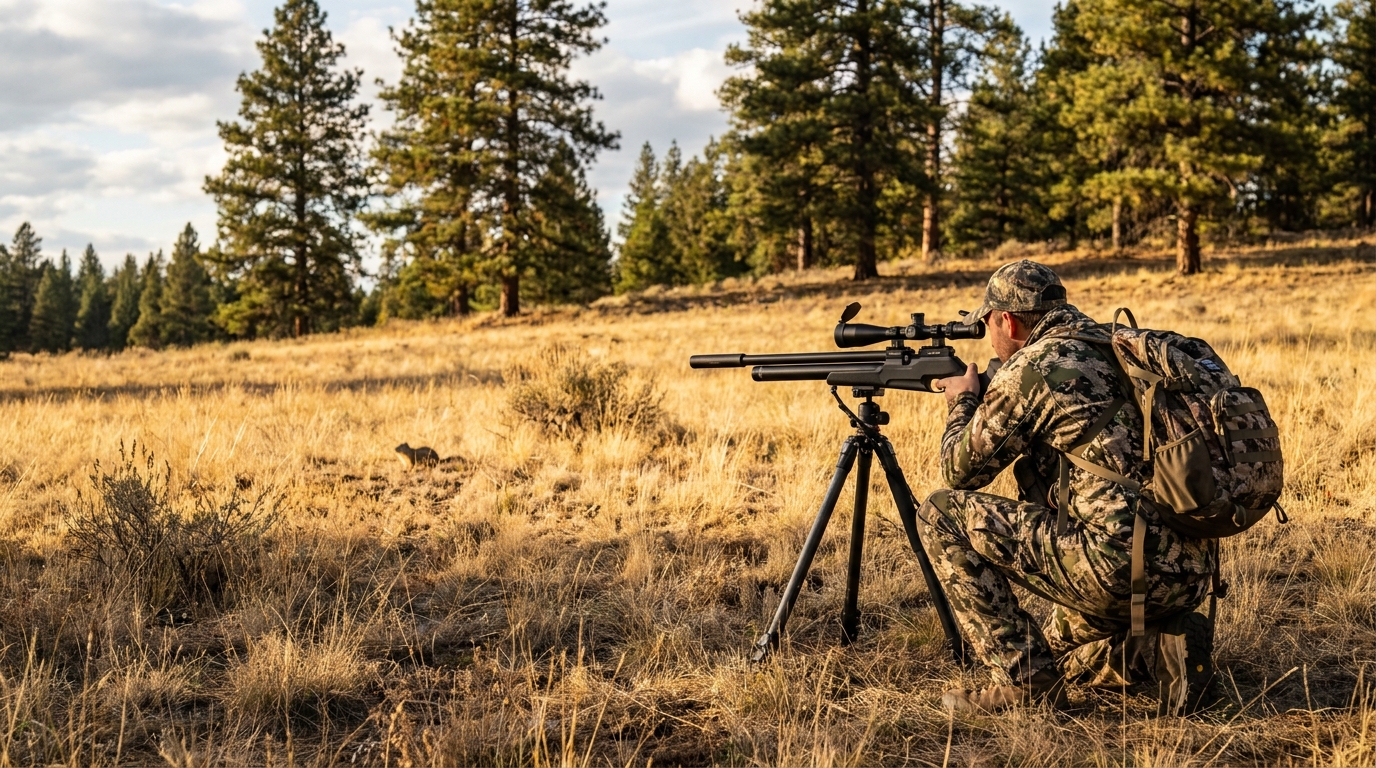
Oregon's Belding's and Richardson's ground squirrels are considered agricultural pests and can be taken year-round on private land with landowner permission. This creates an almost unlimited practice opportunity that's genuinely useful to farmers and ranchers — and genuinely fun for shooters who enjoy precision work at variable ranges from 20 to 100+ yards.
A regulated .25 caliber PCP with a quality scope handles ground squirrels decisively out to 80 yards. Beyond that, a .22 LR becomes more practical, but inside that range, the PCP is quieter, produces no brass, and can be used closer to structures and outbuildings without the report concerns of a rimfire.
Farmstead Pest Control
Starlings, English sparrows, rats, and mice cause significant damage to grain stores, livestock facilities, and infrastructure. A powerful PCP in .22 caliber with a moderator (suppressor regulations apply to airguns in Oregon — check ATF status, though most high-end PCPs are not regulated as suppressors under current law) is a quiet, effective tool inside barns and outbuildings where firearms are completely impractical.
What to Look For in a Hunting PCP
- Regulator: A regulated action provides consistent shot-to-shot velocity. Essential for precision work. Look for regulated guns from Daystate, FX, Air Arms, Hatsan FlashPup, or Benjamin Marauder.
- Caliber: .22 for squirrels and birds. .25 for larger pests and maximum energy at range. .30 if you're targeting racoons, nutria, or larger pests where legal.
- Trigger: A clean, adjustable trigger is essential for precision. Most quality PCPs offer fully adjustable two-stage triggers.
- Fill system: Determine how you'll fill the reservoir. Hand pumps work but are labor-intensive. A 4500 PSI carbon fiber bottle or a dedicated compressor (AV-DCA, Yong Heng) is more practical if you're shooting regularly.
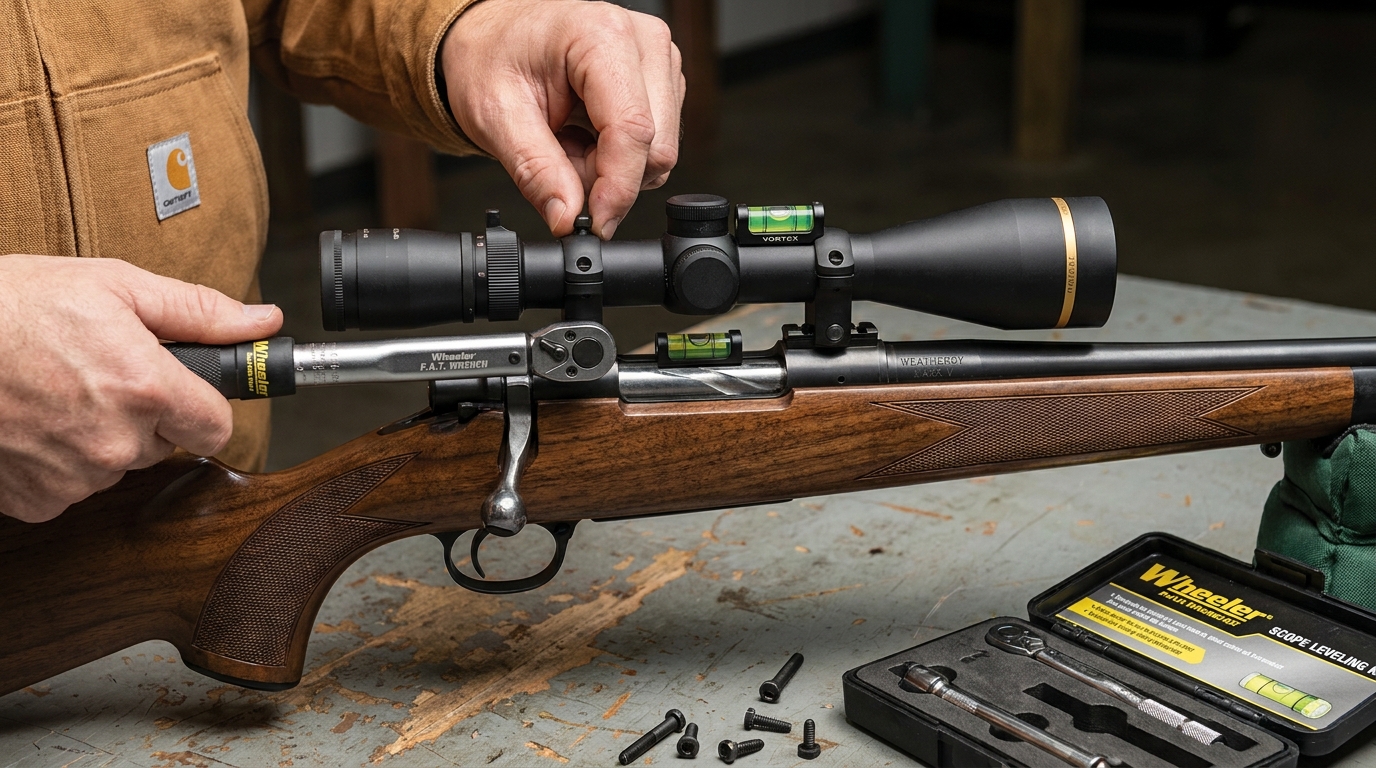
- Optics: Standard rifle scopes work, but side-wheel parallax adjustment and quality glass at lower magnifications (4–16x is plenty) serve airgun shooting well. Airguns have unique recoil characteristics — check that your scope is rated for spring-piston or understand it's a non-issue with PCPs.
Pellets vs. Slugs
Traditional diabolo pellets are the standard for most hunting PCPs. But in recent years, high-power .22 and .25 PCPs shooting cast and swaged airgun slugs at higher velocities have become a serious long-range precision option. Slugs have better ballistic coefficients and retain energy at range better than pellets, but require higher velocity to stabilize and often demand specific barrel twist rates. If you're shooting beyond 75 yards consistently, research slug compatibility for your specific rifle before investing in the learning curve.
Final Thoughts
A PCP air rifle won't replace your elk rifle. But as a year-round companion for skill building, pest control, and small game hunting, it's genuinely addictive and increasingly hard to argue against. The cost of entry has dropped significantly — a capable regulated .22 PCP from Benjamin, Hatsan, or Umarex now starts around $300–400 — and the precision ceiling has gone through the roof on the higher end. Whether you're dropping ground squirrels across a wheat field or drilling dime-sized groups at 50 yards in the backyard, a quality PCP has earned a spot in the Oregon hunter's safe.