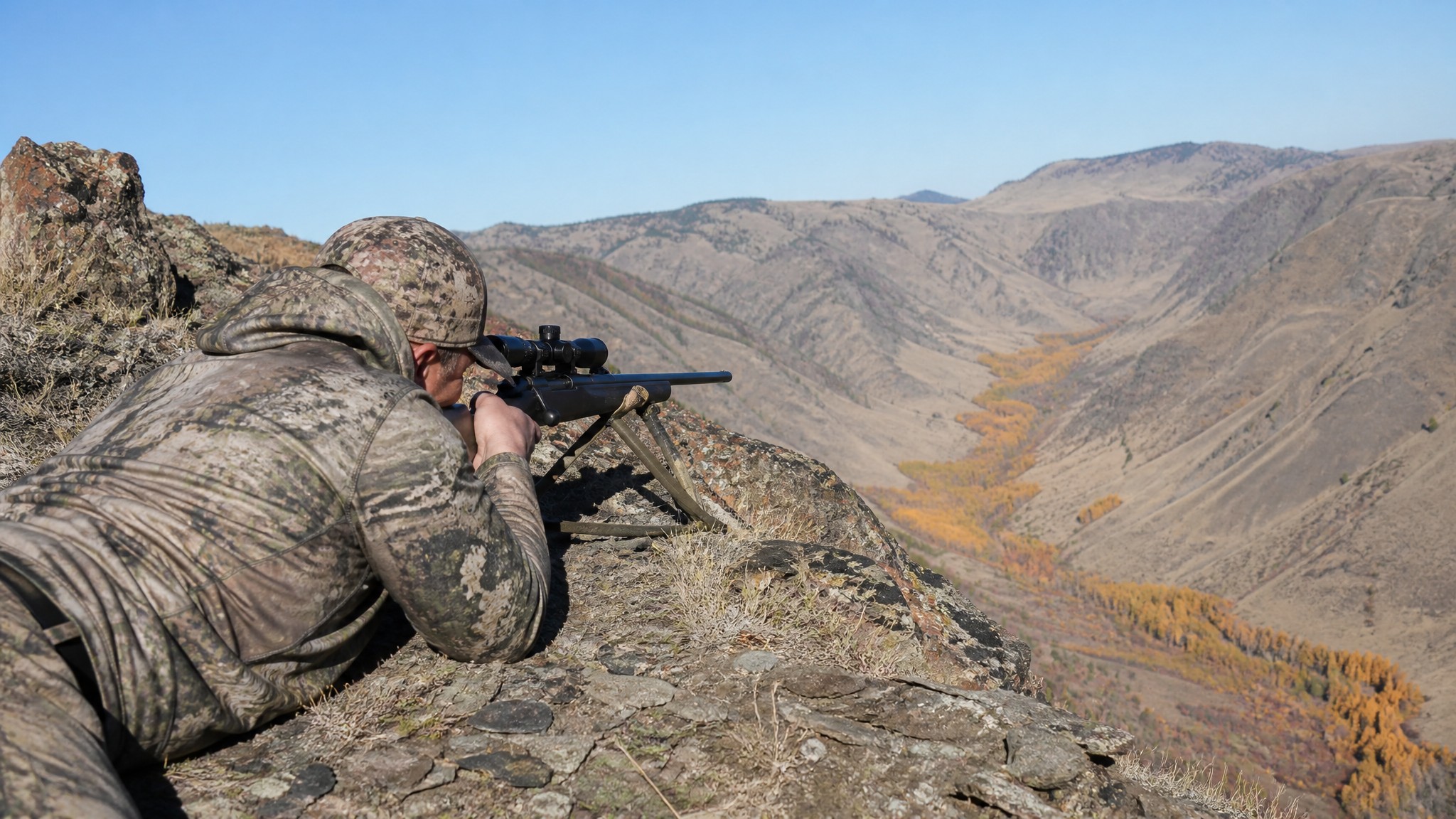
Most hunters shoot their rifles at a bench, from a sandbag rest, at a paper target 100 yards away. Then they go hunting and take a shot from a kneeling position on a steep sidehill, aiming at an elk a hundred yards below them in a draw, with a two-minute time window before the animal disappears into timber. The results are predictable. The gap between bench shooting and field shooting is where most clean misses — and most wounded animals — come from.
Practical marksmanship clinics have exploded in popularity across the Pacific Northwest over the last five years, and for good reason. A single day at a well-run field shooting course will do more for your hunting accuracy than three months of weekend range sessions. Here's what to know before you sign up.
What a Good Hunting Clinic Covers
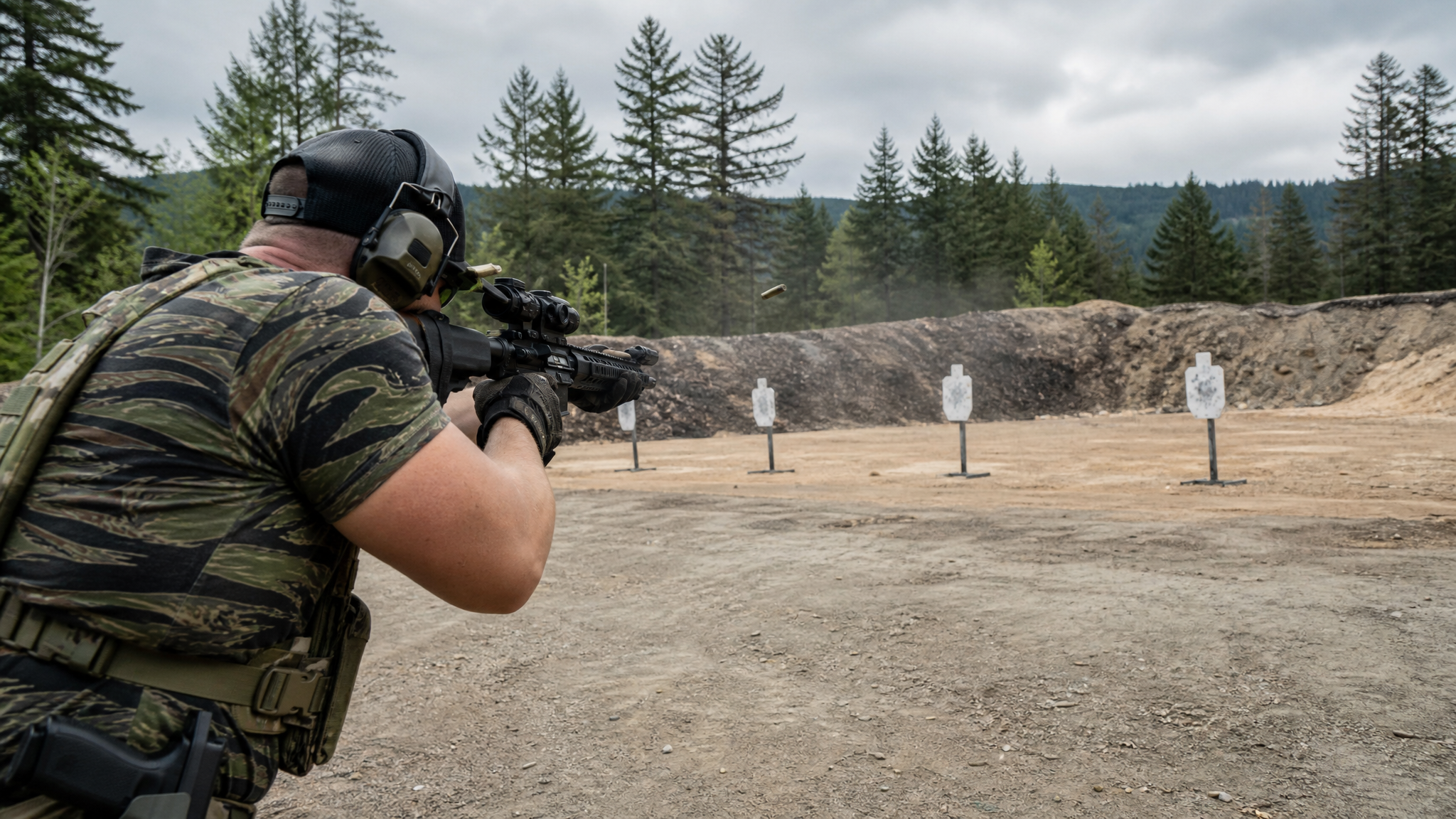
Unlike formal precision rifle competition training, hunting-focused marksmanship clinics are built around the scenarios you actually face in the field. Expect to cover:
- Field positions: Prone, sitting, kneeling, squatting, and supported offhand — all without a bench in sight
- Positional aids: How to use shooting sticks, a pack, a bipod, natural rests like rocks and logs, and trekking poles effectively
- Unknown distance: Ranging with a rangefinder and making elevation corrections without a data book in your hand
- Cold bore shots: Simulated first-shot scenarios, because hunting is almost always one shot with no warm-up
- Shooting uphill and downhill: The Rifleman's Rule applied in real terrain with real angle cosines
- Wind: Basic field wind reading using grass, heat mirage, and vegetation
- Time pressure: Drills that force you to get stable and make the shot in 30 seconds — because elk don't wait
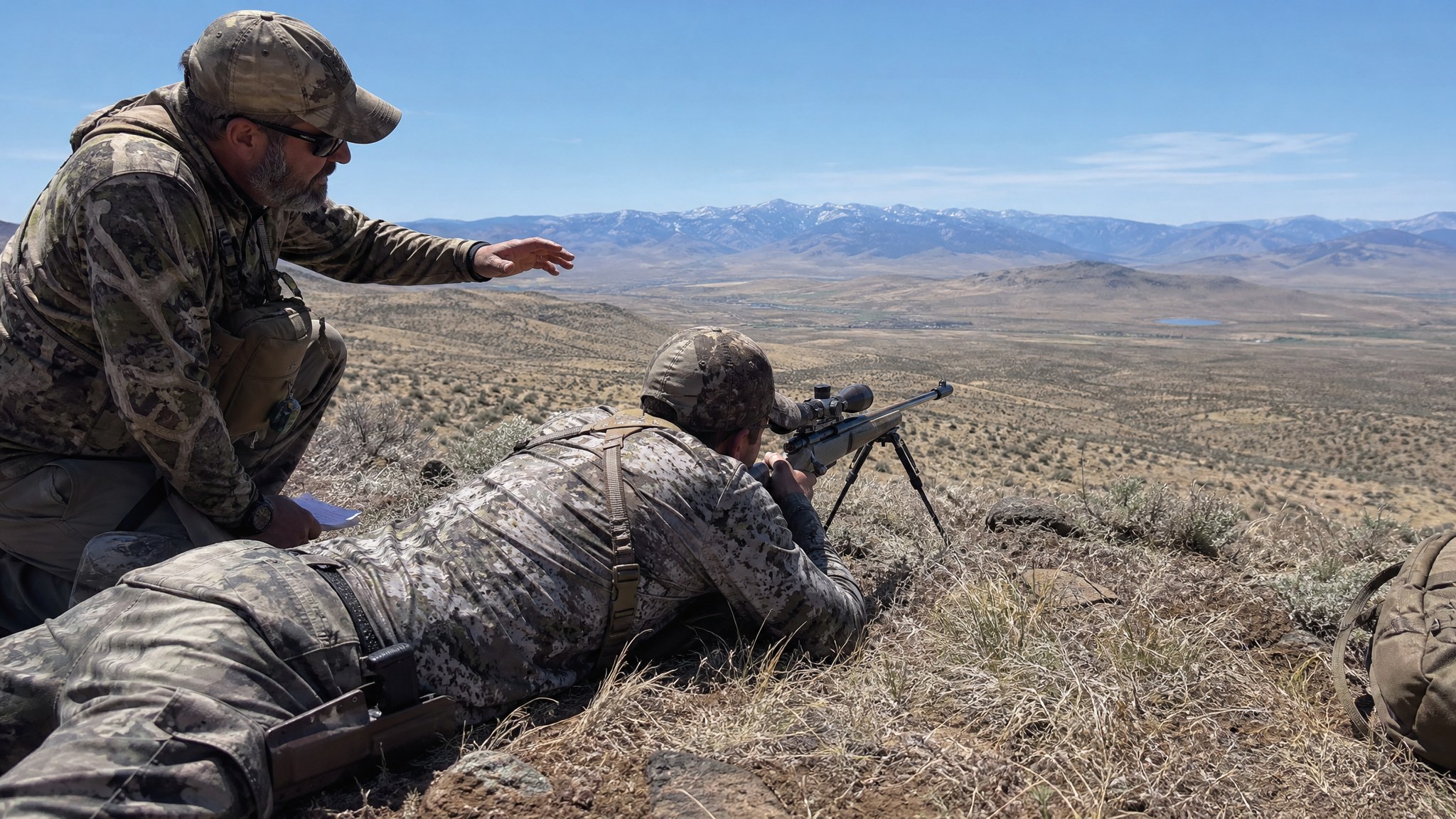
The best clinics put students through a field exercise at the end of the day: unknown distance, field position, simulated hunting scenario, one shot. Watching hunters who've spent the day working positions take that final shot is where the learning really crystallizes.
Who Should Attend
Hunting marksmanship clinics are appropriate for almost any experience level. New hunters who've completed their hunter education and put in range time but never practiced field positions will get an enormous benefit. Experienced hunters who know they leave opportunities on the table because of marginal shooting ability will get just as much out of a well-run course. Even hunters who consider themselves competent shots frequently discover significant positional gaps — particularly with steep-angle shots and time-pressured scenarios.
If you've ever flinched a shot on a deer, pulled one on a running animal, or passed up an ethical shot opportunity because you weren't confident at the range, a clinic is for you.
Where to Find Courses in the Pacific Northwest
Firearms Academies and Training Centers
Several established training academies in Oregon and Washington offer hunting-focused rifle courses during the summer months. Look for instructors with backgrounds in competitive long-range shooting, military or law enforcement precision rifle work, or high-volume western big game guiding — these backgrounds translate directly to the field.
- Cascade Range Tactical (Oregon): Offers multi-day precision rifle courses with hunting scenarios integrated into the curriculum
- Firearms Academy of Seattle (Redmond, WA): One of the most established training facilities in the Pacific Northwest, with a variety of rifle and practical shooting courses
- Oregon Firearms Federation–affiliated clubs: Many offer member events and one-day shooting clinics through affiliated ranges
Hunting Outfitters and Guides
A growing number of Oregon hunting outfitters have added pre-hunt shooting clinics to their services, particularly outfitters that specialize in elk, mule deer, and pronghorn in open country. If you've booked a guided hunt, ask whether they offer a shooting assessment or pre-season clinic. Several Blue Mountains and Eastern Oregon outfitters now require clients to demonstrate field shooting proficiency before the hunt — a trend that benefits everyone.
Club and Association Events
The Oregon Hunters Association and local sportsmen's clubs periodically host one-day marksmanship events, particularly in the weeks leading up to August and September season openers. These are typically lower-cost than formal academy courses and run by experienced volunteer instructors. Watch the OHA website and local Facebook hunting groups for announcements in July and August.
What to Bring
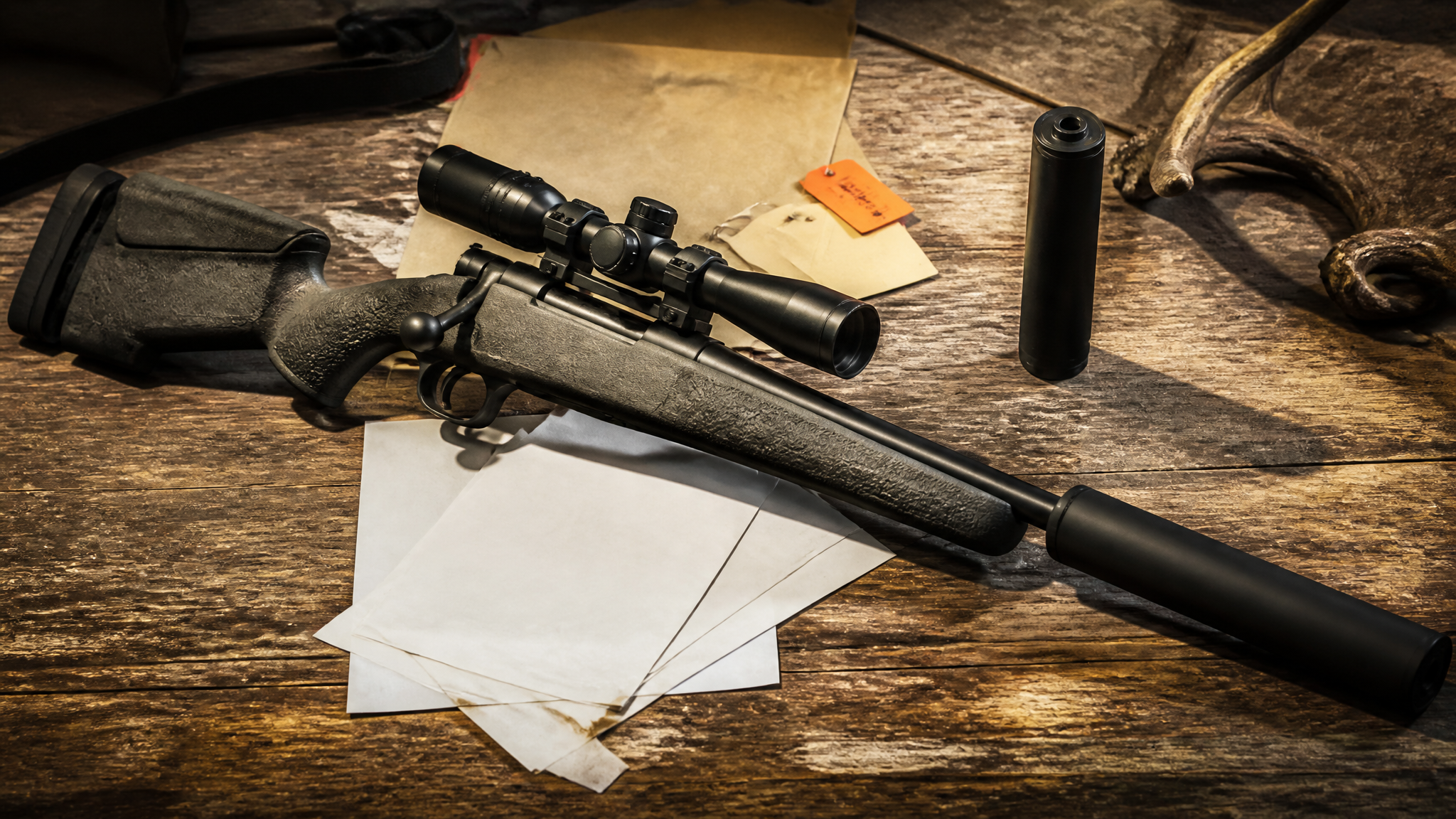
Show up with your actual hunting rifle and hunting ammunition. Not your range gun. Not the rifle you shoot more comfortably. The gun you're going to carry into the field. Bring:
- 200–300 rounds of your hunting load or a comparable practice load
- Your rangefinder
- Your hunting pack — filled and worn, so you can practice using it as a rest
- Shooting sticks or a bipod if you carry one
- Ear and eye protection
- Kneepads (optional but appreciated after the third hour)
- Water and food — good courses run full days
Leave the benchrest at home. If the instructor has to tell you to get off the bench, you've already missed the point.
Managing Expectations
One day won't turn a marginal shooter into a precision marksman. What it will do is identify your specific weaknesses, give you drills to address them, and rebuild your confidence around a set of practical field positions that you've actually shot under pressure. Most hunters leave these courses with a clearer picture of their maximum ethical shooting distance — which is worth more than any gear upgrade.
After a clinic, most hunters immediately identify two things: the position they need to practice at home (usually sitting and kneeling), and the distance past which they shouldn't be taking field shots with their current ability. Both of those realizations directly translate to more clean kills and fewer wounded animals in the field.
Sign up now. Most summer courses fill in June and July. With Oregon archery elk opening in days and general rifle seasons opening in October, there's no better use of an August weekend.