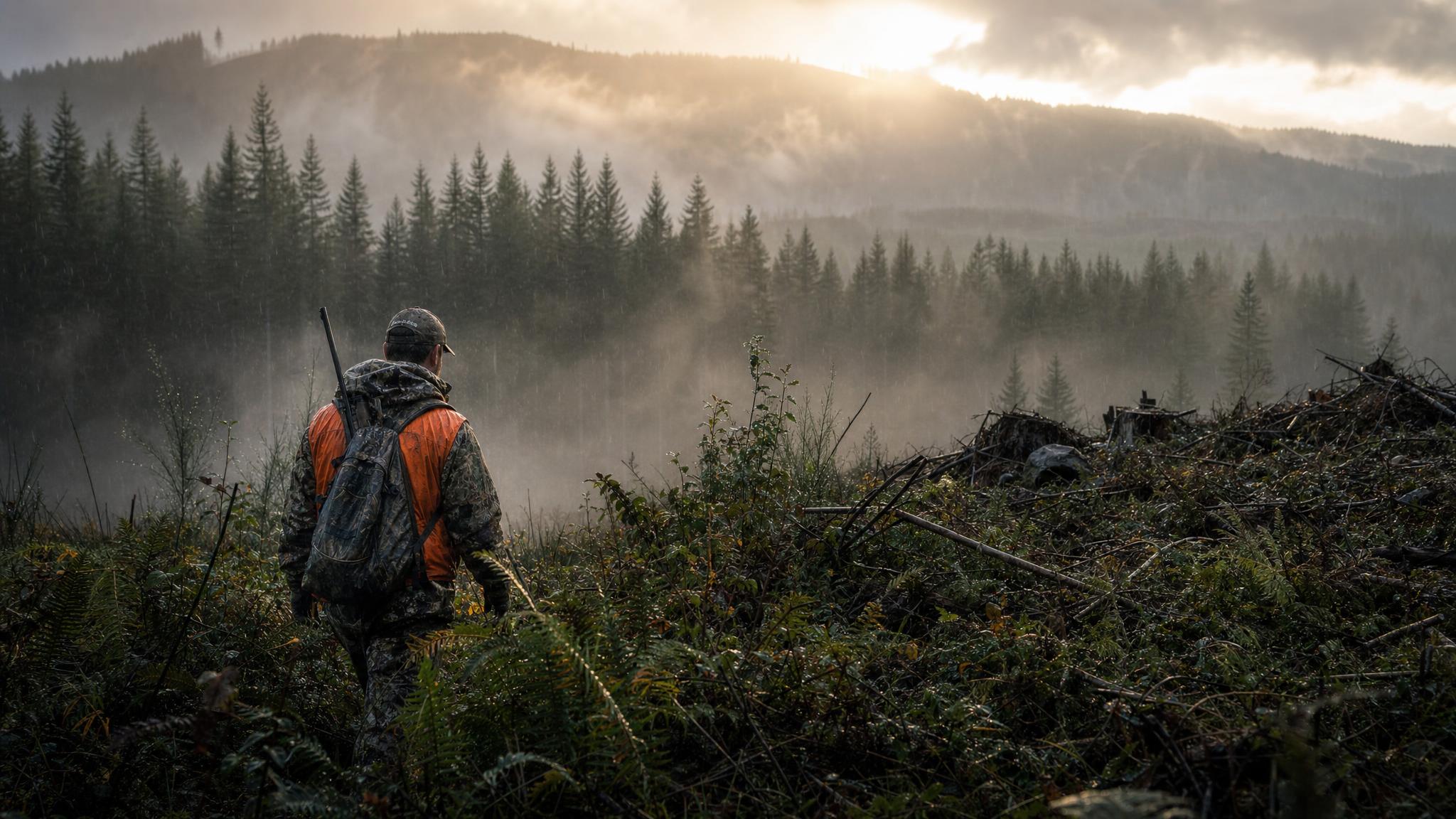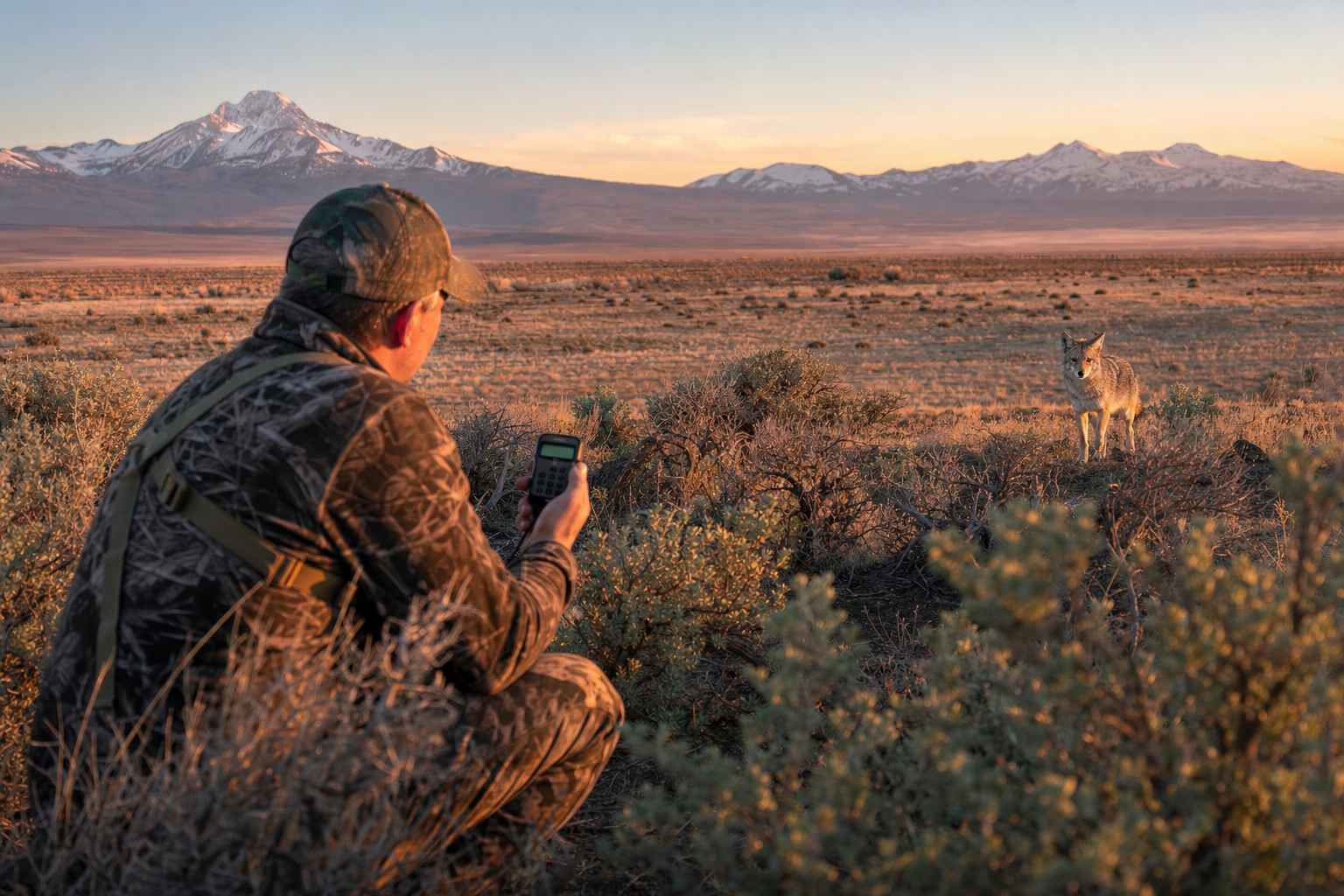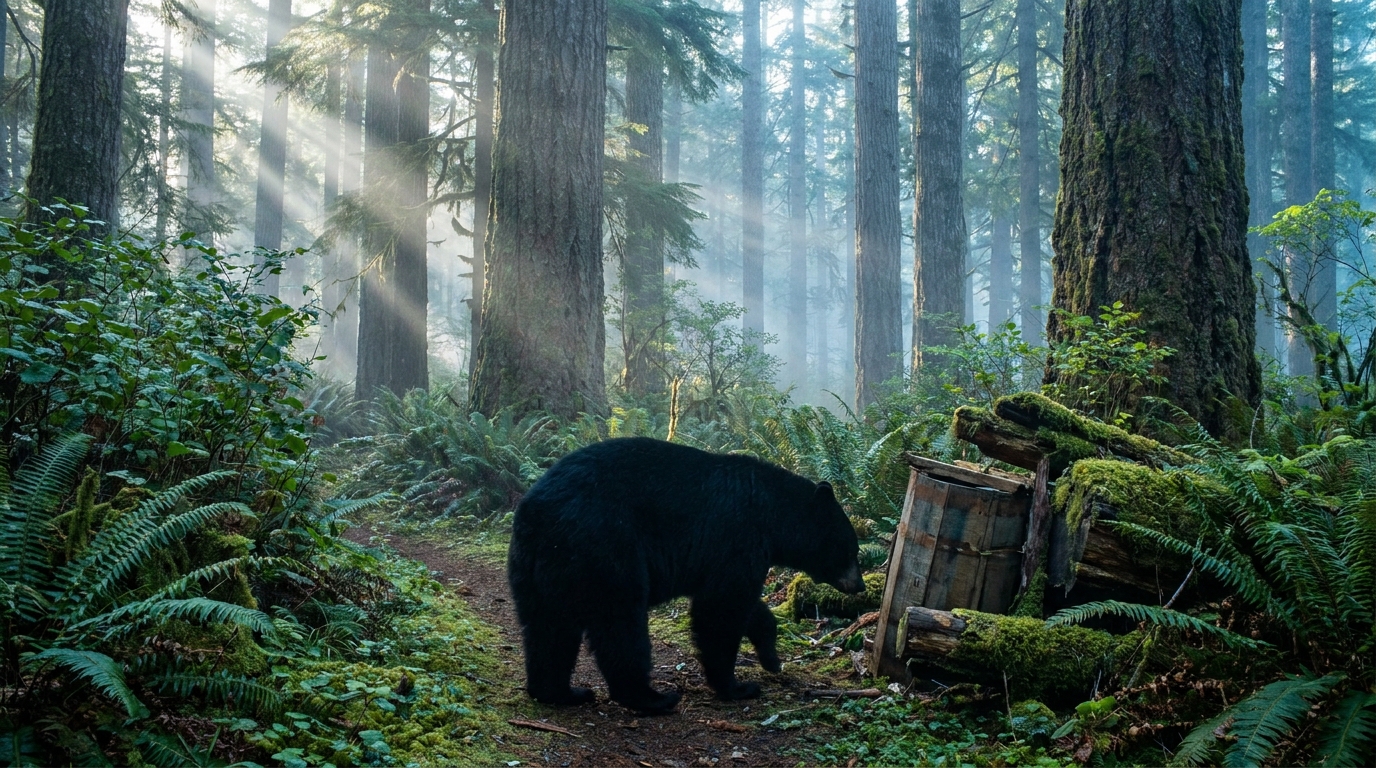
Oregon has a well-established over-bait bear season, and for hunters who put in the pre-season work, it is one of the most productive and underutilized opportunities in the state. Western Oregon's Cascade Range and Coast Range units hold healthy black bear populations, and the combination of liberal bait regulations and generous bag limits makes this a viable strategy for anyone willing to do the legwork before the season opens.
Oregon's general bear season typically runs from August through October, though the spring season in April and May also allows bait hunting. Both OTC tags and controlled tags apply depending on the unit. Always consult the current ODFW regulations booklet before setting up any bait station, as rules vary by zone and change periodically. Baiting is legal statewide in Oregon with some unit-specific exceptions, so verify before you invest time in a location.
Choosing Your Location
Bear bait sites succeed or fail based on location. Bears are cover-dependent animals that prefer to approach food sources under canopy. Look for:
- Active sign — Fresh tracks, scat, claw marks on trees, or hair caught in bark are indicators that bears are working the area. Preseason scouting in late June and July lets you identify active travel corridors before baiting begins.
- Transition zones — The edge where dense timber meets a logged unit, alder bottom, or clearcut is prime real estate. Bears like to use that thick stuff as a staging area before committing to a bait.
- Water proximity — Bait sites within a few hundred yards of a water source tend to see more consistent activity. Bears, especially boars in summer heat, will water after feeding.
- Wind thermals — Set your bait downwind of where bears naturally travel and plan your stand or blind placement so you can approach without contaminating the site with human scent. Western Oregon's afternoon upslope thermals matter.
Legal Bait Setup in Oregon
Oregon regulations require that bait containers be clearly labeled with the hunter's name, address, and hunting license number. A durable, waterproof tag attached directly to the barrel or log is the standard approach. The bait itself must not create a public nuisance or be placed in a manner that attracts bears onto roads or near developed areas.
The most effective bait setups use a combination of attractants:
- Primary bait — Fryer grease, bacon grease, or rendered lard poured into a cavity log or on a stump creates an overwhelming scent column. Commercial bear attractant pastes and gels work well and are available at most sporting goods stores in Oregon.
- Dry bait — Pastries, dog food, bread, and fruit scraps in a five-gallon bucket or log cavity keep bears returning. Many hunters use a heavy-duty plastic barrel with a hole cut in the side to slow consumption and prevent raccoons and smaller animals from cleaning it out overnight.
- Scent wicks — Hang scent-soaked rags or commercial wicks on branches 20 to 30 feet upwind of the bait. Bears will smell these from hundreds of yards and follow them in, often giving you approaching-bear warning before they reach the bait.
Timing and Frequency
Begin baiting two to four weeks before the season opener for best results. Bears pattern quickly once they find a consistent food source, and a well-established site will have bears on a near-nightly schedule by opening day. Refresh the bait every three to five days — more frequently in hot weather when grease goes rancid fast. Use trail cameras to inventory what is hitting the bait and when. This data tells you everything: the size of bears visiting, the dominant timing window, and whether you have a boar or sow (sows with cubs are typically not legal to take in Oregon — verify current regulations).
Stand Placement and Shot Preparation
Bears over bait are typically shot at close range — often 15 to 40 yards. This is an ethical hunting method that allows for careful shot selection and an opportunity to assess the animal before squeezing the trigger. A tree stand or ground blind positioned 20 to 30 yards off the bait with a clear shooting lane is the standard. If rifle hunting, a .30 caliber or larger is appropriate. A heavy 180-grain .308 Win or 200-grain .300 Win Mag is effective. Shot placement on a bear at close range should be shoulder or behind-the-shoulder for clean kills — bears are tough animals and a poorly placed shot on a 300-pound boar in thick timber can end badly.
For bowhunters, bait stations offer excellent shot opportunity at ethical archery distances. Use a lighted nock and a fixed-blade broadhead of at least 100 grains. Wait for a perfectly broadside or slight quartering-away presentation before drawing.
Pack-Out and Processing
Bears killed in western Oregon's timber units require real pack-out planning. Know your access route before the shot, not after. A 250-pound dressed bear in thick alder on a steep Cascade hillside is one of the harder recovery jobs in North American hunting. Bring a game cart or pack frame, sharp knives, and game bags. The hide and meat both have value — do not waste either. Black bear meat is excellent table fare when handled correctly and cooled quickly.
Baiting is not a shortcut to a bear — it is a method that demands consistent effort, good scouting, and careful stand management. Hunters who put in the work build a compelling story before the season even opens. That is what the best bear hunters in Oregon's timber country have always understood.