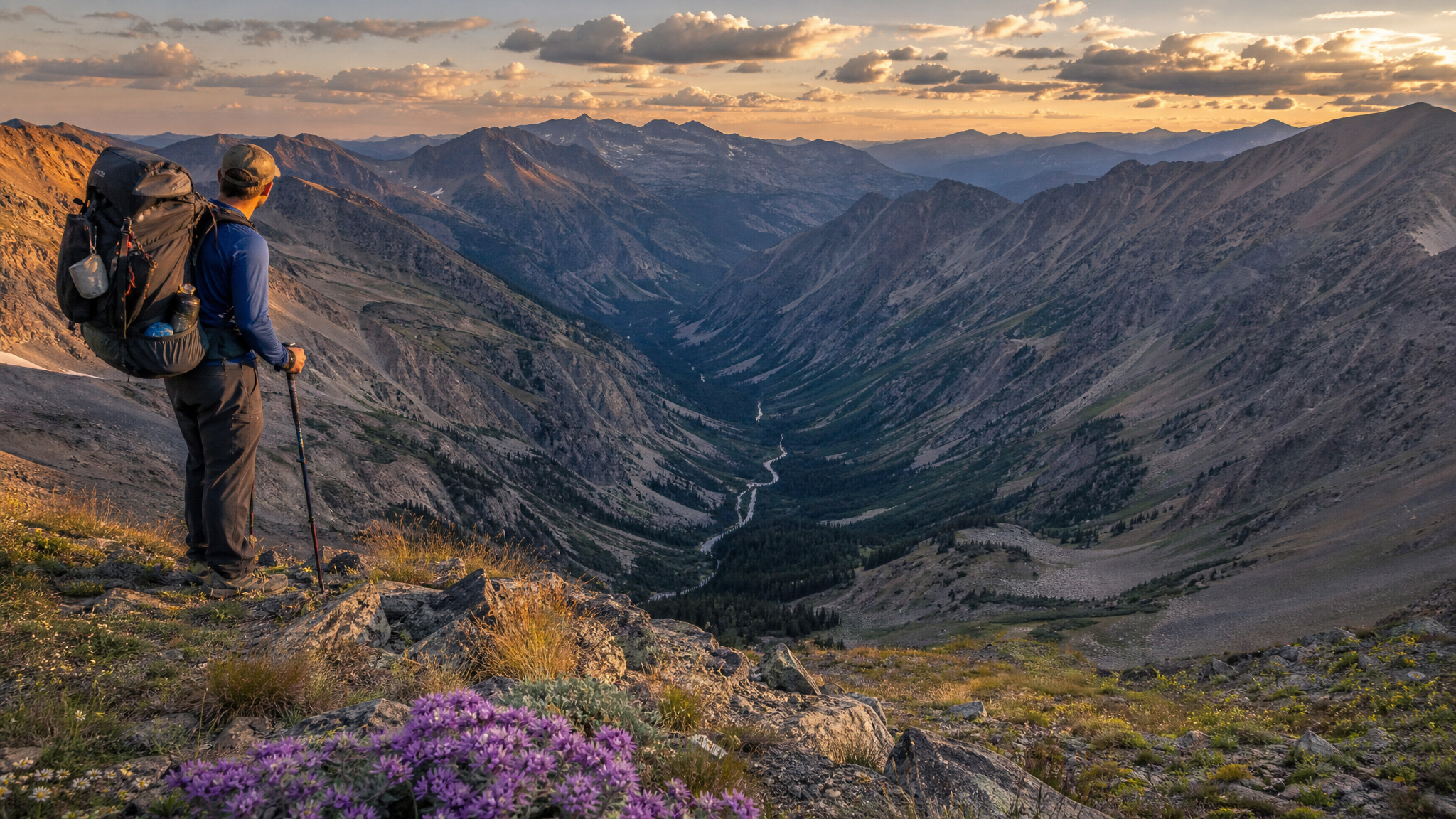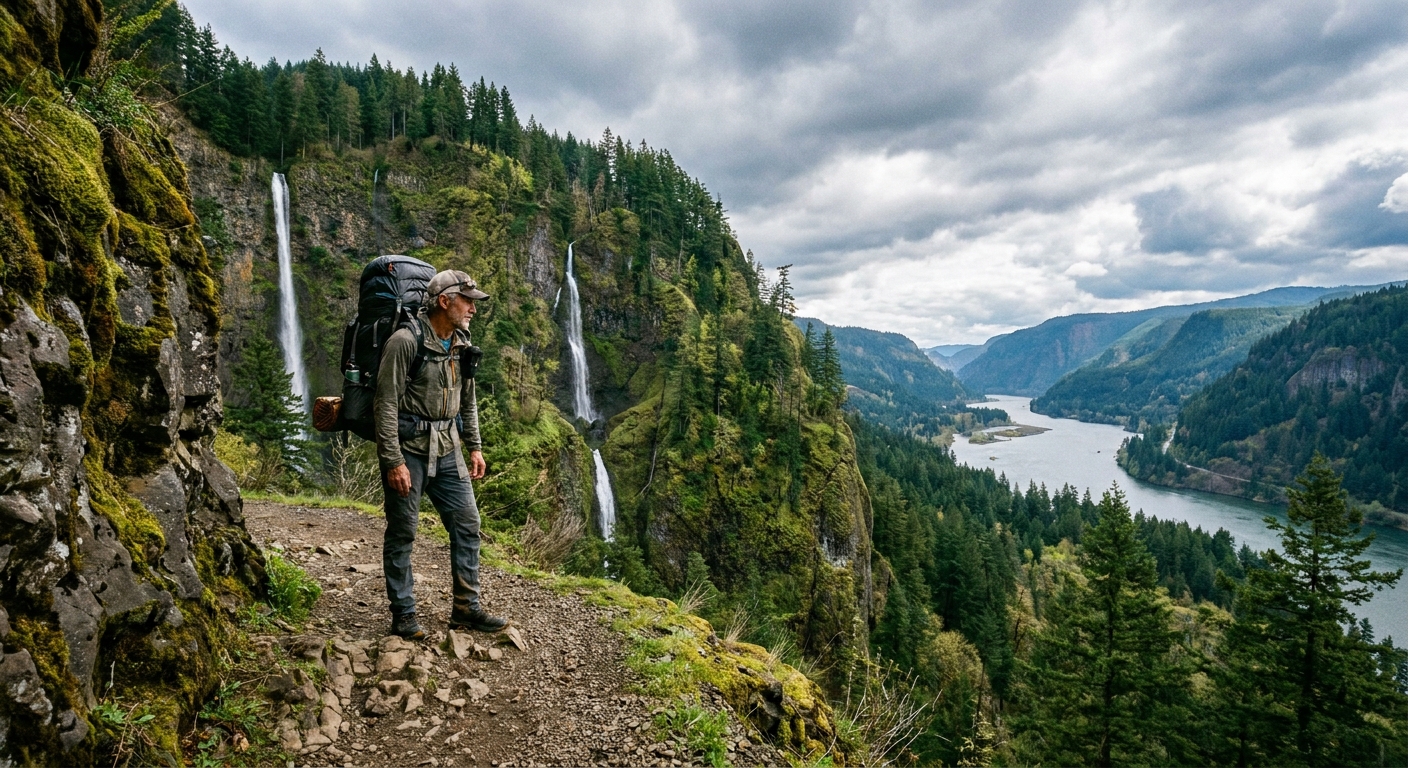
The Columbia River Gorge is one of the few places in the world where a temperate rainforest and high desert exist within sight of each other, separated by a river of continental scale. For backpackers, it's also one of Oregon's most overlooked multi-day destinations — most people drive through it, but the trail system above the river rewards those willing to strap on a pack and climb above the crowds.
The Columbia River Gorge Trail System
The Oregon side of the Gorge has over 200 miles of trails maintained by the Columbia River Gorge National Scenic Area (NSA), the Forest Service, and Oregon State Parks. The backbone for any multi-day trip is the Gorge Trail 400 — a roughly 35-mile path that runs from Bridal Veil (near the western end of the Scenic Area) east toward Wyeth and beyond. Combined with connecting trails and the Historic Columbia River Highway State Trail, you can stitch together routes that range from a long overnight to a full 4-day traverse.
A word of honest context: the Columbia River Gorge is not wilderness in the traditional sense. Highway I-84 runs through the bottom of the canyon; trailheads can be crowded on weekends; and some stretches of trail pass within earshot of traffic. But get up on the high rim above 1,500 feet, string together the right route, and you'll find genuine solitude, stunning wildflower meadows, and views of the Gorge that are simply unmatched in the Pacific Northwest.
Recommended 3-Day Backpacking Route
Day 1: Latourell Falls to Multnomah Falls (9 miles, ~2,400 ft gain)
Start at Latourell Falls State Park, parking at the lower trailhead off the Historic Columbia River Highway. Climb past the spectacular 249-foot Latourell Falls, then gain the rim trail. You'll pass Shepperd's Dell, Bridal Veil Falls, and Angels Rest before descending to the Multnomah Falls parking area — one of the most visited spots in Oregon, but you'll arrive from above and mostly bypass the crowds. Camp at the established Multnomah Falls campsite (reservation required through recreation.gov).
Day 2: Multnomah Falls to Wahclella Falls Area (12 miles, ~1,800 ft gain)
Climb from Multnomah Lodge up the Larch Mountain Trail to the rim, then swing east along the high route above Oneonta Gorge. This stretch passes Triple Falls and connects to the Horsetail Falls trail system before dropping toward Tanner Creek. Camp at Tanner Creek or the established dispersed sites near Eagle Creek — you'll need an Eagle Creek Recreation Site permit, which must be reserved in advance through recreation.gov (often required seasonally).
Day 3: Eagle Creek to Cascade Locks (7 miles, minimal gain)
The Eagle Creek Trail is one of the most famous trails in the Pacific Northwest and a fitting finale. Walk past Punchbowl Falls, Loowit Falls, and the dizzying cliffside stretch known as the "high bridge" section before descending to the town of Cascade Locks and the Bridge of the Gods. Arrange a shuttle back to your starting trailhead, or use the Columbia Gorge Express bus service that runs seasonally from Portland and various Gorge trailheads.
Permits and Regulations
The Columbia River Gorge National Scenic Area has implemented a permit system for the most heavily used trails on the Oregon side:
- Multnomah Falls area: Day-use parking permit required May–October on weekends and holidays (timed-entry)
- Eagle Creek: Overnight camping requires a permit; check recreation.gov for current availability well in advance
- Campfire restrictions: Campfires are prohibited in the NSA from May through October in many areas; pack a stove and leave the campfire for somewhere else
- Dog restrictions: Dogs are prohibited on several Gorge trails; check the NSA website for the current list before bringing your dog
Water Sources and Filtration
Water is abundant on the west end of the Gorge. Perennial streams cross the trail every 2–4 miles from Latourell east through Eagle Creek. All water should be filtered — heavy day-use means giardia risk is real. A Sawyer Squeeze or similar filter is ideal for this kind of travel where water is frequent. East of Cascade Locks, water becomes less consistent and you should carry more between sources.
What to Pack for June–September Gorge Backpacking
- Rain gear: The western Gorge receives 75+ inches of rain annually. Even in summer, afternoon clouds and drizzle are common. A lightweight hardshell is not optional.
- Sun protection: The eastern Gorge transitions to high desert — once you're past Hood River, sun exposure increases dramatically. Sunscreen and a hat are essential.
- Trekking poles: The steep, rooty, wet terrain on west-end trails is exactly what poles were made for. Your knees will thank you.
- Headnet: Mosquitoes in the riparian zones can be brutal in early summer (June–July), particularly near creek bottoms.
- Bear canister or hang system: Black bears are present throughout the Gorge. Hang food or use a canister and never leave a scented item in your tent.
Trailhead Access and Shuttle Logistics
The Columbia Gorge Express (operated by TriMet) runs seasonally from Gateway Transit Center in Portland to Vista House, Multnomah Falls, and Rooster Rock. This makes a car shuttle for a point-to-point traverse more manageable than on most Oregon backpacking trips — park one car in Cascade Locks, take the bus to your starting trailhead, and walk back east.
For parking, the Historic Columbia River Highway State Trail has trailheads at multiple access points with better availability than the main highway pullouts. Crown Point/Vista House, Bridal Veil, and Angels Rest have the most reliable parking on the west end.
Best Time to Go
The Gorge is hikeable year-round, but the sweet spots for backpacking are late May through June (wildflowers and waterfalls at peak, before summer crowds) and September through October (crowds thin out, colors change on the maple-covered slopes, and temperatures are ideal). July and August bring heat and the heaviest day-use crowds — plan your starts early and book permits early if hiking then.
The Columbia River Gorge is 90 minutes from Portland and one of the most accessible big landscapes in the Pacific Northwest. For hunters and anglers who want a shoulder-season escape before fall seasons open, a 3-day Gorge traverse is hard to beat.