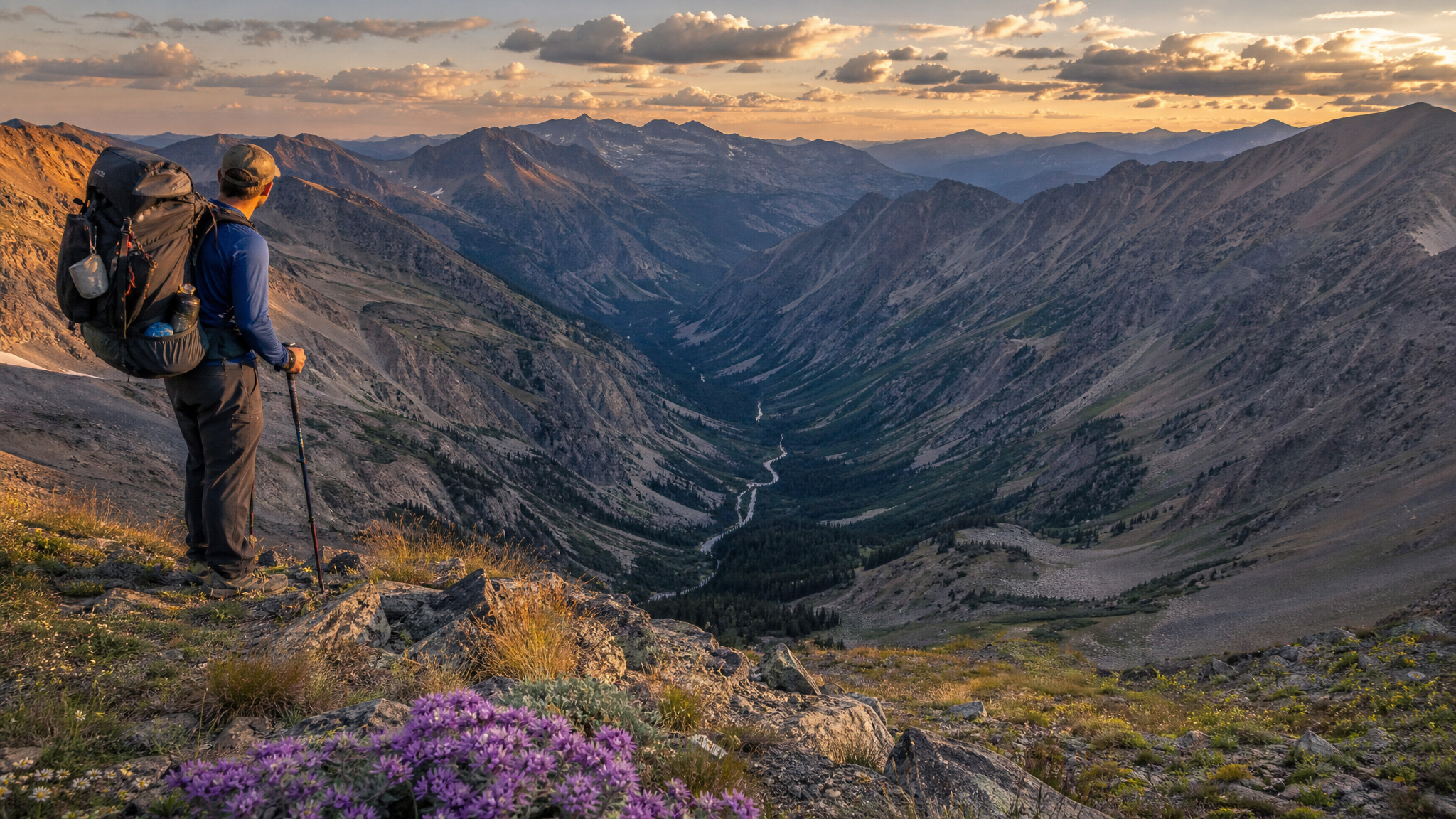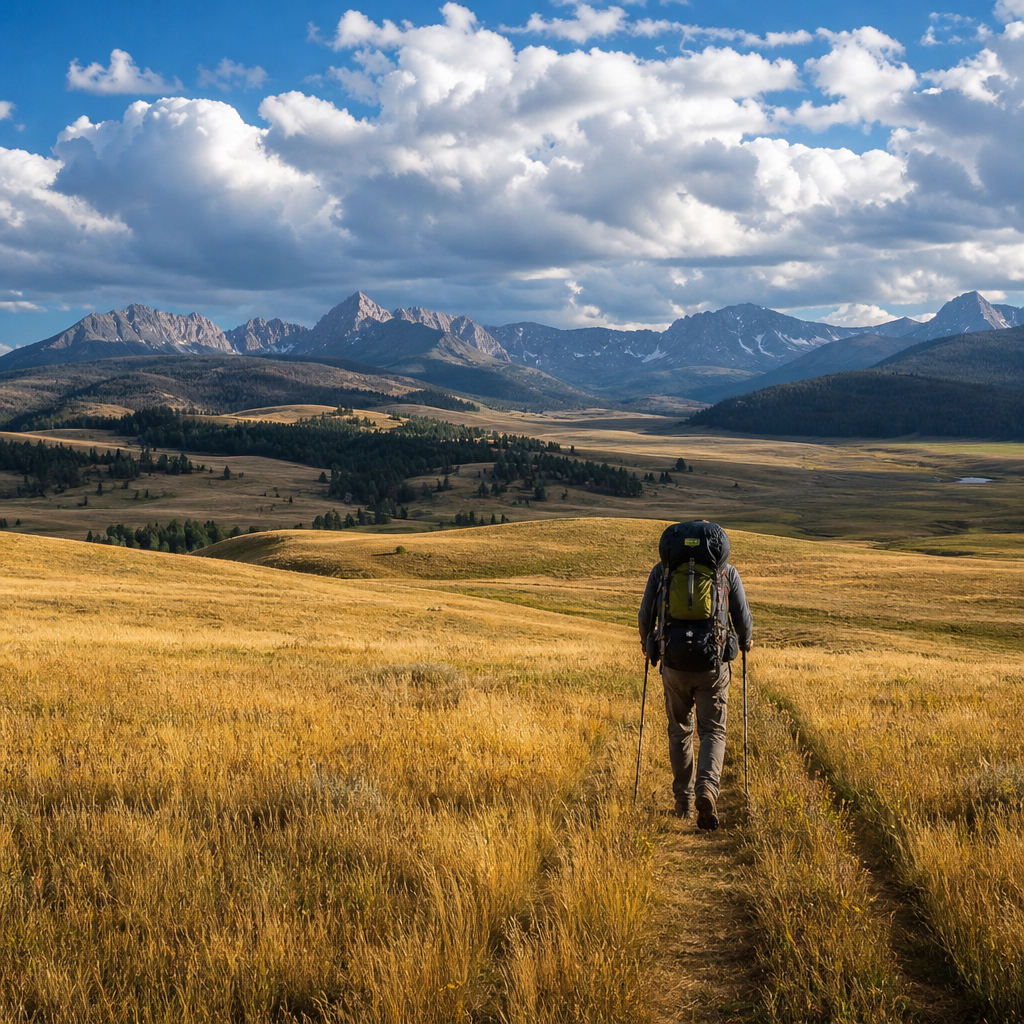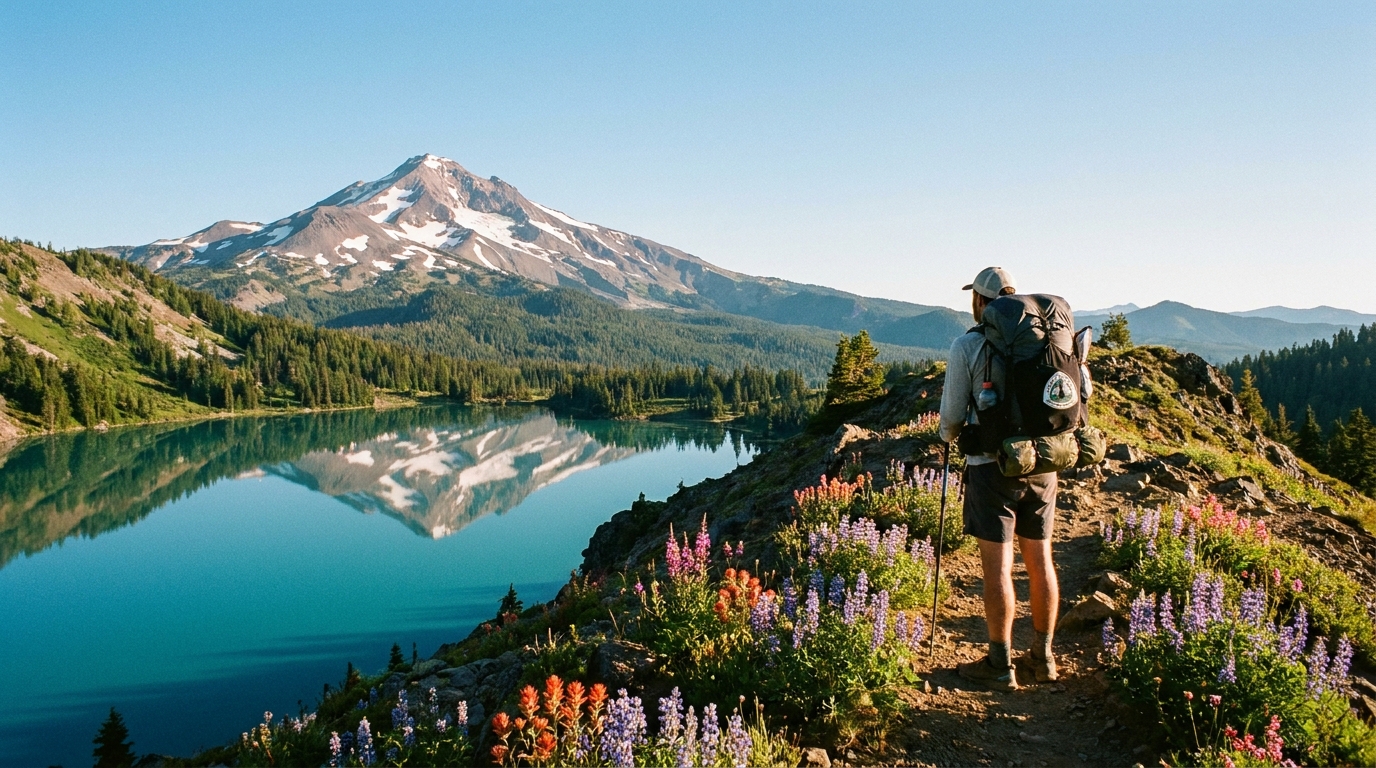
There's a section of the Oregon Cascades north of Mount Jefferson where the PCT threads through a plateau scattered with more than 50 alpine lakes. Most of them don't have names. Many don't have trails leading to them. The Olallie Lake Scenic Area — centered on 265-acre Olallie Lake at 4,996 feet elevation — is one of those places that manages to feel remote and wild despite being only 65 miles from Portland as the crow flies. If you haven't been, put it on the list for this summer.
The area sits in the Mount Hood National Forest on the Clackamas County–Marion County border. The PCT forms the scenic area's eastern spine, and a network of connecting trails lets you piece together loops that range from a casual overnight to a multi-day ramble across the plateau. The two-day route described here covers about 14 miles, touches half a dozen named lakes, and gives you everything the Cascades high country does best: solitude, views, cold water, and brook trout that have never seen a fly they didn't like.
Getting There
The most common trailhead is Olallie Lake Resort, reached via Forest Road 4220 from Detroit (about 23 miles northeast on paved and well-maintained gravel roads). From Portland, take US-26 east through Government Camp, drop south on OR-35 briefly, then follow signs toward Detroit Lake and Forest Road 46. The last few miles on FR-4220 are fine for standard clearance vehicles in summer. Allow about 2.5 hours from Portland.
The resort operates a small campground, rustic lakeside cabins, and a minimal store. They can answer questions about current trail conditions and take reservations for a cabin if you'd rather front-load the comfort. Cell service is nonexistent here — plan accordingly.
The Loop: Day One
Start at the Olallie Lake Trailhead near the resort and head south along the west shore of Olallie Lake on the Olallie Lake Trail. The lake's southern end features a classic Pacific Cascade view — the water's reflection of Mount Jefferson rising to 10,497 feet in the south is one of the better scenic payoffs in the northern Oregon Cascades.
From the south end of Olallie Lake, pick up the PCT heading north. The trail climbs gradually as it leaves the main lake, passing through open lodgepole forest with frequent views across the plateau. At roughly 2.5 miles from the trailhead, you'll hit the junction for Lower Lake — worth a quick side trip for the fishing. Lower Lake's brook trout are aggressive and numerous, perfect for an ultralight rod rigged with a small gold spinner or a Royal Wulff dry fly.
Continue north on the PCT to the junction with the Horseshoe Lake Trail (approximately 4.5 miles). Drop west to Horseshoe Lake for your first night's camp. Horseshoe has several established fire rings and flat tent sites on its northeast shore. The lake sits at about 4,900 feet and stays cool even in August — worth a swim before dinner. Note that campfires may be prohibited during high fire danger periods; check current USFS fire restrictions before your trip.
Day One Distance: ~6 miles | Elevation Gain: ~600 feet
Day Two: The Return via the Ridge
From Horseshoe Lake, head north on the Horseshoe Lake Trail to its junction with the PCT, then continue north to the Top Lake area. Top Lake at 5,100 feet is one of the higher lakes in the scenic area and frequently has fish dimpling its surface on calm mornings. The view southeast toward Mount Jefferson from the trail above Top Lake is worth stopping for.
From Top Lake, continue north on the PCT to Jude Lake, then pick up the connector trail west toward the Olallie Butte. The Olallie Butte Trail (open to horses and hikers) climbs to 7,215 feet at the summit — a 1,000-foot gain over 1.5 miles. The summit view is 360 degrees: Mount Hood to the north, Jefferson to the south, the Three Sisters and Broken Top to the southeast, and the Cascade plateau stretching in every direction. On a clear August day, you can see six volcanic peaks simultaneously. It's a legitimate Pacific Northwest summit experience with a fraction of the crowds that Hood or Jefferson draw.
Descend from Olallie Butte east back to the PCT and south to Olallie Lake, completing the loop at approximately 14 total miles including the butte side trip.
Day Two Distance: ~8 miles | Elevation Gain: ~1,200 feet
Permits and Regulations
The Olallie Lake Scenic Area does not currently require a wilderness permit. A Northwest Forest Pass ($30/year or $5/day) is required at the Olallie Lake Trailhead. The area is administered by the Clackamas River Ranger District — call 503-630-6861 for current conditions and fire restriction updates before your trip.
Camping within 200 feet of lakes and streams is prohibited, as it is throughout the Mount Hood National Forest. Several designated sites near Horseshoe and Olallie lakes are exceptions to this rule, marked with brown posts — use those when available.
Fishing the Olallie Plateau
The lakes of the Olallie Scenic Area hold brook trout and rainbow trout, most stocked by ODFW via aerial planting. Brook trout in the 6–12 inch range are abundant in most lakes and will take small spinners, flies, or PowerBait without much persuasion. A 3-weight fly rod or a 4-foot ultralight spinning rod and reel are all you need — you're not chasing trophy fish here, but you can easily catch dinner with a half hour of effort at most lakes on the plateau.
Current regulations allow five trout per day in most Olallie Scenic Area lakes with no size restriction. Confirm current ODFW rules before fishing, as specific lakes may have additional restrictions.
What to Pack
- Water: All lakes are viable water sources with treatment. A Sawyer Squeeze or Katadyn BeFree handles the volume you'll need. Don't count on finding water between lakes on the ridge sections.
- Sun protection: The plateau is open and exposed. Sunscreen and a hat matter at elevation, especially in July and August.
- Bear canister: Not required but recommended. Black bears are active in the Cascades high country in late summer — hang your food or use a canister.
- Layers: August nights at 5,000 feet can drop below 40°F. A lightweight down jacket and a spare pair of wool socks weigh nothing and matter a lot at 2 AM.
The Olallie Lake Scenic Area is the kind of place that produces regulars — people who come back every summer because the plateau rewards familiarity. The lakes are slightly different each year, the brook trout are always willing, and the views of Mount Jefferson never get old. Two days is enough to get a solid feel for it. Four days is enough to start thinking of it as yours.