Few tags in the western United States generate as much anticipation as a Rocky Mountain bighorn sheep permit. In Oregon, these tags are issued in tiny numbers — sometimes just 2 to 5 per unit — and draw odds in most units run between 1% and 5% per applicant per year. The hunter who draws one has typically accumulated years or decades of preference points and has been waiting long enough that the tag represents a genuine life milestone.
That context matters because how you prepare for a bighorn hunt is entirely different from how you prepare for deer or elk. You may have one shot at this tag in your lifetime. Treat it accordingly.
Oregon's Rocky Mountain Bighorn Units
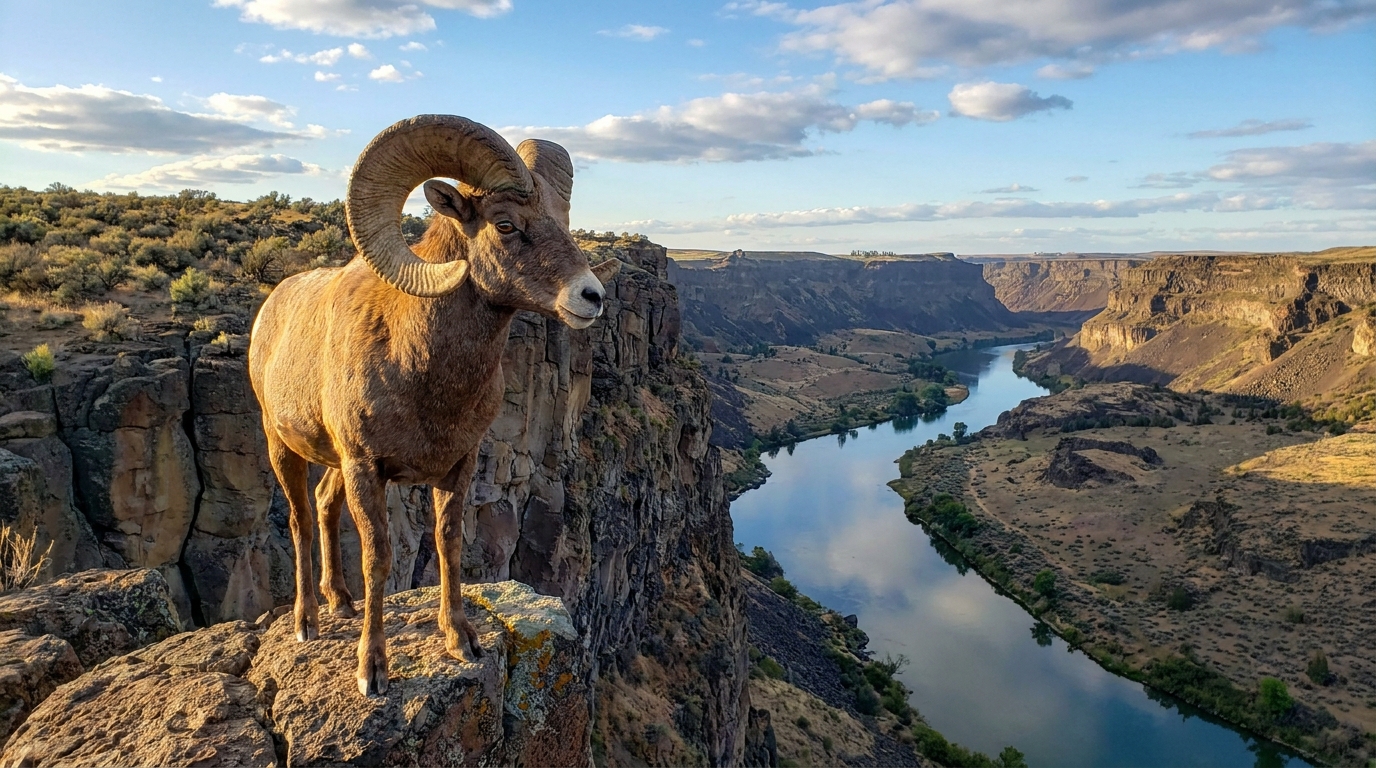
ODFW manages Rocky Mountain bighorn sheep in several units concentrated in the northeastern corner of the state, in the rugged canyon country where Oregon, Idaho, and Washington meet. The Snake River and its tributaries form the backbone of this habitat.
Key Units to Know
- Hells Canyon Unit: The flagship bighorn unit in Oregon. The Snake River corridor through Hells Canyon — North America's deepest river gorge — supports the state's largest and most established Rocky Mountain bighorn population. Tags are extremely limited, but the rams here are world-class. Some units within Hells Canyon see mandatory hunter orientation before the season.
- Lookout Mountain Unit: Located in the Ochoco National Forest country east of Prineville, this unit holds a transplanted herd that has established well. Rams in the Lookouts tend to run smaller than Hells Canyon animals but the terrain is more accessible.
- Wenaha Unit: In the Blue Mountains along the Oregon-Washington border, this unit receives limited tags and sees pressure from both states. Mature rams can be found in the deep canyon drainages feeding the Grande Ronde River.
- Imnaha Unit: Adjacent to the Hells Canyon Unit, this area follows the Imnaha River canyon and offers similar habitat. Tag numbers fluctuate based on population surveys.
The Draw: Putting In Smart
Oregon uses a preference point system for bighorn sheep. Each year you apply and do not draw, you accumulate one bonus point, which increases your odds in future draws. The practical reality for most hunters is that you will be waiting 10-25 years to draw a sheep tag in competitive units. A few things to know:
- Apply every year without exception. Missing a single year costs you a point and sets back your timeline.
- Lower-pressure units like Lookout Mountain may draw with fewer points — do your research before committing all your points to Hells Canyon.
- Non-resident odds are even tighter. Oregon reserves most sheep permits for residents.
- Study the ODFW draw statistics published each fall. Point totals needed to draw vary year to year based on applicant pools.
Scouting Bighorn Sheep in Hells Canyon
If you draw a Hells Canyon bighorn tag, your preparation should begin years in advance of the actual season. The canyon is massive, remote, and physically demanding in a way that humbles experienced elk hunters.
Glass From the Rim First
The canyon rims — accessible via Forest Service roads on the Oregon side — offer the best glassing platforms. Set up on the rim with a quality 15x or 20x tripod-mounted binocular and glass the talus slopes, rocky benches, and green drainages below. Rams in summer will be at higher elevations, often above 4,000 feet. As the season progresses into October and November, they push lower in pursuit of ewes.
Use the Jet Boat Access
Much of the lower Hells Canyon is only accessible by jet boat on the Snake River. Numerous outfitters in Lewiston, Idaho and Oxbow, Oregon run jet boat shuttles. Float-in camping and day-hunting from river camps is common, and some of the biggest rams in the canyon never see hunters coming from the rim because most hunters don't want to make the return climb.
Digital Scouting
Google Earth and OnX Hunt are invaluable tools for identifying canyon benches, springs, and saddles that hold sheep. Look for the tan, rocky south-facing slopes — bighorns are sun worshippers and prefer the dry, open exposure. Springs marked on topo maps become critical water sources for sheep in summer and should be checked during pre-season scouting trips if possible.
Gear Considerations for a Canyon Sheep Hunt
Bighorn hunting in Hells Canyon is mountain hunting. Do not show up with deer hunting fitness or deer hunting gear.
- Boots: Stiff-soled mountain boots with good ankle support. The talus in Hells Canyon will destroy a soft trail boot in a day.
- Pack: A 50-65 liter frame pack capable of hauling a 100+ lb. pack-out load of cape, horns, and meat.
- Optics: Do not compromise here. A quality 10x42 binocular, 15-20x tripod bino or spotting scope, and a rangefinder are non-negotiable.
- Rifle: Flat-shooting calibers work well given the open terrain. The 7mm Rem Mag, .300 Win Mag, and 6.5 PRC are popular choices. Most shots in the canyon are taken inside 400 yards, but be prepared for longer opportunities.
- Physical preparation: Begin training at least 6 months before the season. Weighted pack hiking on steep terrain is the best preparation for what Hells Canyon will ask of your body.
The Weight of the Tag
Every sheep hunter you'll talk to describes their hunt in the same terms: exhausting, humbling, and utterly unforgettable. The animal is magnificent. The terrain is unforgiving. The preparation required is real. But there is no hunting experience in the Pacific Northwest — and arguably very few in North America — that competes with packing a mature Rocky Mountain bighorn ram out of Hells Canyon on your back.
Put in for the tag. Start accumulating points today. And when your name finally comes up, be ready.