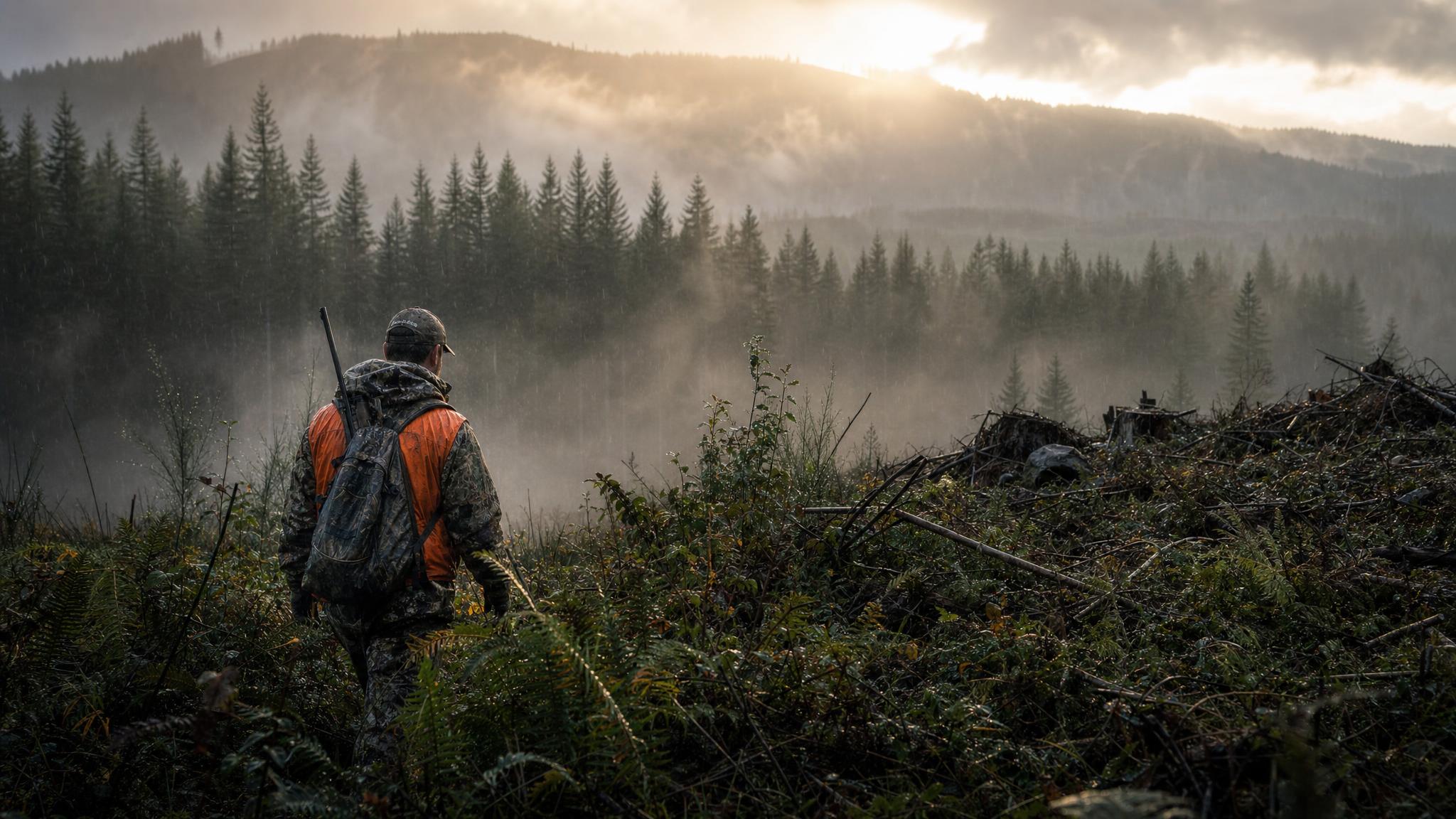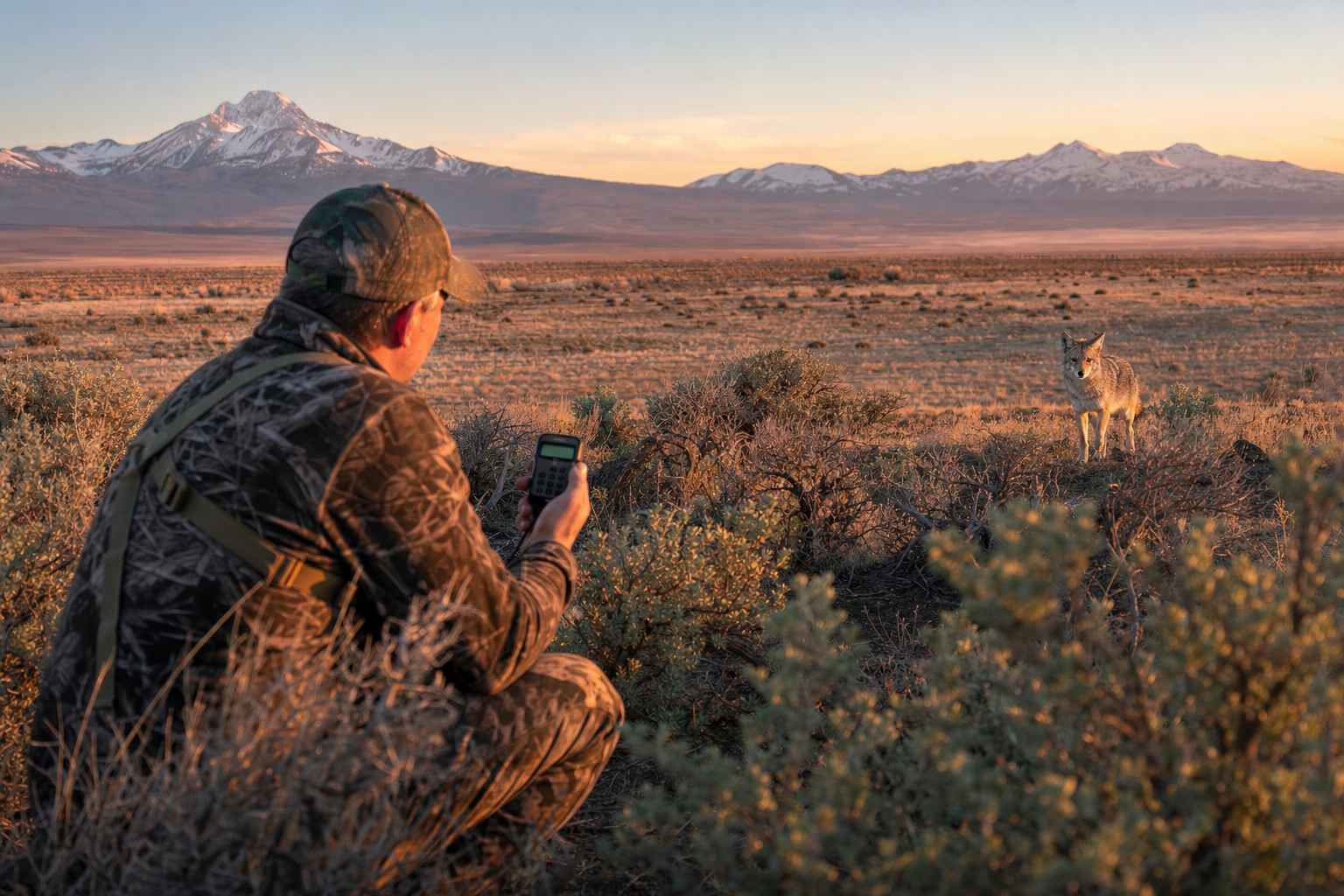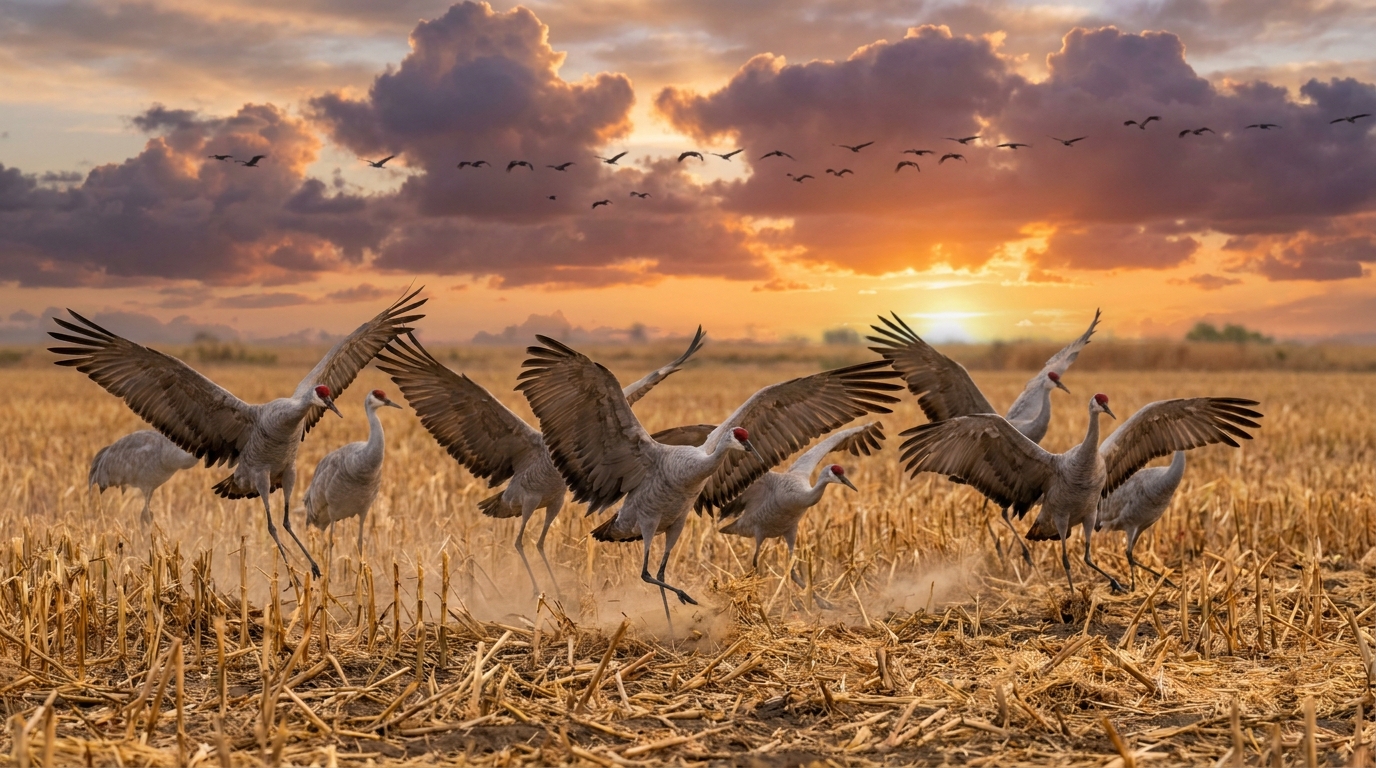
Standing in a grain field at first light in the Klamath Basin, watching a line of sandhill cranes descend out of a burnt-orange sky, is one of those experiences that resets your definition of spectacular. These are big, loud, primordial birds — descendants of a lineage that has been flying these same flyways for millions of years. And they are among the most underrated game birds in Oregon, sought by a small tribe of dedicated hunters who've figured out the puzzle.
Oregon's sandhill crane season is real, it's productive, and it's wide open compared to the pressure on more popular waterfowl. If you've ever wanted to level up your bird hunting game, cranes deserve serious attention.
Oregon Crane Season Overview
ODFW manages sandhill crane hunting as part of the state's crane and snipe regulations. The season typically opens in late September and runs through late October or early November, depending on zone and annual regulatory updates. Hunters should check the current ODFW Migratory Bird Regulations before each season — timing can shift based on breeding population surveys from the USFWS.
The primary hunting zones in Oregon cover the eastern portions of the state, with the Klamath Basin and the adjacent Upper Klamath Valley being the premier locations. The basin sits at the intersection of agricultural grain fields, seasonal wetlands, and the Pacific Flyway — a combination that concentrates cranes in huge numbers during peak migration.
Understanding Crane Movement in the Klamath Basin
Sandhill cranes are creatures of routine. They roost on wetlands, ponds, or flooded fields at night — areas that offer safety from predators — then fly to feed in grain fields (particularly harvested wheat, barley, and corn) during the day. Understanding this roost-to-feed pattern is the foundation of successful crane hunting.
In the Klamath Basin, cranes typically roost on the Klamath Wildlife Areas, the Tule Lake and Lower Klamath National Wildlife Refuges, and other wetland areas. From these roosts, they fan out into the surrounding private and public agricultural land to feed. Scouting to identify active feeding fields is your most important pre-season task.
Scouting Tips
- Glass from road pullouts in the early morning, following birds from roost to field
- Note which fields they return to on consecutive days — feeding cranes are loyal to productive spots
- Gain landowner permission early — the best crane fields are private, and permission is easier to get in August than October
- Use Playa Lakes Joint Venture and eBird reports to understand broad migration timing
- Check USFWS refuge hunting regulations — some portions of National Wildlife Refuges allow crane hunting on designated days
Decoy Spreads for Cranes
Cranes are large birds with excellent eyesight, and they respond strongly to visual decoy spreads. A proper crane spread is notably different from a duck or goose spread.
Decoy Types
- Full-body crane decoys: The gold standard. GHG, Avery, and Carry-Lite all make full-body crane decoys with realistic paint and postures. Expensive but absolutely the most effective. Feeding, alert, and loafing poses add realism.
- Silhouette decoys: Effective and far more portable than full-bodies. Use a mix of 2D silhouettes to create depth and movement illusion. Best when mixed with full-bodies in the center of the spread.
- Windsock or flag decoys: Motion decoys that flutter in wind or can be manually flagged to create wing-flapping movement. Excellent for visibility from distance and for pulling birds off their original course.
Spread Configuration
Set a large spread — cranes are social birds and a small spread looks lonely and suspicious. A minimum of 24 decoys is a good starting point; 36–48 is better for open field situations. Arrange them in a feeding pattern with loose clusters, some birds facing into the wind and others at various angles. Leave a landing zone upwind of your blind position — cranes, like geese, land into the wind.
The landing zone (also called the hole) should be roughly 15–25 yards in front of your position. That's where you want birds committed and dropping — close enough for clean shots with the large, pattern-filling profiles these birds offer.
Calling Cranes
Sandhill cranes are highly vocal and respond well to calling. Their call is unmistakable — a rolling, bugling rattle that carries for miles. You can hear them before you see them on a still morning.
Electronic callers are legal for crane hunting in Oregon and are extremely effective. Load your caller with high-quality crane recordings and run it at high volume — cranes call loudly to each other and won't be put off by volume. The goal is to communicate "birds are feeding here, this is a safe, active spot."
Mouth calls for cranes are also available (Haydel's and Rich-N-Tone both make them), though they require practice to produce the characteristic rattling bugle. If you invest the time, mouth calling adds a satisfying dimension to the hunt.
Blinds and Concealment
Cranes are wary birds with sharp eyes. They will flare from unnatural shapes or shiny surfaces at long distances. Your concealment needs to match the field.
- Layout blinds: The standard for crane hunting in open fields. The Final Approach XL, Avery Finisher, and similar low-profile blinds lie flat and cover well when stuffed with local vegetation. Brush them in heavily with grain stubble or weeds from the surrounding field.
- Pit blinds: If you're hunting the same field multiple times, a pit blind offers superior concealment and comfort. Dig it out, frame it, and re-cover with local soil and debris. Cranes will never give a properly dug pit a second glance.
- Natural blinds: Irrigation ditches, tumbleweeds, and brush edges can substitute for a manufactured blind when you're mobile scouting or hunting new fields.
Shotgun, Choke, and Shot Selection
Sandhill cranes are big, tough birds. A lesser Canada goose is a decent size comparison. You need penetration and pattern density.
- Shotgun: 12-gauge is standard. A 3" or 3.5" chamber gives you the payload options you need.
- Shot: Steel shot is required for migratory birds. BB or BBB steel at 1,450+ fps is a reliable minimum. T-shot and F-shot give you more range if you're comfortable with the payload.
- Choke: Modified or improved modified with steel shot. Never run full choke with steel — patterns tighten too much at close ranges and you risk damaging the choke.
- Range discipline: Call cranes in close. 40 yards is a comfortable kill range with BBB steel. Don't be tempted by cranes at 60+ yards with steel — you'll wound more than you kill. Let them commit to the spread.
Eating Sandhill Crane
Ask any crane hunter what they taste like, and they'll grin and say "ribeye of the sky" without hesitation. That's not hyperbole. Sandhill crane breast meat is dark red, richly flavored, and more closely resembles quality beef than any other game bird. It can be seared like a steak, sliced thin and stir-fried, or smoked low and slow. It bears absolutely no resemblance to the dry white meat of a pheasant or turkey.
Treat it like good beef: don't overcook it. Medium-rare to medium, rested and sliced against the grain, is the move.
Final Word
Sandhill crane hunting in the Klamath Basin is special in the way that only a handful of Pacific Northwest hunting experiences are. The birds are big, the challenge is real, and when it comes together — a hundred cranes bugling into a grain field on a cold October morning — you'll understand immediately why the people who do this tend to do it every year. Get your license, do your scouting, and put in the time. The Klamath Basin will deliver.