The Shad Run Nobody Talks About
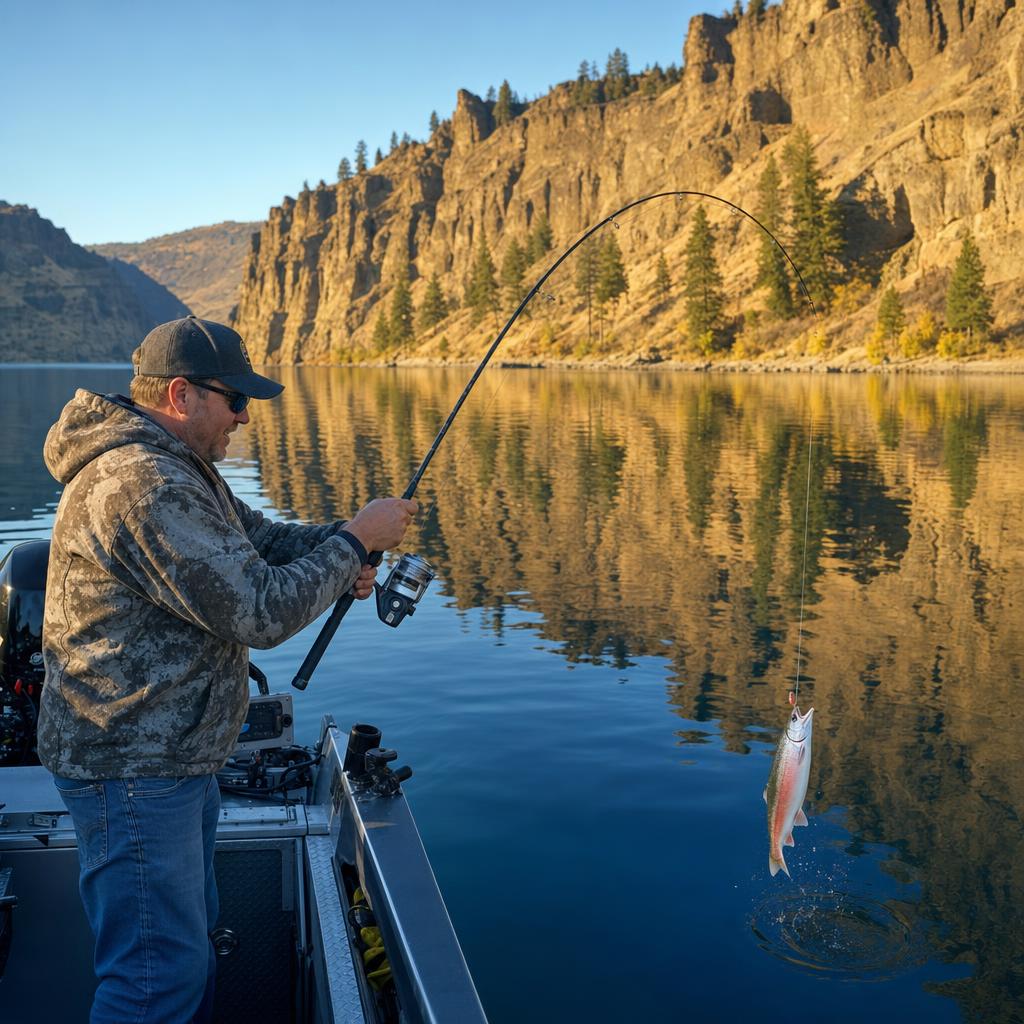
Every spring, while most Oregon anglers are obsessing over spring Chinook and steelhead, something spectacular is happening right under their noses. American shad—pound for pound one of the hardest-fighting fish in freshwater—pour into the Columbia River by the millions from May through early July. If you've never chased them, you're missing some of the most consistent, action-packed fishing Oregon has to offer.
Shad are anadromous fish, native to the Atlantic Coast but introduced to the Pacific in the 1870s. They thrive in the Columbia system and make reliable annual returns that rival anything you'll find on the West Coast. Best of all, they're accessible, legal to keep in large numbers, and when they're in, the bite is relentless.
When and Where to Fish the Columbia for Shad
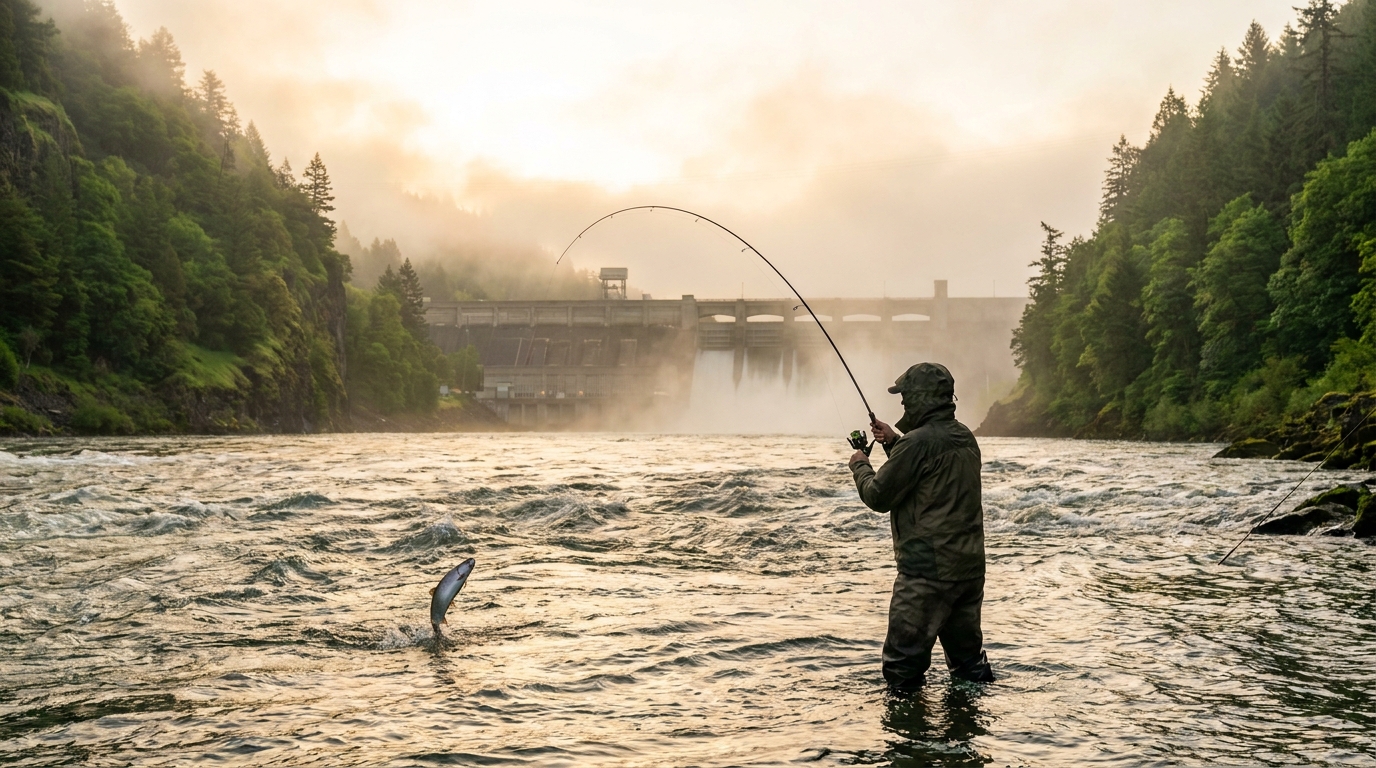
The shad run typically peaks between mid-May and late June on the lower and mid-Columbia. The leading edge of the run usually shows up below Bonneville Dam by mid-May, and fish stack up in massive schools waiting to pass through the fish ladders. Bradford Island, below the dam on the Oregon side, is one of the most productive and accessible bank fishing spots on the entire river.
Other consistent producers include:
- Bonneville Dam Tailrace (Oregon shore) — Bank fishing access near Bradford Island; fish stack in the current seams below the dam. Peak usually mid-May through June.
- Cascade Locks — Good boat access; shad school in the slower water near the boat basin.
- The Dalles Dam Tailrace — Once the run pushes upriver (late May into June), fish stack heavily here. Boat and bank access available.
- John Day Dam Area — Upper end of the run; fish here from mid-June when the Columbia's warming water accelerates fish movement.
Gear and Tactics
Shad fishing is light-tackle sport at its finest. Most anglers use 6- to 7-foot spinning rods rated for 4–10 lb test, paired with a quality spinning reel. Six-pound monofilament or 8-pound braid with a fluorocarbon leader is a solid all-around setup.
The classic shad rig is dead simple: a small dart or shad jig in 1/8 to 1/4 oz, often in chartreuse, white, pink, or red. You can also run tandem rigs with two darts in contrasting colors — this is especially effective when you're trying to figure out what color they want on a given day.
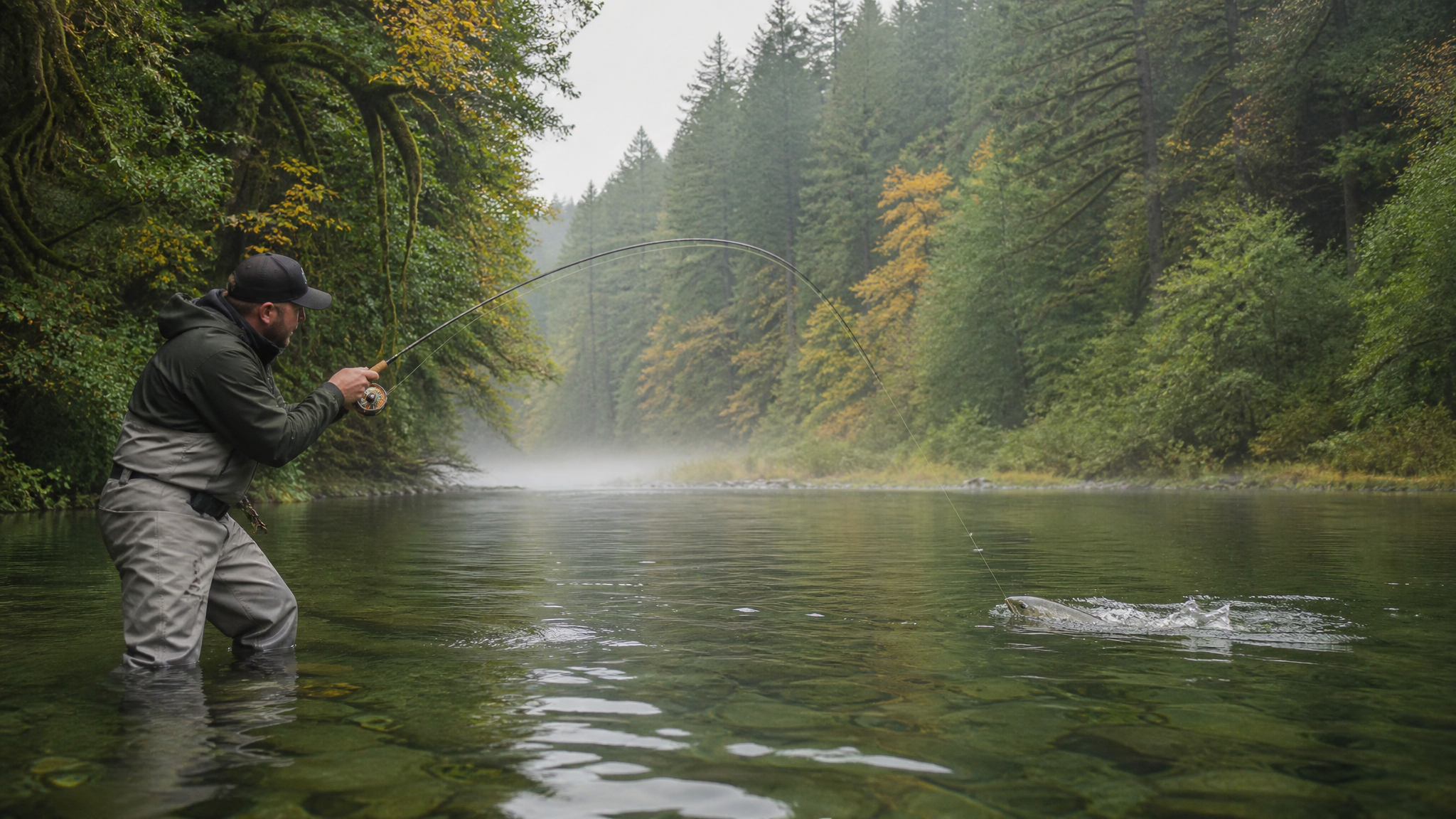
The retrieve matters more than people realize. Shad are not aggressive predators — they're plankton feeders that hit out of reaction or territoriality. A slow, rhythmic retrieve with occasional twitches tends to outproduce a straight crank. Let the jig swing through current seams on the downstream cast and work it back at an angle across the flow.
Reading the Current
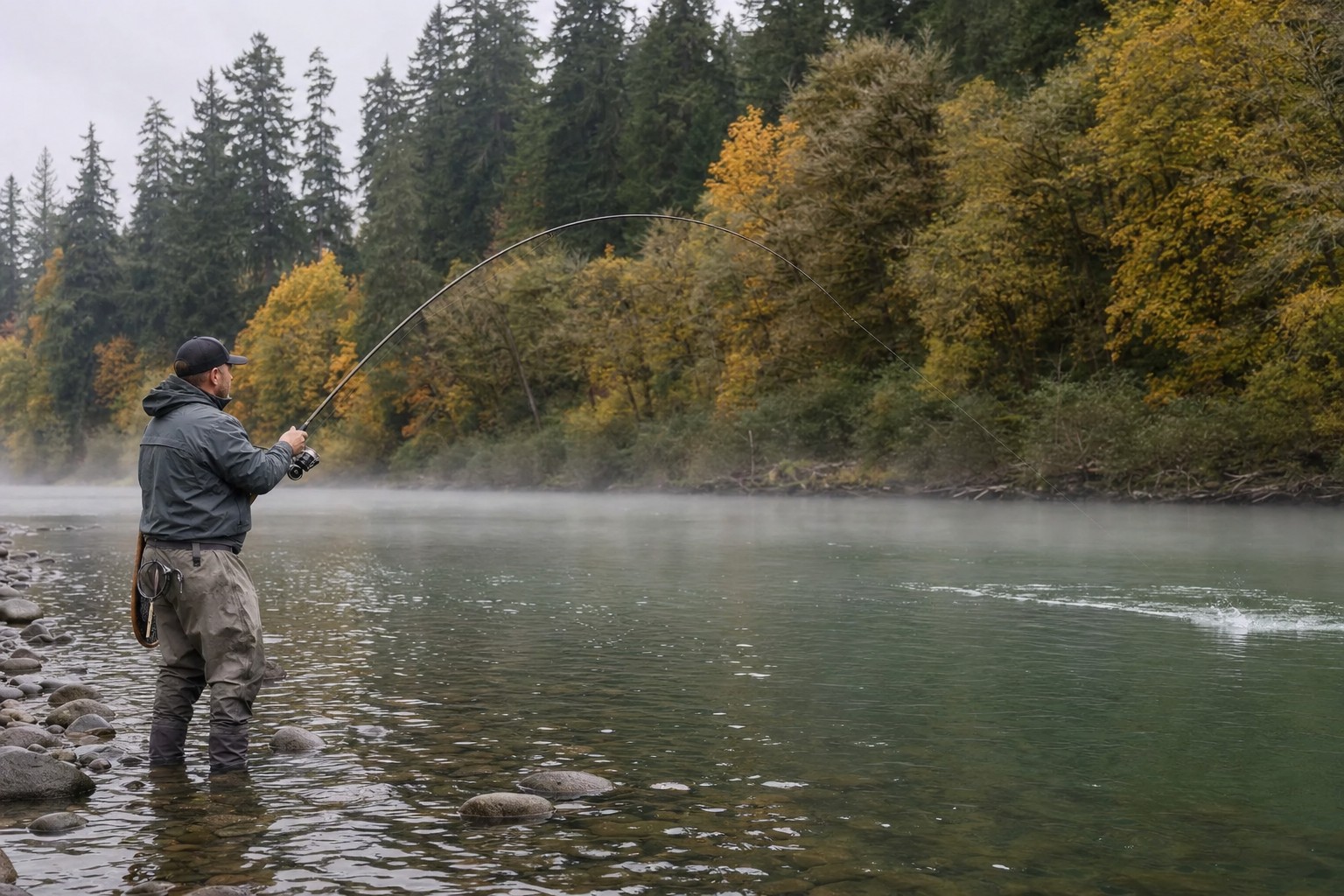
Shad love current edges. Look for transition zones between fast and slow water — those seams are where fish congregate to rest during their upstream migration. If you're bank fishing below Bonneville, concentrate your casts into the boil lines and slower water behind structure. From a boat, position upstream of holding water and drift your jig naturally through the strike zone.
Regulations and Limits
Oregon regulations are generous on shad — there is typically no bag limit on the Columbia River, making this one of the few fisheries where you can keep as many as you can catch and use. However, always verify current ODFW regulations at myodfw.com before your trip, as rules can vary by zone and method. The Columbia River shad season generally runs May 1 through December 31 below Bonneville, with some areas open to snagging and dip netting in addition to angling.
Eating Shad: Worth the Effort
Shad are notoriously bony — they have a complex Y-bone structure that puts off a lot of anglers. But there are two ways around this. First, you can smoke shad low and slow at 180°F for 6–8 hours, which dissolves the small bones entirely. The result is rich, oily, and excellent on crackers. Second, if you're patient with a fillet knife and know the Y-bone removal technique, shad flesh is mild and flavorful — fine for the pan.
Shad roe is a traditional delicacy in the East, and the roe from Columbia River shad is excellent. Sauté it simply in butter with a little salt and lemon — if you've never tried roe, this is where to start.
Why Shad Fishing Deserves More Respect
The shad run in the Columbia is one of the most underutilized fisheries in the Pacific Northwest. When they're stacked, a competent angler can catch dozens of fish in a morning — fish that fight like hell, leap clear of the water, and make that light spinning rod sing. They're sometimes called the 'poor man's tarpon,' and once you hook your first big shad in fast current, you'll understand why. If you've been sleeping on the Columbia shad run, this is the year to wake up. Grab a handful of chartreuse darts, point the truck toward Bonneville, and prepare to be surprised.