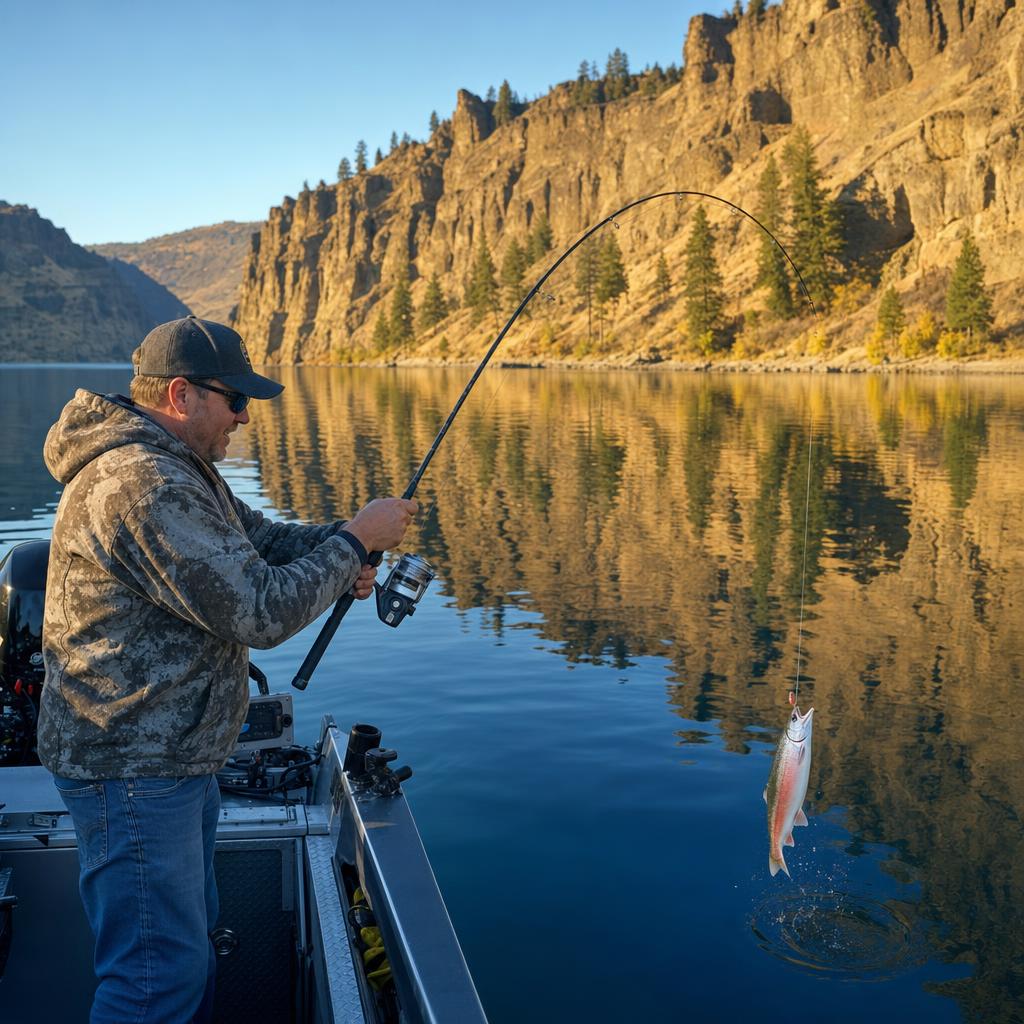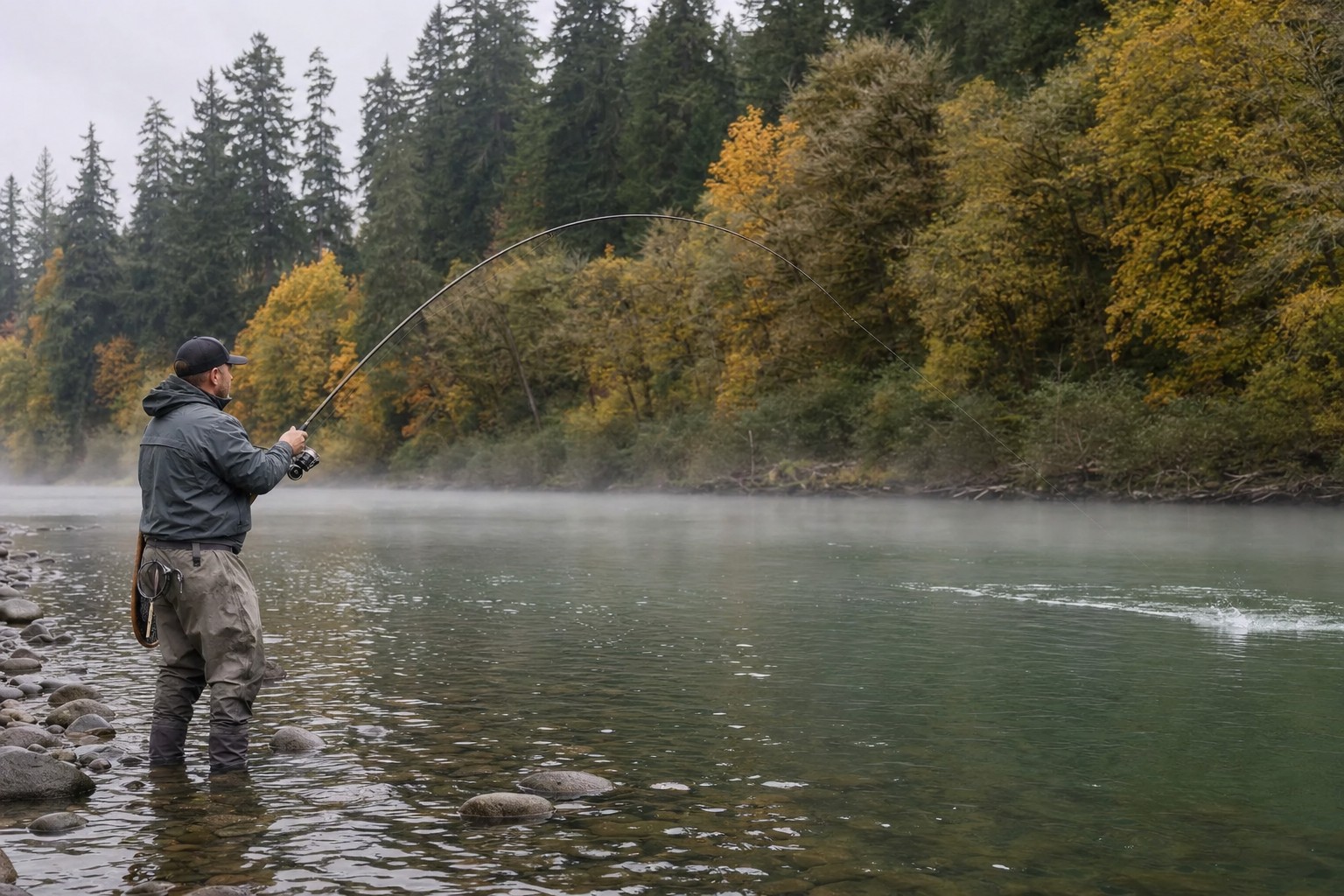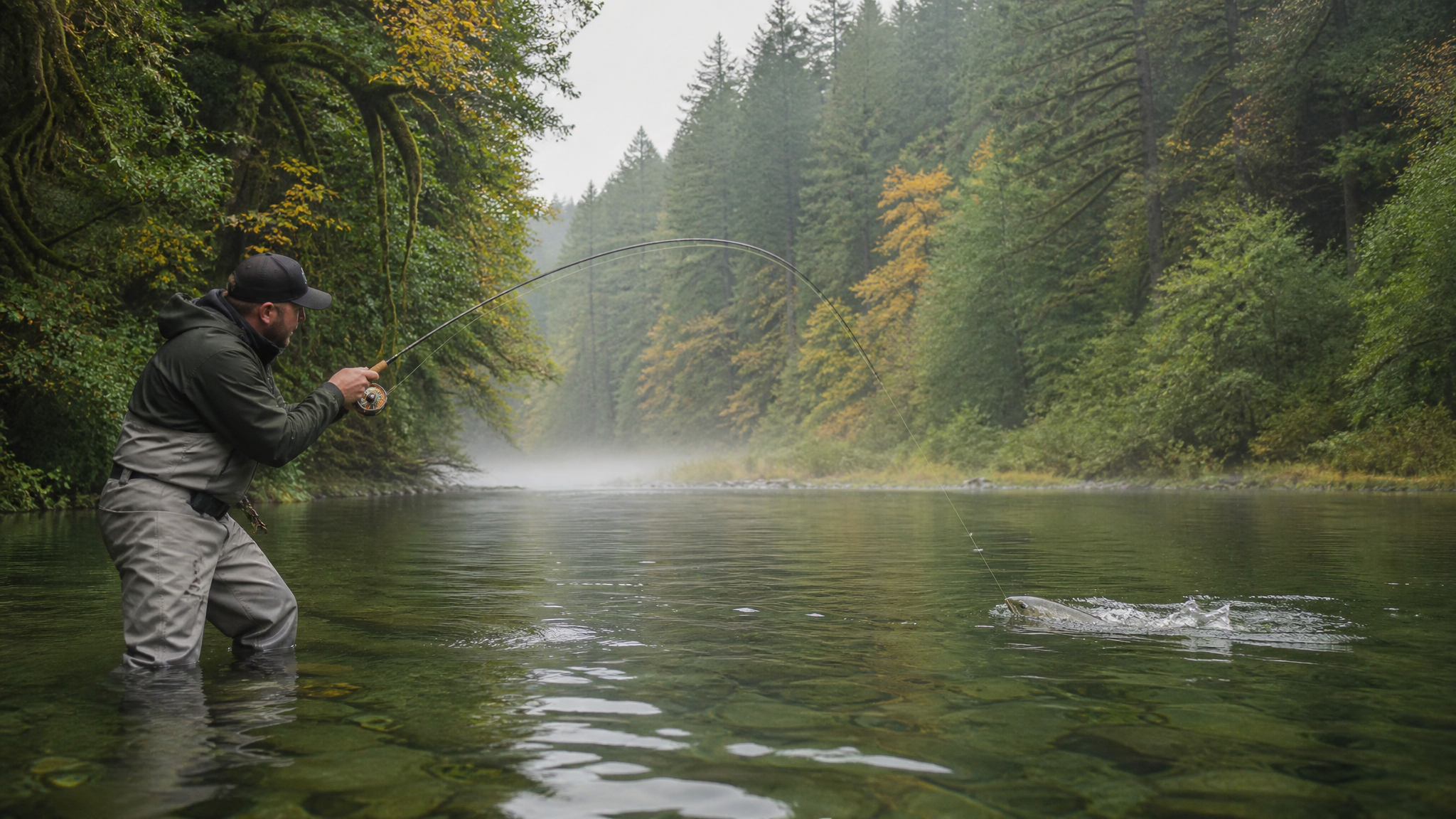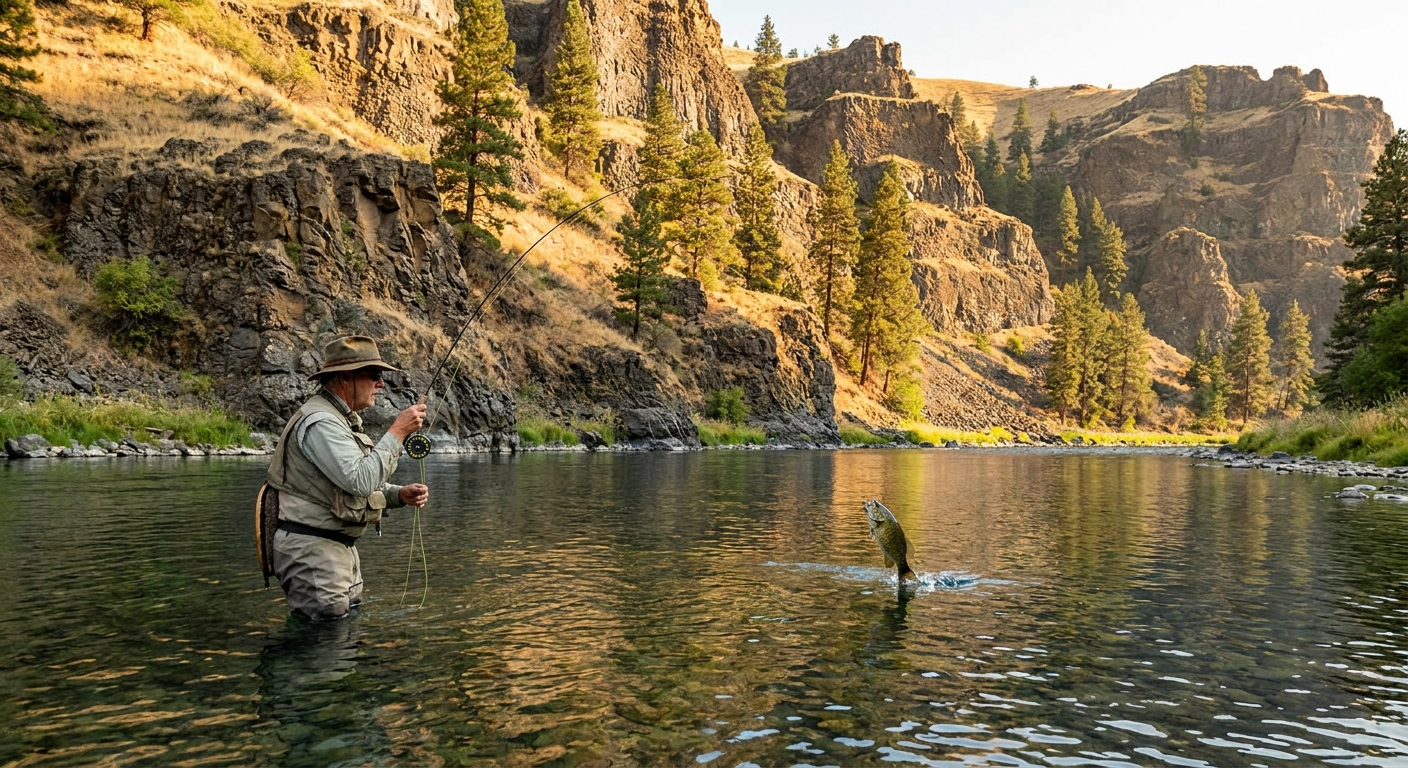
The Grande Ronde River doesn't get the headlines that the Deschutes or the Rogue collect every season, but for smallmouth bass fishing, it belongs in any serious Oregon angler's rotation. From the confluence with the Wallowa River downstream through the canyon to the Washington state line, the Grande Ronde offers miles of wild, productive water — and in June and July, the smallmouth are as fired up as they get anywhere in the Pacific Northwest.
Understanding the River
The lower Grande Ronde flows through a deep basalt canyon on its way to meet the Snake River. Water temperatures climb into the low-to-mid 60s by mid-June, which is exactly the range that triggers aggressive smallmouth feeding. Current seams, boulder gardens, tail-outs below fast water, and shaded undercut banks are your primary targets. The fish use the same structure throughout the summer, but they move shallower early and late in the day and push deeper into the main channel during midday heat.
The river is generally floatable from the town of Troy downstream, and several outfitters offer raft and drift boat trips. But for anglers who want to fish on their own terms, wade access along the first several miles below Troy is excellent and the canyon road provides multiple pull-offs.
Best Access Points
- Troy, Oregon: The classic launch and wade-fishing hub. The campground here sits right on the water and gives you immediate access to productive canyon stretches.
- Minam to Rondowa: The Wallowa River enters just above this stretch, adding cold water and drawing fish to the confluence through summer.
- Wildcat Creek area: A longer drive down a forest road but worth it — less pressure and bigger fish holding in the slower pools.
Tackle and Presentation
Grande Ronde smallmouth are not shy. They respond well to a wide range of presentations, but a few rigs consistently out-produce everything else.
Topwater (Best: Dawn to 9 AM)
There are few things in freshwater fishing more satisfying than watching a 2-pound smallmouth blow up a walking bait in six inches of water. In summer, the first 90 minutes of daylight is prime topwater time. Heddon Zara Spooks in chrome/black back or natural shad colors, walked slowly across boulder-studded flats, draw explosive strikes. Poppers work too — especially in tighter pockets where you want the lure to sit in place longer.
Ned Rig and Drop Shot
When fish are suspended mid-column in slower pools, a 2.5-inch Ned rig on a 3/16 oz mushroom head is nearly impossible to beat. Fish it on a slow, barely-twitching retrieve. Drop shot rigs with finesse worms work similarly and are effective for the midday slowdown when bass slide deeper into the cooler main channel.
Swimbait and Jig
For covering water and locating active schools, a 3.5-inch paddle tail swimbait on a 1/4 oz swimbait head fished through current seams is highly productive. Bounce it along the bottom through boulder runs and hang on. A compact football jig with a craw trailer is a good alternative for working slower, rocky bottom.
Fly Fishing the Grande Ronde
The Grande Ronde is excellent streamer water, and it's underutilized by fly anglers who tend to chase trout and steelhead elsewhere. A full-sinking or sink-tip line with a Clouser Minnow, Sex Dungeon, or articulated crawfish pattern stripped through the deep edges of boulders and ledges will find bass. Topwater poppers and foam gurgler patterns are also outstanding early morning. A 7- or 8-weight rod handles the bigger streamers and gives you enough backbone to work the bass out of structure.
Float Trip Planning
A two-day float from Troy to the Mud Creek takeout is a classic summer trip. Camp on the gravel bars — they're public and plentiful. Keep a dry bag on board, as the canyon walls provide little shade and afternoon heat can be intense in July. Bring more water than you think you need. Cell service is minimal once you're in the canyon, so a downloaded offline map and a float plan left with someone back home are mandatory.
Be aware that a valid Oregon fishing license is required. Smallmouth bass on the Grande Ronde are not subject to special regulations — standard warmwater rules apply — but check the current ODFW synopsis before you go, as water use and access points do occasionally change.
The Summer Window
Mid-June through early August is the peak window. By late August, water temperatures can push into the high 70s on the lower river, stressing fish and reducing feeding activity. Fish early, fish shaded banks, and practice quick releases to keep the fishery healthy for seasons to come. The Grande Ronde is one of those places that rewards the angler willing to drive past the obvious options — and its smallmouth bass are a legitimate highlight of the Oregon outdoor calendar.