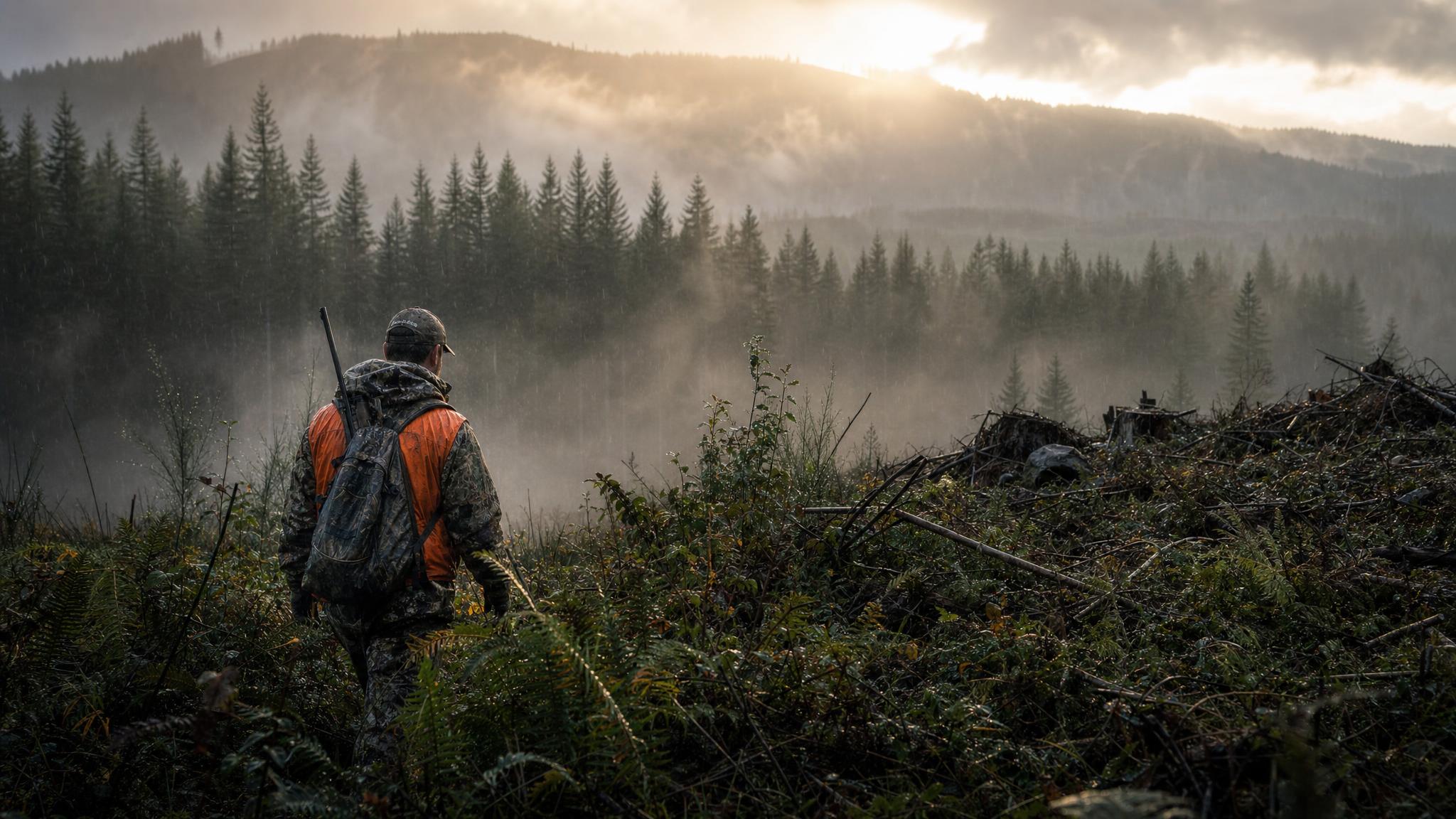
The calendar says June, but serious Oregon archery deer hunters are already thinking about August. Oregon's general archery deer season opens the third Saturday in August — typically around August 15–17 — and the gap between a tagged buck and a long, empty season is almost always determined by what you do in the weeks before opening day, not on it.
This guide covers what you need to be doing right now: scouting strategy, tag application, physical prep, gear checks, and the field tactics that close the deal on opening week.
Tags: What You Need to Know First
Oregon's archery deer season runs statewide as a general tag for both blacktail (west of the Cascades) and mule deer (east of the Cascades). General archery deer tags are available over the counter — no draw required. Pick yours up at an ODFW license agent or online at myodfw.com before the season opens.
A few important notes on archery-specific rules in Oregon:
- Archery season allows only archery equipment — no crossbows unless you hold a disability permit
- Minimum draw weight of 40 lbs; broadheads must be at least 7/8 inch wide
- Some units have additional restrictions on target species (check whether your unit allows fork-horn minimums)
- The archery season typically runs from mid-August through late September, before general rifle season opens
Scouting: Do It Now, Not on Opening Day
The single biggest mistake archery deer hunters make is waiting until early August to start scouting. By then, you're already behind. Late June and July are prime scouting months for several reasons:
- Velvet bucks are highly visible and predictable — they're feeding aggressively and holding to summer patterns
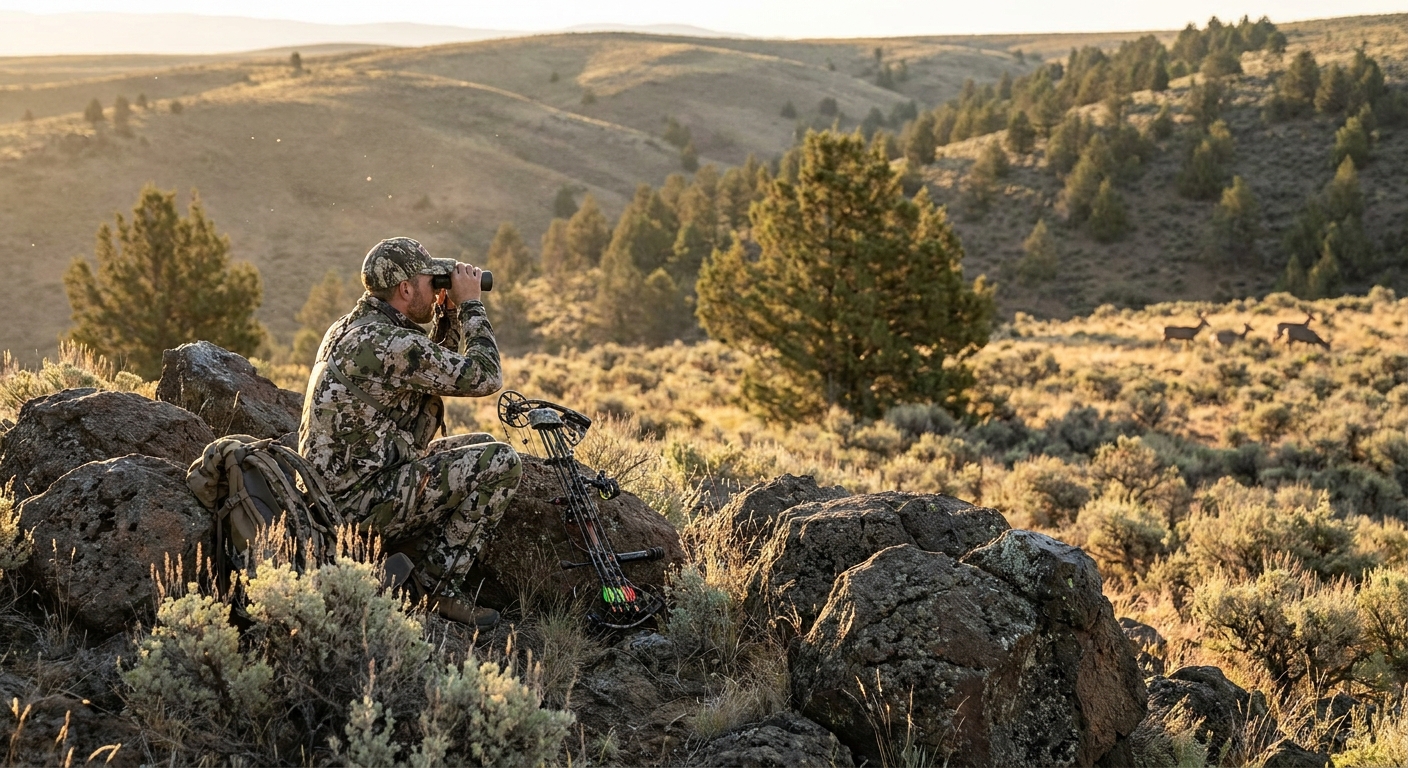
- Glassing from roads and ridgelines before hunting pressure exists gives you a realistic inventory of what's living in your unit
- Digital scouting (OnX Maps, Google Earth) is most effective when paired with ground-truth observations made now
Mule Deer Scouting in Eastern Oregon
Mule deer in summer are largely creatures of elevation and water. In July, focus your glassing on alfalfa fields, meadow edges, and open slopes above 4,500 feet where insects are less severe and forage is still green. The bucks that spend all summer at 6,000 feet will often drop to lower elevations when archery season opens in August as thermals change and food sources shift.
Key units worth targeting for public land mule deer: Steens Mountain, Ochoco, Silvies, Beatys Butte, and the Warner Valley units. All offer significant BLM and Forest Service ground.
Blacktail Scouting in Western Oregon
Columbia blacktail are tougher to pattern. Timber country, thick brush, and short sight lines make glassing difficult. Concentrate your pre-season time on clear-cuts in the 3–8 year recovery window — the same cuts that hold deer during rifle season will be active in August. Trail cameras placed on mineral licks, water sources, and travel corridors between bedding and feeding areas will tell you far more than foot-scouting alone.
Physical Preparation
Archery deer hunting in Oregon's mountains is a physically demanding pursuit. Opening week in August is hot, terrain is steep, and a mature buck won't hang around at 200 yards while you catch your breath. Start now:
- Rucking: Load a daypack with 25–35 lbs and walk 3–5 miles on hilly terrain, 3 days a week
- Shooting form: Draw and hold at your hunting draw weight for 30-second intervals to build back-end holding strength
- Spot shooting: Practice shooting from unexpected positions — kneeling, sitting, off a trekking pole, at steep uphill and downhill angles
Gear Checklist: Get It Done Before August
Gear failures that happen in camp on opening morning are preventable. Run through this now:
- Bow tune: Paper tune and walk-back tune at 40 and 60 yards; replace strings if they've seen more than two seasons
- Broadhead flight: Shoot your hunting broadheads to verify they match your field point point of impact — adjust rest or fletchings if needed
- Optics: Clean and check your binos, rangefinder, and any spotting scope; replace batteries in your rangefinder and headlamp
- Boot fit: Break in any new hunting boots now. August is brutal on feet — blisters on day one ruin the whole season
- Pack systems: Load your daypack and overnight pack with realistic weight and carry them. Adjust fit now, not at the trailhead
Opening Week Tactics That Work
August archery season in Oregon has its own rhythm. Mornings are the primary feeding window, and temperatures drop enough overnight to get deer on their feet. Plan to be glassing from a high vantage point before first light.
The Early Morning Stalk
Mule deer feeding in open country at first light are stalked best using terrain features — dry creek beds, ridgelines, and boulder fields to stay out of sight. Get the wind in your face, move slowly, and close to 50 yards or less before committing to a shot. Rushing a stalk and bumping the deer burns the whole setup.
Water Sources in Late Summer
By mid-August, water becomes the great equalizer in the high desert. Find reliable water — springs, cattle tanks, small stock ponds — and you find deer. A portable treestand or saddle set 15–20 yards downwind of a consistent water source can produce multiple opportunities per evening sit.
Calling and Rattling
Most hunters don't think about calling during archery deer season, but young bucks are in velvet and competitive — light sparring and bleat calls can pull in curious animals. Save the aggressive rattling for the rut in October, but don't be afraid to grunt or bleat at a deer that's moving away.
The Takeaway
Oregon's archery deer opener rewards preparation over luck. The hunters who spend June and July doing the work — scouting, glassing, shooting, and getting fit — walk out with a tag filled. Everything else follows from that. The season is less than eight weeks away. There's no better time than right now to get after it.