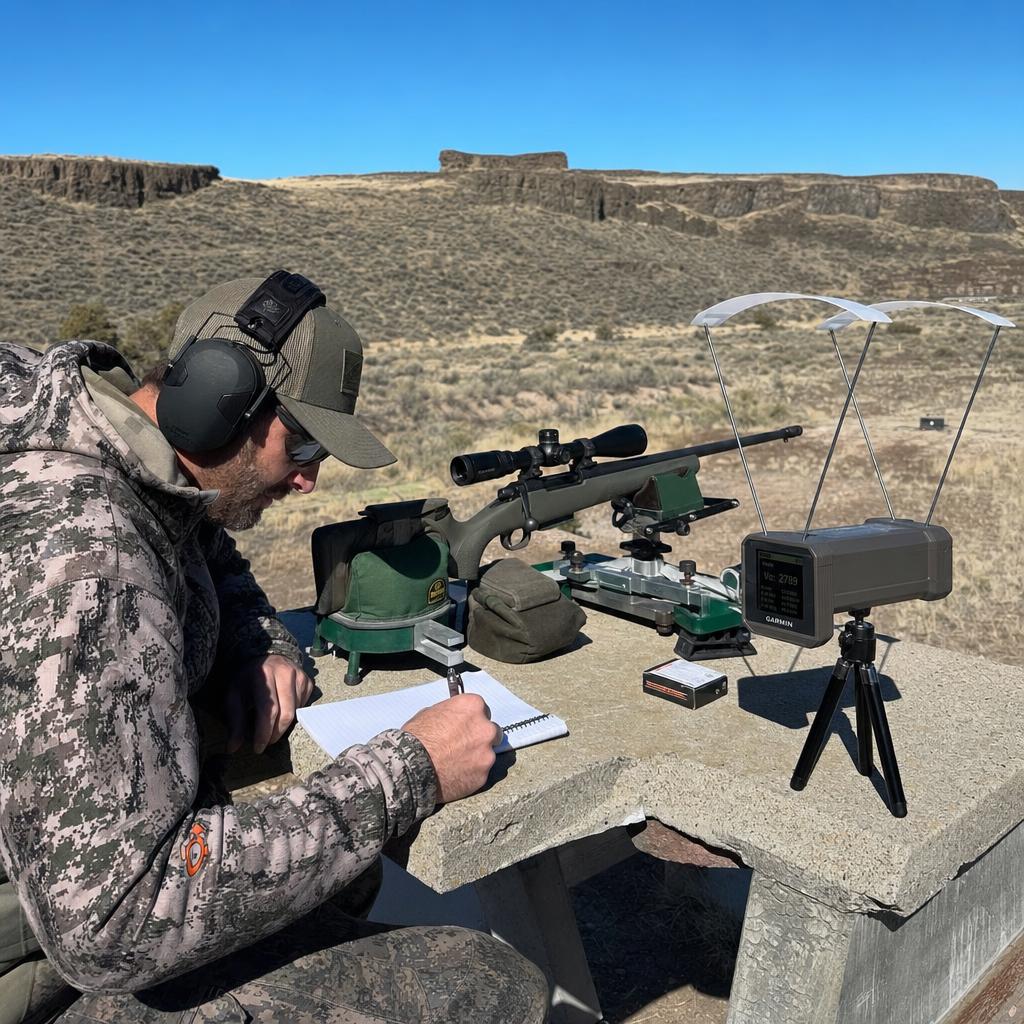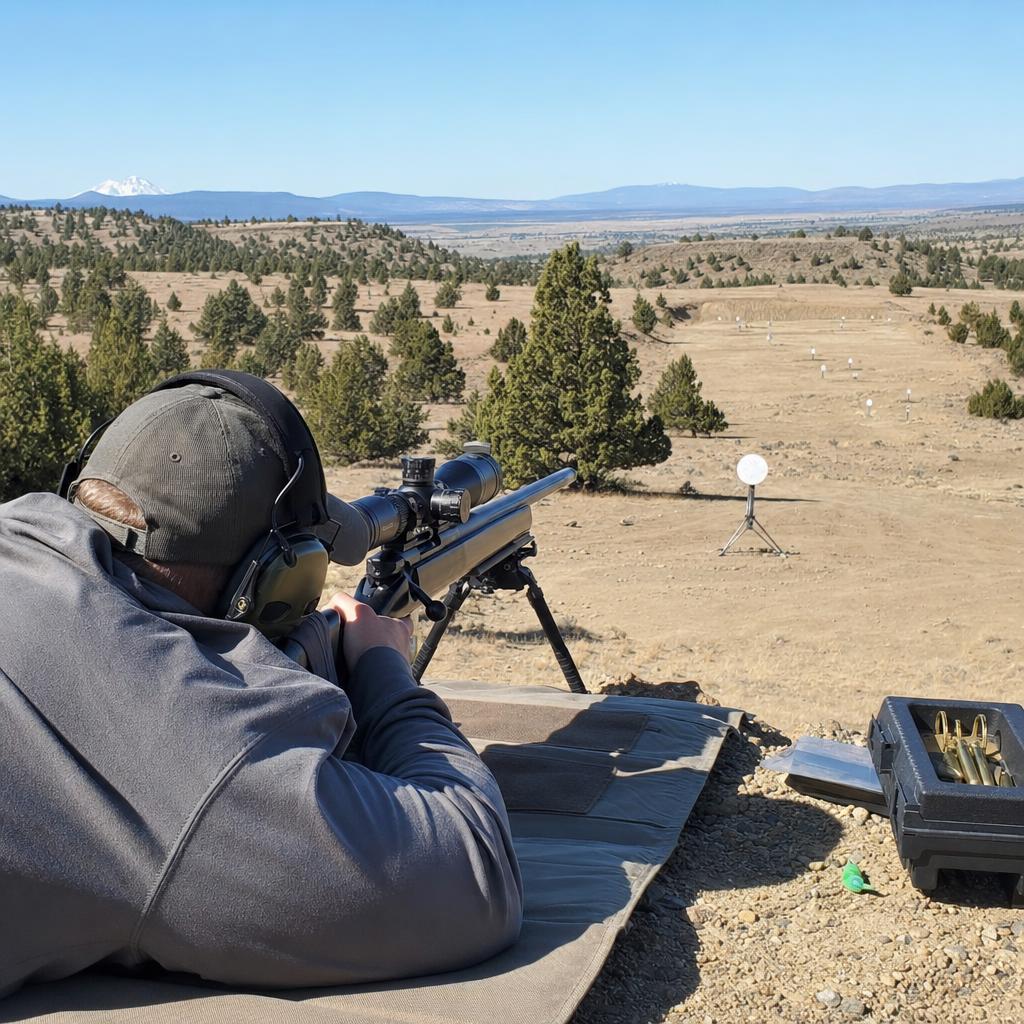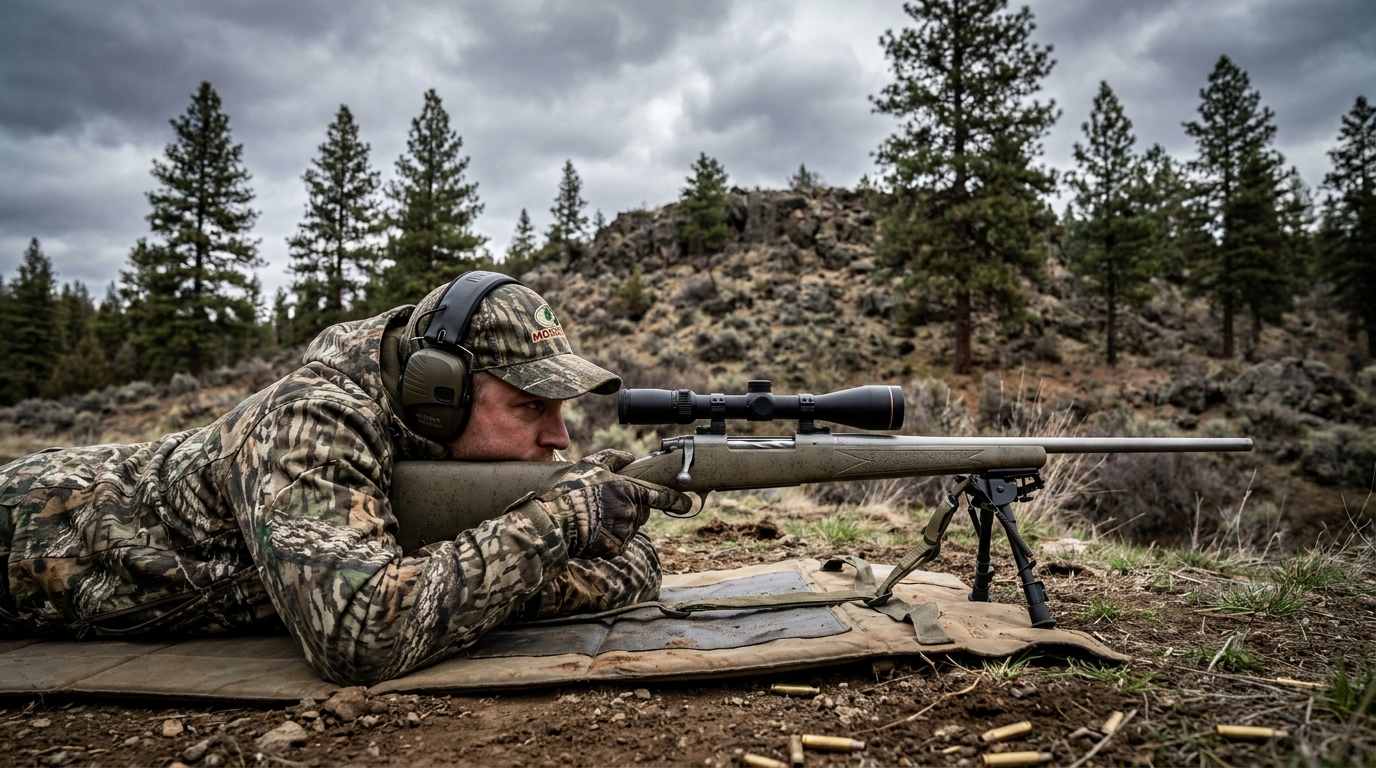
Most misses on big game happen in the moment of trigger pull, not in the seconds before. Anticipating recoil — the instinctive flinch that drives your muzzle down and right before the bullet clears the barrel — is one of the most common and least-discussed problems in field shooting. You can glass for hours, stalk perfectly, find a solid rest, calculate your dope, and then throw it all away with a bad break because your body has learned to brace before the shot. Fixing that starts with understanding recoil, and it continues with deliberate technique, proper gun fit, and selecting the right muzzle device for the job.
Understanding What Recoil Actually Does
Felt recoil is a product of bullet weight, powder charge, and rifle weight. Newton's third law is simple — the bullet goes one way, the rifle goes the other. But the character of that recoil matters as much as the raw numbers. A light, sharp recoil spike (common in high-velocity cartridges like .270 Win or .25-06) trains the flinch faster than a heavier, slower push (common in big-bore cartridges like .45-70 or .338 Win Mag). Ironically, magnum hunters are sometimes better technical shots than varmint hunters because the slower push gives them more time to stay in follow-through.
The flinch is learned behavior, and it can be unlearned — but only through deliberate practice, not by simply shooting more rounds and hoping the problem fixes itself.
Dry Fire and Snap Cap Practice
The fastest way to diagnose a flinch is to load a snap cap among live rounds without watching the loading sequence. Hand the rifle to a partner, have them randomly chamber either a live round or a snap cap, and shoot. When you muzzle-dip on the snap cap, you've confirmed what dry fire practice will fix.
Dry fire repetitions build the neural pathway for a clean break without the reward or punishment of recoil. Twenty dry fire reps before any live session does more for your trigger technique than 100 rounds of unsupervised shooting at the bench. Use this time to focus on a consistent, surprise break — not a deliberate "okay, now I'll pull the trigger" squeeze, but a gradual increase in pressure until the gun fires and you're genuinely surprised when it does.
Stock Fit and Its Effect on Felt Recoil
A rifle that fits you properly distributes recoil across your shoulder, cheek, and grip hand in a way your body can absorb without trauma. A rifle that doesn't fit — too long a length of pull, a comb height that doesn't match your scope height, a grip that puts your trigger finger at an awkward angle — turns every shot into a minor battering.
- Length of pull: When your rifle is in shooting position, the trigger should break naturally with the pad of your finger, not the crease of the first joint. Too long a LOP forces your elbow up, breaking your cheek weld under recoil.
- Comb height: Your eye should align with the scope center without lifting or craning your neck. Recoil that pushes the stock comb into your face is more disruptive than shoulder recoil — and it's what creates scope cuts in poor shooting positions.
- Butt pad material: Pachmayr Decelerator or LimbSaver pads make a meaningful difference on heavy-recoiling rifles. The stock Remington or Ruger rubber pads are adequate for moderate cartridges; they're marginal for anything above .30-06 class.
Muzzle Brakes: Real Performance, Real Trade-offs
A quality muzzle brake can cut felt recoil by 40–60% on a hard-kicking rifle. That's not marketing — it's physics. By redirecting gas pressure rearward and laterally as the bullet exits, a brake counteracts muzzle rise and reduces rearward impulse dramatically. If you're shooting a .300 Win Mag, .338 Lapua, or 7mm PRC and you're not running a brake, you're choosing recoil over options.
The trade-offs are real, though:
- Concussion: A brake dramatically increases muzzle blast directed at and beside the shooter. Hunting with a brake means mandatory ear protection on every shot, every time. That elk you call in at 40 yards is going to hear your brake more than your shot.
- Hunting positions: In a blind or against a vertical surface, brake blast can kick up enough debris to obscure your second shot. Prone on loose gravel or desert sand, this is a real problem.
- Suppressor compatibility: If you're running a can, check that your brake is rated for suppressor use or purchase an ASR (active suppressor ready) brake that threads directly to your suppressor mount.
Alternatives: Muzzle Weights and Suppressors
A muzzle weight — essentially a steel cylinder that adds 8–14 oz to the end of the barrel — accomplishes something similar to a brake by slowing muzzle rise, but without the concussion penalty. It won't cut recoil as dramatically, but it's a good solution for hunters who don't want to wear hearing protection in the field. Suppressors are the best of both worlds for recoil and blast, but that's a separate article and a Form 4 wait.
Follow-Through: The Shot Doesn't End at the Break
Poor follow-through is the second half of the recoil problem. After the trigger breaks, keep your eye on the target, your cheek welded, your grip consistent, and your mind engaged through the recoil cycle. Call your shot — where was the crosshair when the gun fired? If you can't answer that question, you're not following through.
For follow-up shots on dangerous game or where quick second shots matter, the mental process of staying behind the scope and reacquiring the target before the rifle settles separates hunters who anchor their animals from those who trail wounded game through dark timber. It's a skill, not a reflex — build it on the range, not in the field.
Building a Recoil-Tolerant Practice Regimen
Summer is the right time to address recoil issues before deer and elk seasons open in August and September. Shoot your hunting rifle from the positions you'll actually use — kneeling, sitting with shooting sticks, standing against a tree, prone on uneven ground. The bench is useful for load development and zero confirmation, but it teaches bench habits, not field habits. Run your heavy rifle from field positions starting in July, and your body will be ready when a 6x5 bull steps into a meadow at 300 yards in September.