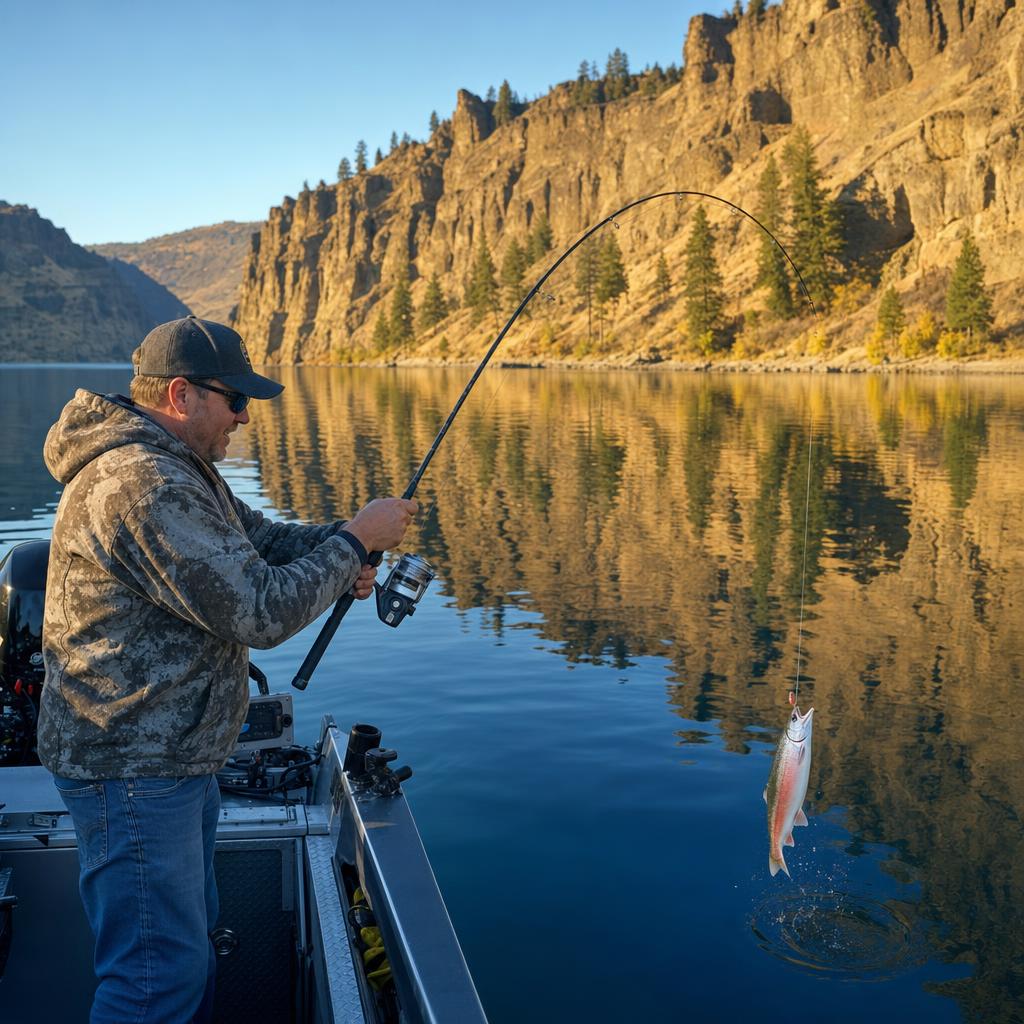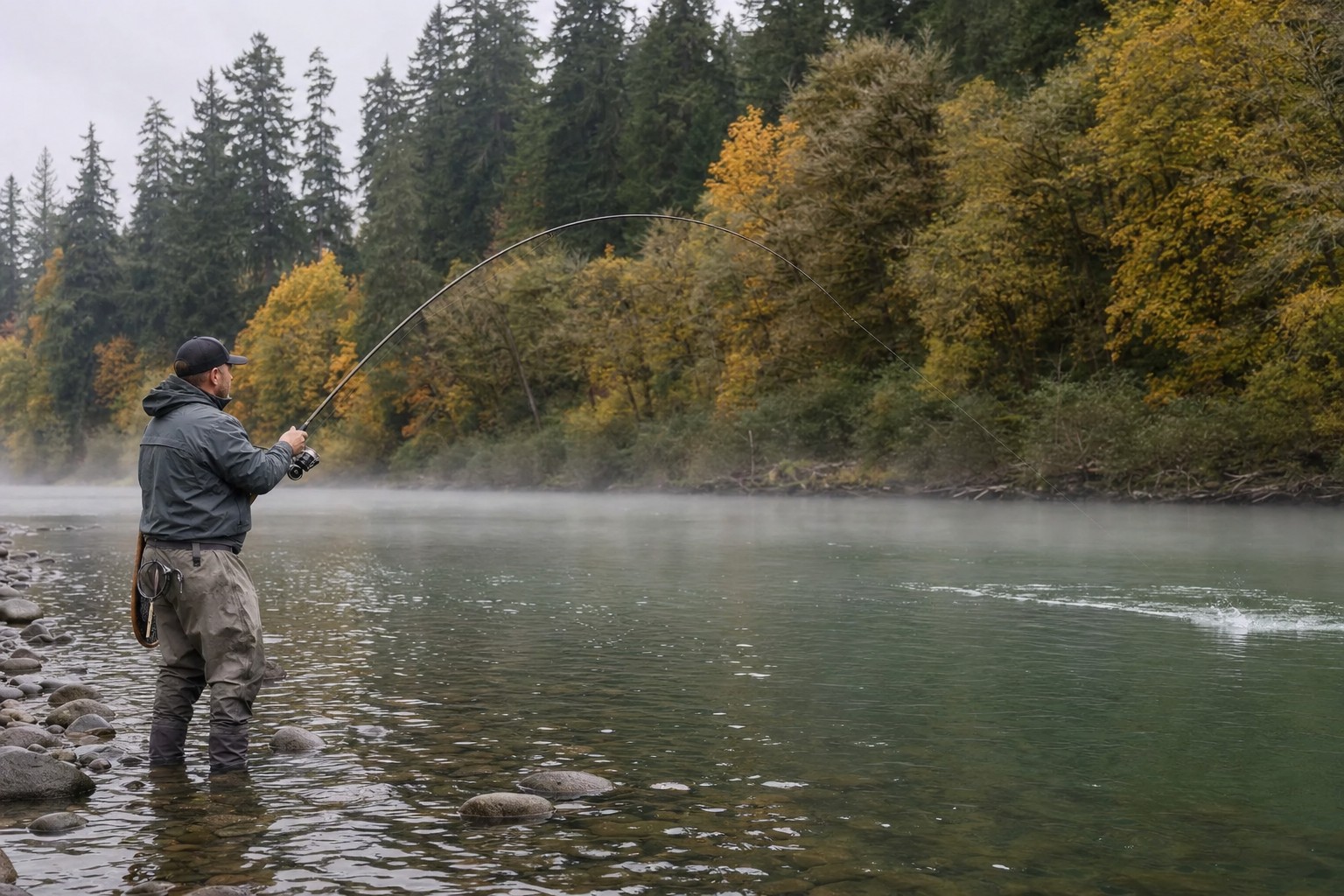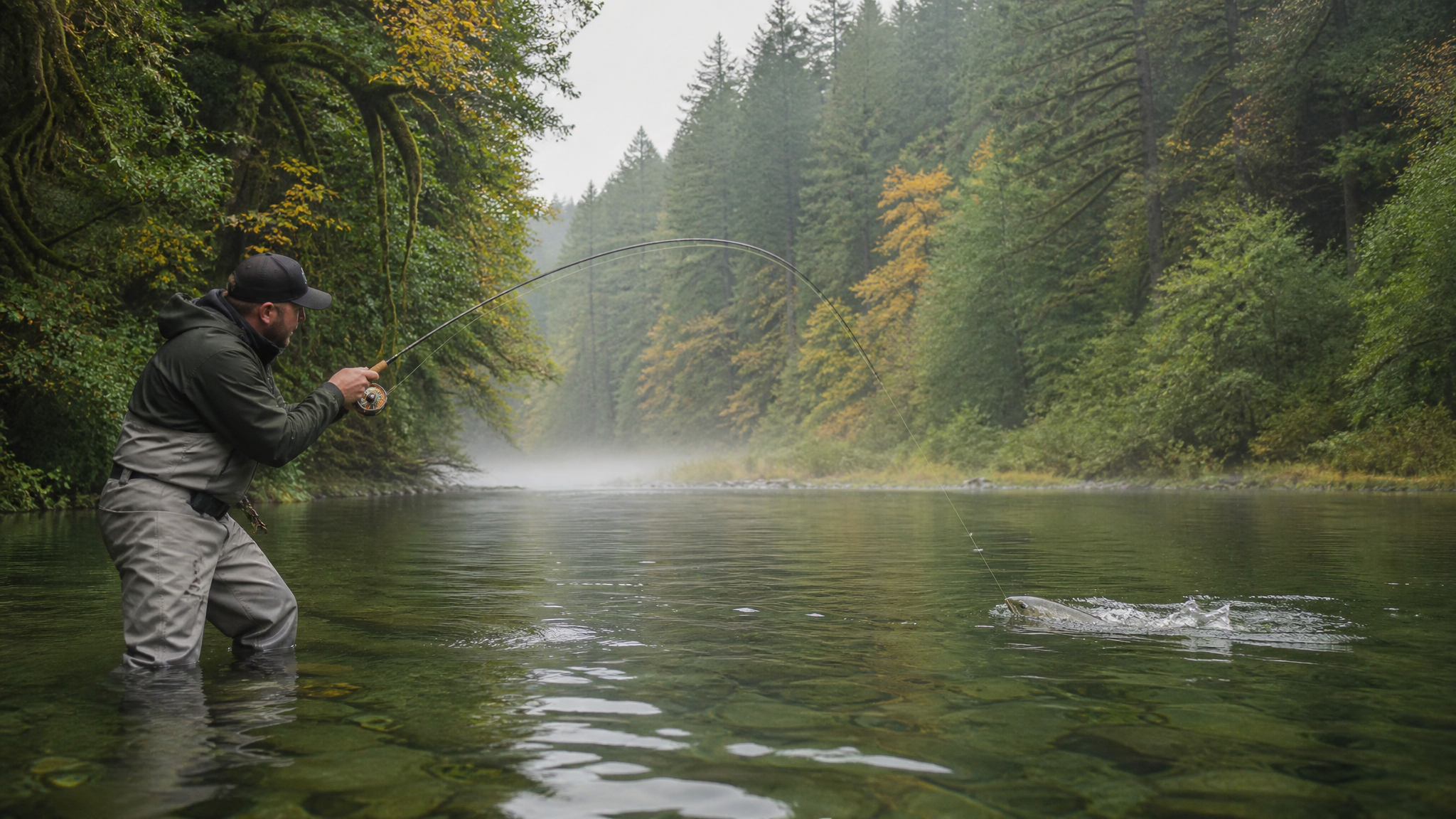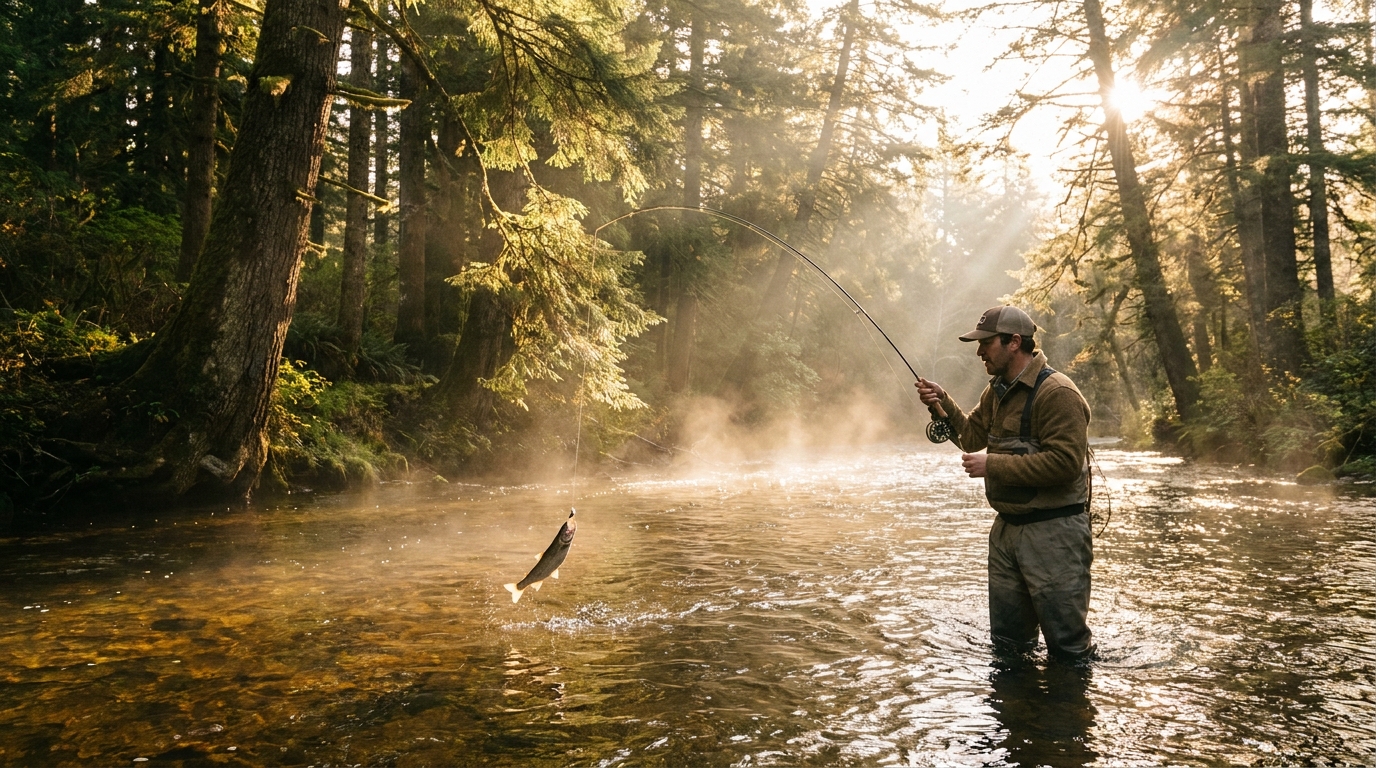
Oregon's sea-run cutthroat trout don't get the press that steelhead and Chinook do, but among coastal fly anglers who've tangled with them, they inspire a quiet, almost obsessive loyalty. These fish — Oncorhynchus clarkii clarkii, the coastal cutthroat subspecies — migrate from the ocean into coastal rivers and streams between late summer and late fall, following instinct that hasn't changed since before Lewis and Clark. If you want a willing, aggressive fish in beautiful water with almost no crowds, you've found your quarry.
Understanding Sea-Run Cutthroat Biology
Sea-run cutthroat (called "harvest trout" by old-timers along the Oregon coast) spend portions of their lives in saltwater estuaries and nearshore ocean habitat before moving into freshwater streams to spawn, typically from January through March. Unlike steelhead, they don't die after spawning — they may make multiple migrations over their lifetimes. Fish returning in late summer and fall are feeding aggressively, recovering condition after their ocean sojourn, and can be found in pools, runs, and even surprisingly small tributary streams.
They rarely grow as large as steelhead — a 16-inch fish is a solid trophy, and anything over 18 inches is exceptional — but they punch well above their weight on light gear and will take a fly with reckless aggression that makes steelhead feel reserved by comparison.
When to Go: Timing the Oregon Coastal Run
The sea-run cutthroat fishery on Oregon's coast typically peaks between August and November, with the best fishing often coming in September and October as fall rains begin to freshen the rivers. Fish start showing in lower river reaches when summer ocean conditions allow, then push progressively upstream through the fall.
- August: Early fish in lower tidewater sections; best on coastal rivers with cool, clear conditions
- September: Peak numbers in many systems; fish spread into middle river reaches
- October: Excellent fishing; cooler water temperatures improve fish activity
- November: Late fish possible, but regulations close many streams; check current ODFW regs
The Best Oregon Coastal Streams for Sea-Run Cutthroat
Nestucca River (Tillamook County)
The Nestucca is arguably Oregon's premier sea-run cutthroat river. It holds good numbers of fish, has extensive public access, and features classic coastal stream habitat — a mix of deep pools, gravel runs, and forested banks. The stretch from Beaver downstream to tidewater is productive through the fall. The Nestucca also receives significant winter steelhead later in the season, so many anglers combine trips.
Wilson River (Tillamook County)
The Wilson sees sea-run cutthroat alongside fall Chinook and coho, which can make identifying your target fish tricky in mixed-species water. Public access via the Wilson River Highway corridor is excellent. Focus on the lower 15 miles for best cutthroat numbers in September and October.
Coquille River (Coos County)
The North Fork of the Coquille and its tributaries are outstanding sea-run cutthroat habitat — smaller, more intimate streams that see far less pressure than the Tillamook-area rivers. Access requires more legwork, but the solitude is worth it. Fish tend to hold in logjam pools and the heads of deep runs.
Siletz River (Lincoln County)
The Siletz is a sleeper that doesn't get enough credit for its cutthroat fishing. The stretch below Moonshine Park sees fish entering in late summer, and the river's characteristic green water makes sight fishing possible on clear-sky days. The gorge section above Siletz is worth exploring for anglers willing to work for it.
Alsea River (Benton/Lincoln County)
The Alsea offers a longer fishable window and good public access through the Alsea Wildlife Area. Sea-run cutthroat share this water with coho and fall Chinook, and the lower river near Tidewater consistently produces good fish in September.
Gear and Tackle
Fly Fishing Setup
Sea-run cutthroat are tailor-made for a 9-foot 5-weight or 6-weight single-hand rod with a floating line. In deeper pools or fast runs, a 10-foot 4-weight switch rod lets you swing small streamers effectively without full spey casting. Leader: 9-foot, tapered to 4X (6 lb fluorocarbon) for clear coastal streams.
Best Flies
- Woolly Bugger (black or olive, #6-8): The all-around killer — swing it through pools on a downstream angle
- Sculpzilla or Sculpin patterns: Imitate the small sculpin that coastal cutthroat feed heavily on
- Elk Hair Caddis (#12-14): Surprisingly effective on surface; cutthroat will rise when caddis are hatching
- Muddler Minnow: Skated across the surface on a tight line swing can trigger explosive strikes
- December Caddis imitations: In October and November, the large Psychoglypha caddis hatch can be a game-changer
Spinning Gear Option
A light spinning rod (6'6" to 7', rated 4-8 lb) with 6-pound monofilament or 10-pound braid with a fluorocarbon leader works well with small spinners (Blue Fox #1-2, Panther Martin), small spoons, or Berkley Gulp! in realistic baitfish patterns. Small in-line spinners in silver or gold are particularly deadly during the September peak.
Tactics That Work
Sea-run cutthroat are structure-oriented fish. Work the seams between fast and slow water, the edges of logjams, undercut banks, and the heads and tails of pools. Unlike steelhead, which often hold in the classic "bucket" of a pool, cutthroat tend to be more aggressive feeders that will move several feet to eat a well-presented fly.
For swinging flies, a classic downstream presentation — cast across-stream at roughly 45 degrees, mend upstream immediately, then let the fly swing naturally — is devastatingly effective. When the fly reaches the hang-down position directly below you, give it several short strips before picking up. Many strikes come at the hang.
On smaller tributary streams, short-line nymphing with a strike indicator and a beadhead Hare's Ear or Prince Nymph under a foam attractor is often the most consistent approach.
Regulations: Know Before You Go
Oregon's sea-run cutthroat regulations vary significantly by stream and time of year. Many coastal rivers have catch-and-release only regulations for cutthroat, while others allow a limited harvest. The deadline for checking current ODFW regulations is before you rig your rod — not after. Download the current Oregon Sport Fishing Regulations or use the ODFW regulations viewer at myodfw.com. A valid Oregon fishing license with a Combined Angling Tag is required.
One Last Thing
Sea-run cutthroat are a native, wild fish with no hatchery supplement to speak of on most Oregon coastal streams. Handle them carefully — wet your hands before touching, minimize air time, and release them facing upstream in gentle current. These fish are too good to catch only once.