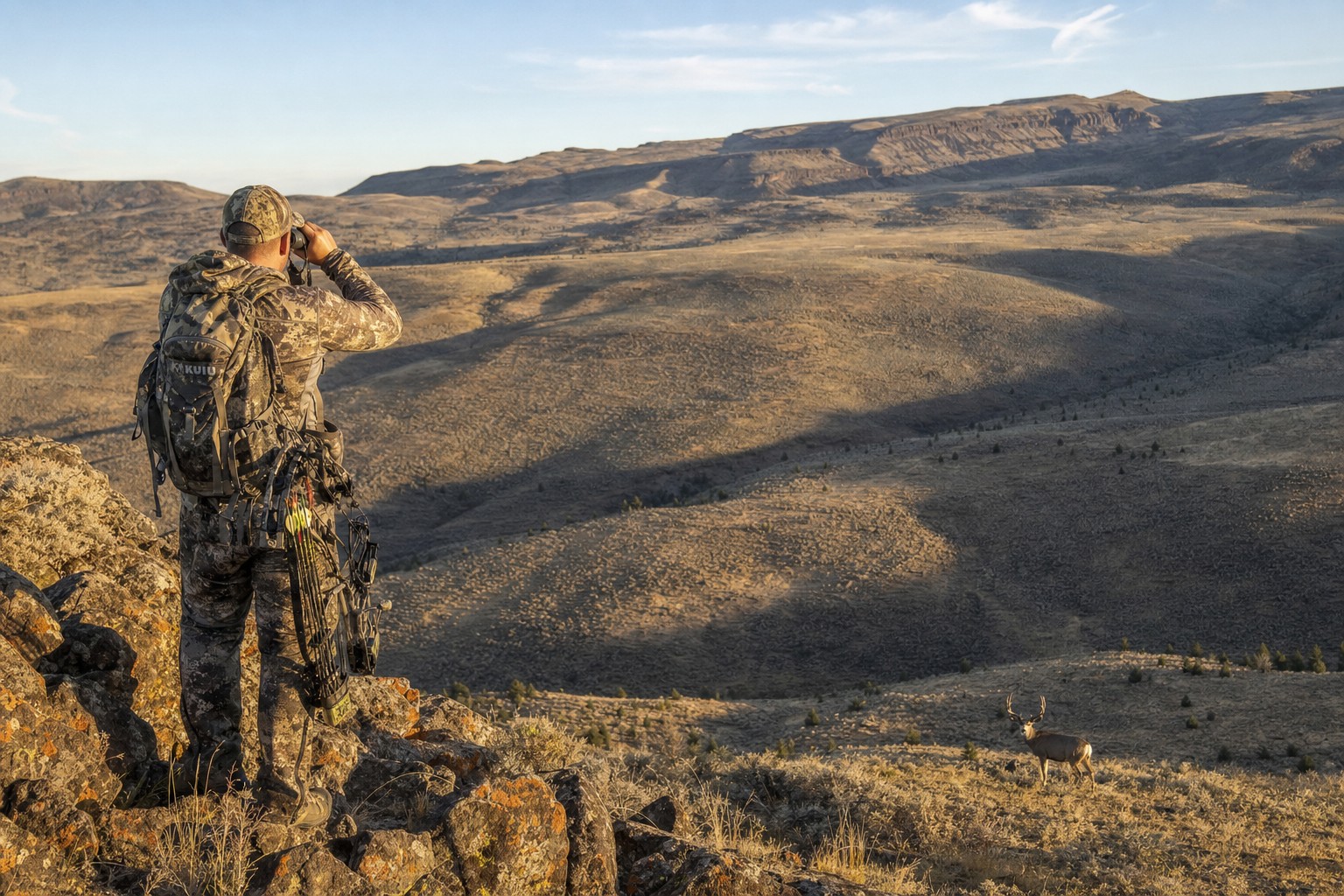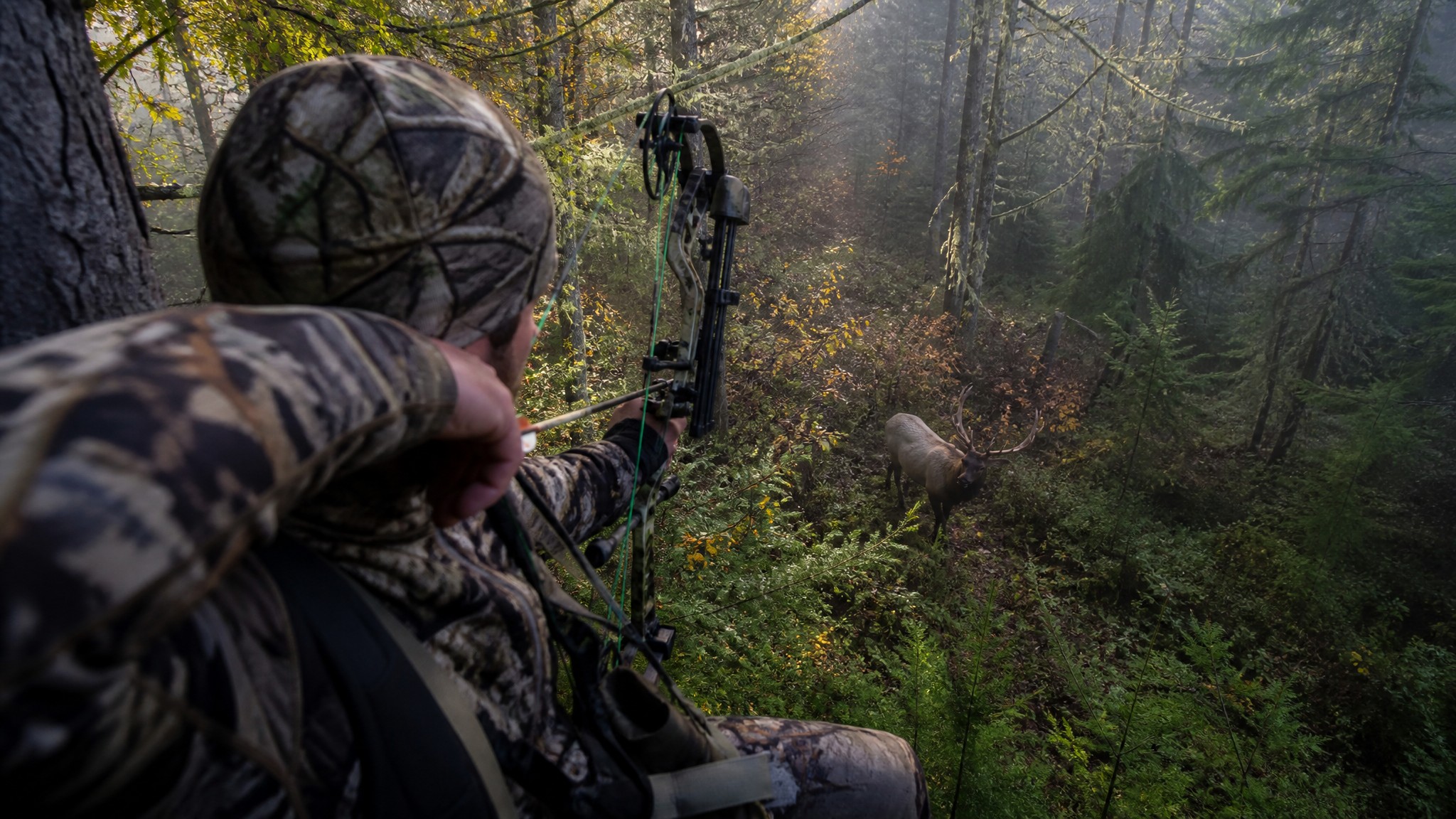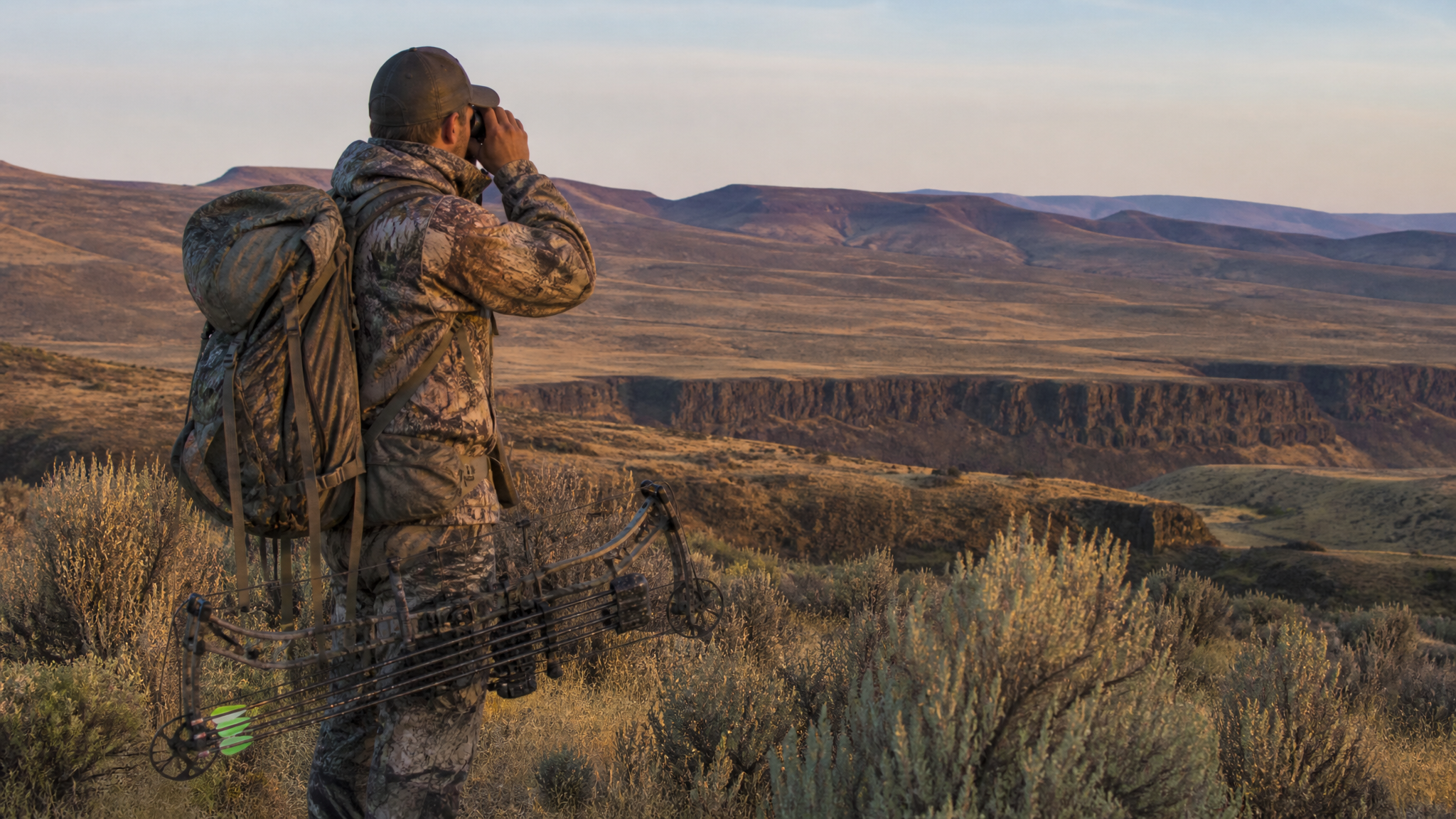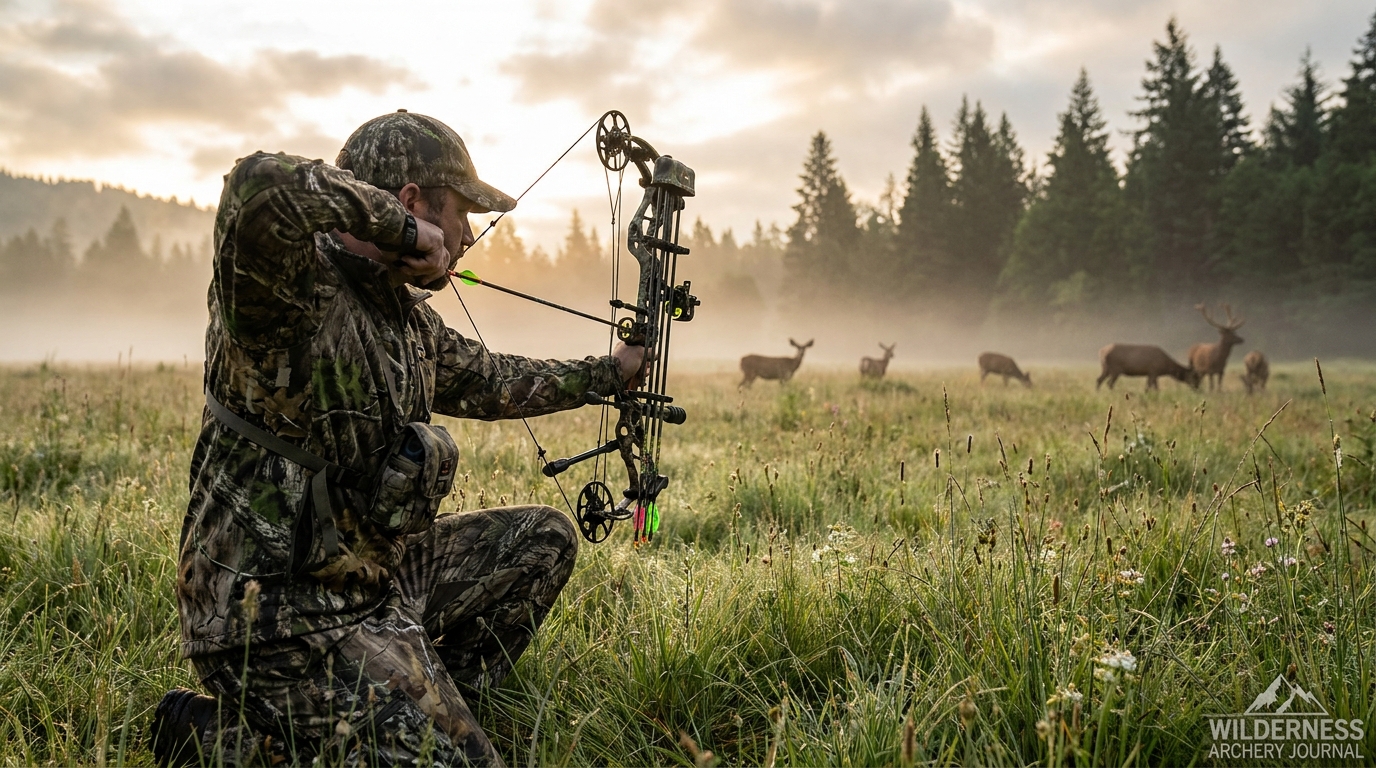
Five years ago, the majority of western bowhunters were running fixed-pin sights with five or seven pins stacked in the housing. Today, walk the parking lot at any Oregon archery elk camp and you'll see slider sights dominating. The shift isn't a trend — it's a practical response to the realities of western hunting: longer shots, varied terrain, and scenarios where a 47-yard shot or a 63-yard shot happens just as often as a 30-yard chip in. Fixed pins leave you interpolating between distances. A single-pin slider eliminates the guesswork.
The Case for Single-Pin Sights
A single-pin slider gives you one pin, one aiming reference, dialed to the exact distance of your shot. There's no gap shooting, no pin confusion in low light, and no moment of hesitation wondering whether to hold on the middle pin or the top of the bottom pin. You range the animal, turn the dial, settle the pin. That's it.
The tradeoffs are real and worth understanding. A slider is slower than a fixed-pin sight for close shots where an animal is moving quickly — there's no "emergency" pin to default to if you don't have time to dial. And if your dial gets bumped in the field and you don't notice, you're aiming at the wrong distance. Neither issue is a dealbreaker for most western elk and deer hunters, but they matter for tight timber hunting where shots can materialize at 15 yards without warning. Many bowhunters who hunt both timbered and open country run a hybrid approach: a slider as their primary sight with a secondary reference mark at 20 or 25 yards as a backup for close encounters.
Choosing a Slider Sight
The market has exploded with options. Here's how to evaluate them:
Micro-Adjust vs. Tape-Based Dials
Micro-adjust sights (like the Spot-Hogg Fast Eddie series, HHA King Pin, or IQ Bowsight Metric) use a threaded shaft that moves the pin housing in precise increments. These are dialed at the range using trial and error — move the dial, shoot, adjust. They're extremely precise but require more setup time initially. Tape-based sights use a printed yardage tape matched to your arrow's specific trajectory to mark distances directly on the dial. The tape approach is faster to set up and faster to read in the field but requires printing or ordering a tape that matches your exact setup.
Magnification (Lens)
Many slider sights accept aftermarket lenses — typically 2x or 4x — that magnify the target for longer shots. If you're anticipating shots beyond 60–70 yards in open country (pronghorn, mule deer, some elk situations), a 2x lens is worth the investment. At close range in timber, a lens can actually slow you down and create eye relief problems. Know your hunting context before committing.
Build Quality
The slider mechanism gets touched constantly — ranging, dialing, shooting, hiking, ranging again. Cheap sights develop slop in the track that introduces inconsistency. Top-tier options (Spot-Hogg, CBE, HHA, Axcel) use machined aluminum tracks with zero slop. This matters more than fiber optic brightness or housing aesthetics.
Setting Up Your Slider: Step by Step
Step 1: Paper Tune and Rest Setup
Before touching the sight, ensure your bow is paper-tuned and your rest is properly set. A sight cannot compensate for a bow that's launching arrows improperly. Get perfect bullet holes through paper at 6 feet, then proceed.
Step 2: Set Your 20-Yard Reference
Mount the sight and rough-adjust windage and elevation so you're hitting paper at 20 yards. Then dial in precisely. This is your baseline reference point — everything else on the tape or dial scales from here.
Step 3: Confirm at Multiple Distances
Shoot at 20, 30, 40, 50, 60, and 70 yards to confirm your trajectory. If you're using a tape-based sight, this process tells you which tape matches your setup. If using a micro-adjust sight, mark each distance on the dial with a paint pen or use a labeling system.
Step 4: Generate an Accurate Yardage Tape
For tape sights, programs like the OnTarget2 software or the manufacturer's online tools can generate a custom tape based on your confirmed shot data at two reference distances. The more accurately you shoot the reference shots, the more accurate the tape will be at extended ranges.
Step 5: Field-Verify at Hunting Distances
Before any season, shoot at least 20 arrows at 50–70 yards with your hunting setup — broadheads or field points matched in weight to your broadheads. Broadheads fly differently than field points at longer distances. Confirm your slider is dialed for your broadhead trajectory, not just your field point trajectory.
Field Use: Building Good Habits
Range before you move. When you glass or locate an animal, immediately range multiple reference points — the tree at the clearing edge, the rock 10 yards beyond, the bush he's feeding toward. Range early and often so when the shot moment arrives you're not fumbling with a rangefinder.
Verify your dial before the stalk. Before beginning a final approach, note your dial position and set it to the approximate distance you expect to shoot. This isn't where you'll actually shoot from, but it keeps the sight ready instead of sitting at 20 yards when the opportunity presents at 55.
Develop a range-dial-settle sequence. Train this until it's automatic: range, dial, settle anchor, confirm pin placement, release. Any hesitation in the sequence costs you clean shots. Dry-fire this at home thousands of times before the season.
Recommended Sights for Oregon Big Game Bowhunters
- Budget-friendly: HHA Optimizer Lite Speed ($130–160) — simple, reliable, proven design for hunters new to sliders
- Mid-range: CBE Tek Hybrid ($220–280) — excellent build quality, hybrid fixed/slider option for timber versatility
- Premium: Spot-Hogg Fast Eddie MRT ($380–450) — machined aluminum, zero slop, multiple reference tape options, the go-to for serious western archers
- Top-of-class: Axcel Accutouch Carbon Pro ($450–550) — carbon fiber arm, exceptional adjustability, preferred by many competitive 3D and bowhunting archers
The slider is a tool, and like every tool, it rewards practice and penalizes neglect. Put in the range time this summer, learn your dial intimately, and by the time Oregon's archery opener arrives, ranging and dialing should be as automatic as drawing the bow itself.