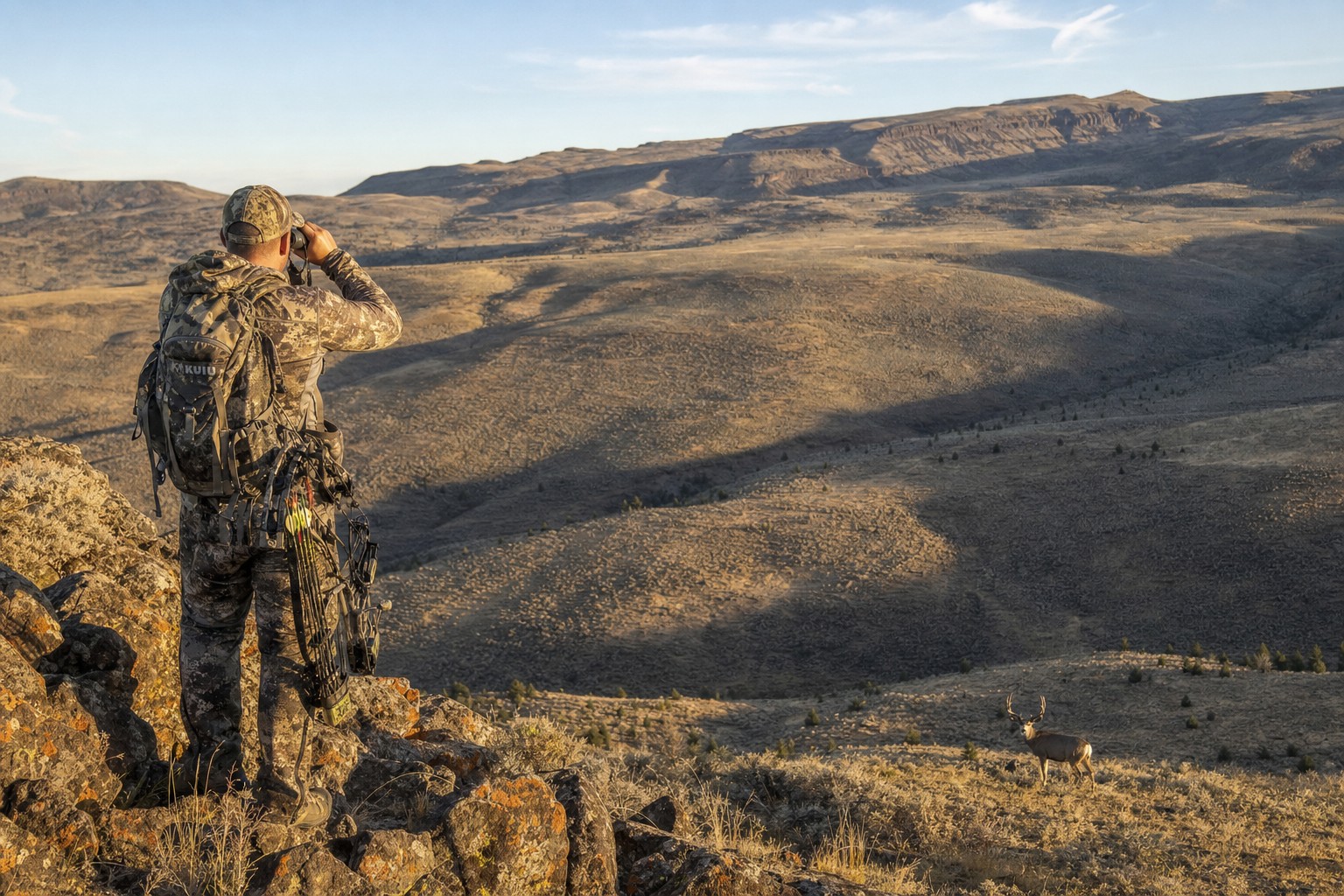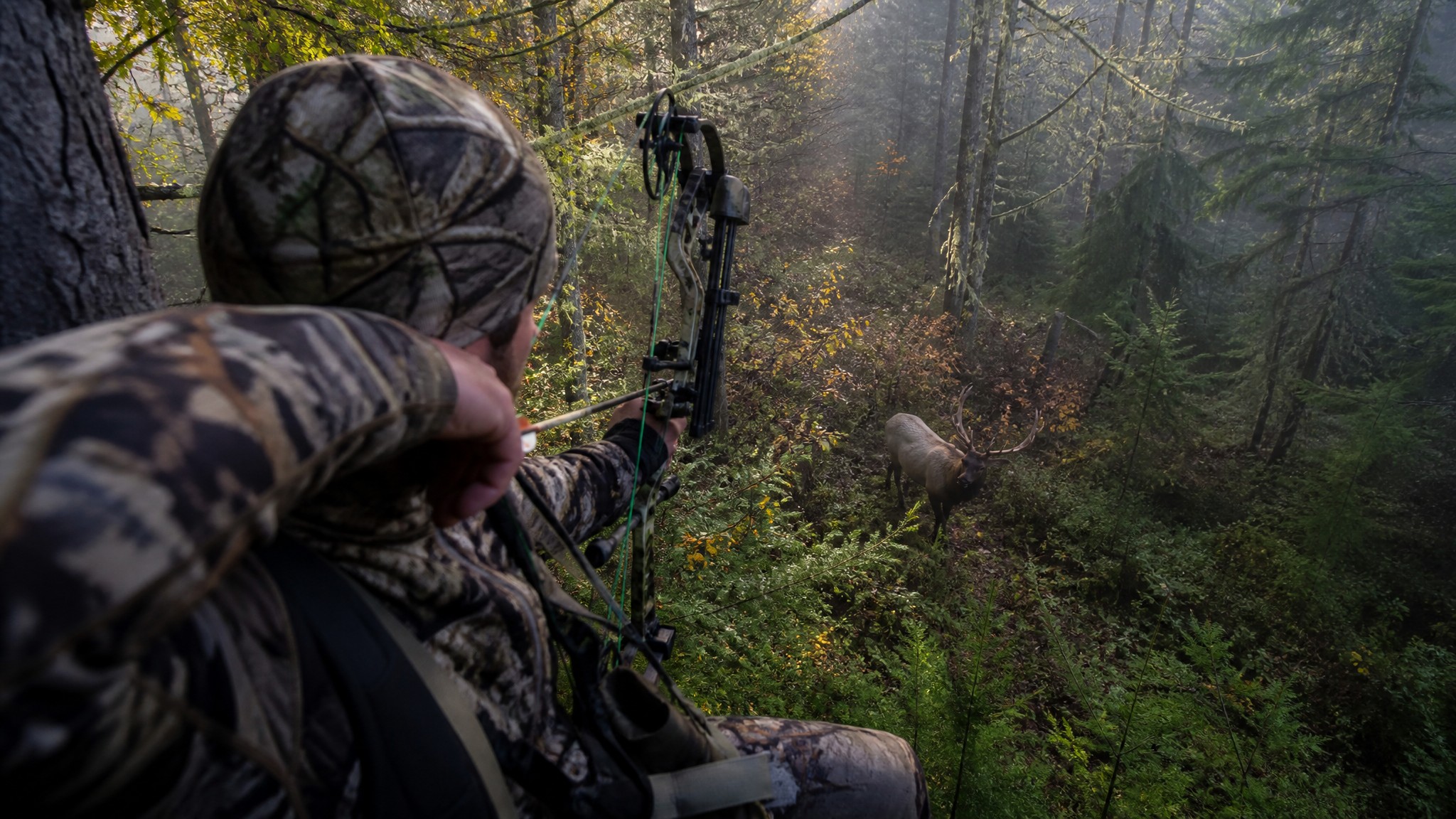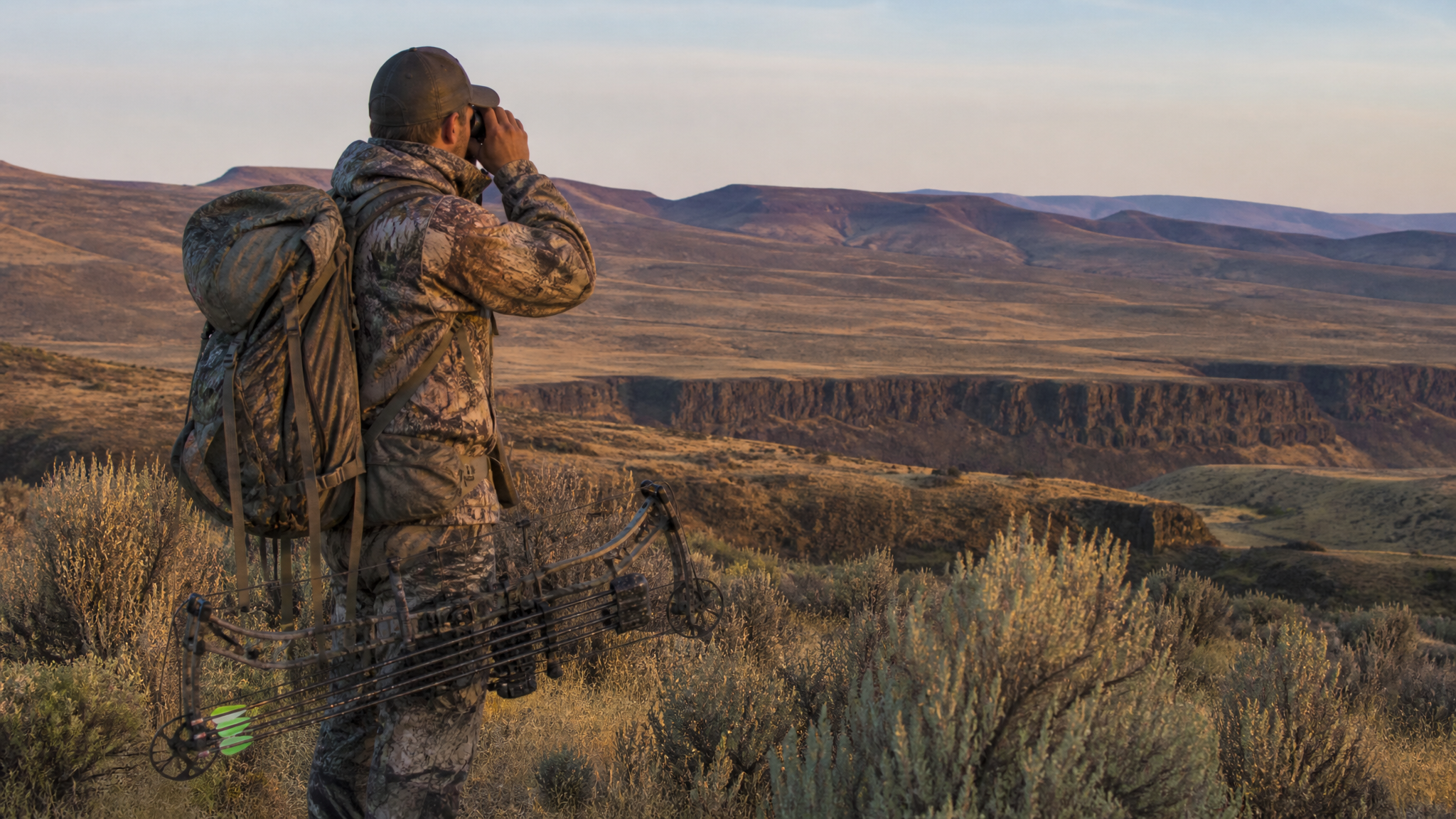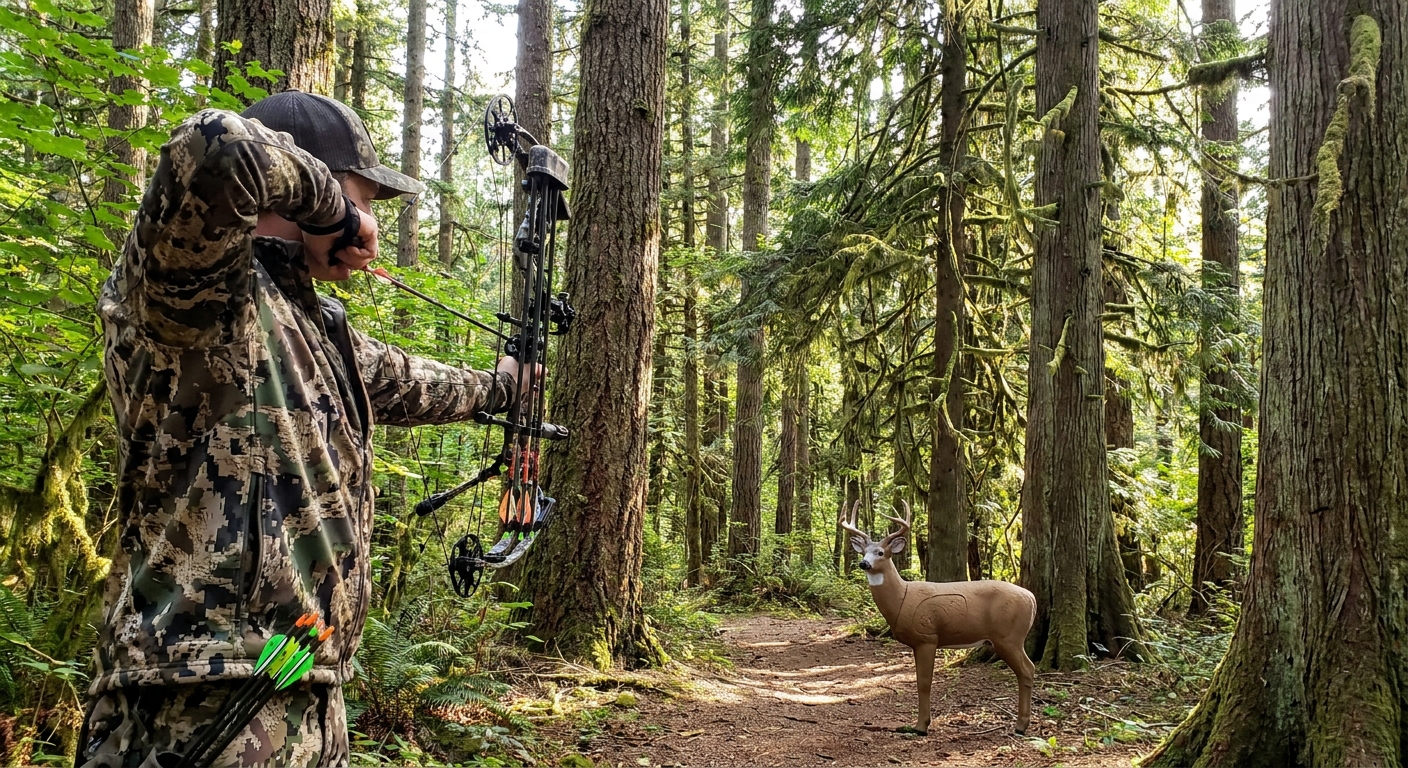
Every serious bowhunter knows they should be shooting more in the off-season. Few of them actually do it with purpose. The Pacific Northwest 3D archery circuit — run through the National Field Archery Association (NFAA), Archery Shooters Association (ASA), and dozens of local clubs from June through August — offers something target archery at a flat range never can: unknown distances, elevation changes, awkward angles, and the mental pressure of a ticking clock and watching eyes.
If you're hunting deer or elk in Oregon this fall, there is no better summer training environment than a well-designed 3D course. The key is treating it like a hunting simulator, not a social event.
What 3D Archery Actually Trains
Flat-range practice makes you accurate at known distances on a stationary target. That's a good foundation. 3D archery builds on it by forcing you to solve problems you will absolutely encounter in the field:
- Unknown yardage: Most 3D formats don't tell you how far the target is. You range it (or estimate it), pick a pin, and commit. Doing that 20 times in a row under mild social pressure teaches you to range quickly and trust your call — exactly what you need when a bull is at 47 yards with a 15-second shot window.
- Terrain angles: Good 3D courses set targets uphill, downhill, and across ravines. Angled shots compress the effective distance and change your hold. Shooting those situations dozens of times before season means they're familiar, not novel.
- Animal anatomy targets: You're aiming at a foam deer, bear, elk, or turkey — not a dot. Your brain learns to find the crease, pick the spot behind the shoulder, and execute on an anatomically realistic shape.
- Mental composure under pressure: You're in a group, people are watching, and there's a score. That low-grade pressure mimics the mental load of a hunting shot far better than shooting alone on a quiet range.
Finding Clubs and Shoots in Oregon and Washington
The Pacific Northwest has an excellent 3D club network. A few starting points:
- Oregon Archers Association (oregonarchers.com): Maintains a calendar of NFAA shoots and club events statewide.
- Bend Archers: Runs regular 3D shoots in Central Oregon. Beginner-friendly with well-maintained courses.
- Cascade Bowmen (Salem area): One of the older clubs in the Willamette Valley with summer 3D events through August.
- ASA Pro/Am events: If you want competition-level shoots, the ASA circuit has stops in the region — check asaarchery.com for the current schedule.
- Local pro shops: Your nearest archery pro shop almost certainly knows every local club that runs summer 3D. Ask — they're usually shooting it themselves.
How to Use 3D Shoots as a Hunter
Don't just show up and wing it. Go with a plan.
Shoot in Your Hunting Clothes
By July, start showing up in your hunting gear. The pack, the arm guard position, the feel of a release through a jacket sleeve — all of it should be practiced before opening day. If you shoot from a treestand, some courses will have elevated platforms. Use them.
Enforce Your Hunting Shot Standards
At 3D shoots, you can take any legal shot on the target. Hunters should self-impose their own maximum range. If you've decided 50 yards is your ethical maximum for hunting, don't take the 65-yard shot at a 3D event because the score exists. Practice reinforcing the same discipline you'll need to enforce when a real animal is standing there.
Debrief Every Shot
After each target, take 30 seconds. Where did the arrow land? Was it your form, your range estimation, your mental execution? Get in the habit of self-analysis. Bowhunters who miss clean shots in the field often do so for the same reason repeatedly — and that reason becomes obvious when you track it over a full summer of 3D rounds.
Shoot with Better Archers
Find people who are more accurate than you and shoot with them. Watch their pre-shot routine, their grip, their follow-through. Ask questions. The 3D community is generally welcoming, and learning by observation is faster than self-diagnosing in isolation.
Equipment Checks the Course Reveals
A full 3D course is a real-world equipment stress test. Arrows that group well on a flat range may reveal inconsistency at steep angles or in wind. Your rangefinder's performance in low-light shots at 60+ yards may be marginal. A peep sight that works at 20 yards at home might give you trouble when your bow is at a 30-degree downward cant on a steep hillside target. Better to find these things in July than in September.
By late August, your goal should be this: draw, range, pick a pin, aim small, and execute — without a voice in your head second-guessing the process. That automatic competence is what 3D archery builds over a full summer. Start now, shoot often, and treat every foam animal like it's the real thing.